Which T Mount For Pentax Cameras And Telescope?
When it comes to combining the stellar realms of astrophotography with Pentax cameras and telescopes, choosing the right T-mount adapter is pivotal. Astrophotography is a mesmerizing hobby that requires the proper tools and equipment to link a DSLR or mirrorless camera with a telescope for capturing the wonders of the night sky. If you're starting on this exciting journey and wondering exactly which T-mount to select for your Pentax camera, this article will walk you through everything you need to know.
Understanding T-Mounts and Their Purpose
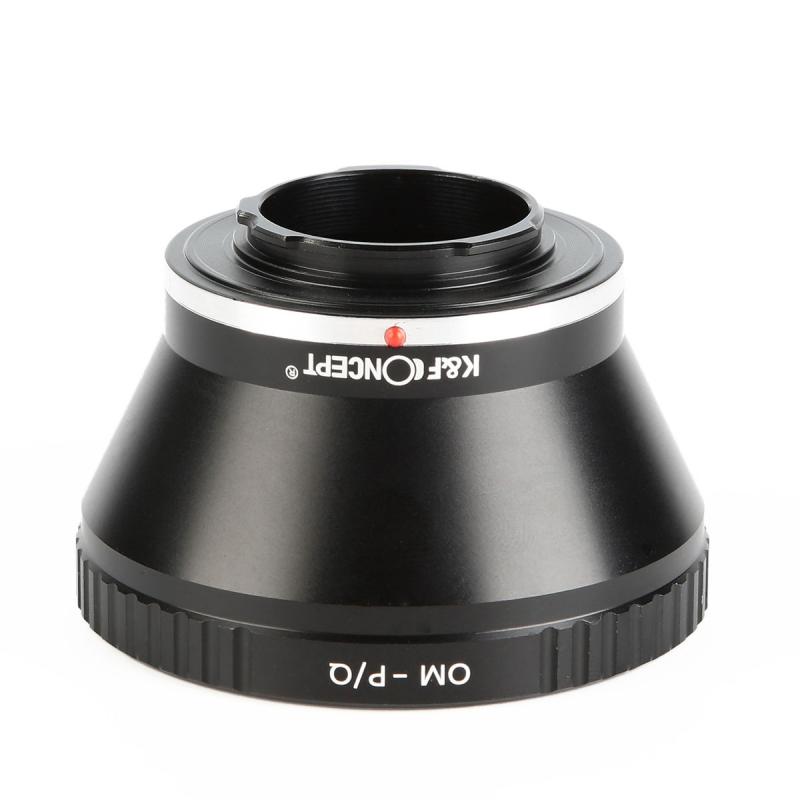
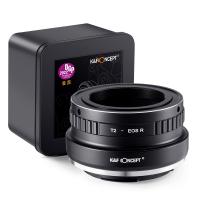
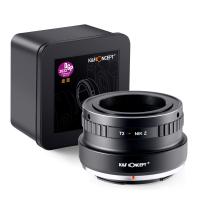
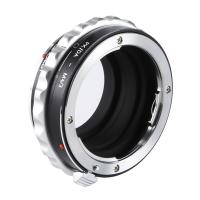
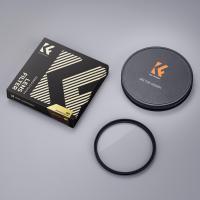
A T-mount adapter serves as the bridge between your camera and your telescope. Most telescopes come equipped with a T-thread—an international standard for telescope-camera connections. The T-mount adapter connects your camera body to this T-thread using a simple, yet precise, mechanism.
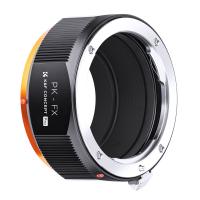
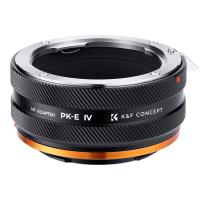
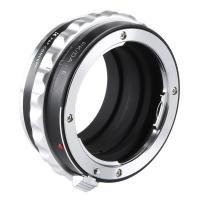
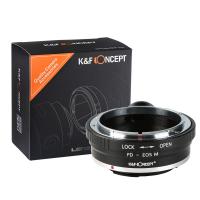
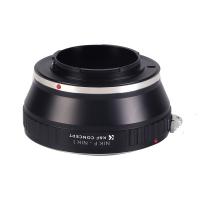
For Pentax cameras, you will need a T-mount specially designed to match the K-mount or K-AF mount (depending on your camera model). This enables you to mount your Pentax DSLR or mirrorless camera securely onto the telescope for prime focus astrophotography. With prime focus, your telescope acts as the lens of the camera, replacing traditional lenses for direct image capture.
Choosing the Right T-Mount for Pentax Cameras
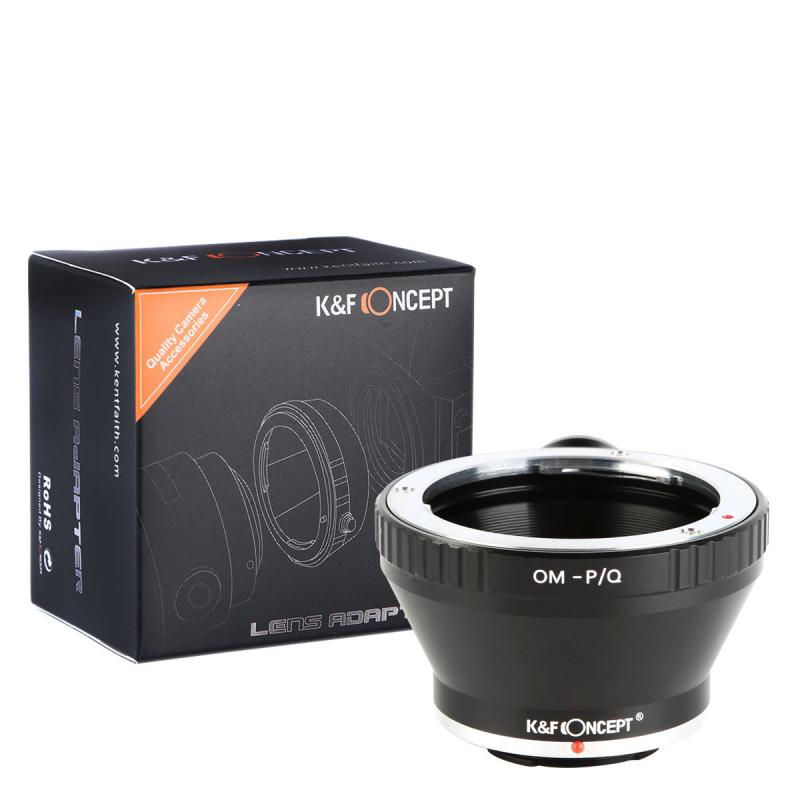
The first rule of thumb is ensuring compatibility between your Pentax camera body and the T-mount adapter. Here are the steps to help you zero in on the correct T-mount:
1. Verify Your Camera Mount Type:
Most Pentax DSLRs, such as those under the Pentax K series (e.g., Pentax K-70, K-1 Mark II), utilize the K-mount system. Some older cameras or specialty Pentax models might feature slight variations of the mount. Double-check your camera specifications in the user manual to confirm this.
2. Ensure Compatibility with Telescope T-Thread:
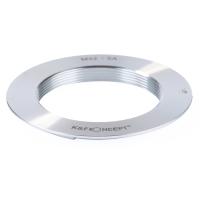
Virtually all T-mounts for Pentax cameras feature a T2 (M42x0.75) thread on the telescope side. This standard threading matches the T-ring of your telescope, making the attachment seamless.
3. Material and Build Quality:
T-mount adapters are typically constructed from aluminum alloy or brass with anodized finishes. Look for a sturdy, durable design that can handle the weight of your camera setup without wobbling when attached to the telescope.
4. Optional Extras and Adaptability:
If you plan to use additional accessories like focal reducers or Barlow lenses, ensure the T-mount allows for this extra equipment without obstructing the optical path or adding excessive bulk.
Popular Choices of T-Mounts for Pentax Cameras
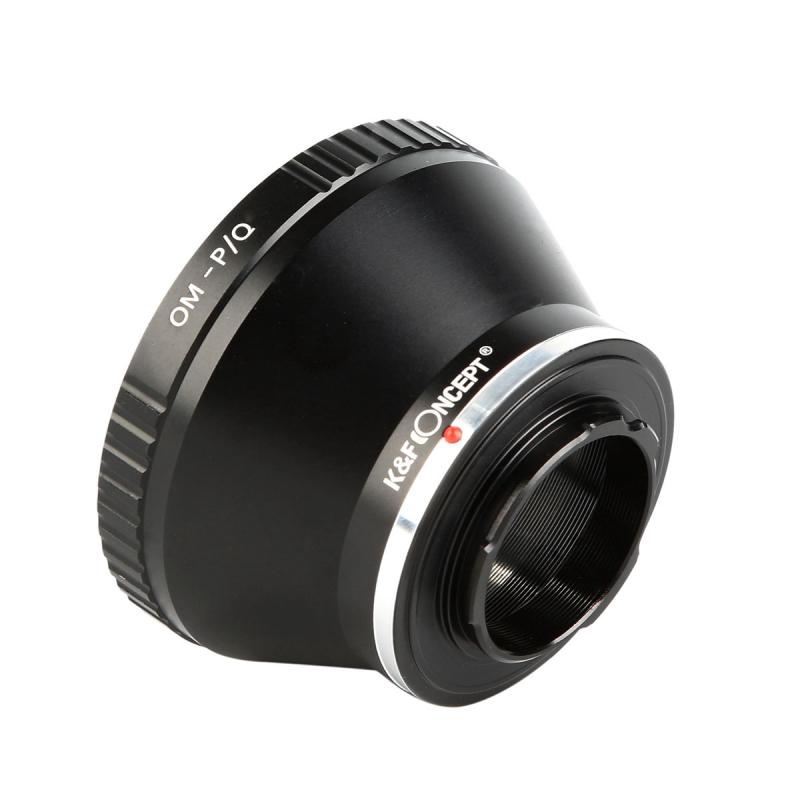
Below are some reliable T-mounts specifically compatible with Pentax cameras:
Pentax K-Mount T-Ring Adapter:
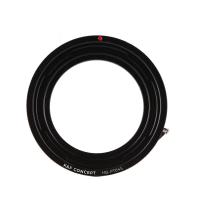
This adapter works with Pentax K-mount DSLRs and is excellent for ensuring a secure, stable fit with most telescopes. It is widely available and relatively inexpensive.
Universal T-Mount Adapter with Adjustable Spacers:
These adapters come with adjustable spacers to fine-tune your backfocus, which is especially useful for telescopes that require precise optical alignment.
Third-Party Brands:
Brands like Celestron, Orion, and Svbony manufacture T-mount adapters compatible with Pentax K-mount cameras. These are often marketed as universal solutions for astrophotography enthusiasts and are usually well-constructed for compatibility with various astronomy setups.
How to Attach Your Pentax Camera to a Telescope
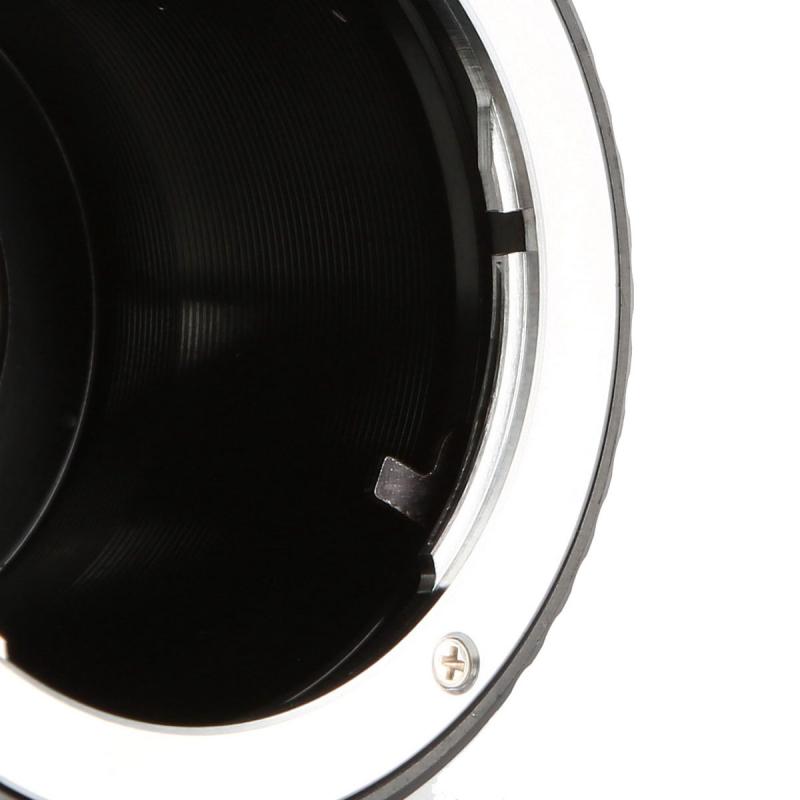
Once you have selected the correct T-mount, the process of connecting your Pentax camera to your telescope is relatively straightforward. Follow these steps:
1. Remove the Telescope Eyepiece:
Start by removing the telescope's eyepiece to expose the T-thread connection. The eyepiece is typically replaced when using prime focus as the telescope’s optics directly funnel the light to the camera sensor.
2. Install the T-Mount on Your Camera:
Screw the T-ring adapter onto the lens mount of your Pentax camera. Ensure the connection is secure but do not over-tighten it.
3. Attach the T-Mount to the Telescope:
Carefully screw the T-mount adapter onto the telescope's T-thread. Make sure the connection is stable and firm.
4. Adjust Focus and Settings:
Focus is primarily achieved manually via the telescope’s focusing mechanism. Additionally, configure your Pentax camera settings in manual mode (such as ISO, shutter speed, and exposure) for optimal results in capturing celestial objects.
Tips for Optimizing Astrophotography with Pentax Cameras
To ensure a smooth experience and high-quality astrophotography results, consider the following tips:
1. Backfocus Adjustment:
Some telescope-camera combinations may require spacers to achieve appropriate backfocus. Check your telescope manual to calculate the ideal distance from the telescope’s T-thread to your camera sensor.
2. Remote Shutter Release or Intervalometer:
Vibrations are a common issue when taking long-exposure astrophotography. A remote shutter release or intervalometer can minimize these vibrations and allow longer exposures.
3. Use a Sturdy Mount or Tripod for Your Telescope:
Ensure that your telescope is mounted on a stable, motorized equatorial mount or similar system. This is crucial for tracking celestial objects and minimizing image blur caused by Earth’s rotation.
4. Shoot in RAW Format:
Shooting in RAW gives you more flexibility during post-processing to bring out the finer details in your astrophotography images.
5. Experiment with Lenses and Barlow Attachments:
Beyond prime focus photography, you might want to experiment with projection adapters or Barlow lenses to vary the level of magnification while maintaining focus.
Astrophotography with a Pentax camera and telescope is an incredibly rewarding endeavor, and selecting the right T-mount is a vital first step. By matching the correct T-ring adapter to your Pentax camera's mount type, you ensure a hassle-free connection with your telescope, enabling you to capture breathtaking views of the cosmos. Whether it's the moon, planets, or deep-sky objects like nebulae and galaxies, the possibilities are endless with the right tools at your disposal.
With careful planning, a bit of experimentation, and attention to detail, you’ll soon be enjoying the beauty of the stars from your camera’s viewfinder. Happy stargazing and click-worthy astrophotography!