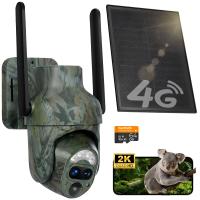
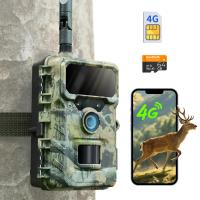
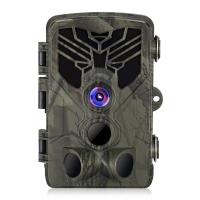
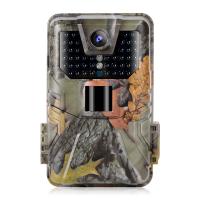
Which Cellular Trail Camera?
In recent years, cellular trail cameras have revolutionized the field of wildlife monitoring and remote surveillance, offering unparalleled convenience and advanced technological features. Whether you are an avid hunter, a wildlife enthusiast, or someone looking for enhanced property security, understanding which cellular trail cameras best fit your needs is essential. With an increasing number of options flooding the market, it can be challenging to determine which model is right for you. This article explores the key factors to consider when choosing a cellular trail camera, reviews the top-performing models, and provides valuable insights to help you make an informed decision.
What is a Cellular Trail Camera?
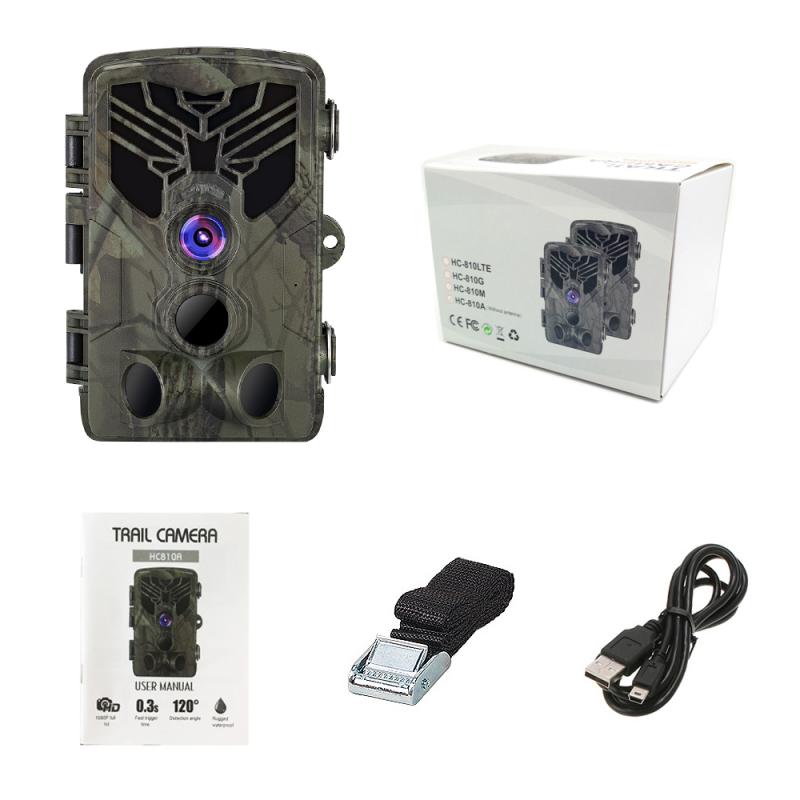
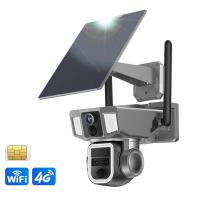
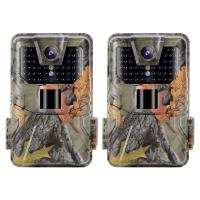
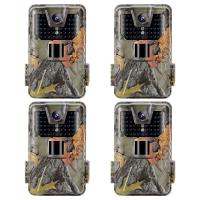
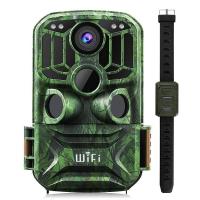
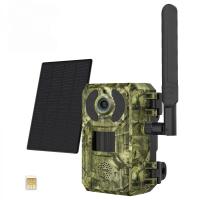
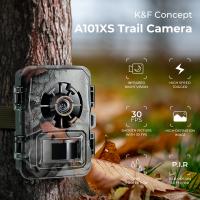
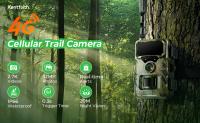
A cellular trail camera is a remote camera that utilizes cellular networks to transmit photos and videos directly to your smartphone, tablet, or computer. Unlike traditional trail cameras, which require physical retrieval of memory cards to access captured images, cellular trail cameras eliminate this inconvenience by offering real-time delivery. Cellular trail cameras are commonly used for hunting, wildlife research, and security purposes, providing instant updates on animal activity or trespassers in remote areas.
Key Considerations When Choosing a Cellular Trail Camera
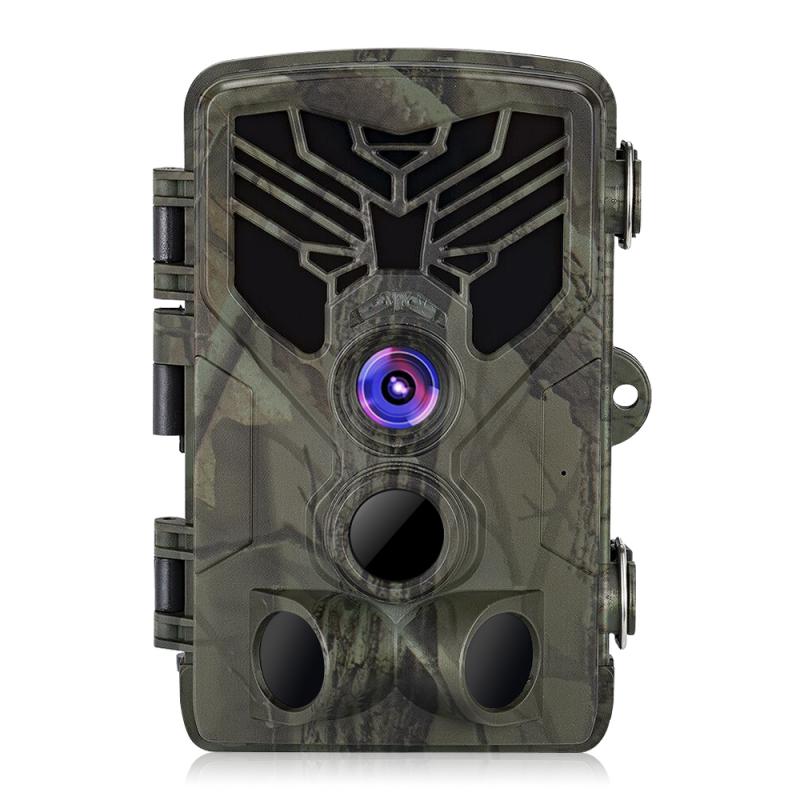
Before selecting a cellular trail camera, it’s important to evaluate your specific needs and consider various features that can influence performance. Below are the main factors to keep in mind:
1. Network Compatibility
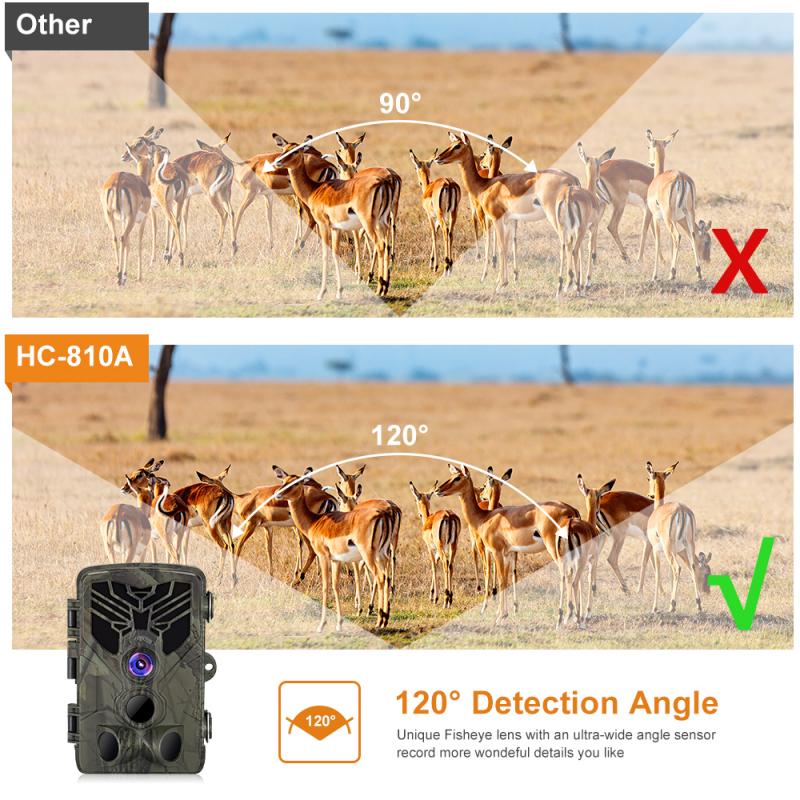
The cellular trail camera you choose must be compatible with the network carrier in your region. Many trail cameras operate on specific cellular carriers like AT&T, Verizon, or T-Mobile. Before purchasing a camera, check the coverage and signal strength in your intended deployment area to ensure uninterrupted connectivity.
2. Image and Video Quality
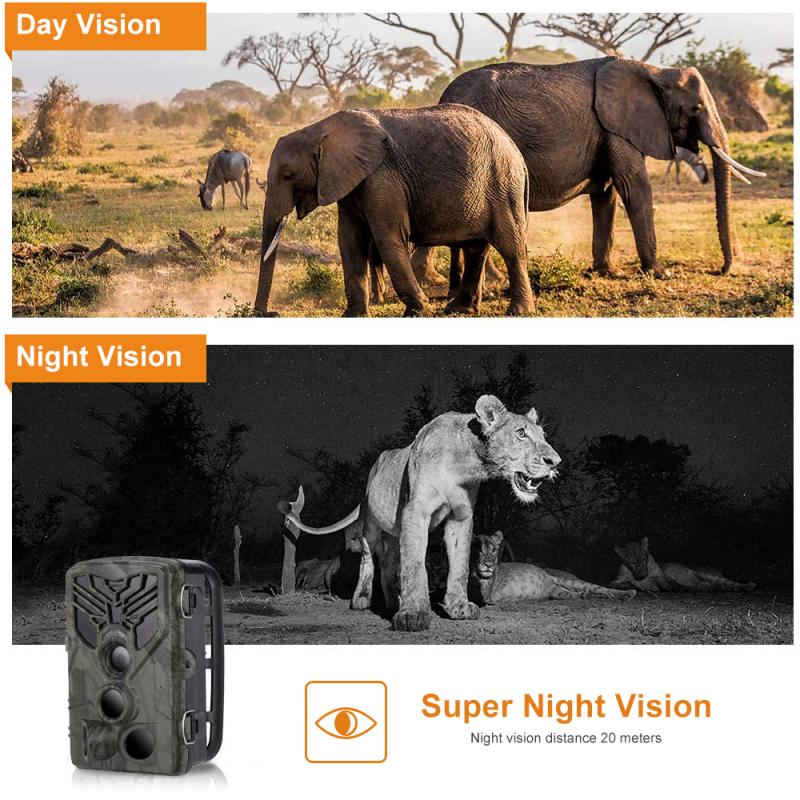
The quality of images and videos captured by the camera is a critical factor. Most trail cameras offer resolutions ranging from 12 megapixels to 30 megapixels for photos and 720p to 1080p for videos. High-resolution captures are essential for identifying animals or individuals with clarity.
3. Trigger Speed and Detection Range
Trigger speed refers to how quickly the camera captures an image after detecting motion. A faster trigger speed, typically 0.2 to 0.5 seconds, ensures moving objects are captured effectively. Detection range is the distance at which the camera can sense motion, often spanning from 50 feet to 100 feet or more. A wider detection range enhances coverage, especially in open environments like fields and forests.
4. Battery Life
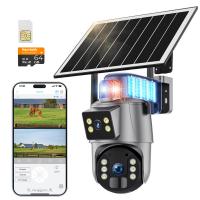
Keeping the camera operational for extended periods is crucial, especially in remote locations. Cameras with energy-efficient designs, solar panels, or external battery packs can help reduce the need for frequent battery replacement.
5. Cost of Operation
Cellular trail cameras generally require a subscription to a data plan to transmit images and videos. Review pricing plans offered by the manufacturer and ensure that the chosen plan suits your budget. Some brands offer competitive rates tailored to occasional or frequent users.
6. Additional Features
Advanced features like night vision, app control compatibility, cloud storage, and weatherproof construction can greatly enhance functionality. Depending on your requirements, these might be worth considering.
7. Ease of Use
User-friendliness is essential, particularly for beginners. Look for cameras with intuitive app interfaces, easy setup instructions, and accessible customer support.
Top Cellular Trail Cameras for 2023
Based on customer reviews, performance data, and expert recommendations, here are some of the best cellular trail cameras currently available on the market:
1. SPYPOINT Link-Micro LTE
The SPYPOINT Link-Micro LTE is a budget-friendly option offering reliable performance. Its compact size makes it easy to conceal in various outdoor environments. Key features include 10-megapixel photo resolution, LTE network compatibility, and an intuitive mobile app for managing captured content. While it may not offer advanced video capabilities, its affordability and ease of use make it ideal for casual users.
2. Tactacam Reveal X
The Tactacam Reveal X stands out for its quick trigger speed, 96-foot detection range, and 16-megapixel image resolution. With adaptable trail modes and excellent battery optimization, it’s a strong contender both in terms of reliability and cost-effectiveness. It supports both Verizon and AT&T networks and offers efficient night vision capabilities with infrared LEDs.
3. Bushnell CelluCore 30
Bushnell is a trusted name in the outdoor industry, and the CelluCore 30 lives up to its reputation. Providing crystal-clear quality with 30-megapixel photos and 1080p videos, this model excels in capturing intricate details. It offers a broad detection range of 100 feet and dual SIM card compatibility for better connectivity in remote areas. Its rugged design ensures durability in harsh weather conditions.
4. Stealth Cam Fusion
The Stealth Cam Fusion is an excellent choice for hunters and researchers seeking real-time monitoring. It supports high-resolution captures (26 megapixels), rapid trigger speed (0.2 seconds), and LTE network compatibility. It also comes with cloud storage for managing large volumes of data effectively. Its mobile app features customization options such as adjustable detection sensitivity and programmable schedules.
5. Reconyx HyperFire 2
Reconyx HyperFire 2 is tailored for users who require top-tier security and wildlife monitoring. It boasts a robust construction, delivering longevity in extreme conditions. With a 0.2-second trigger speed and industry-leading night vision, this camera ensures all movements are captured clearly. It’s pricier than other models but offers unmatched reliability and image quality.
Practical Applications and Benefits
Wildlife Monitoring
Cellular trail cameras provide invaluable data for researchers studying animal behavior, migration patterns, and population density. With real-time notifications, scientists can monitor distant habitats without disturbing ecosystems.
Hunting
For hunters, cellular trail cameras serve as indispensable tools for tracking game activities and improving the likelihood of a successful hunt. The ability to receive immediate data from the field allows for strategizing and planning effectively.
Property Security
Cellular trail cameras can capture intruders or trespassers in rural areas where traditional surveillance systems may not reach. Their motion sensors ensure prompt detection, while cellular connectivity allows you to act quickly.
Preventive Measures Against Poaching
In regions susceptible to illegal hunting or poaching, cellular trail cameras can be deployed to monitor wildlife sanctuaries. They provide a deterrent for poachers and contribute to the preservation of endangered species.
Challenges and Limitations
As revolutionary as cellular trail cameras are, they do come with some drawbacks. Network connectivity can be inconsistent in remote locations without reliable cellular coverage. Additionally, subscription costs for data plans could accumulate over time, leading to higher operational expenses. Battery consumption remains a common concern, though advancements like solar charging are mitigating this issue in select models.
Another consideration is data security. Exposing photos and videos to cellular networks makes them vulnerable to unauthorized access. To combat this, manufacturers often implement encryption and secure data transmission protocols.
Final Thoughts
Selecting the ideal cellular trail camera depends on balancing features, performance, and affordability while considering your specific use case. Whether you’re a hunter looking for high-speed detection, a wildlife researcher requiring detailed captures, or a security-conscious property owner, there’s a model out there to meet your needs.
To make an informed purchase, thoroughly research the cameras’ specifications, customer reviews, and compatibility with your regional network carrier. Start with a clear understanding of your goals and budget, and prioritize the features that matter most to your application. Cellular trail cameras are investments that pay off through convenience, efficiency, and unparalleled access to real-time data.
With the continuous evolution of technology, cellular trail cameras are becoming more accessible and versatile. By choosing the right model, you can maximize your ability to capture, analyze, and respond to critical moments, whether they involve wildlife observations or safeguarding valuable property.