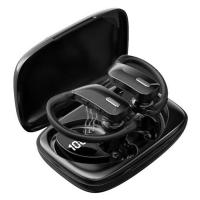
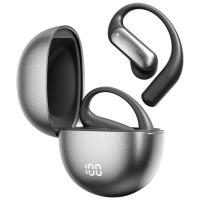
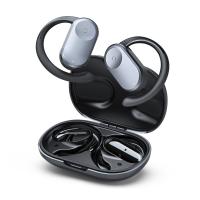
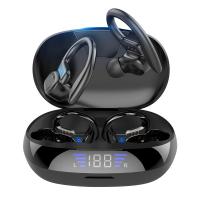
How Long Can Wireless Earbuds Last?
How long should you expect your earbuds’ batteries to last?
How long should you expect your earbuds’ batteries to last? it depends.
- a lot of factors can impact battery life—including how often you use your earbuds, how frequently you charge them and leave them plugged in, how often you expose them to extreme temperatures, and how often you take calls or use active noise cancellation (both of which draw a high amount of power).
- so the same pair that craps out on one person after two years might last another person closer to four years.
- but it’s only a matter of time before the technology grim reaper comes calling.
when you realize that the $200 earbuds you love may last you only three years with daily use, it can feel like a punch to the gut.
- i'd probably say that 3 years is around the upper limit if you're going to use them for multiple hours every day.
- the batteries in them will just go off after so many charge cycles.
- good wireless earbuds should last a 2+ years, the first thing to give out within them will be their battery life.
- this is considering you use the pair properly.
- 3 plus is usually expected though.
- depends on usage though.
The hard truth about rechargeable batteries
even if your bluetooth earbuds don’t physically break, their batteries will eventually lose their ability to charge.
- this isn’t due to an evil corporate plot.
- all rechargeable batteries eventually die.
- it’s just physics.
your bluetooth earbuds’ batteries will eventually stop being able to be charged, even if they don't physically break.
- there is no nefarious corporate scheme behind this.
- over time, all rechargeable batteries degrade.
- physical laws govern it.
- batteries gradually lose capacity as a coating of crystalline growth steadily covers the interior walls of the battery.
- the batteries' available juice gradually decreases with each full charge as a result of the aging process, which also causes an increase in electrical resistance.
why batteries die over time, and the short version is this: every time you recharge your earbuds, they get a little less listening time.
Why the battery usually can’t be swapped out
can’t just swap out the battery—it’s glued in, and getting to it effectively destroys whatever parts you might hope to salvage.
- the reason earbud companies use non-replaceable rechargeable batteries is simple: it makes the earbuds smaller.
- earbud buyers generally prefer more compact devices, but that means the earbuds have less room inside for all the necessary components.
- designers need to cram a bluetooth chip and processor, an antenna, a battery, drivers, controls, and microphones into something that’s often the size of a thimble.
- replaceable battery compartments require more earbud real estate, and in a competitive field where tiny is currently king, companies don’t want to risk their earbuds being flops by making them bigger.
the small size of true wireless earbuds may be great for comfort and convenience, but it doesn’t leave much room for a battery—and the smaller the battery, the shorter its lifespan.
Usage and features that affect battery life
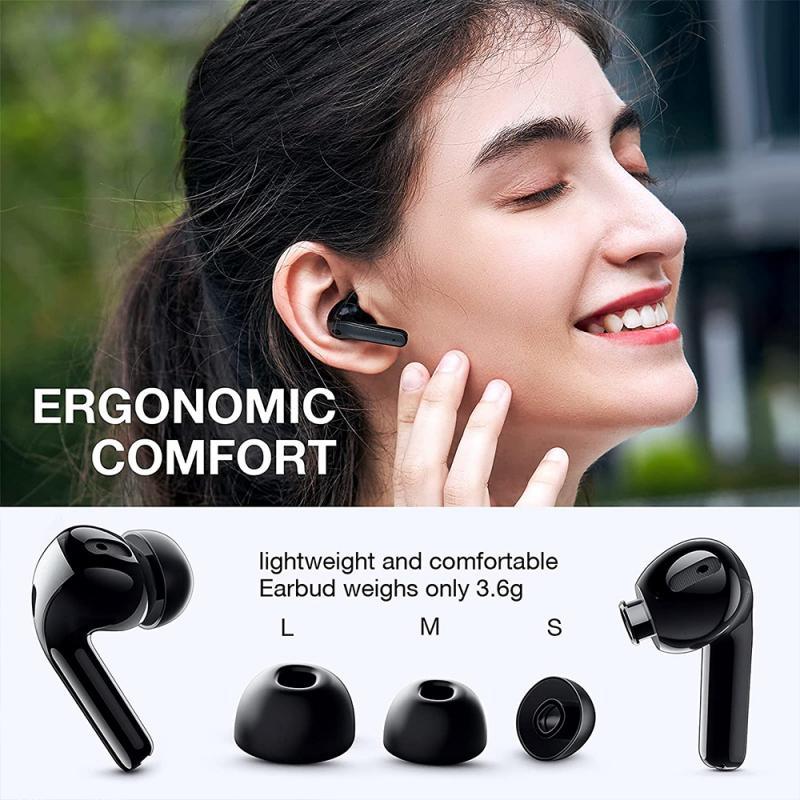
- battery life for true wireless earbuds will vary quite a bit depending on the buds themselves, your usage, and whether you're using battery-draining features, like active noise cancelling (anc) or lossless, high-quality audio streaming.
- that said, we usually consider a continuous battery life of over ten hours with anc enabled to be a good result.
- we're also seeing the release of new true wireless earbuds that support bluetooth le audio.
- these buds use new lc3 codecs to allow for more energy-efficient wireless audio transmission, resulting in even longer continuous battery life.
increasing battery capacity could, in theory, lengthen the headphones’ lifespan because you charge them less frequently. however, as we mentioned before, this requires following good charging practices.
- just don't let them die or get left out in the cold and you're fine.
- that's the theory. i'm not sure the lifespan difference would be that big though.
Wireless earbuds compared with wired headphones
this information may come as a shock to folks who are accustomed to the lifespan of wired headphones.
- i’ve known people who have owned traditional wired headphones for a decade or more, provided they did some mild maintenance now and again.
- then again, with the progression of technology, many people have grown accustomed to the obsolescence of their gear.
- they accept that phones and laptops aren’t lifelong purchases.
- for headphone lovers like me, the value per year of regular use may seem worth the purchase price.
wired earbuds are great for people who value sound quality, simplicity, and dependability.
- optional cordwired-only pair as a backup, knowing that they’ll likely outlive current bluetooth options by years.
What you can do
wireless earbuds, and i recommend them to people every day. but i also want to be a responsible global citizen. thankfully, there are some things that everyone can do to extend the life and value of their wireless-headphone purchases.
- sweet spot for storing lithium batteries is often in the middle, charged between 30% and 70%.
- just don't let them die or get left out in the cold and you're fine.
- increasing battery capacity could, in theory, lengthen the headphones’ lifespan because you charge them less frequently.
- however, as we mentioned before, this requires following good charging practices.