How Long Will A Trail Camera Last?
When it comes to trail cameras, one of the most common concerns among users is how long these devices last. Whether you're a wildlife enthusiast documenting the activity of animals in their natural habitat or a property owner using a trail camera for surveillance, understanding the camera’s lifespan and factors influencing it can help you get the most out of your investment. Let’s dive into the key points related to trail camera durability, performance lifespan, and the best practices to ensure that your camera stands the test of time.
Key Factors That Influence a Trail Camera’s Lifespan
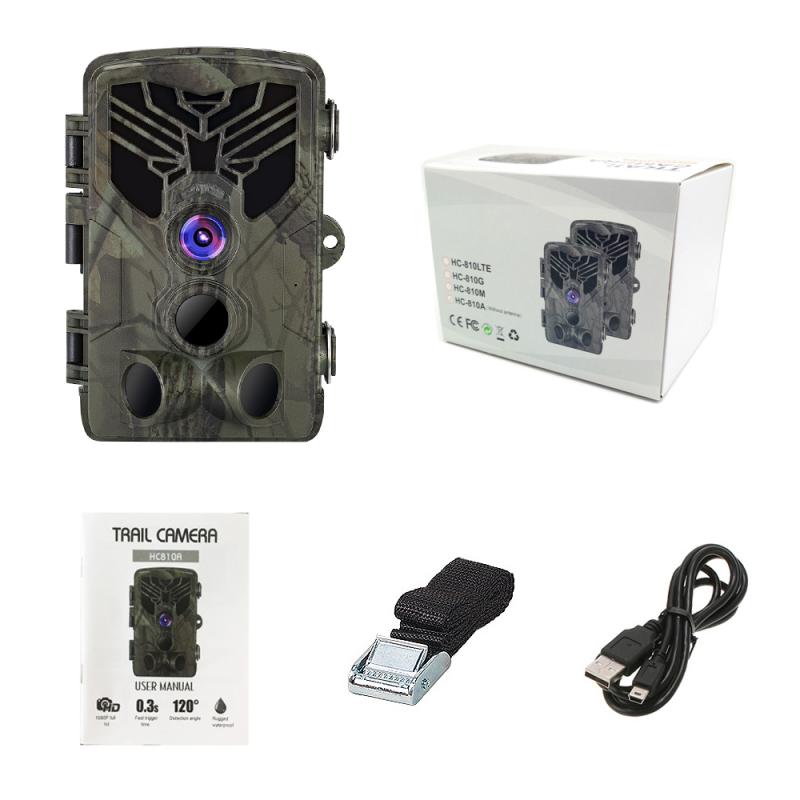
A trail camera isn't a “buy-it-and-forget-it” piece of gear. Several environmental, operational, and manufacturing factors affect how long the device will stay operational. While most trail cameras boast longevity, understanding these aspects will help you assess realistic expectations for your device's lifespan. Here are some of the critical factors:
1. Build Quality
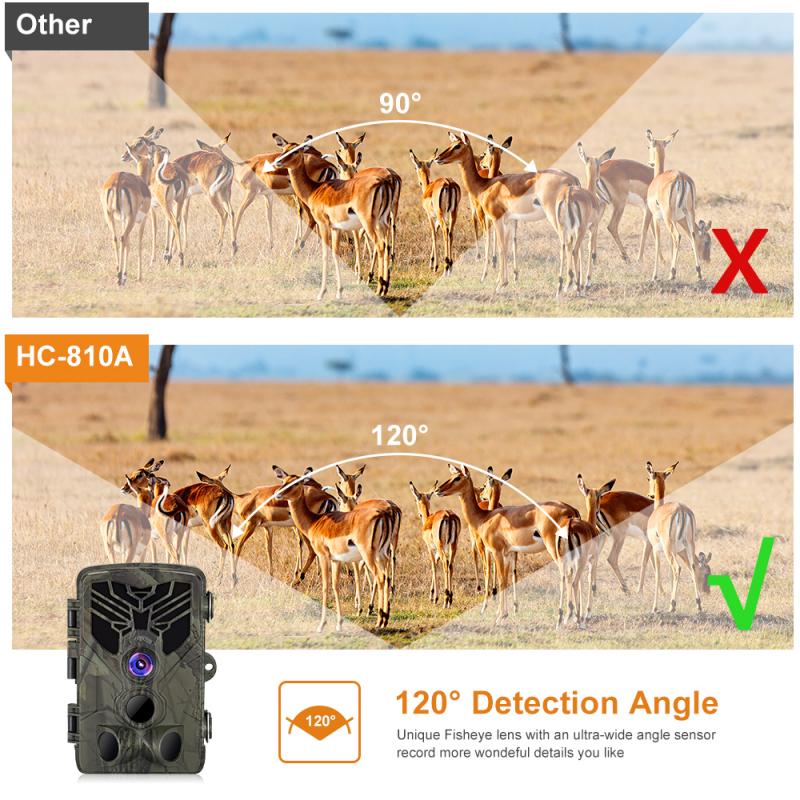
The materials and construction quality of your trail camera play a significant role in determining how long it lasts. Higher-end trail cameras often feature weather-resistant, durable casings designed to withstand rough conditions such as rain, snow, and extreme temperatures. Cheaper models may not include the same level of protection, making them more susceptible to damage over time.
2. Battery Life
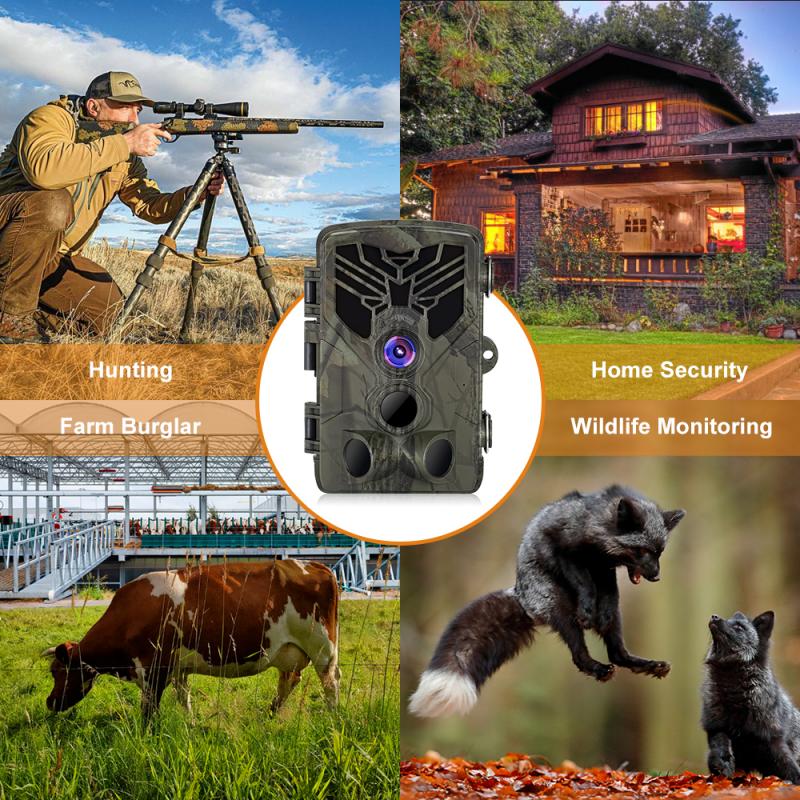
The battery is one of the most critical components of trail cameras. Most trail cameras use AA batteries, lithium batteries, or external power sources, and the type of battery you choose has a direct impact on how long your camera can function before needing a replacement. Lithium batteries tend to last longer and are better for cold weather, making them ideal for outdoor use.
Frequent activity detected by the camera can consume battery power quicker. Therefore, understanding settings like photo resolution, video duration, or motion detection sensitivity can help extend the device's battery runtime.
3. Usage Frequency
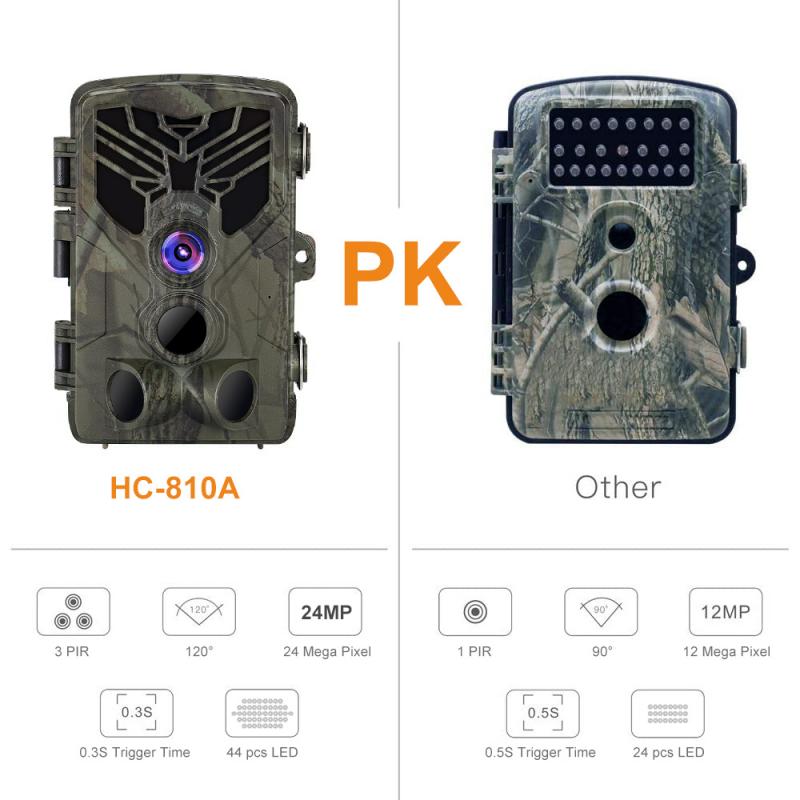
Trail cameras that are continuously operational or record high volumes of footage are more likely to experience wear and tear sooner than those used intermittently. Cameras left unattended for lengthy periods (especially if they’re set to capture video frequently or in high resolution) will naturally experience both faster battery depletion and potential hardware degradation.
4. Environmental Exposure
Weather conditions, humidity, and exposure to the elements greatly affect a trail camera’s lifespan. For instance, if a trail camera is positioned in a damp or humid location without sufficient waterproofing, internal components may corrode over time. Similarly, extreme heat or cold can affect the camera's circuitry.
5. Maintenance and Storage
Maintenance practices will significantly impact the camera's durability. Regularly cleaning the lens, checking for weather damage, and replacing batteries proactively can help your trail camera last for years. Improper storage during the offseason—such as leaving the camera in a hot car or a damp area—can also result in reduced lifespan.
Average Lifespan of a Trail Camera
For most modern trail cameras, the general lifespan varies between 3 to 5 years depending on the factors mentioned above. Cameras with premium features and better build quality often fall on the higher end of this range. Basic, budget models might struggle to last beyond three years, especially if used in harsh outdoor conditions.
Extending the Lifespan of Your Trail Camera
While it's impossible to make a trail camera last forever, there are numerous steps you can take to prolong the life of your device. Here’s how to ensure your trail camera remains operational for as long as possible:
1. Choose the Right Location
Positioning your camera in a suitable location is one of the most effective ways to protect it from environmental wear and tear. Avoid placing it in overly exposed areas prone to heavy rain, strong winds, or direct sunlight. Instead, seek locations with some natural cover, such as under trees or in shaded spots, to minimize exposure to environmental stressors.
2. Upgrade to Premium Batteries
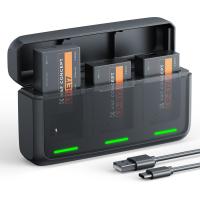
Your choice of batteries will greatly impact the longevity of your trail camera during use. Lithium-ion batteries are more reliable, particularly in extreme weather conditions. They also provide consistent performance for longer periods compared to alkaline batteries. Another option is solar-powered battery packs, which can keep the camera operational for months at a time.
3. Regularly Inspect and Clean
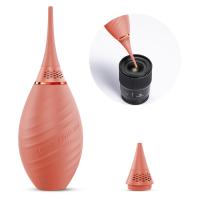
Dirt, dust, and water can infiltrate even well-protected trail cameras. Periodically inspect your device for signs of damage, such as cracks in the casing or moisture buildup inside. Clean the camera lens regularly with a microfiber cloth to ensure clear footage, and check the battery compartment for corrosion.
4. Use Weatherproof Accessories
Adding accessories such as camera housing cases or protective skins can provide an additional layer of protection against rain, snow, or temperature extremes. These accessories are particularly helpful in areas with unpredictable weather.
5. Adjust Camera Settings
Be mindful of the camera’s settings to reduce unnecessary wear. For example, lowering the motion detection sensitivity or extending the interval between shots can conserve battery life and reduce memory card usage. Similarly, limiting video recording to only essential events can reduce strain on the device.
6. Safeguard Storage in the Offseason
When your trail camera is not in use, store it in a dry, clean location away from extreme temperatures. Remove the batteries to prevent battery leakage, which could damage the internal components.
7. Update Firmware
Some trail cameras allow firmware updates to improve functionality and address issues. Staying up to date with manufacturer-recommended software updates can help maintain optimal performance and reliability.
Signs Your Trail Camera Might Be Failing
No matter how well you care for your trail camera, there will come a time when it begins to show signs of failure. Here are some indications that your trail camera is nearing the end of its lifespan:
Declining Image/Video Quality: Blurry or grainy images, even in good lighting conditions, can indicate that the camera lens or internal sensor is degrading.
Reduced Battery Efficiency: If your camera drains batteries unusually fast, it might mean that the internal circuitry is struggling.
Water Damage: Foggy lenses, condensation inside the device, or corrosion on electrical parts suggest that the camera is no longer adequately sealed.
Inconsistent Functionality: Missed shots, failure to detect motion, or system freezes imply internal issues that may not be fixable.
Physical Damage: Cracks or warping in the casing can compromise the camera’s ability to operate outdoors.
When these issues occur, it may be time to assess whether repairing the camera is viable or if a replacement is the better option.
When to Invest in a New Trail Camera
If your current trail camera is nearing the end of its usability or requires repairs that cost more than half the price of a new device, it’s typically more practical to upgrade. Advancements in trail camera technology occur frequently, and newer models often come with better resolution, battery life, storage, and weatherproof features.
When investing in a new trail camera, consider your usage needs and choose a product from a reputable brand that aligns with your durability expectations. Additionally, look for warranties or repair support as an added layer of security for your investment.
Trail cameras are valuable tools for outdoor exploration and property surveillance, but their lifespan is influenced by a variety of factors, including build quality, battery choice, usage patterns, and environmental exposure. While most trail cameras last between three to five years, diligent maintenance and strategic usage practices can extend their longevity. By taking steps such as upgrading to high-quality batteries, performing regular inspections, and using weatherproof accessories, you can ensure that your trail camera stays functional and reliable for as long as possible.
Remember, the key to getting the most out of any trail camera is proactive care and understanding its limitations. With the right approach, you can capture stunning wildlife images, monitor activity on your property, or enjoy peace of mind knowing your trail camera is working effectively season after season.