What Mounts Do Nikon Cameras Use?
Nikon cameras are widely praised for their versatility, durability, and high-quality photography. One of the key features that contributes to their popularity is the lens mount system, which allows users to attach various lenses designed for specific purposes. Nikon cameras utilize a variety of lens mounts depending on the model of the camera and its intended use. Choosing the right mount is essential for photographers seeking the best compatibility and performance. In this article, we’ll explore the types of mounts Nikon cameras use, what makes each unique, and when to use them to achieve your photography goals.
Understanding Nikon's Lens Mount Systems
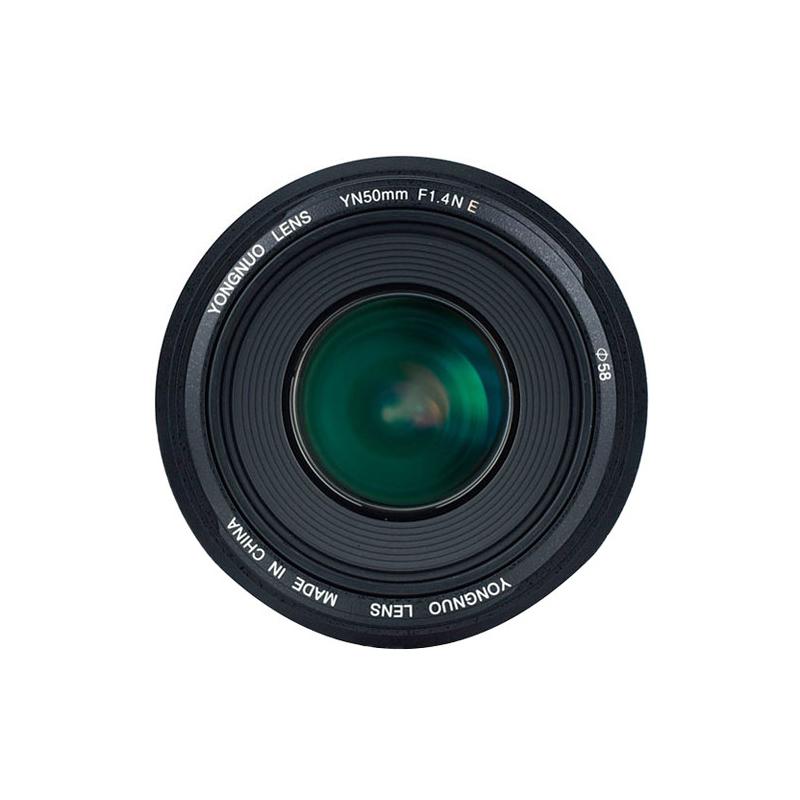
Nikon cameras use two primary lens mount systems: the F-mount and Z-mount. Both systems represent Nikon’s commitment to innovation and adaptability, meeting the varying needs of photographers, from amateur hobbyists to professional experts. Let’s delve into the details of each system.
The Nikon F-Mount
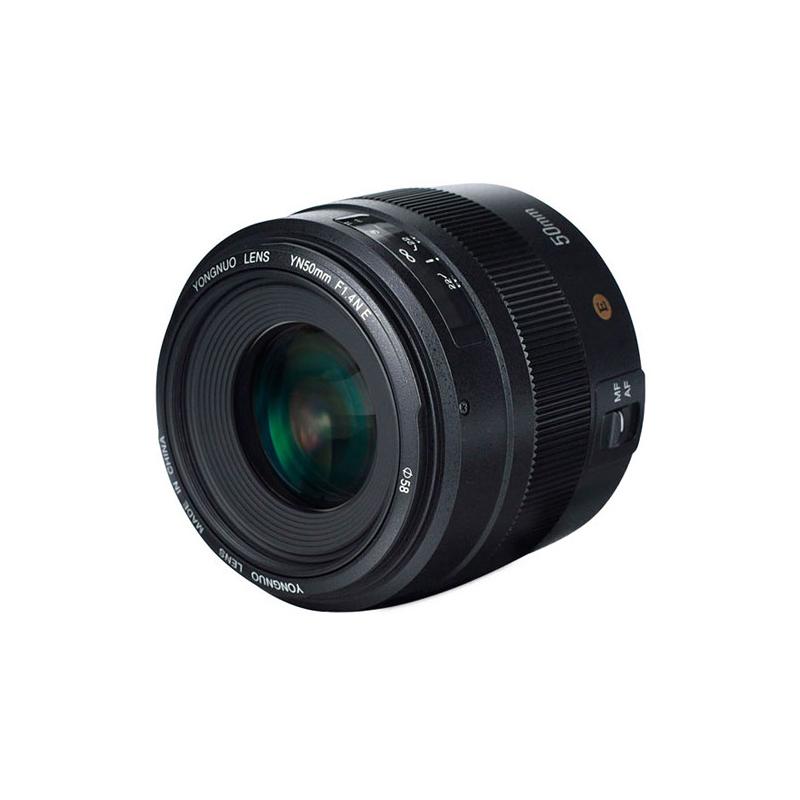
The Nikon F-mount is one of the oldest and most iconic lens mounts in camera history. Released in 1959, the F-mount was designed for Nikon’s film-based SLR cameras and later adapted for its DSLRs. Its longevity and compatibility with a vast range of lenses make it an enduring favorite among photographers.
Key Features:
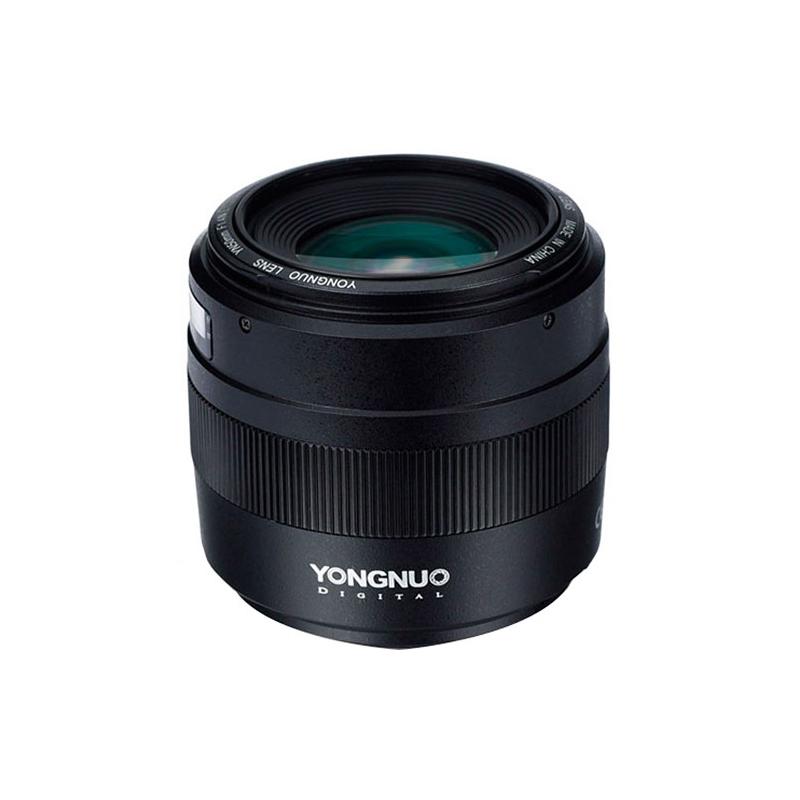
1. Physical Design: The F-mount's bayonet-type mount is characterized by a 44mm throat diameter and a 46.5mm flange distance (distance between the mount and sensor plane). This design ensures robust lens attachment while maintaining accurate focusing capabilities.
2. Compatibility: The F-mount supports hundreds of lens models, including many older lenses produced decades ago. Using the F-mount also means that photographers can explore the vast portfolio of Nikon optics ranging from macro to telephoto and everything in between.
3. Auto and Manual Focus Options: F-mount lenses can feature autofocus (AF systems) and manual focus. Nikon’s AF-S lenses have built-in focus motors for silent and swift focusing, while older manual lenses rely on physical adjustments.
4. DX vs. FX Compatibility: DSLR cameras feature DX-format (crop sensor) and FX-format (full-frame) sensors. F-mount lenses are often categorized as DX or FX compatible to match the corresponding camera format.
When to Use the F-Mount?
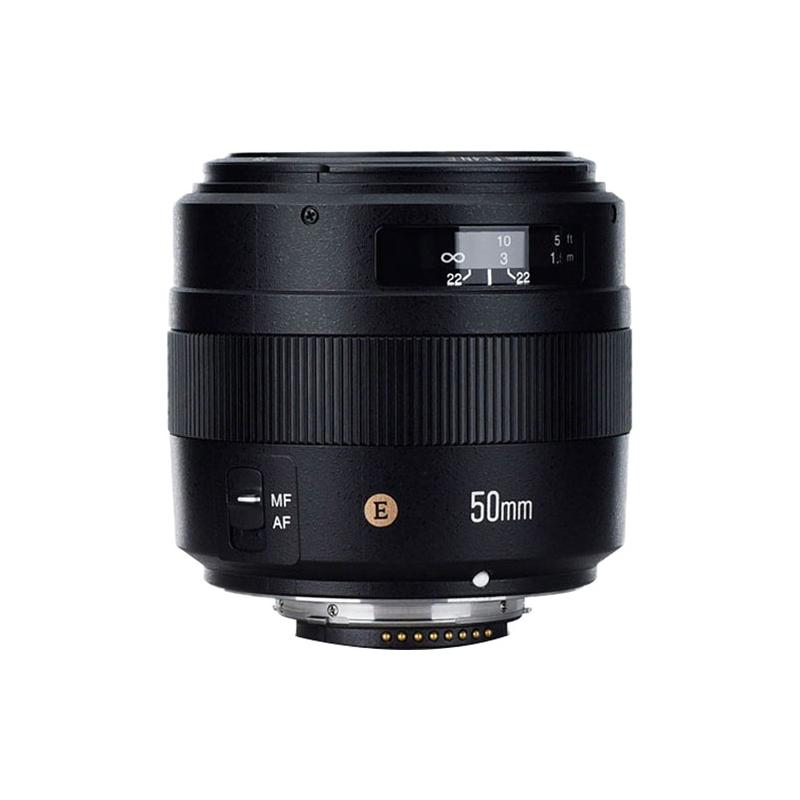
F-mount cameras and lenses are ideal for photographers who own older Nikon equipment, including DSLRs, and desire backward compatibility. Professionals who prefer the reliability of DSLR systems and an expansive range of F-mount lenses will find this option invaluable. It’s particularly suitable for genres such as wildlife photography, landscapes, portraits, and event photography due to the wide variety of lenses available.
The Nikon Z-Mount
Introduced in 2018, the Nikon Z-mount was built exclusively for Nikon’s mirrorless cameras. This more modern system represents Nikon’s leap into the mirrorless space, catering to photographers who desire cutting-edge technology and a compact form factor without sacrificing performance.
Key Features:
1. Physical Design: The Z-mount has a 55mm throat diameter and a shorter flange distance of 16mm. This combination enables Nikon mirrorless cameras to have improved optical performance, including brighter lenses and superior edge-to-edge sharpness.
2. Compatibility with Z-Lenses: Z-mount lenses are designed for the high-resolution sensors used in Nikon’s mirrorless cameras. These lenses are often sharper, lighter, and faster than their F-mount counterparts.
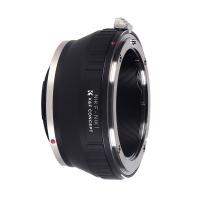
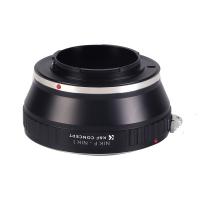
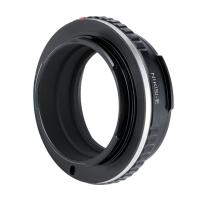
3. Backward Compatibility: Nikon developed the FTZ (F-mount to Z-mount) adapter, allowing photographers to use F-mount lenses on Z-mount cameras without losing significant functionality. This makes transitioning from F-mount to Z-mount seamless.
4. Advanced Technology: Z-mount cameras support enhanced features like in-camera image stabilization (IBIS), improved autofocus systems, and silent shooting modes. Meanwhile, Z-mount lenses often feature advanced coatings and elements for minimizing distortions and enhancing optical performance.
When to Use the Z-Mount?
Z-mount systems are ideal for modern photographers who want to embrace mirrorless technology. They are especially suited for high-resolution imaging, cinematic video recording, and travel photography due to their compact size and cutting-edge features. With the rise of mirrorless cameras, the Z-mount is considered the future of Nikon’s lens ecosystem.
Differences Between F-Mount and Z-Mount
Choosing between the F-mount and Z-mount lenses boils down to your camera model and your specific needs. Here are some considerations that highlight their differences:
1. Mount Size and Flange Distance: The Z-mount’s larger throat diameter and shorter flange distance result in brighter lenses and advanced optics compared to the F-mount.
2. Technology: Z-mount lenses and cameras generally incorporate newer technologies, such as edge-to-edge sharpness and advanced coatings. F-mount lenses, while compatible with newer DSLRs, lack some of the modern innovations found in Z-mount designs.
3. Camera Type: F-mount equipment is geared toward Nikon DSLRs, while the Z-mount caters to mirrorless cameras. If you’re transitioning to mirrorless, the FTZ adapter ensures you can still use F-mount lenses.
4. Weight and Size: Z-mount lenses and cameras are generally lighter and easier to carry compared to traditional DSLR systems, making them highly portable for travel and landscape photographers.
Selecting the Right Lens Mount for Your Needs
Photographers often wonder which lens system to invest in, especially when choosing between Nikon DSLR and mirrorless systems. Here are some key points to help guide your decision:
1. Budget: F-mount lenses are often more affordable due to their longer production history. If you’re on a budget and already own a DSLR, sticking with F-mount lenses may be wise. On the other hand, Z-mount systems involve a higher upfront cost but deliver greater technological benefits.
2. Future-Proofing: If you’re new to Nikon or planning for the long-term, investing in Z-mount systems might be smarter. Nikon is focusing more on mirrorless technology, which means Z-mount cameras and lenses will continue to evolve while F-mount development slows down.
3. Lens Portfolio: Consider the lenses available in each ecosystem. While F-mount offers vast versatility, Z-mount’s offerings are quickly expanding, with new lenses released regularly to meet growing demands.
4. Photography Style: Professionals shooting high-resolution imagery for commercial or creative purposes may benefit from the optical superiority of Z-mount equipment. Hobbyists or photographers active in niche genres like wildlife or sports may prefer the reliability and familiarity of F-mount lenses.
Understanding the type of mounts Nikon cameras use is crucial for selecting the right equipment to achieve your photography goals. The F-mount has stood the test of time, supporting generations of DSLR users and providing access to a treasure trove of optical choices. Meanwhile, the Z-mount reflects Nikon’s innovative approach to mirrorless cameras, delivering cutting-edge features and performance.
If you’re deciding between the two, ask yourself whether you’re rooted in Nikon’s traditional systems or eager to embrace the future of mirrorless photography. Whatever your decision, Nikon’s commitment to quality ensures that both F-mount and Z-mount lenses and cameras can deliver stunning results. Armed with this knowledge, you can confidently build your Nikon gear and take your photography journey to the next level.