What Is An Digital Slr Camera?
Understanding Digital SLR Cameras: A Comprehensive Guide
In the world of photography, the term "DSLR" is often thrown around, but for those new to the field, it can seem like a confusing jumble of letters. A Digital Single-Lens Reflex (DSLR) camera is a powerful tool that has revolutionized the way we capture images. Whether you're a budding photographer or simply curious about the technology, understanding what a DSLR camera is and how it works can open up a world of creative possibilities. In this article, we’ll break down the key features, advantages, and practical uses of DSLR cameras to help you make informed decisions about whether this type of camera is right for you.
What is a DSLR Camera?
A DSLR camera is a type of digital camera that combines the mechanics of a traditional single-lens reflex (SLR) camera with modern digital imaging technology. The "single-lens reflex" part refers to the camera's internal mirror system, which allows you to see exactly what the lens sees through the viewfinder. This is achieved by reflecting light from the lens up into the optical viewfinder using a mirror. When you press the shutter button, the mirror flips up, allowing light to hit the camera's image sensor and capture the photo.
The digital aspect of a DSLR refers to the use of an electronic sensor to capture and store images, as opposed to film in older SLR cameras. This combination of traditional and modern technology makes DSLRs versatile, reliable, and capable of producing high-quality images.
Key Features of DSLR Cameras
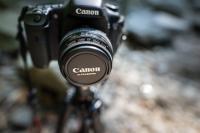
1. Interchangeable Lenses: One of the standout features of DSLR cameras is the ability to swap out lenses. This allows photographers to use different lenses for different scenarios, such as wide-angle lenses for landscapes, telephoto lenses for wildlife, and macro lenses for close-up shots.
2. Optical Viewfinder: Unlike point-and-shoot cameras or smartphones, DSLRs use an optical viewfinder that provides a real-time, true-to-life view of the scene. This is particularly useful in bright lighting conditions where electronic screens may be hard to see.
3. Manual Controls: DSLRs offer extensive manual control over settings like aperture, shutter speed, ISO, and white balance. This level of control allows photographers to fine-tune their shots for optimal results.
4. High Image Quality: Thanks to their large image sensors, DSLRs can capture more light and detail, resulting in high-resolution images with excellent dynamic range and low noise.
5. Fast Autofocus: DSLRs are known for their quick and accurate autofocus systems, making them ideal for capturing fast-moving subjects like sports or wildlife.
6. Durability and Battery Life: DSLRs are built to last, with robust bodies that can withstand challenging conditions. They also tend to have longer battery life compared to mirrorless cameras, as they rely less on electronic displays.
7. RAW Image Capture: DSLRs allow you to shoot in RAW format, which preserves all the image data captured by the sensor. This is invaluable for post-processing and editing.
Advantages of DSLR Cameras
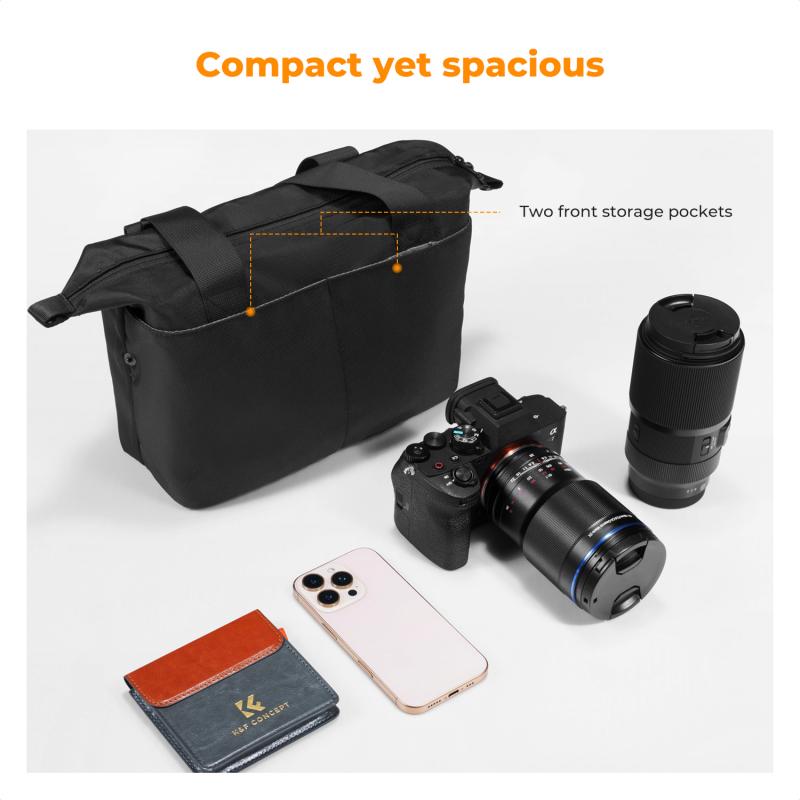
1. Versatility: With a wide range of lenses and accessories available, DSLRs can adapt to virtually any photography style or situation.
2. Professional Quality: The combination of high-resolution sensors, advanced optics, and manual controls makes DSLRs the go-to choice for professional photographers.
3. Depth of Field Control: DSLRs excel at creating images with a shallow depth of field, where the subject is in sharp focus while the background is beautifully blurred. This effect, known as "bokeh," is highly sought after in portrait photography.
4. Low-Light Performance: Thanks to their large sensors and the ability to use fast lenses, DSLRs perform exceptionally well in low-light conditions.
5. Longevity: Unlike smartphones or compact cameras, which may become obsolete within a few years, a good DSLR can serve you well for a decade or more with proper care.
Common Misconceptions About DSLR Cameras

1. DSLRs Are Only for Professionals: While DSLRs are popular among professionals, they are also suitable for beginners. Many entry-level models come with user-friendly features and automatic modes to help newcomers get started.
2. They Are Too Bulky: While it's true that DSLRs are larger and heavier than compact cameras or smartphones, their ergonomic design makes them comfortable to hold for extended periods. Additionally, the added weight often translates to better durability.
3. They Are Outdated: With the rise of mirrorless cameras, some people believe DSLRs are becoming obsolete. However, DSLRs still offer unique advantages, such as longer battery life and a wider selection of lenses, making them a viable choice for many photographers.
Choosing the Right DSLR Camera
If you’re considering purchasing a DSLR, here are some factors to keep in mind:
1. Skill Level: If you’re a beginner, look for an entry-level DSLR with intuitive controls and helpful features like guided modes. Examples include the Canon EOS Rebel series or the Nikon D3000 series.
2. Budget: DSLRs come in a wide price range, from affordable entry-level models to high-end professional cameras. Determine your budget and look for a camera that offers the best value for your needs.
3. Lens Compatibility: Consider the range of lenses available for the camera brand you choose. Canon and Nikon, for example, have extensive lens ecosystems.
4. Sensor Size: DSLRs come with either full-frame or crop sensors. Full-frame sensors offer better image quality and low-light performance but are more expensive. Crop sensors are more affordable and still deliver excellent results.
5. Additional Features: Look for features that align with your interests, such as built-in Wi-Fi for easy sharing, 4K video recording, or weather sealing for outdoor photography.
Practical Tips for Using a DSLR Camera
1. Learn the Basics: Familiarize yourself with the exposure triangle—aperture, shutter speed, and ISO—and how these settings affect your photos.
2. Experiment with Lenses: Start with a versatile kit lens, but don’t hesitate to explore other options as you gain experience. A 50mm prime lens, for example, is a great addition for portraits.
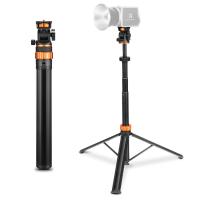
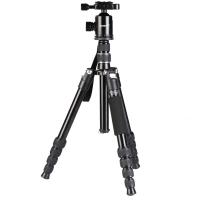
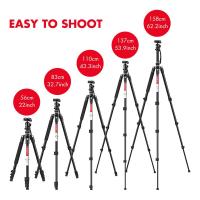
3. Use a Tripod: For long exposures or low-light photography, a tripod can help eliminate camera shake and ensure sharp images.
4. Shoot in RAW: While JPEG files are convenient, shooting in RAW gives you more flexibility in post-processing.
5. Practice, Practice, Practice: The best way to improve your photography skills is to practice regularly. Experiment with different settings, compositions, and lighting conditions to see what works best.
A DSLR camera is a versatile and powerful tool that can elevate your photography to new heights. Whether you’re capturing family memories, exploring creative projects, or pursuing a professional career, a DSLR offers the flexibility, control, and image quality to meet your needs. By understanding the features and advantages of DSLR cameras, you can make an informed decision about whether this type of camera is right for you. With practice and experimentation, you’ll soon discover the joy of creating stunning images that tell your unique story.