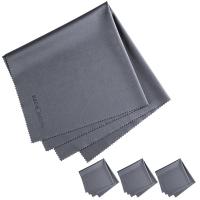
How To Clean Cleaning Cloth For Glasses?
If your glasses cloth has started smearing lenses instead of cleaning them, the cloth probably isn’t “worn out” — it’s usually loaded with skin oil, hand lotion, dust, or residue from lens sprays. A microfiber glasses cloth can last a long time, but only if you clean it the right way. The wrong wash method can leave it less effective, scratchy, or coated with detergent residue.
The good news: cleaning one is simple. The main rule is to keep it away from fabric softener, bleach, dryer sheets, and anything oily.
The safest way to clean a glasses cloth by hand

Hand washing is the best method for most microfiber lens cloths, especially the small cloths that come with prescription glasses, sunglasses, camera lenses, or screen protectors.
Use this method when the cloth feels greasy, leaves streaks, or has been sitting loose in a bag or pocket.
-
Shake the cloth out first
Give it a good shake over a trash can or sink. Tiny grit particles can cling to microfiber, and you don’t want to rub those back into the cloth while washing. -
Rinse with lukewarm water
Hold the cloth under lukewarm running water. Avoid hot water, especially with cheaper cloths, because heat can affect the fibers over time. -
Add a tiny amount of mild soap
Use a drop of mild dish soap or gentle hand soap. You only need a very small amount. Too much soap is one of the most common reasons a cleaned cloth still smears lenses afterward. -
Rub the cloth gently against itself
Work the soap through the cloth with your fingers. Pay attention to areas that feel slick or stiff. Don’t scrub it with a brush, and don’t wring it harshly like a towel. -
Rinse thoroughly
This is the part people rush. Keep rinsing until the water runs clear and the cloth no longer feels slippery. Any leftover soap can transfer to your lenses and cause haze. -
Air dry completely
Lay the cloth flat on a clean surface or hang it somewhere dust-free. Don’t use it while damp unless you’re deliberately wet-cleaning lenses, and don’t toss it back into a glasses case before it’s dry.
A clean microfiber cloth should feel soft and slightly grippy, not waxy or slick.
Can you machine wash a glasses cleaning cloth?
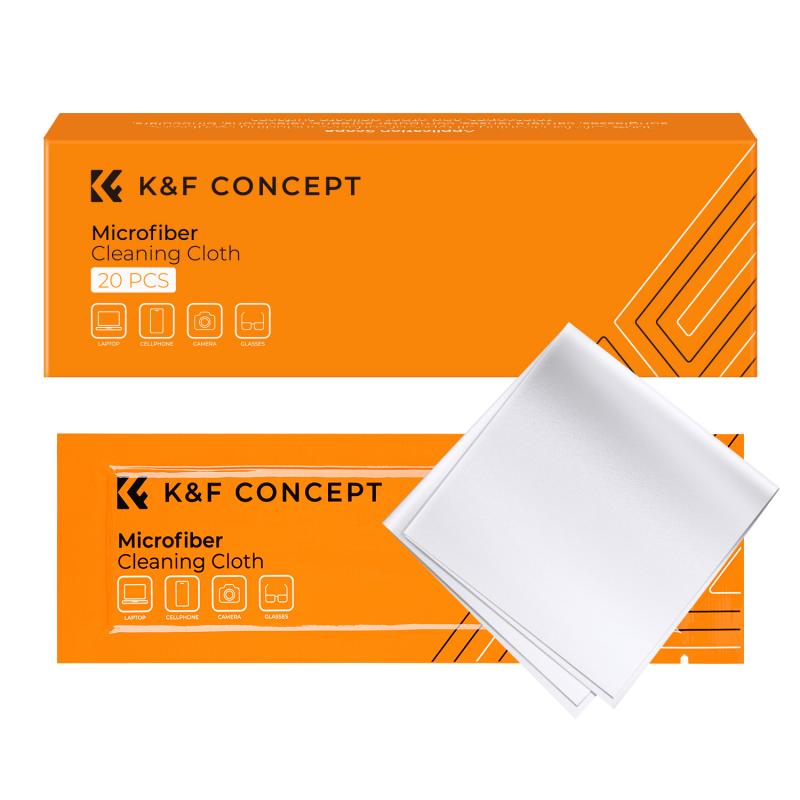
Yes, but do it carefully. Machine washing is fine if you have several microfiber cloths to clean at once, but it’s not worth running a load for one tiny cloth.
If you machine wash it:
- Wash microfiber cloths only with other microfiber or lint-free items.
- Use a small amount of mild detergent.
- Choose cold or warm water, not hot.
- Avoid fabric softener completely.
- Do not wash with cotton towels, fleece, socks, or lint-heavy clothing.
Microfiber attracts lint. If you wash your glasses cloth with bath towels, it may come out covered in tiny fibers that end up on your lenses. That’s also why a cloth can look clean but still leave annoying specks behind.
If your washing machine has a mesh laundry bag, use it. Small glasses cloths disappear easily into corners, sleeves, or the rubber seal around front-load washers.
Drying the cloth properly
Air drying is safest. Lay the cloth flat or hang it over a clean rack.
If you use a dryer, use low heat or no heat, and never add a dryer sheet. Dryer sheets leave a coating that makes microfiber worse at picking up oils and dust. After that, the cloth may glide over your lenses without actually cleaning them.
Also avoid drying the cloth on a dusty windowsill, a bathroom counter, or anywhere near hair products. Microfiber picks up particles easily, which is exactly why it works well — and why it needs a clean drying spot.
What not to use on a glasses cloth
A lot of cloths get ruined by products that seem harmless.
Avoid these:
- Fabric softener
- Dryer sheets
- Bleach
- Vinegar
- Heavy laundry detergent
- Moisturizing hand soap
- Dish soap with lotion or added oils
- Alcohol-based cleaners
- Window cleaner
- Paper towels for rubbing the cloth dry
Fabric softener and dryer sheets are the big ones. They coat the fibers and reduce their ability to grab oil. If your microfiber cloth suddenly smears everything after laundry day, softener is often the reason.
Vinegar is sometimes suggested for household microfiber, but I don’t like using it on lens cloths. It can help strip some residues, but it isn’t necessary for a small glasses cloth and may leave an odor if not rinsed well. Mild soap and thorough rinsing are usually better.
How often should you wash a glasses cloth?
For daily glasses wearers, washing the cloth once every week or two is reasonable. If you use face cream, sunscreen, makeup, hair spray, or work in a dusty place, wash it more often.
You’ll know it needs cleaning when:
- It leaves streaks on clean lenses.
- It feels greasy between your fingers.
- It smells musty or oily.
- It has visible dust or debris.
- It no longer removes fingerprints easily.
One mistake people make is cleaning their glasses perfectly, then wiping them with a dirty cloth from the bottom of a backpack. That cloth may have picked up crumbs, grit, or pocket lint. If there’s anything abrasive in it, you can scratch coatings over time.
How to store it so it stays clean longer
Storage matters almost as much as washing.
The best place for a glasses cloth is inside a clean glasses case or a small pouch. Don’t keep it loose in a pocket with keys, coins, makeup, tissues, or receipts. Paper dust and grit cling to microfiber quickly.
If your glasses case is dirty, clean that too. Cases collect face oil, dust, and tiny debris from frames. A clean cloth stored in a dirty case won’t stay clean for long.
For people who use glasses all day, it helps to keep more than one cloth around:
- One in your glasses case
- One at your desk
- One in your car or bag
- One spare at home
That way you’re not tempted to use your shirt, a napkin, or a tissue when the real cloth is missing.
Should you clean the cloth before using it on expensive lenses?
If the cloth is new and sealed, it’s usually fine to use right away. If it came loose in a case, sat in a drawer, or was included with an unknown accessory, washing it first is smart.
This matters more with lenses that have anti-reflective coatings, blue-light coatings, mirrored sunglass coatings, or camera filters. Those surfaces show streaks easily and can be more sensitive to gritty debris.
Before wiping any lens, check the cloth quickly. If you see crumbs, sand, metal dust, or anything sharp-looking, don’t use it until it’s washed.
What if the cloth still smears after washing?
If it still smears, it usually means one of three things:
First, there may still be soap in the cloth. Rinse it again under lukewarm water for longer than you think necessary, then air dry.
Second, the cloth may have been washed with fabric softener or dried with a dryer sheet. You can try washing it again with a tiny amount of plain dish soap, then rinsing thoroughly. Sometimes it recovers; sometimes the coating is stubborn.
Third, your lenses may be the issue, not the cloth. If your glasses have oil buildup around the nose pads or frame edges, a dry cloth just spreads that oil around. Wash the glasses themselves with lukewarm water and a drop of mild dish soap, rinse well, then dry with a clean microfiber cloth.
If the cloth feels rough, has embedded grit, or still performs badly after a proper wash, replace it. Microfiber glasses cloths are inexpensive, and using a questionable cloth on expensive lenses is not worth the risk.
A simple routine that works
For everyday use, rinse your glasses first if they’re dusty, then clean them with lens spray or mild soap and water. Use a clean microfiber cloth only after loose debris is gone. Wash the cloth by hand whenever it starts smearing, and store it somewhere protected.
A glasses cleaning cloth doesn’t need special treatment, but it does need clean fibers. Keep it free of oils, lint, and laundry additives, and it’ll clean far better than a shirt sleeve or tissue ever will.