Can You Drive With Headphones?
Can you drive with headphones on?
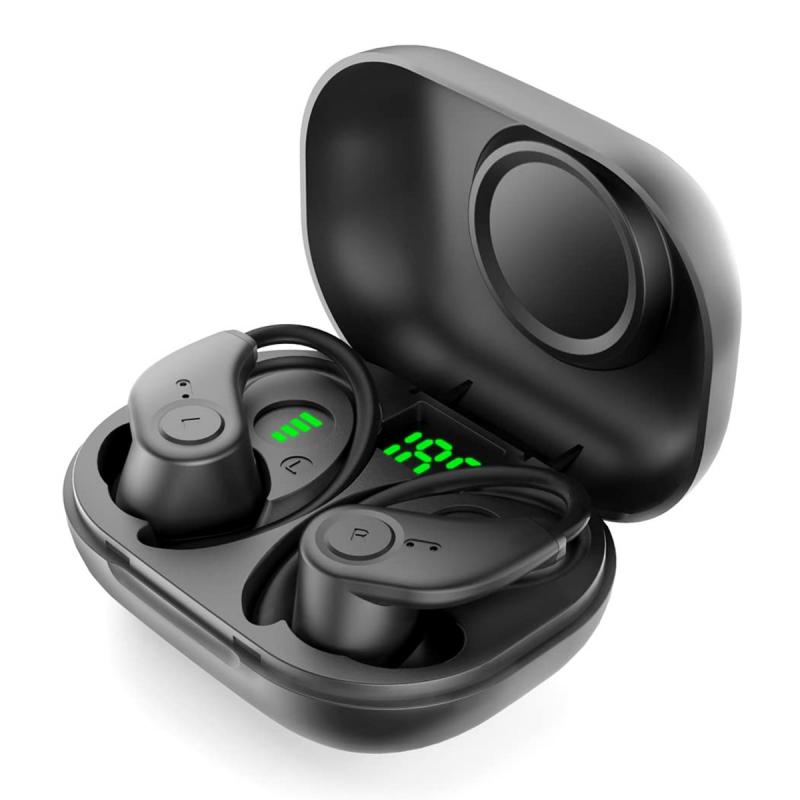
Sometimes, yes. Sometimes, no. It depends on where you’re driving and what kind of headphones you’re using.
In many places, driving with headphones is either restricted or illegal, especially if both ears are covered. Some states and countries allow one earbud, some allow headphones only for hands-free phone calls, and others don’t have a specific law against it but can still ticket you if the headphones contribute to unsafe driving.
The short version: driving with both ears covered is usually a bad idea, even where it’s technically legal. You lose access to sounds that matter on the road: sirens, horns, railroad crossings, motorcycles, cyclists, and mechanical noises from your own car.
Why headphones while driving can be a problem
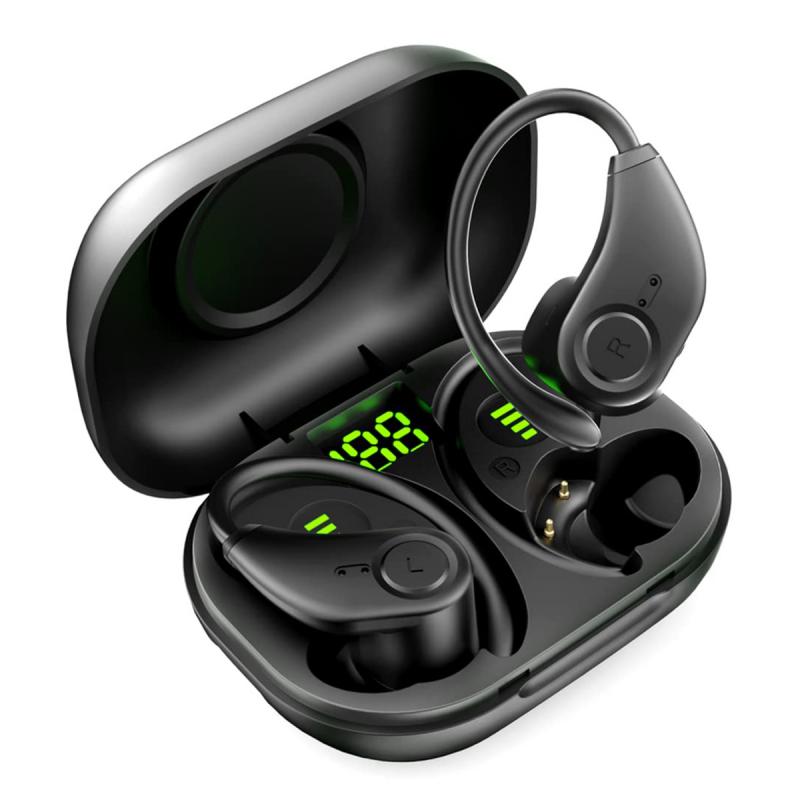
A lot of drivers think, “I can still see fine, so what’s the issue?” But driving is not only visual. Sound gives you early warnings.
You may hear an ambulance before you see it. You might notice a horn from a car in your blind spot. You may hear a truck’s air brakes, a motorcycle coming up beside you, or a tire starting to fail. Even small sounds can change how quickly you react.
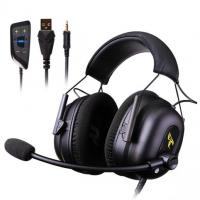
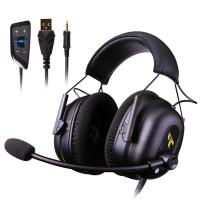
The other issue is isolation. Over-ear noise-canceling headphones can make the cabin feel like a private room. That’s nice on a plane. In traffic, it can make you less aware of what’s happening around you.
Earbuds can be less obvious but still distracting. If you’re listening to music, a podcast, or a call directly in your ears, your attention can drift more than it would with normal car audio. The problem gets worse if you’re adjusting volume, skipping tracks, reconnecting Bluetooth, or dealing with one earbud falling out.
Is it illegal to drive with headphones?
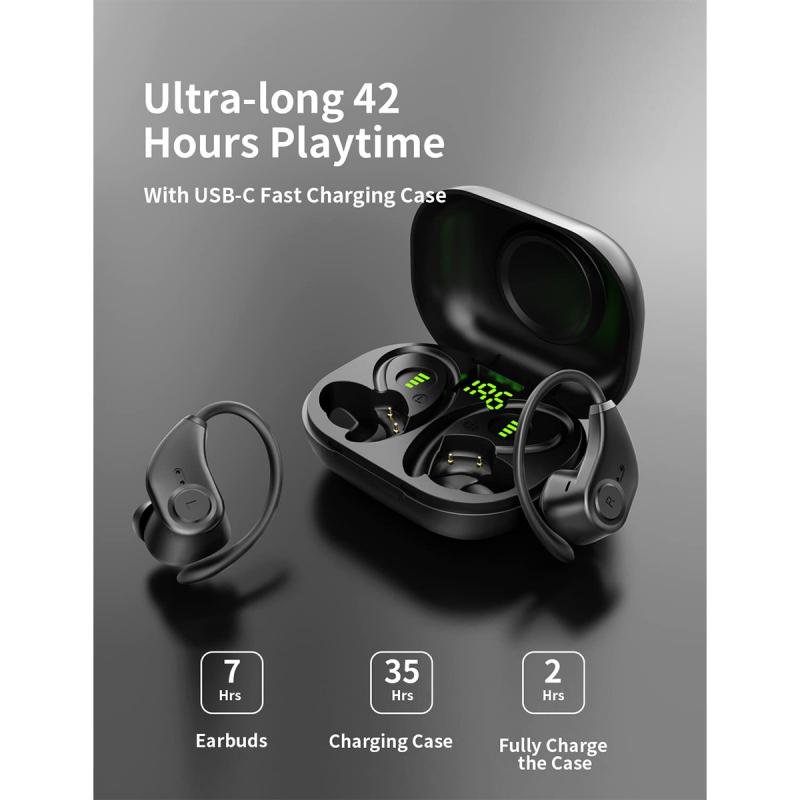
Laws vary a lot by location.
Some places ban headphones or earbuds in both ears while driving. Some allow a single earbud. Some make exceptions for hearing aids, motorcycle helmet audio systems, emergency personnel, or hands-free communication devices. Other places don’t directly ban headphones, but police can still cite you for distracted or careless driving if they believe the headphones affected your driving.
In the United States, this is handled mostly at the state level. For example, some states prohibit wearing headphones in both ears while operating a vehicle, while others allow it unless it interferes with safe driving. The details can be surprisingly specific, so relying on general internet advice is risky.
Outside the U.S., rules also differ. In some countries, wearing headphones while driving can lead to fines if it blocks surrounding traffic sounds or is considered distracted driving. Even if there is no headphone-specific rule, broader road safety laws may apply.
If you want the safest legal answer, check your local motor vehicle department, transport authority, or official traffic code. Search for terms like “headphones while driving,” “earbuds while driving,” or “driver hearing obstruction” along with your state, province, or country.
One earbud is usually safer than two, but not perfect

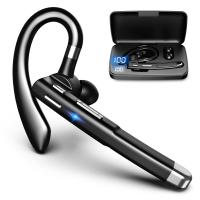
Using one earbud is often treated differently from wearing headphones over both ears. Many drivers use a single earbud for phone calls, navigation prompts, or work communication.
From a practical standpoint, one ear open is better than none. You can still hear traffic, sirens, horns, and sounds from your vehicle. But it still creates a split-attention situation, especially during phone calls.
Phone calls are more distracting than most people admit. Even hands-free calls can pull your mind away from the road because you’re processing conversation, forming replies, and sometimes imagining things being discussed. If you’re in light traffic on a familiar road, that may feel manageable. In a construction zone, heavy rain, city traffic, or a complicated merge, it becomes a real problem.
If you must use an earbud, keep it in one ear only, keep the volume low, and avoid long conversations. For navigation, short spoken directions through the car speakers are usually better.
Are noise-canceling headphones worse?
Yes, in most driving situations.
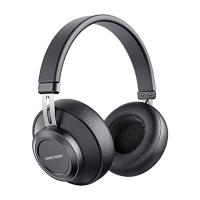
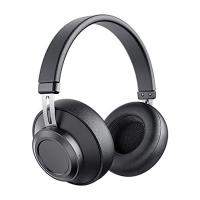
Noise-canceling headphones are designed to reduce outside noise. That’s exactly what you usually don’t want while driving. Active noise cancellation can soften engine noise, tire noise, horns, sirens, and other environmental cues. Over-ear models also physically cover the ears, adding more isolation.
Some headphones have transparency or ambient mode, which pipes outside sound through microphones. That’s better than full noise cancellation, but it still depends on electronics, battery level, microphone quality, wind noise, and volume settings. It can also make outside sounds feel less natural, which may affect how quickly you locate where a sound is coming from.
If you’re driving, noise cancellation should be off. Even then, over-ear headphones are not a great choice behind the wheel.
What about bone conduction headphones?
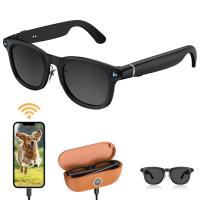
Bone conduction headphones are often seen as safer because they don’t block the ear canal. They sit near your cheekbones and leave your ears open.
They can be a better option than sealed earbuds or over-ear headphones, especially for low-volume navigation or brief calls. You still hear the road around you. Cyclists and runners often use them for that reason.
But they’re not a free pass. If the volume is high enough, they still compete for your attention. If you’re listening to a dense podcast, a meeting, or loud music, your brain is still occupied. Laws may also classify them differently depending on wording, so legality can still depend on location.
For driving, bone conduction is one of the less-bad headphone options, but car speakers are still the cleaner solution.
Better alternatives while driving
The best setup is usually the one built into the car.
Use Bluetooth through the vehicle speakers if your car supports it. Navigation prompts, calls, and audio will be easier to control, and you won’t block your hearing. Keep the volume at a level where you can still hear outside traffic.
If your car doesn’t have Bluetooth, a simple phone mount and speaker mode can work for navigation. There are also inexpensive Bluetooth adapters that plug into the aux port or connect through FM radio. They’re not glamorous, but they solve the main problem without putting sound directly into your ears.
For phone calls, use the car’s hands-free system if available. Keep calls short. If the conversation becomes emotional, complicated, or work-heavy, pull over. People often underestimate how much mental load a serious call adds.
For music or podcasts, car speakers are the safer choice. Podcasts can be deceptively distracting because they demand language processing. If you’re driving somewhere unfamiliar, parking downtown, merging in heavy traffic, or dealing with bad weather, silence is sometimes the smartest setting.
Common situations where headphones cause trouble
A driver wearing both earbuds may not hear an emergency vehicle approaching from behind until surrounding cars start moving aside. By then, the driver is reacting late and may block the lane longer than necessary.
In parking lots, headphones can hide small but important sounds: someone shouting, a child’s scooter, a cyclist crossing behind the car, or another vehicle backing out. Low-speed areas are not automatically low-risk.
On highways, headphones can mask changes in vehicle noise. A flapping underbody panel, tire vibration, grinding brake, or unusual engine sound might be the first sign that something needs attention. Drivers who always wear loud earbuds may miss those early warnings.
In city traffic, horns and verbal warnings matter. Not every hazard appears neatly in your windshield. A cyclist or scooter rider may be beside you, not in front of you.
If you already drive with headphones, reduce the risk
If you’re going to use them despite the drawbacks, make the setup as safe as possible.
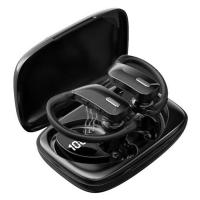
Use only one earbud, preferably in the ear away from the driver-side window so your road-side hearing stays open. Keep the volume low enough that you can hear a normal conversation in the car and traffic sounds outside it. Turn off noise cancellation. Avoid over-ear headphones completely.
Set up your audio before moving. Don’t pair devices, search playlists, answer app notifications, or troubleshoot Bluetooth while driving. If something disconnects, leave it alone until you stop.
Avoid headphones in heavy traffic, bad weather, construction zones, school zones, parking lots, and unfamiliar areas. Those are exactly the places where your hearing and attention matter most.
What if you use headphones for hearing protection?
This comes up with loud vehicles, older trucks, work equipment, or long highway drives. Regular headphones are not the right answer. If the vehicle is so loud that you feel you need hearing protection, the safer fix is to address the source of the noise or use equipment specifically allowed by your local rules.
For commercial drivers, workplace rules and transportation regulations may apply. Employers may also have their own policies. Wearing consumer headphones in a work vehicle can create liability problems after a crash, even if the local traffic law is unclear.
The practical answer
You may be legally allowed to drive with headphones in some places, especially with one earbud. But legality is only part of the decision.
For everyday driving, avoid wearing headphones in both ears. Don’t use noise-canceling headphones behind the wheel. If you need audio, use the car speakers or a hands-free system. If an earbud is unavoidable, use one ear only, keep the volume low, and save complicated calls or audio adjustments for when you’re parked.
Driving already asks enough from your eyes, hands, and attention. Keeping your ears available is one of the simplest ways to stay more aware of what’s happening around you.