What Is Surveillance Camera Control System?
Surveillance camera control systems are essential components in modern security setups, offering a cohesive and efficient solution for monitoring, managing, and controlling video surveillance technologies. These systems are widely utilized in industries, homes, public spaces, and government buildings for safety, crime prevention, and operational optimization. As technological advancements make surveillance solutions increasingly sophisticated, understanding the role and capabilities of surveillance camera control systems is crucial for anyone involved in security management.
What Is a Surveillance Camera Control System?

A surveillance camera control system is a software or hardware-based setup that allows users to manage multiple security cameras from a centralized platform. Essentially, it acts as the "brain" of the surveillance infrastructure, offering the tools necessary for camera configuration, operation, and maintenance. The ability to monitor multiple feeds, control camera movements, adjust settings, store footage, and analyze data is centralized in this single system.
The components of such systems may include:
1. Video Management Software (VMS): A robust interface for managing camera feeds, organizing video storage, monitoring live footage, and reviewing archived recordings.
2. Network Video Recorder (NVR) or Digital Video Recorder (DVR): Hardware devices responsible for storing video data from connected cameras.
3. Integrated Controls: Features like remote camera control, zooming, panning, tilting, and scheduling all cameras' operational behavior.
4. Command Center Interface: A user-friendly dashboard that provides real-time viewing, settings customization, and quick analysis.
5. AI and Analytics Integration: Some systems use AI tools for facial recognition, motion detection, behavior prediction, or crowd analysis.
Whether you’re deploying surveillance systems for residential, commercial, or public applications, a control system ensures the smooth and effective functioning of the cameras.
Key Features of Surveillance Camera Control Systems
Understanding the features available in surveillance camera control systems can help users choose the right product for their specific needs. Below are some key functionalities worth noting:
1. Remote Access and Monitoring
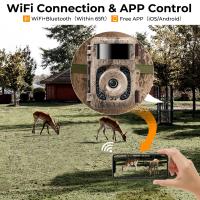
Modern systems allow for remote access, enabling users to monitor live feeds or recorded videos from anywhere. This feature is ideal for businesses with multiple locations or homeowners who travel frequently. Remote monitoring is typically facilitated via mobile devices, desktop software, or cloud platforms.
2. Integration with Other Security Systems
Some systems integrate seamlessly with access controls, alarms, motion detectors, and automated lighting systems to provide a holistic security framework. This creates a centralized ecosystem that enhances overall security efficiency and responsiveness.
3. Customizable Configurations
Surveillance systems often allow customization, such as setting up specific monitoring schedules, storage criteria, and alert triggers. For instance, users can receive notifications if unusual motion is detected during certain hours.
4. Camera Control Capabilities
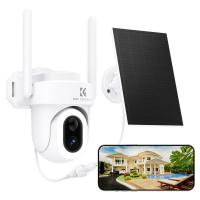
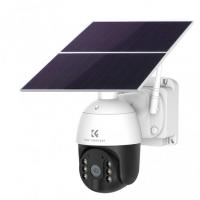
With pan-tilt-zoom (PTZ) functionality, users have the power to adjust camera views remotely to focus on different areas, zoom in for a closer look, and even follow subjects in motion—all from a single control system.
5. Data Storage and Backup
These systems manage vast amounts of video data and offer options like cloud-based storage and local device backups. Some systems incorporate redundancy mechanisms to prevent footage loss due to hardware failures. This ensures the integrity and availability of critical recordings.
6. AI and Advanced Analytics
Increasingly, control systems integrate artificial intelligence features such as facial recognition, license plate reading, intrusion detection, and more. With AI, surveillance systems can automatically detect threats, assess unusual behavior, and notify operators for timely action.
7. User Permissions and Role-Based Access
Administrators can assign role-based access to individuals managing the system, ensuring security and preventing misuse.
8. Real-Time Notifications and Alerts
Users can set up notifications based on customized triggers. For example, if motion is detected in a restricted area or an object is left unattended, the system can send an instant alert to the configured device.
9. Scalability
Surveillance camera control systems can be scaled depending on the needs. Whether you want to manage a few cameras in your apartment or hundreds across a business facility, scalability ensures adaptable growth.
Importance of Surveillance Camera Control Systems
In today’s security landscape, surveillance camera control systems are critical for reducing the risk of intrusion, theft, vandalism, and unwanted incidents. Here are some reasons why these systems matter:
1. Centralized Management
Rather than juggling multiple individual camera feeds and systems, a centralized control system consolidates all operations into one platform. This makes it easier to handle monitoring, troubleshooting, and reporting.
2. Enhanced Situational Awareness
With features like motion detection and AI analytics, these systems provide a real-time understanding of security risks and allow for swift action.
3. Streamlined Operations
Control systems help streamline the flow of information and data. For example, security officers can monitor footage from multiple camera angles at once, helping them make quicker decisions.
4. Data Protection and Compliance
Many industries are bound by regulations requiring the secure handling and storage of surveillance footage. A well-designed control system ensures compliance by providing encrypted storage and access controls.
5. Prevent Crime and Incidents
Being able to monitor and access footage instantly is a proven deterrent against criminal activities. Furthermore, video recordings can serve as evidence in investigations.
Considerations When Choosing a Surveillance Camera Control System
Selecting the right system depends largely on your specific requirements. Here are several factors to keep in mind:
1. Number of Cameras and Scale
Consider whether the system can scale to support the current and future number of cameras or locations.
2. Integration Possibilities
Evaluate whether the system integrates with existing security infrastructure like access controls, alarms, or environmental sensors.
3. Storage Options
Choose between cloud storage, on-premises storage, or hybrid setups depending on your data needs and budget.
4. Ease of Use
User-friendly interfaces and accessible remote controls are vital for quick decision-making in high-pressure security situations.
5. Budget and Cost
Surveillance control systems come in a variety of price ranges, depending on features, scalability, and analytics capabilities.
6. Supported Technologies
Ensure compatibility with camera types—whether analog or IP—and their specific functionalities like zoom or infrared.
7. Security Measures
Prioritize systems offering robust encryption, protection against cyber threats, and detailed user access permissions.
Common Challenges in Implementing Surveillance Camera Control Systems
Despite their efficacy, there are several challenges associated with deploying surveillance control technologies:
1. Compatibility Issues
Different camera manufacturers and security devices may use varying communication protocols. This can create integration challenges when setting up a centralized system.
2. Data Bottlenecks
Large-scale surveillance systems generate substantial data, which can strain servers and networks not optimized for handling such volumes.
3. Privacy Concerns
The presence of surveillance systems often raises privacy debates, especially in public areas. Balancing security with ethical considerations is a common challenge in this space.
4. Cyber Threats
Since many systems depend on online connectivity, they are exposed to potential hacking or unauthorized access. Implementing security measures like encryption protocols is critical.
The Future of Surveillance Camera Control Systems
With rapid advancements in AI, IoT, 5G connectivity, and cloud computing, surveillance camera control systems are becoming increasingly capable. For example, AI models can now analyze video data at scale to predict behavior, recognize faces in seconds, or detect unusual activities even in crowded spaces. Edge computing allows faster processing of information directly within individual cameras, reducing latency. And blockchain technology is being explored to enhance data integrity and security in surveillance recordings.
In the future, surveillance control systems are expected to integrate even broader capabilities, including enhanced predictive analytics, greater automation, and seamless interoperability with other smart building technologies.
Surveillance camera control systems embody a critical fusion of hardware and software, driving the effectiveness and resilience of security frameworks across various sectors. From real-time monitoring to automated analytics and integration with broader security tools, these systems provide users with unparalleled control and peace of mind. For businesses, property owners, and governments, choosing the right surveillance system is essential not only for maintaining safety but also for achieving operational efficiency and compliance.
Understanding the core features, importance, and challenges of surveillance systems will help you make informed decisions as security technologies continue to evolve. Whether you are managing a small residential setting or a vast commercial network, investing in a modern, scalable, and robust surveillance camera control system is an indispensable step in safeguarding