What is A Variable ND Filter? The Complete Guide to Mastering Exposure Control
Whether you’re a landscape photographer, filmmaker, or travel vlogger, you’ve probably faced this classic challenge — too much light ruining your perfect shot. That’s where the variable ND filter steps in. It’s one of the most versatile tools in any camera kit, helping you take creative control of light, exposure, and motion.
In this ultimate guide, we’ll explain what is a variable ND filter, how does a variable ND filter work, when to use variable ND filter, and how to use variable ND filter effectively. By the end, you’ll know why it’s essential for professional photography — and how the best variable ND filter from K&F Concept can instantly elevate your visual storytelling.
What is a Variable ND Filter?
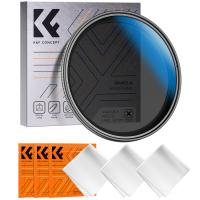
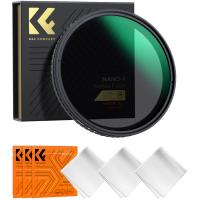
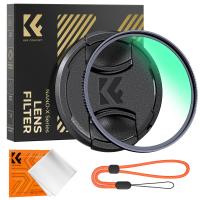
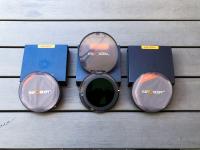
A variable ND filter (short for “variable neutral density filter”) is a camera accessory that allows you to control the amount of light entering your lens. Unlike fixed ND filters, which provide a single level of light reduction, a filter variable ND lets you adjust the intensity by rotating the front ring of the filter.
Imagine it like sunglasses for your camera, but adjustable. By twisting the ring, you can make your image brighter or darker without changing your aperture, ISO, or shutter speed — giving you total exposure control.
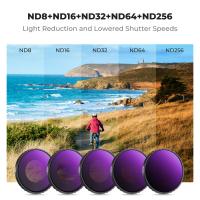
This is especially useful when shooting in bright conditions, such as midday landscapes, beaches, or snow scenes. Instead of swapping between multiple filters, a single variable ND filter covers multiple ND stops — typically ranging from ND2 to ND400 or beyond.
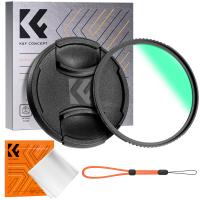
The result? Fewer accessories, more creative freedom, and consistent color accuracy if you choose a high-quality model like the K&F Concept Variable ND Filter.
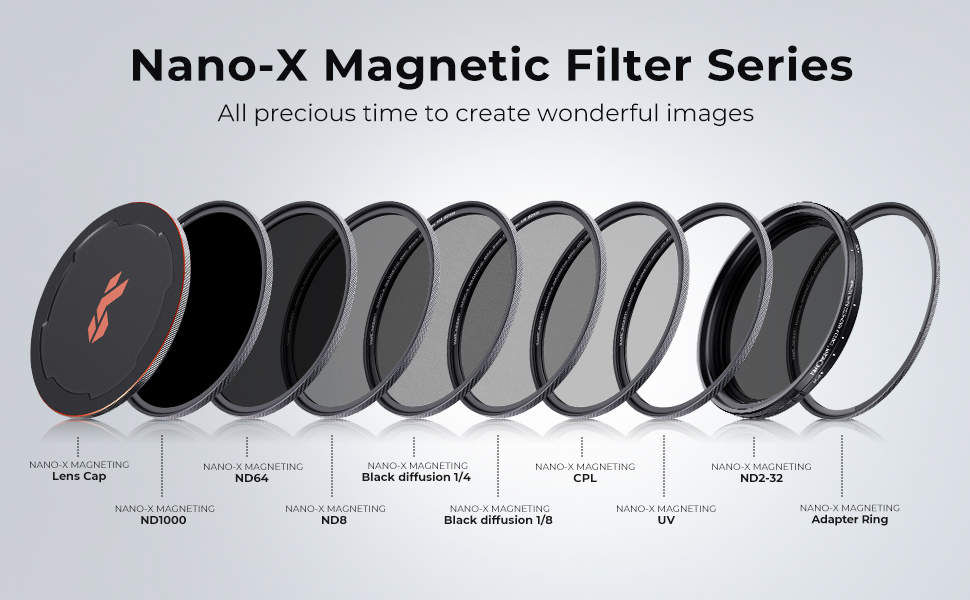
How Does a Variable ND Filter Work?
So, how does a variable ND filter work? The science behind it is simple yet clever.
A variable ND filter consists of two polarizing layers mounted together. When you rotate the outer ring, it changes the alignment of these layers, controlling how much light passes through.
l When the polarizers align, more light enters the lens.
l When they oppose each other, less light gets through.
This rotational design gives you variable light reduction, allowing you to adjust exposure continuously — from a light ND2 to a dark ND400 — without removing or replacing the filter.
That’s the key to how does a variable ND filter work — it uses polarization to regulate light transmission. Unlike fixed filters, which are limited to one density, a filter variable ND provides a flexible range of exposure control, ideal for dynamic environments where light changes quickly (like outdoor video shoots or travel photography).
Professional videographers love this feature because it allows them to maintain the 180° shutter rule (shutter speed = 2× frame rate) while keeping perfect exposure. For instance, if you’re shooting 4K at 30fps, you can keep your shutter speed at 1/60s and simply rotate your variable ND filter to balance the light.
When to Use Variable ND Filter ?
Now that you know what is a variable ND filter and how does a variable ND filter work, let’s discuss when to use variable ND filter for maximum impact.
A variable ND filter is most effective in bright lighting conditions when you want to achieve specific creative effects without compromising image quality.
1. When Shooting in Bright Sunlight
Bright sunlight can easily overexpose your images. A filter variable ND lets you reduce light and shoot wide open (like f/1.8 or f/2.8) to create beautiful background blur.
Perfect for outdoor portraits or cinematic scenes.
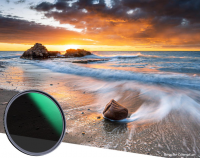
2. For Long Exposure Photography
Ever admired those dreamy waterfalls or smooth ocean waves? Those are shot using slow shutter speeds.
By using a variable ND filter, you can extend your exposure time — capturing motion blur while maintaining balanced highlights and shadows.
3. For Cinematic Video Recording
Videographers rely on the best variable ND filter to maintain correct motion blur at consistent shutter speeds.
When lighting conditions change during a shoot, rotating your variable ND filter helps you adapt instantly without touching camera settings.
4. For Drone or Action Camera Shooting
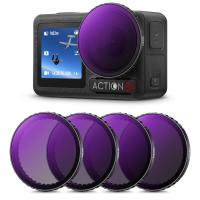
Drones often fly under intense sunlight. A lightweight variable ND filter keeps your aerial footage perfectly exposed and cinematic, even when flying through varying light conditions.
In short, when to use variable ND filter → use it anytime you need consistent exposure, smoother motion, or creative depth of field in bright light.
How to Use Variable ND Filter?
Knowing how to use variable ND filter properly ensures sharp, color-accurate, and professional-looking results. Here’s how to master it:
Step 1: Mount the Filter
Screw your variable ND filter onto the lens thread (make sure the diameter matches your lens).
High-quality filters like K&F Concept Variable ND Filter have precision threads for a secure fit and smooth rotation.
Step 2: Compose and Set Base Exposure
Before adjusting the filter, set your camera to your desired aperture, ISO, and shutter speed. This helps you understand how much light needs to be reduced.
Step 3: Rotate to Adjust Light
Turn the outer ring of your filter variable ND to darken the scene gradually.
Most filters are marked from “MIN” to “MAX,” representing the light reduction range. Adjust until the histogram or exposure looks balanced.
Step 4: Watch Out for the X-Pattern
Cheaper filters may produce a dark “X” (cross polarization) when rotated to the extreme.
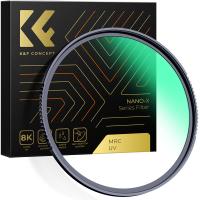
That’s why professionals choose the best variable ND filter, like K&F Concept’s Nano-X series, which minimizes this artifact and maintains even light reduction.
Step 5: Check Color Balance
A top-tier variable ND filter should not cause color cast or sharpness loss. If you notice color shift, fine-tune the rotation slightly or use custom white balance.
Once you understand how to use variable ND filter, it becomes an intuitive part of your workflow — giving you freedom to shoot anytime, anywhere, without worrying about overexposure.
Why You Need the Best Variable ND Filter?
A professional-grade variable ND filter gives you flexibility, efficiency, and superior image control. Here’s why every creator should invest in one:
1. Convenience: Replace an entire ND filter set with one filter variable ND.
2. Creative Control: Adjust exposure in real time without changing camera settings.
3. Versatility: Ideal for photography, videography, and drone footage.
4. Image Quality: The best variable ND filter maintains sharpness, contrast, and color neutrality.
5. Cost-Effective: One high-quality variable ND filter can serve multiple lenses via step-up rings.
K&F Concept’s best variable ND filters use multi-coated optical glass and CNC aluminum frames, ensuring smooth rotation, minimal vignetting, and perfect exposure balance — trusted by professionals worldwide.
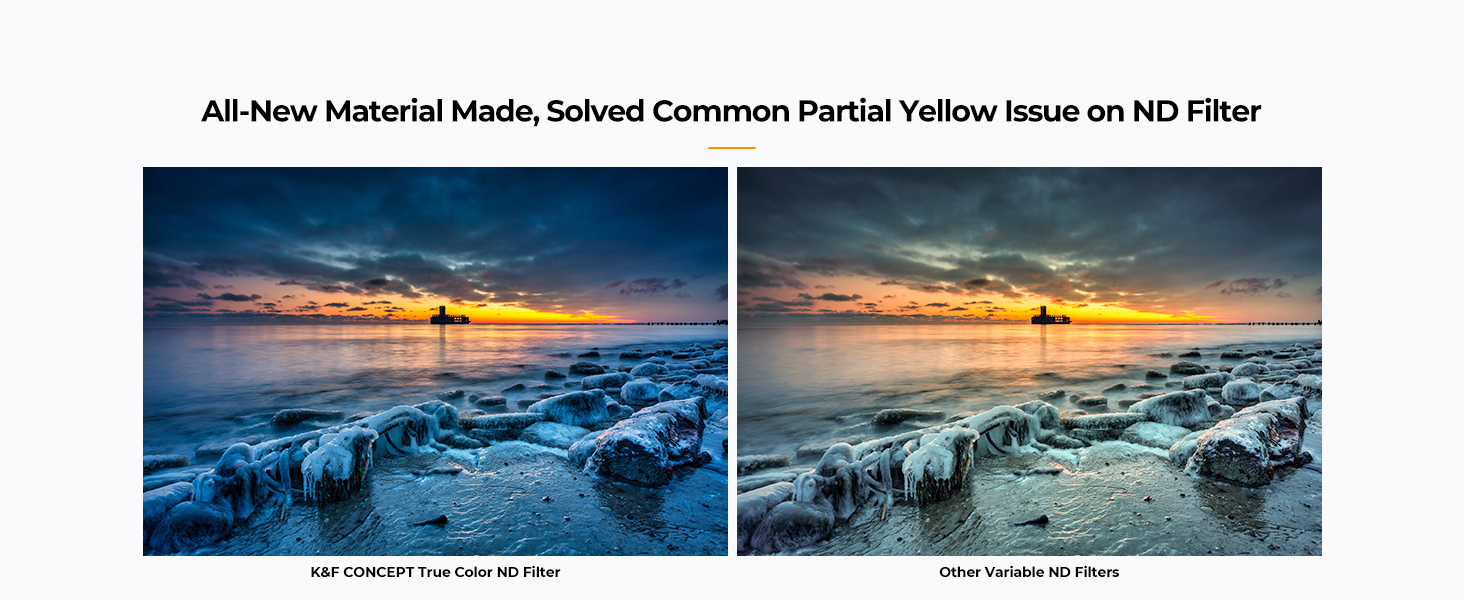
Fixed ND Filter vs Variable ND Filter
Here’s how a variable ND filter compares to traditional fixed ND filters:
Feature | Fixed ND Filter | Variable ND Filter |
Light Reduction | One level (e.g., ND8) | Adjustable (ND2–ND400) |
Convenience | Need multiple filters | One filter covers all |
Speed of Use | Slower (must change filters) | Faster (just rotate) |
Cost | Multiple filters needed | One investment |
Ideal For | Controlled environments | Outdoor and run-and-gun shooting |
For photographers who work in unpredictable lighting, the variable ND filter is the smarter, more efficient choice.
Common Mistakes to Avoid
Even with the best variable ND filter, beginners can make mistakes that affect results. Here’s what to avoid:
❌ Using the maximum ND range too often — can cause uneven exposure.
❌ Ignoring lens compatibility — always match the filter thread size.
❌ Forgetting to clean the filter — dust or smudges can cause flares.
❌ Buying low-quality filters — they cause color shifts and image softening.
Stick to trusted brands like K&F Concept, which offers precise optical coatings and excellent build quality, ensuring you always get the most out of your filter variable ND.
Conclusion: Bring Your Vision to Life with a Variable ND Filter
A variable ND filter isn’t just a photography accessory — it’s a creative tool that lets you take full control of light. Whether you’re a photographer capturing golden-hour landscapes or a filmmaker shooting outdoor scenes, it helps you achieve the perfect exposure every time.
You now know:
l What is a variable ND filter
l How does a variable ND filter work
l When to use variable ND filter
l How to use variable ND filter effectively
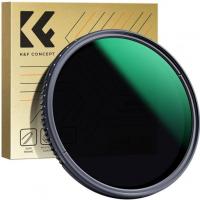
So, if you want to enhance your photography, it’s time to invest in the best variable ND filter — like the K&F Concept Variable ND Filter ND2–ND400. It’s built with premium optical glass, nano coatings, and precision frames that ensure professional performance in every shot.