How To Buy A Security Camera System?
When it comes to purchasing a security camera system, the options can be overwhelming. You need to understand several considerations and navigate choices such as camera types, system configurations, and installation nuances. Whether you’re looking to secure your home, business, or another facility, this guide aims to empower you with the knowledge you need to select and buy the ideal security camera system.
Why Do You Need a Security Camera System?
Before making a purchase, it’s critical to define your needs. Are you looking to deter break-ins, monitor property remotely, or record activities for legal and safety reasons? The purpose of your security camera system will dictate your requirements regarding features such as video resolution, coverage angles, and night vision capabilities.
Define Your Budget
Your budget can significantly influence your choice of security camera system. Prices range from basic systems suitable for small homes to advanced setups designed for businesses or expansive properties. When considering your budget, keep in mind that additional costs such as installation, cloud storage, or maintenance may be involved.
Key Features to Consider
Security camera systems vary in functionality and design, so here are the features you need to look for:
1. Camera Type
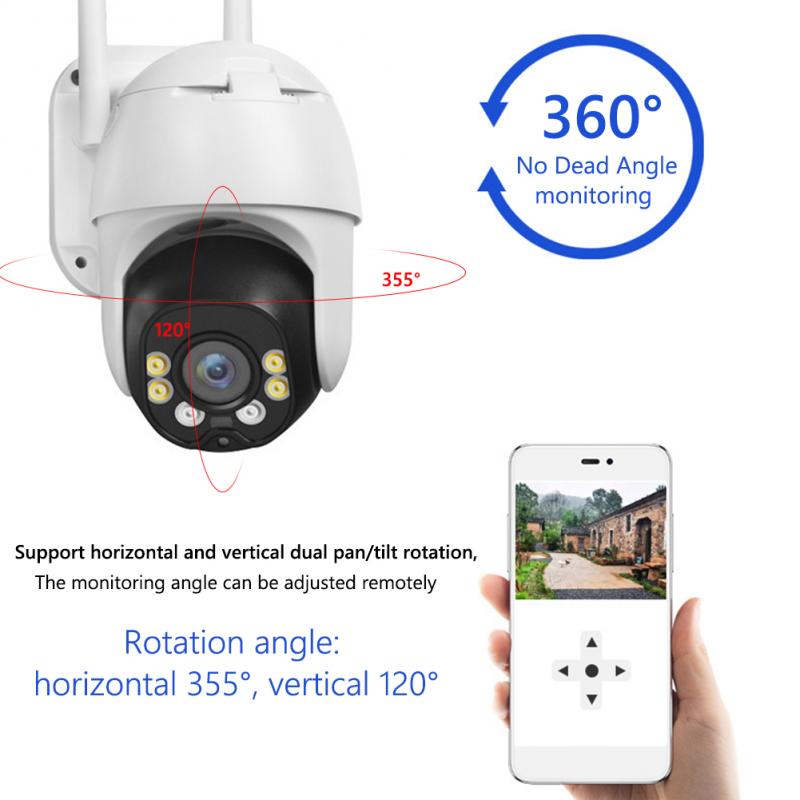
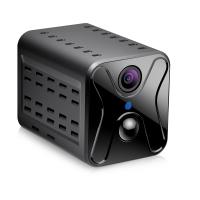
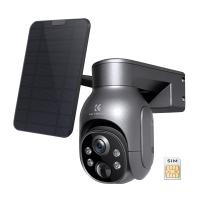
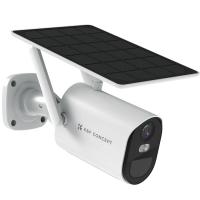
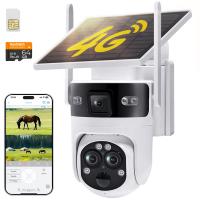
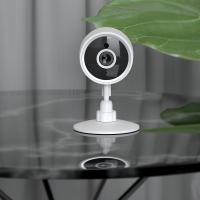
Cameras come in several types: indoor cameras, outdoor cameras, wireless models, wired models, and dome cameras. If you’re primarily focused on indoor surveillance, compact cameras with a lower weatherproof rating may suffice. For outdoor coverage, you’ll want cameras that can withstand harsh weather conditions while providing a wide field of view.
2. Resolution and Image Quality
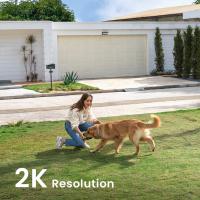
A lower-resolution camera may miss critical details such as faces or license plate numbers. It’s ideal to opt for at least 1080p HD resolution for clear footage, though options like 4K cameras are becoming increasingly popular for high-accuracy monitoring.
3. Night Vision
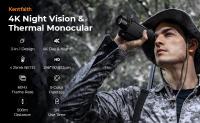
Night vision capabilities or infrared LEDs are critical for capturing footage in dark or low-light conditions. Some cameras also offer color night vision, providing more vivid and detailed images during nighttime.
4. Field of View and Coverage
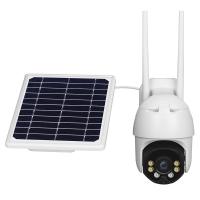
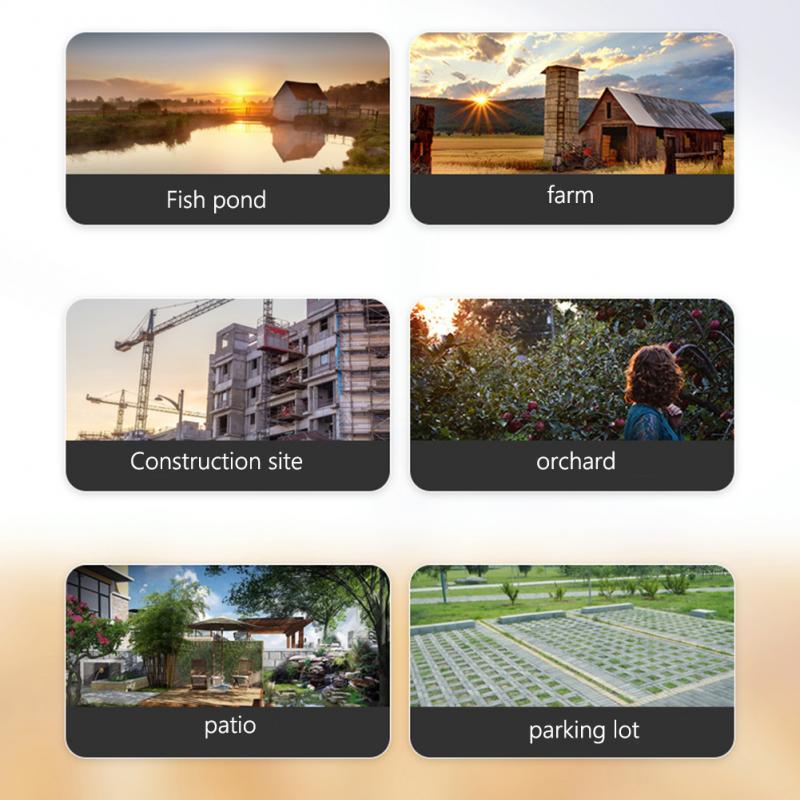
Wide-angle cameras are suitable for monitoring larger areas (e.g., parking lots or backyards). Assess your property and determine how much coverage is necessary. Pan-tilt-zoom (PTZ) cameras are a great option if you want flexible coverage controlled remotely.
5. Storage Options
Footage storage can be managed in several ways. Some systems store data locally on DVRs or SD cards, while others offer cloud storage accessible online. Cloud systems often come with subscription fees, but they provide convenience and scalability when you need access from anywhere.
6. Connectivity
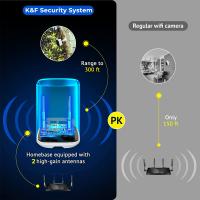
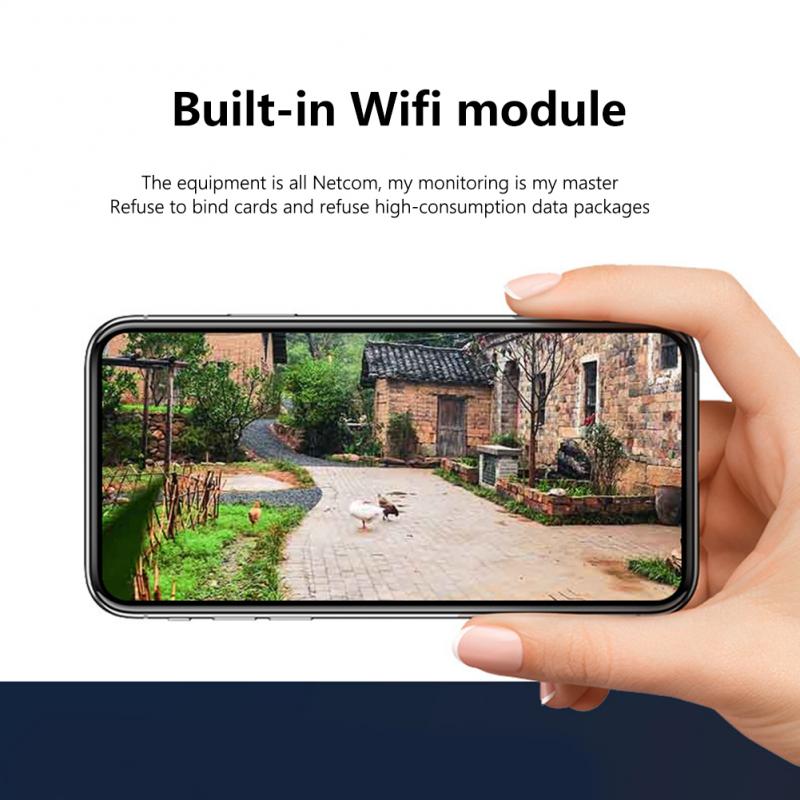
Wireless (Wi-Fi) cameras offer flexibility, especially for those renting a property or avoiding messy installations. However, wired cameras offer a more persistent and stable connection for uninterrupted surveillance.
7. Smart Integration
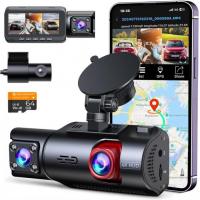
Modern camera systems often integrate with apps, allowing users to view footage, receive alerts, and store recordings. If you already use smart home devices like Alexa or Google Assistant, opt for cameras compatible with these systems for streamlined functionality.
8. Power Supply
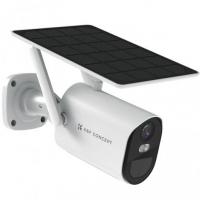
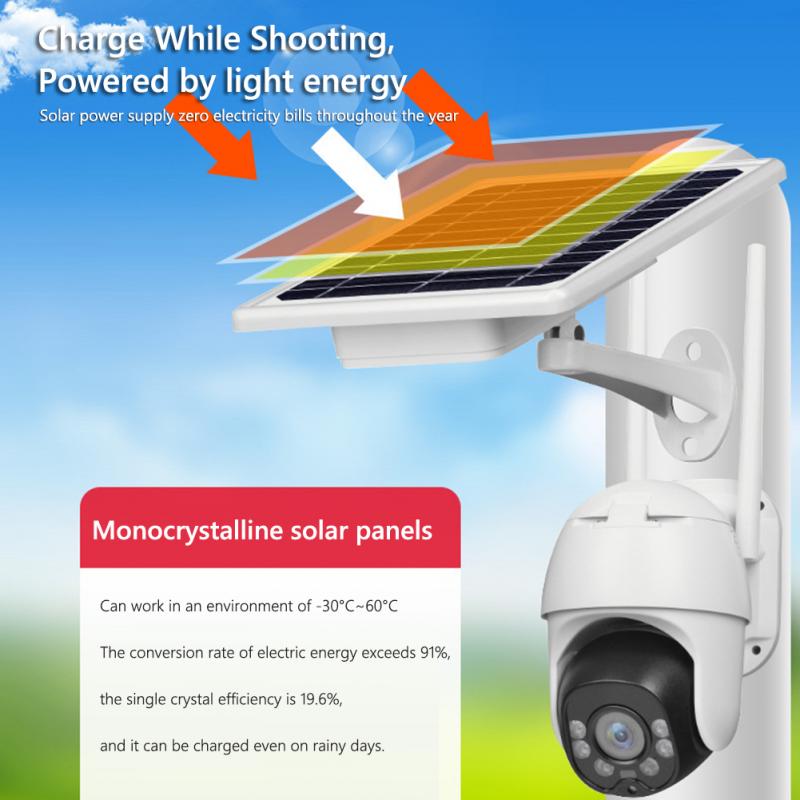
Consider whether the camera system you buy will require hardwiring or if it operates using batteries or solar panels. Battery-powered cameras with rechargeable packs may be convenient for certain setups, while hardwired systems may be preferred for fixed, centralized units with heavy usage.
Steps to Select and Buy a Security Camera System
Step 1: Evaluate Your Space
Start by analyzing your property to figure out where cameras would be most effective. For example:
- Identify high-risk entry points such as doors, windows, garages, and side yards.
- Decide whether you need indoor, outdoor, or combined surveillance.
Step 2: Decide on the Number of Cameras
Consider how many areas you need to cover. A small apartment may only require one or two cameras, whereas a large commercial space may need multiple units reinforced by surveillance software.
Step 3: Research Trusted Brands
Security is an investment, so choosing trustworthy brands matters. Companies like Arlo, Ring, Wyze, Nest, and Lorex dominate the market with reliable and user-friendly systems that cater to various budgets. Comparing reviews and expert opinions can help you determine which brand suits your needs.
Step 4: Compare System Types
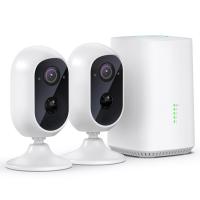
Decide whether you need standalone cameras or a larger, integrated system with a network of cameras. Larger systems often come bundled with additional features like motion detection, facial recognition, and customizable alerts.
Step 5: Consider Installation
Depending on your skill level, you may need professional installation. Wired systems require running cables through walls or ceilings, while wireless systems can be installed fairly easily. Determine whether self-installation or hiring a professional makes sense for your situation.
Step 6: Check for Hidden Costs
Keep an eye out for recurring fees associated with cloud storage or advanced features in subscription-based services. Ensure that you select a model with clear pricing and terms.
Step 7: Buy from Trusted Sources
Purchase your camera system from reputable retailers or directly from manufacturers. Besides ensuring quality, this gives you access to warranties and return policies.
Common Mistakes When Buying Security Cameras
1. Ignoring Weather Ratings for Outdoor Cameras
Buying an indoor-grade camera for outdoor use can result in poor performance and durability. Outdoor cameras should have a high IP rating (e.g., IP65 or higher) to withstand rain, dust, and extreme temperatures.
2. Overlooking Compatibility with Current Equipment
If you already use video doorbells, home security alarms, or smart lighting, make sure the security cameras can integrate with these existing systems.
3. Buying Too Few Cameras
It's better to have more cameras than fewer in areas requiring coverage. Buying inadequately may create blind spots, defeating the purpose of a comprehensive security system.
4. Overlooking Durability
Cheap cameras may tempt buyers on a tight budget, but they may lack durability and reliable performance. Opt for cameras made from sturdy material with good warranties.
5. Neglecting Calibration
Even the best camera system requires proper calibration to ensure it operates at maximum efficiency. Whether you install the system yourself or hire professionals, make sure cameras are positioned for optimal coverage.
Where to Buy a Security Camera System?
You can purchase security camera systems from several outlets:
Online retailers: Amazon, Walmart, Best Buy, and specialized e-commerce platforms.
Dedicated security stores: Local stores that specialize in surveillance equipment and provide consultations.
Home improvement stores: Many large-scale stores like Lowe’s or Home Depot offer security camera systems and installation services.
Direct from manufacturers: Major brands often sell directly online, which can sometimes yield additional warranty benefits.
Final Tips for Choosing and Using Your System
Tip 1: Start Small
If you’re unsure about your needs, start with one or two cameras and expand your system later. Running tests will help you assess coverage gaps.
Tip 2: Prepare for Regular Maintenance
Just like any electronic device, security cameras require cleaning, firmware updates, and occasional component inspections to ensure they function properly.
Tip 3: Leverage Alerts and Automation
Modern systems allow you to set zones for specific alerts. Customize these for essential areas like entranceways, garages, or high-traffic zones.
Tip 4: Compare DIY vs. Professional Systems
Many DIY systems are user-friendly and affordable, but professional setups come with guidance, installation expertise, and more robust solutions for those needing advanced security.
Tip 5: Ask for Recommendations
Reach out to friends, peers, or online forums for recommendations. Personal experiences can be instrumental in picking reliable products.
Buying a security camera system might seem daunting, but with proper preparation, you can choose a solution tailored to your needs effectively. Define your goals, assess the necessary features, and stay informed about reputable brands before making your purchase. Once your investment is complete, the safety and peace of mind provided by a reliable security camera system make it well worth the effort.
By leveraging a systematic approach and ensuring all aspects of coverage and functionality are optimized, your security needs can be met seamlessly. Take the time to evaluate options carefully, and you’ll be on your way to creating a safer environment for yourself and your loved ones.