What Is Better Binoculars Or Monocular?
When it comes to choosing the right optical tool for viewing distant objects, both binoculars and monoculars have their merits and drawbacks. Each device caters to specific needs and scenarios, making it essential to select one based on your unique requirements. In this comprehensive comparison, we’ll delve into the advantages and disadvantages of both optical instruments, helping you determine which one aligns with your preferences and intended usage.
Understanding Binoculars

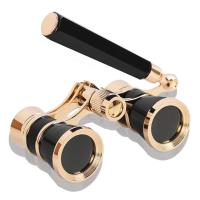
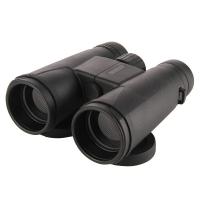
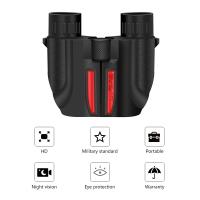
Binoculars are optical devices that feature two parallel lenses or sets of lenses. They allow users to see objects with both eyes, providing depth perception and a wide field of view. Binoculars are favored for activities such as birdwatching, wildlife observation, hunting, sports events, and stargazing. Here are the key aspects of binoculars:
Advantages of Binoculars:
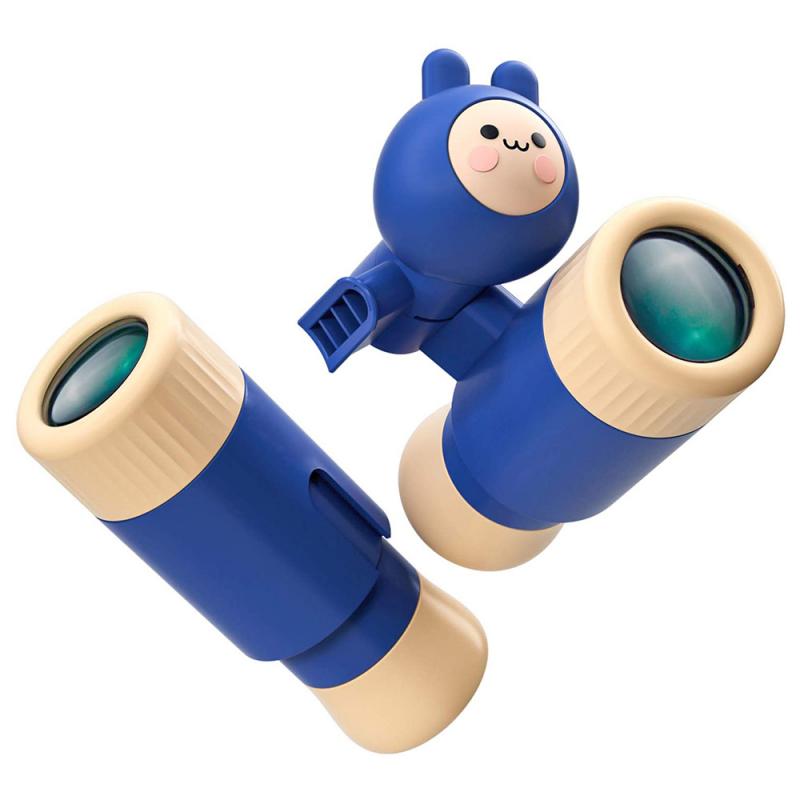
1. Depth Perception: By using both eyes, binoculars create a three-dimensional image. This is especially useful for activities where depth perception is essential, like bird counting or evaluating distances in a landscape.
2. Wider Field of View: Binoculars generally provide a broader viewing area, making it easier to capture fast-moving objects like birds or sports players. Wider fields of view also offer a more immersive experience.
3. Comfort for Extended Use: Since they engage both eyes, binocular usage is less fatiguing compared to monoculars, especially during prolonged observation sessions.
4. Adjustable Magnification Options: Many binoculars come with variable magnification settings, allowing users to switch between close-range and long-distance views seamlessly.
5. Stable Imaging: Two-eye viewing results in greater visual stability, reducing strain and making it easier to track moving subjects.
Disadvantages of Binoculars:

1. Size and Weight: Binoculars are typically bulkier and heavier than monoculars, which makes them less portable and harder to carry during extended hikes or travel.
2. Higher Cost: Due to their complex design and dual optical structures, binoculars tend to be pricier compared to monoculars with equivalent specifications.
3. Less Discreet: The size and operation of binoculars are more obvious, which can be a disadvantage in scenarios requiring subtle observation.
Understanding Monoculars
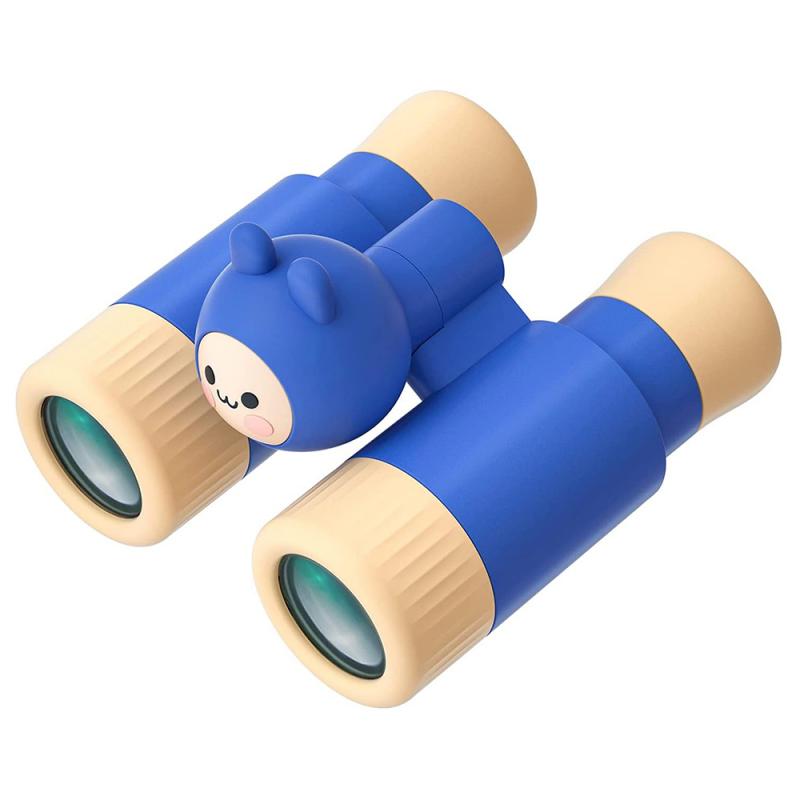
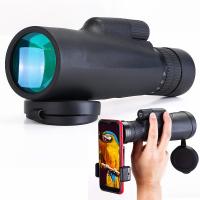
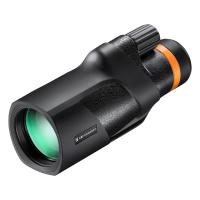
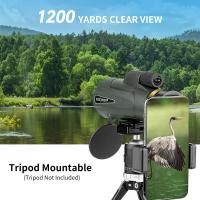
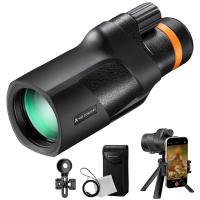
Monoculars, on the other hand, are compact optical devices that use a single lens system. They are ideal for one-eye viewing and are loved for their portability and convenience. Monoculars are often used for hiking, camping, hunting, and casual observation.
Advantages of Monoculars:
1. Compact and Lightweight: Monoculars are smaller and less cumbersome than binoculars, making them perfect for situations requiring light packing, like hiking or traveling.
2. Ease of Portability: Their small size ensures easy storage in pockets or bags, allowing users to carry them around effortlessly.
3. Cost-Effective: Monoculars are generally more affordable than binoculars, making them a good choice for individuals on a budget or casual users.
4. Single-Hand Operation: Monoculars are less complex and easier to use single-handedly, which can be useful for quick glimpses or multitasking scenarios.
5. Versatile Field Applications: They can serve as useful tools for activities like tracking or surveying without requiring both eyes to be engaged.
Disadvantages of Monoculars:
1. Lack of Depth Perception: Since monoculars rely on one-eye viewing, they don't provide depth perception like binoculars do. This can be problematic for users needing accurate spatial judgment.
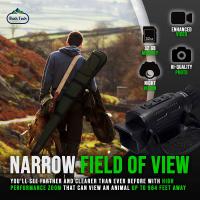
2. Limited Field of View: Monoculars generally offer narrower fields of view, which can make tracking moving objects more challenging.
3. Potential Eye Strain: Extended use of monoculars might lead to eye strain since only one eye is engaged for prolonged periods of time.
4. Stability Issues: Viewing with one eye can be less stable than using binoculars, particularly at higher magnifications, where slight hand movements can cause significant image shaking.
Which is Better: Binoculars or Monoculars?
Choosing between binoculars and monoculars depends on several factors, including your intended use, personal preferences, and budget. Here are several scenarios to help you identify which device is better suited to your needs.
For Birdwatching:
Binoculars are the clear winner for birdwatching. Their wider fields of view and depth perception allow you to track birds in flight or identify them in complex environments. Additionally, binoculars offer stable imaging over extended use, making them suitable for long birdwatching sessions without causing eye strain.
For Hiking or Traveling:
For moments when portability is key, monoculars emerge as the better choice. Their compact size and light weight make them easy to carry and convenient for quick views. If space and weight are essential considerations, monoculars are advantageous.
For Stargazing:
Binoculars excel in stargazing due to their ability to create a detailed and immersive view of the night sky. They capture a larger portion of the cosmos, providing better context for celestial observations. Many stargazers prefer them over monoculars for these reasons.
For Hunting or Surveillance:
Both binoculars and monoculars can be useful for hunting or surveillance, depending on the situation. If discreet observation or portability is necessary, monoculars are ideal. However, for tracking movement and assessing distances, binoculars are more effective.
For Casual Observation:
If your needs involve occasional use, such as glimpsing distant landmarks or admiring nature on walks, monoculars are practical and budget-friendly. They offer the convenience needed for quick inspections without the need for intricate setups.
Additional Features to Consider
When narrowing down your choice between binoculars and monoculars, keep in mind the following factors:
1. Magnification and Lens Quality: Both devices come in varying magnifications and lens qualities. Assess your needs regarding how far you’ll need to see and what level of clarity matters most.
2. Durability: Outdoor activities often expose optical tools to weather changes and rough conditions. Consider devices with waterproof or rugged builds if you plan on using them for hunting, camping, or exploration.
3. Night Vision Capabilities: If your observations often occur at night, look for models offering effective low-light or night vision features.
4. Budget Constraints: While binoculars typically cost more, there are affordable mid-range options for both binoculars and monoculars. Factor in your budget when making the final purchase decision.
Ultimately, determining whether binoculars or monoculars are better depends on your application. While binoculars shine in activities requiring depth perception, stability, and wider viewing experiences, monoculars serve as compact, lightweight alternatives for casual or on-the-go use.
To make the best decision, consider the type of activity you’ll be engaging in, the frequency of use, and the level of performance you require. Both tools have their distinct advantages and disadvantages, offering different forms of utility depending on the setting. By assessing your needs carefully, you can choose the optical device that enhances your overall experience and aligns perfectly with your lifestyle.
Whichever choice you make, investing in a quality optical tool can greatly enrich your connection with nature, sports, or exploration. Whether you choose the immersive experience of binoculars or the practicality of monoculars, you’re sure to gain a fresh perspective on the world around you!