How Much Is A Small Surveillance Camera?
Understanding the Cost Factors Behind Small Surveillance Cameras
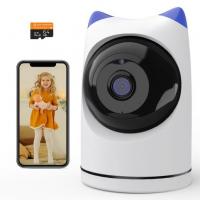
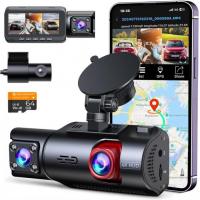
When people inquire about how much a small surveillance camera costs, they are usually trying to identify a solution that fits their budget while addressing their security needs. The price of a small surveillance camera varies significantly based on factors such as brand reputation, features, resolution quality, connectivity options, and intended usage. With surveillance technology becoming increasingly accessible, buyers now have a plethora of choices depending on their specific requirements.
In this blog, we will explore the price range for small surveillance cameras, the factors influencing these costs, and some practical tips on how to choose the right camera for different settings. Whether you’re looking for home security, a discreet camera for an office space, or even surveillance for outdoor areas, understanding these aspects can help you make a smart purchasing decision.
Average Price Range for Small Surveillance Cameras
Small surveillance cameras generally fall into three broad pricing categories:
1. Budget: $20-$50
These cameras are typically basic models, suitable for indoor settings or temporary security needs. They may lack advanced features such as high-definition (HD) resolution, night vision, or Wi-Fi connectivity. While this category is great for someone on a tight budget, you should expect limited video quality and fewer integration options with modern security systems.
2. Mid-Range: $50-$150
Cameras within this price range are often equipped with significant upgrades, making them a popular choice for homeowners and small business owners. These models might include HD resolution (1080p or higher), night vision, motion detection, mobile app connectivity, and support for cloud or local storage. Mid-range cameras usually balance affordability and functionality, offering a good mix of reliability and advanced features.
3. Premium: $150-$300+
Cameras in this category are designed for users who require high-performance surveillance solutions. These cameras often boast features such as 4K resolution, AI-driven motion detection, two-way audio capabilities, wide-angle lens coverage, and enhanced durability for outdoor use. Premium cameras are ideal for complex security systems or setups requiring long-term monitoring.
Factors Affecting Surveillance Camera Costs
Understanding the factors that influence surveillance camera pricing can help you determine the best model for your needs. Below are the main considerations:
1. Resolution Quality
Video resolution has a direct impact on pricing. Cameras with 720p resolution are cheaper, while 1080p, 2K, and 4K cameras command higher prices due to their clarity and detail. High-resolution cameras are essential for applications requiring facial recognition or fine-detail monitoring.
2. Storage Options
Cameras that include cloud storage options usually involve subscription costs beyond the upfront purchase price. Those with local storage (such as memory cards) may have no ongoing costs, making them more budget-friendly. Consider whether you want to invest in long-term subscriptions for video storage or prefer to maintain local backups.
3. Connectivity Features
Wi-Fi-enabled cameras are often pricier than their wired counterparts due to their ease of installation and ability to sync with mobile apps. Some models may also include Bluetooth connectivity, allowing seamless integration with smart home systems.
4. Camera Form Factor
The size, design, and overall build quality of the camera can impact costs as well. Discreet or miniature cameras that blend seamlessly into the environment may cost more due to their advanced engineering.
5. Additional Features
Cameras built with advanced features like night vision, motion tracking, two-way audio, AI facial recognition, remote pan-tilt-zoom (PTZ) functions, or weatherproofing for outdoor use are priced higher due to their added functionality.
Choosing the Right Camera for Your Needs
Now that we’ve established price ranges and factors, you need to consider your intended use to decide which type of small surveillance camera meets your needs. Below are common scenarios and recommendations:
1. Indoor Home Security
For monitoring entrances, living spaces, and rooms, you can opt for budget or mid-range cameras. Look for models with Wi-Fi connectivity so you can check video feeds from your smartphone. Features such as motion detection and HD resolution will suffice for everyday home security. Cameras like Wyze Cam v3 or Blink Mini fall within budget to mid-range pricing and are reliable options.
2. Small Office Monitoring
Small businesses or office spaces may require cameras with higher resolution and cloud storage capability for efficient monitoring. Mid-range cameras with mobile app integration, two-way audio, and motion alerts are great choices. The Ring Indoor Cam or Reolink E1 cameras fit this category well.
3. Outdoor Surveillance
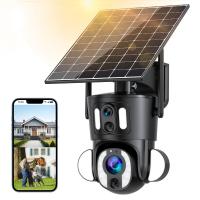
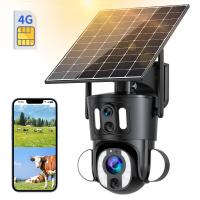
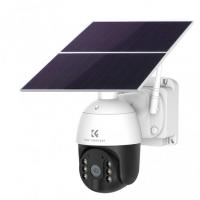
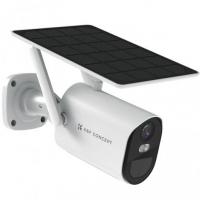
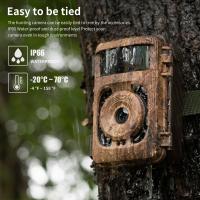
For outdoor settings, durability is key. Look for cameras with weatherproof ratings (such as IP65 or IP67) and features like night vision and wide-angle coverage. Premium models like Arlo Ultra or Nest Cam Outdoor offer reliable security for both residential and commercial outdoor spaces.
4. Covert Monitoring
If you need discreet, hidden cameras for private monitoring or specialty tasks, mini spy cameras such as the AREBI A10 Plus or GoPro Hero (used for covert action) can be effective choices. These cameras often prioritize stealth over premium features.
5. Advanced Security Systems
For large-scale surveillance or applications requiring advanced capabilities, such as facial recognition or PTZ functions, premium cameras like the Hikvision DS-2CD2387G2 series or Swann Enforcer series are recommended. These cameras offer enterprise-grade performance but come at higher costs.
Practical Tips to Maximize Value from a Small Camera Purchase
To get the best value for your money, consider the following steps:
1. Evaluate Your Security Needs First
Assess whether the camera will monitor a high-risk area or simply provide general oversight. This will help you determine whether you need basic features or advanced capabilities.
2. Look for Discounts and Bundles
Many manufacturers offer discounts on multipacks or bundles, allowing you to secure multiple cameras at a reduced overall cost. This is especially helpful for multi-room or multi-zone setups.
3. Read Reviews
User reviews can validate whether the advertised features work as expected. Feedback forums and tech blogs will also give insights about camera reliability and ease of use.
4. Monitor Subscription Costs
If the camera relies on cloud storage or additional app integrations, calculate the long-term subscription fees to ensure it fits within your budget. Subscription fees for premium services can quickly add up.
5. Prioritize Compatibility
Ensure that the camera you choose integrates easily with other smart devices in your home or office. Compatibility with systems like Amazon Alexa, Google Home, or Apple HomeKit can simplify operation.
Final Thoughts
Small surveillance cameras are increasingly accessible across a wide spectrum of features and price points. Whether you’re looking for a simple indoor security solution or an advanced outdoor monitoring system, understanding the cost factors and aligning them with your specific needs is the key to making the right decision.
Keep in mind that investing in security is a long-term consideration, and while saving money upfront might seem appealing, choosing a reliable camera with good reviews will save you potential headaches in the future. By exploring various options within your budget and identifying the features most relevant to your use case, you can enhance the safety of your home or business without unnecessary overspending.
In a world where security threats and vulnerabilities continue to evolve, small surveillance cameras remain a practical tool to provide peace of mind and a sense of control over your surroundings. Take your time, do your research, and select the camera that best suits your unique needs.