When To Use A Graduated Neutral Density Filter?
Graduated neutral density filters, often referred to as GND filters, are indispensable tools for photographers looking to capture balanced exposures in challenging lighting conditions. If you've ever faced the frustration of trying to photograph a bright sky against a darker foreground, or struggled to ensure your image retains detail across its dynamic range, a GND filter could be the solution to your problem. In this article, we'll explore when and why to use graduated neutral density filters, as well as the practical techniques that can enhance your photography.
Understanding Graduated Neutral Density Filters
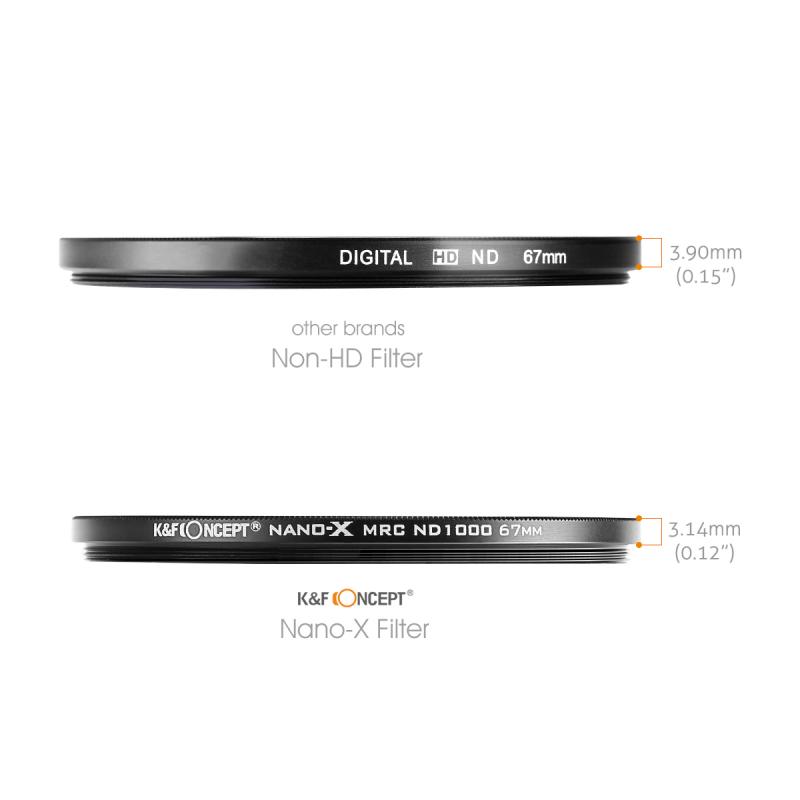
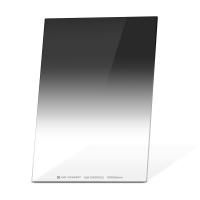
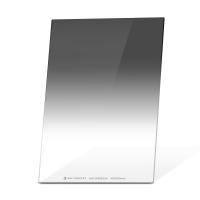
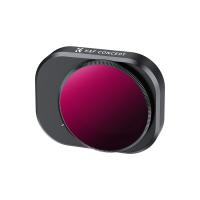
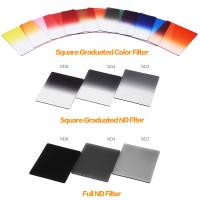
A graduated neutral density filter is a piece of photography equipment designed to balance the light intensity in an image. These filters have a gradient: one side is darker (to reduce light transmission, usually by 1 to 4 stops), while the other side is clear. The transition between these two areas can be soft, hard, or even reverse, depending on the type of filter. GND filters are mounted in front of a camera lens, and they allow you to selectively reduce brightness in one part of the frame—most commonly the sky—while keeping the rest of the scene properly exposed.
When to Use Graduated Neutral Density Filters
1. Capturing Landscapes with High Dynamic Range
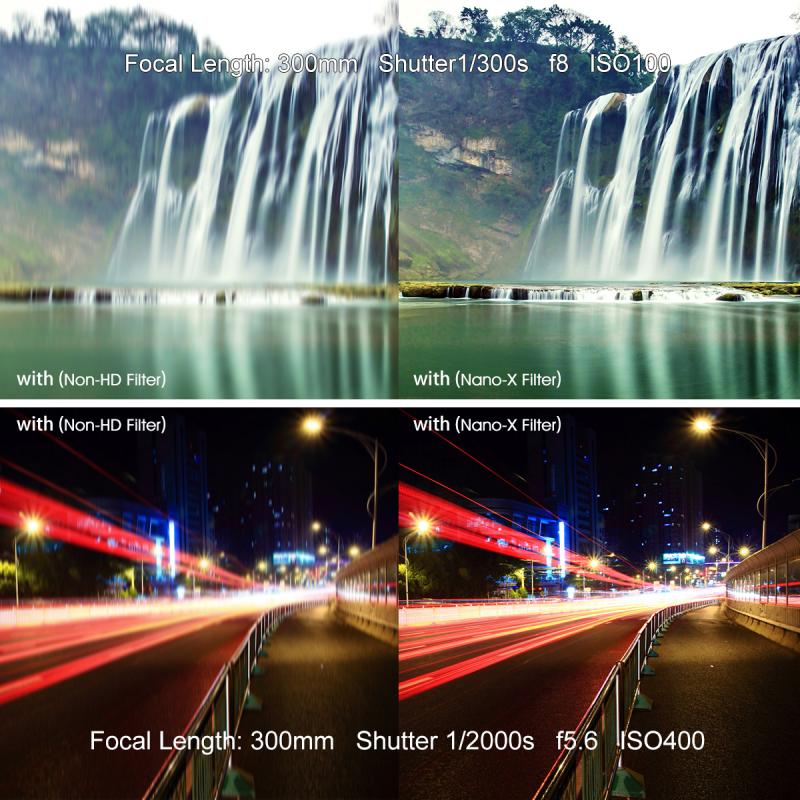
One of the most common scenarios where GND filters excel is in landscape photography. Imagine you're photographing early morning or late evening scenes: the sky is ablaze with color and light, but the foreground is shrouded in shadow. Without a GND filter, your image might suffer from blown-out highlights in the sky or underexposed details in the foreground. A graduated neutral density filter allows you to bring down the brightness of the sky while keeping the foreground properly exposed, creating a balanced image that retains both detail and drama.
2. Shooting during Golden Hour or Sunset
Golden hour—a period right after sunrise or before sunset—is a favorite time for photographers due to the warm, diffused light. However, this time of day often creates stark contrasts between the bright sky and darker land. Using a GND filter during golden hour or sunset helps balance these contrasts, preserving the rich detail in the sky’s vibrant colors while maintaining clarity in the foreground.
3. Photographing Water and Reflections
When capturing seascapes, riverbeds, or crystal-clear lakes, you may find the bright glare from the sky reflecting off the water to be overwhelming. This situation can lead to uneven exposure in your compositions. A GND filter can mitigate this by reducing the exposure of the reflective water while preserving the nuances of the landscape surrounding it.
4. Overcast Days with Uneven Lighting
While overcast skies may seem like the perfect lighting condition for photography, they can still result in uneven exposures. If your subject on the ground is darker than the sky due to indirect lighting, a GND filter can help equalize this difference. This allows you to capture detailed textures and tones in both the foreground and background without resorting to post-processing corrections.
5. Urban and Architectural Photography
Though GND filters are often thought of as landscape photography tools, they can be equally useful in urban settings. Skyscrapers and cityscapes are often illuminated by bright skies or uneven lighting. By applying a GND filter, you can tone down the upper parts of the frame (like the sky or tall buildings reflecting light) while maintaining proper exposure for elements in the bottom portion or mid-levels of the frame.
Types of Graduated Neutral Density Filters
Depending on the specific requirements of your shot, you’ll need to consider the type of GND filter that best suits your needs. The three main types include:
1. Soft-Edge Filters
Soft-edge filters have a gradual transition between the dark and clear areas. They are ideal for scenes with uneven horizons or where a precise, rigid boundary is not needed, such as a landscape where the foreground blends smoothly into the background.
2. Hard-Edge Filters
Hard-edge filters have a more defined transition, making them suitable for shots with clean, horizontal boundaries, such as a flat horizon or a distinct separation between sky and land.
3. Reverse Graduated Filters
Reverse GND filters are specialized tools that have a darker graduation near the center, fading as it moves toward the top. They're best for situations like sunsets and sunrises when the brightest light is concentrated near the horizon line.
When to Skip Using a Graduated Neutral Density Filter
While GND filters are versatile, there are scenarios where they might not be necessary:
1. Post-Processing Techniques: Modern software like Adobe Lightroom or Photoshop allows photographers to digitally reduce exposure in specific areas of an image, mimicking the effects of a GND filter. If you're comfortable with advanced editing, this might be a viable alternative.
2. HDR Photography: High Dynamic Range imaging involves taking multiple shots of the same scene at different exposures and blending them together in post-processing. This technique can sometimes eliminate the need for a physical GND filter.
3. Low Contrast Lighting: In conditions where the contrast between sky and land is minimal, using a GND filter may not provide a noticeable benefit.
Tips for Using Graduated Neutral Density Filters Effectively
If you've decided that a GND filter is the right tool for your scene, here are some practical tips to ensure you get the best results:
1. Understand Your Composition: Study your scene carefully before choosing a GND filter. Determine whether soft, hard, or reverse edges are appropriate based on the natural separation in your frame.
2. Position the Filter Correctly: Ensure the transition area of the filter aligns perfectly with the horizon or the division between light and dark elements in your scene. Small misalignments can result in uneven exposure.
3. Adjust for Lens Focal Length: Wide-angle lenses might cause vignetting—a darkened effect around the corners of your image—if the filter isn’t positioned carefully. Be mindful of this and make adjustments to avoid undesired artifacts.
4. Pair with Polarizers: In certain situations, combining a GND filter with a polarizing filter can help manage reflections and glare while also balancing exposure. Just ensure you don’t cause unwanted color shifts or over-darken your image.
5. Practice Shooting for Balance: Using a GND filter requires experimentation to achieve optimal results. Practice with various filter strengths (1-stop, 2-stop, 3-stop) under different lighting conditions. This way, you can anticipate how various filters impact exposure.
Graduated neutral density filters remain a staple in the toolkit of serious photographers who aim to master challenging lighting situations. Whether you're shooting vast landscapes, tranquil seascapes, or bustling urban environments, GND filters provide a simple yet powerful way to create balanced and compelling images without relying on heavy post-processing. By understanding when and how to use them effectively, you can unlock new creative possibilities and elevate your photography.
Photography, after all, is about making choices. Sometimes, the perfect image is not about capturing what’s there—it’s about shaping the light to tell your story more effectively. Remember, a GND filter is not just an accessory; it’s a creative enabler. So, the next time you face the challenge of uneven lighting, consider reaching for your graduated neutral density filter—and let your photography shine!