

How Do Smart Watches Work With Phones?
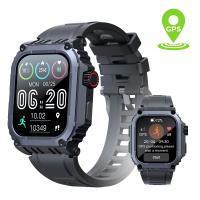
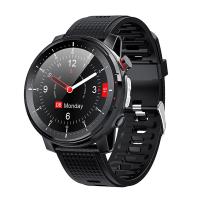
Smartwatches have become an integral part of the modern world, blending convenience with cutting-edge technology to enhance our daily lives. They serve as an extension of smartphones, enabling quick access to notifications, fitness tracking, and various applications—all directly from your wrist. But how do these devices work in tandem with phones to create this seamless experience? This article explores the mechanics, technology, and user benefits of smartwatches syncing with phones.
The Foundation: Connectivity Between Smartwatches and Phones
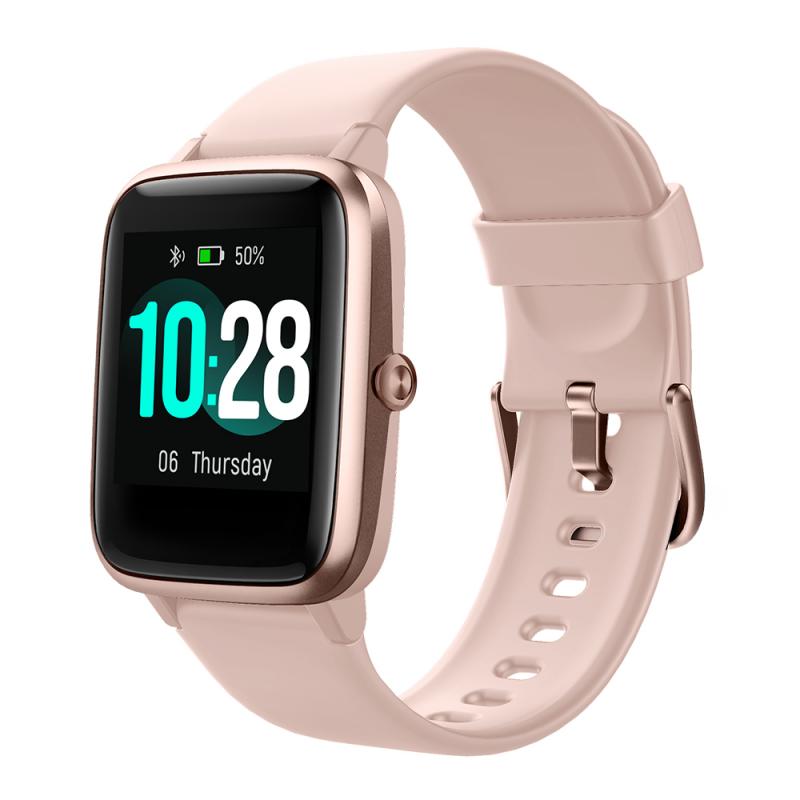
The synchronization between smartphones and smartwatches typically relies on wireless technologies like Bluetooth, Wi-Fi, or sometimes cellular networks. Here’s an overview of the most common connection methods:
Bluetooth Technology
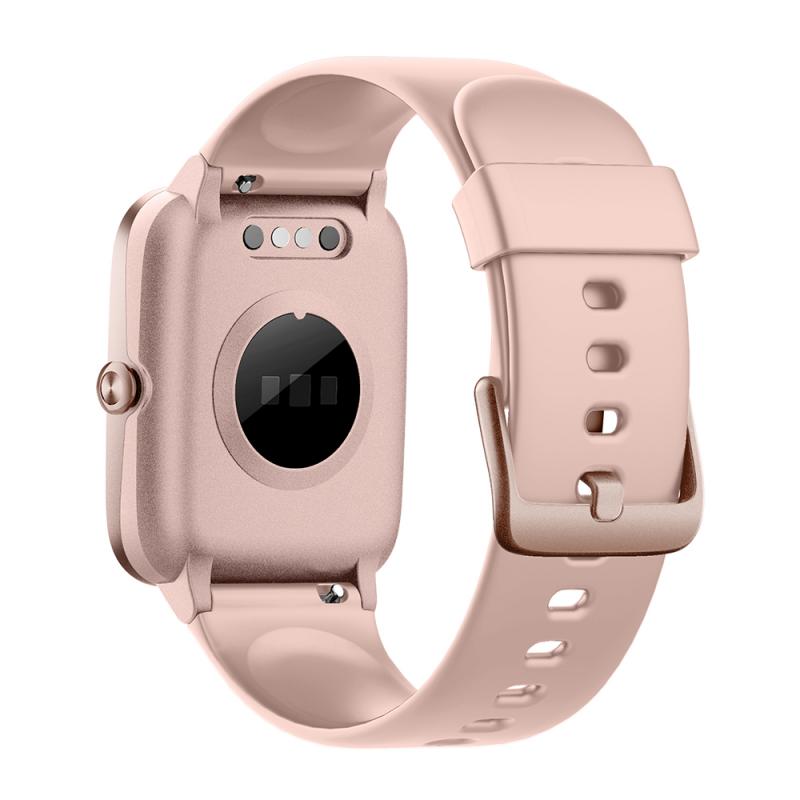
Bluetooth is the most widely used method for pairing smartwatches with phones. It creates a short-range wireless connection between the two devices, allowing data exchange in real time. When you first set up a smartwatch, you’ll often be prompted to pair it with your phone via Bluetooth. Once paired, the watch can receive notifications, control music playback, provide call alerts, or even send quick replies—all based on the data transmitted from the phone.
Wi-Fi Connectivity
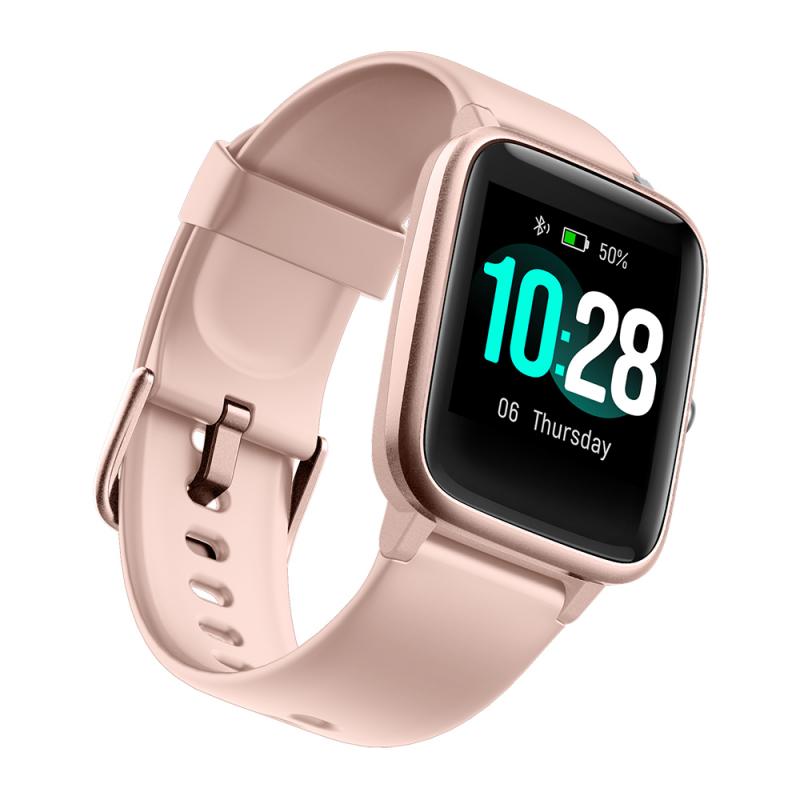
While less common for continuous syncing, Wi-Fi connectivity comes in handy for tasks like downloading large files or connecting to devices when Bluetooth is unavailable. Some smartwatches, like those with standalone apps or advanced features, use Wi-Fi to perform tasks directly, especially when the phone is out of Bluetooth range.
Cellular Connectivity
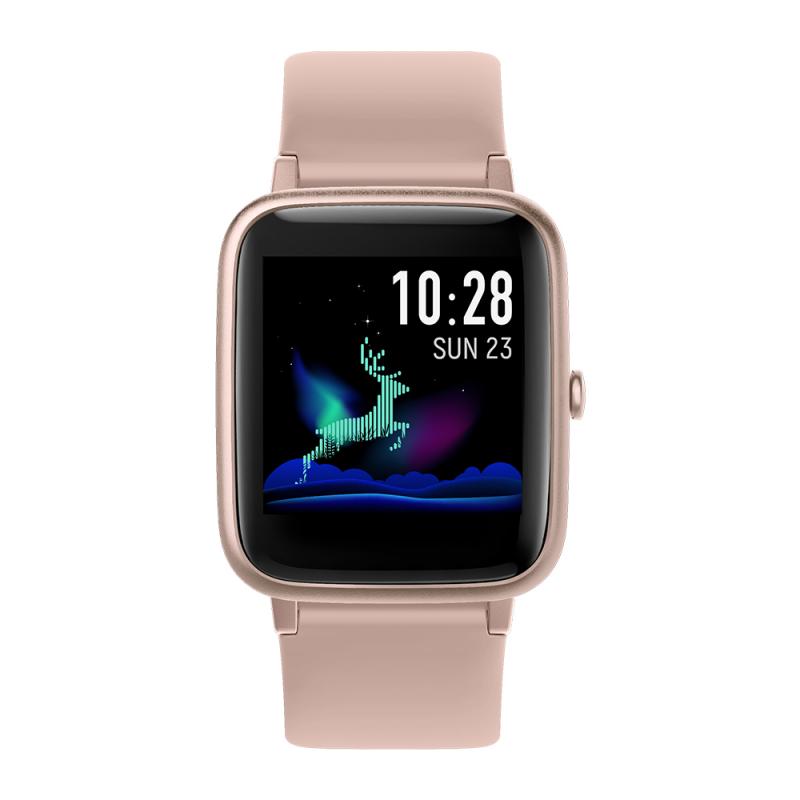
High-end smartwatches with built-in LTE or 4G capabilities allow direct interaction with cellular networks. These watches can make calls, send messages, and even stream music without being paired with a smartphone, offering more independence. Despite this capability, they usually integrate with smartphones to sync contacts, messages, and other files regularly.
NFC (Near Field Communication)
NFC is used primarily for mobile payments rather than ongoing smartwatch-phone integration. With NFC-enabled watches, you can make contactless payments by linking the watch to your phone’s mobile wallet application.
How Smartwatches Integrate with Phones: Operating Systems and Apps
The ability of a smartwatch to interface effectively with a phone depends largely on their respective operating systems and the companion apps responsible for syncing the two devices.
Operating Systems Matter
Smartwatches typically run on specialized operating systems designed to optimize battery life and small screen usability, such as Apple watchOS, Google’s Wear OS, Samsung’s Tizen OS, or Garmin’s proprietary software. The smartphone itself has its own operating system, such as Android or iOS. Proper pairing is key: Apple Watches work exclusively with iPhones, while Wear OS watches can pair with both Android and iOS phones, albeit with slightly fewer features on iOS.
Companion Apps: The Core Integration Tool
To enable seamless functionality, most smartwatches require the installation of a companion app on your smartphone. For instance, Apple Watches use the "Watch" app, Samsung Galaxy Watches connect through "Galaxy Wearable," and Fitbit watches integrate via their dedicated app. These apps serve as the control center for syncing, customizing notifications, downloading apps, and tracking data such as fitness metrics.
Cross-Platform Compatibility
Some smartwatches provide cross-platform compatibility, allowing them to connect with multiple phone operating systems. However, functionality may be limited due to restricted software integration. In cases where the smartwatch cannot fully interface with your phone’s operating system, users may lose access to features like responding to messages through the watch or syncing app data optimally.
What Happens During Synchronization?
Syncing a smartwatch with a phone involves several processes working together behind the scenes to provide users with an integrated experience. Here’s what happens:
1. Registration and Pairing: The watch identifies the phone via Bluetooth and establishes a link. Pairing commonly involves a confirmation code displayed on both devices for added security.
2. Data Synchronization: The watch syncs relevant data from the phone, such as contacts, calendar events, app notifications, and messages. This is often set on an automatic, recurring schedule to ensure real-time updates.
3. Command Feedback: When you interact with your smartwatch—whether to reply to a text, adjust volume, or dismiss an alert—the action is transmitted back to your phone for execution.
4. Updates and Maintenance: In addition to syncing user data, the companion app helps push firmware or software updates from your phone to the watch, ensuring the smartwatch stays up-to-date with the latest features and security measures.
Key Features Enabled Through Smartphone Integration
The integration of smartwatches with smartphones unlocks a plethora of features designed to enhance convenience, productivity, and personal tracking. Some top use cases include:
Notifications and Alerts
One of the most prominent features is notification delivery. When synced with your phone, a smartwatch displays incoming text messages, calls, social media alerts, and calendar reminders in real time. Some smartwatches even allow you to respond using predefined texts, typing on a mini keyboard, or voice messaging.
Fitness Tracking
Fitness enthusiasts benefit immensely from smartphone-smartwatch integration. Using sensors like GPS, heart rate monitors, and accelerometers, smartwatches track activities such as steps, workouts, and sleep patterns. These data points sync with health apps on your phone, giving users comprehensive insights into their fitness journeys.
Voice Command Features
Many smartwatches come equipped with voice assistants like Siri, Google Assistant, or Bixby. This feature allows users to control both the smartwatch and the phone hands-free—whether sending a message or setting a timer.
Entertainment Control
Smartwatches make it easy to control phone apps like music players and streaming services. For instance, users can pause music, change playlists, or adjust volume from their wrist.
Navigation Assistance
Paired smartwatches can display turn-by-turn directions pulled from the phone’s GPS app, ensuring you never miss an exit or make a wrong turn.
Payment Capabilities
Integrated via systems like Apple Pay or Google Pay, smartwatches often allow users to make secure contactless payments directly from the wrist without needing to pull out their phone.
App Ecosystem
Smartwatches and phones share ecosystem compatibility, enabling apps installed on phones to work seamlessly with their smartwatch counterparts.
Benefits of Smartwatch-Phone Integration
The integration brings several user-centric advantages, including convenience, connectivity, and efficiency.
Ease of Access: Having notifications appear on your wrist minimizes the need to check your phone constantly, reducing distractions and providing quick updates.
Health Monitoring: Smartwatches leverage phone apps to provide a more comprehensive view of your wellness, incorporating metrics like sleep quality and fitness goals.
Enhanced Productivity: Features like quick replies and task management streamline daily responsibilities, letting you act on critical information without delay.
Independence: For cellular-enabled smartwatches, the link to a phone makes data syncing easier while providing an added option to disconnect and still stay connected.
Potential Limitations and Challenges
While convenient, smartwatch-phone integration can come with a few trade-offs:
1. Battery Life: Constant syncing with your phone may impact battery life for both devices.
2. Device Compatibility: Smartwatches tied to specific platforms, like Apple Watches, limit cross-platform usage.
3. Limited Functionality: Some features may not work as effectively in cross-platform settings, such as syncing replies on iOS with Android-based smartwatches.
Final Thoughts
Smartwatch integration with phones adds significant value to our lives, enhancing both streamlining and multitasking capabilities. Whether you're managing your daily schedule, tracking fitness, responding to messages, or making payments, this pairing provides a compact and efficient solution. Understanding how your smartwatch integrates with your phone—considering compatibility, setup, and functionality—ensures you get the most out of your wearable device.
As technology continues advancing, smartwatches may push the boundaries further, integrating increasingly advanced features and reducing inefficiencies like battery drain or compatibility barriers. For now, their connection to phones remains a key factor behind their utility, making them indispensable for tech-savvy individuals and casual users alike.