Who Makes Smart Watches?
The Expanding World of Smartwatch Manufacturers: Your Comprehensive Guide
Smartwatches have revolutionized how we interact with technology, seamlessly integrating communication, health monitoring, fitness tracking, and entertainment into a single wearable device. Once positioned as mere accessories for tech enthusiasts, smartwatches today are pivotal in enhancing productivity, managing health, and offering convenience at a glance. With the increasing demand for these devices, more companies are emerging with innovative offerings catered to different user needs, lifestyles, and budgets. This article will examine key players in the smartwatch market, clarify the unique offerings of different brands, and offer practical guidance for users looking to make informed purchasing decisions.
The Key Categories of Smartwatch Manufacturers
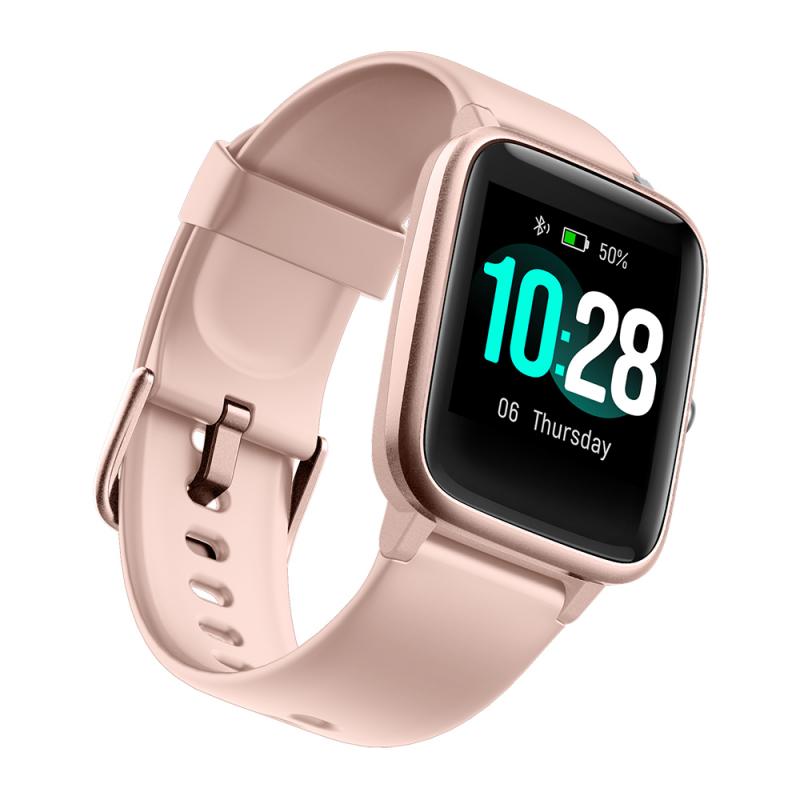
Consumers shopping for smartwatches have an array of options from prominent tech giants, traditional watchmakers, fitness-focused brands, and niche innovators. Let’s delve into who makes smartwatches and what sets them apart.
1. Tech Giants
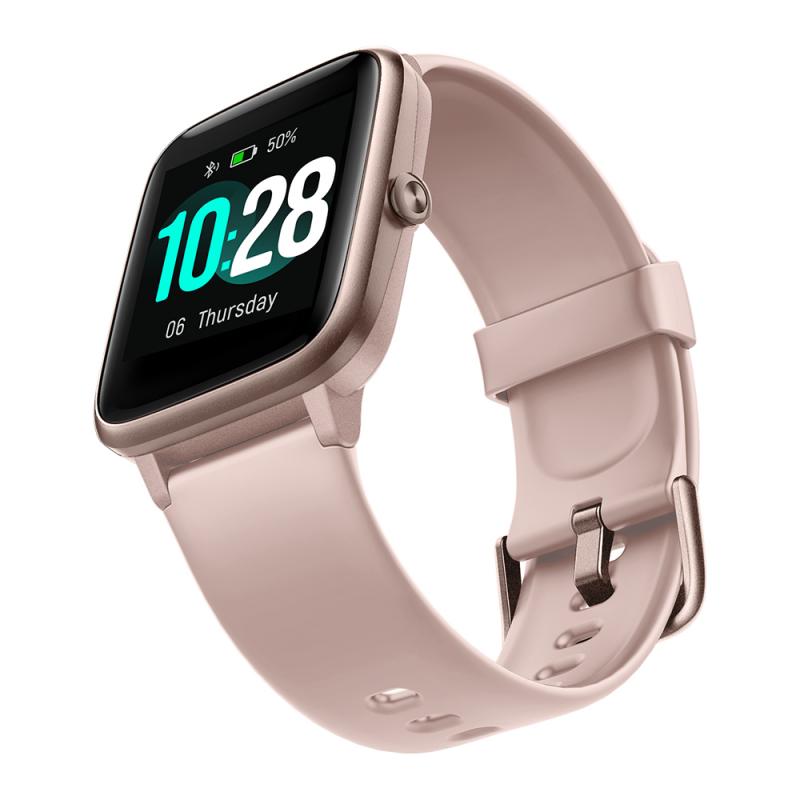
Tech companies were among the first to explore the potential of smartwatches. These brands leverage their expertise in consumer electronics to create feature-rich wearables that often integrate seamlessly with other devices in their ecosystem.
Apple Inc.: Apple dominates the smartwatch market with its Apple Watch line. Designed to work optimally with iPhones, the Apple Watch is a favorite among users seeking robust health features, seamless app integration, and a minimalist design. Its health-tracking features like heart rate monitoring, ECG functionality, and blood oxygen measurement set a high standard for competitors. The Apple WatchOS platform also offers access to thousands of apps and a polished user experience.
Samsung: The Galaxy Watch series, powered by Wear OS (formerly Tizen in earlier models), offers considerable competition to Apple. Samsung excels in integrating fitness tracking capabilities with the wider Android ecosystem, making its devices popular among users of Samsung smartphones and Android devices. Innovations like advanced sleep tracking and body composition analysis further enhance its appeal.
Google: Following the acquisition of Fitbit, Google recently introduced the Pixel Watch, a smartwatch built to sync perfectly with its Android ecosystem. With its sleek design and robust integration of Fitbit’s health-tracking algorithms, Google has begun to solidify its place among leading manufacturers.
Huawei: Known for its high-quality wearables, Huawei smartwatches such as the Watch GT series combine stylish design with impressive health features and long battery life. While Huawei offers compatibility with both Android and iOS devices, its appeal is strongest among users within its own tech ecosystem.
2. Traditional Watchmakers Venturing into Smartwatches
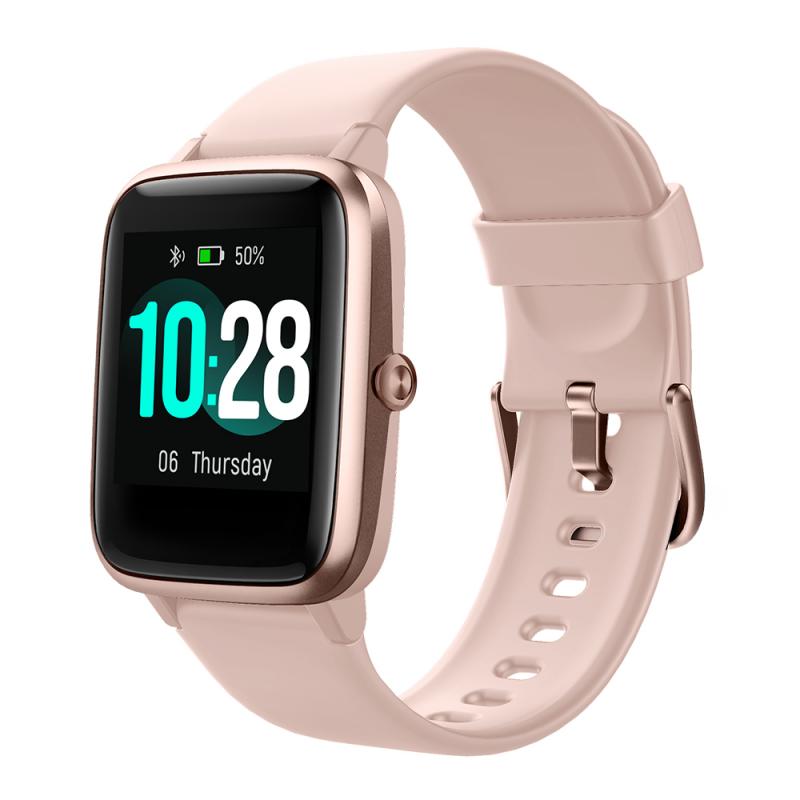
A new wave of smartwatches comes from established watch manufacturers who are blending traditional craftsmanship with cutting-edge technology to attract consumers interested in the aesthetics of conventional timepieces alongside smart functionality.
Fossil Group: Fossil produces smartwatches under its own name and sub-brands like Skagen and Michael Kors. These watches often appeal to fashion-conscious users who value stylish designs while enjoying access to health tracking and notifications through Wear OS.
Tag Heuer: Known for its luxury watches, Tag Heuer now offers high-end smartwatches that combine premium materials with smart functionalities. These watches cater to users wanting a luxurious yet connected experience.
Garmin: While Garmin is synonymous with fitness and navigation technology, it has expanded into hybrid smartwatches for outdoor enthusiasts. Their unique designs integrate navigation systems, environmental monitoring, and advanced fitness features.
3. Fitness-Focused Brands
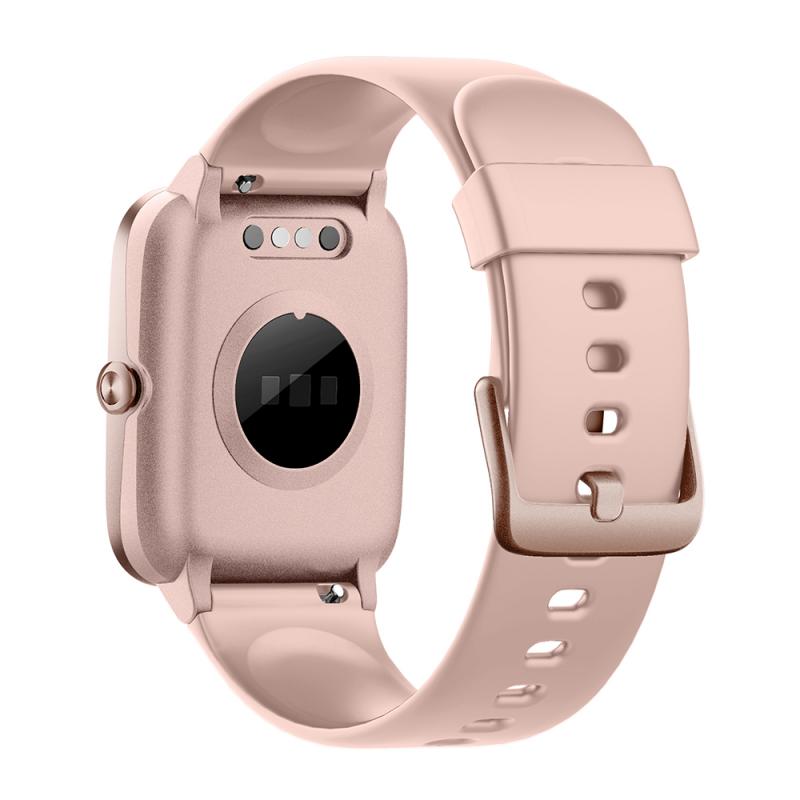
Some smartwatch makers focus almost exclusively on fitness tracking, appealing to athletes and health enthusiasts.
Fitbit: Fitbit, now part of Google, centers its devices around activity tracking, heart rate monitoring, and sleep tracking. Fitbit’s watches remain particularly popular among users who prioritize health and wellness, and they offer a flexible connection to both Android and iOS devices.
Polar: Polar specializes in sports-focused smartwatches designed for athletes and fitness enthusiasts. Their feature set includes advanced metrics like VO2 max measurement, recovery status, and training intensity monitors.
Garmin: Garmin fits into this category too, as its wearable devices come equipped with GPS functionality and a host of athletic-focused features, such as training plans and tracking performance across several activities and sports.
4. Emerging/Niche Smartwatch Brands
In addition to the well-known contenders, smaller brands and innovators are entering the smartwatch space to cater to niche markets.
Mobvoi (TicWatch): The TicWatch line from Mobvoi balances affordability with strong performance. TicWatch devices operate on Wear OS and cater to budget-conscious users looking for premium smartwatch functionality.
Amazfit: Amazfit, owned by Huami—a Xiaomi affiliate—offers stylish and affordable smartwatches with a strong focus on battery life and fitness tracking. It is particularly popular in markets like Asia and Europe.
Coros: Specializing in performance-tracking for outdoor enthusiasts, Coros watches cater to a niche segment of adventurers and athletes in need of rugged designs packed with training and exploration tools.
Factors to Consider When Choosing a Smartwatch
Choosing a smartwatch requires understanding what features align with your unique needs. A smartwatch is not one-size-fits-all; manufacturers design their devices to suit specific use cases. Here are some considerations for potential buyers:
1. Device Compatibility
Ensure that the smartwatch is compatible with your smartphone. Apple Watches work best with iPhones, while Wear OS-powered devices like Google Pixel and Samsung Galaxy Watches integrate seamlessly with Android. Garmin and Fitbit devices usually support both operating systems, although functionality may vary.
2. Health Monitoring and Fitness Tracking
If health tracking is your priority, look for features like heart rate monitoring, sleep tracking, blood oxygen measurement, ECG functionality, and body composition analysis. Brands like Fitbit, Garmin, and Apple excel in this domain.
3. Battery Life
Long battery life can be a deciding factor. Apple Watches generally need daily charging, whereas brands like Huawei, Amazfit, and Garmin offer multi-day battery capabilities.
4. Design and Comfort
For users who value style, brands like Fossil, Michael Kors, and Tag Heuer offer aesthetically appealing options. Conversely, athletes or outdoor enthusiasts may seek rugged designs with added durability.
5. App Ecosystem
A well-supported app ecosystem broadens a smartwatch's capabilities, enabling users to customize their experience. Apple WatchOS and Wear OS offer vast app libraries compared to proprietary platforms used by Garmin or Huawei.
6. Price
Smartwatches range from budget-friendly options under $100 to luxury models costing thousands of dollars. Assess your budget alongside the features you prioritize.
Trends and Future Developments in Smartwatches
As technology evolves, manufacturers are pushing boundaries to bring even more advanced features to wristwear. Some emerging developments include:
Enhanced Biosensors: Expect increasingly precise health data as sensors improve, including non-invasive glucose monitoring for diabetics and hydration meters for athletes.
Longer Battery Life: Innovations in battery technologies, such as solar-charging options found in Garmin outdoor models, will continue to extend daily usability.
Integration with AI: Watches like the Apple Watch already offer predictive health notifications powered by AI. Future iterations will likely improve capabilities like stress monitoring and personalized fitness recommendations.
Luxury Designs: Luxury brands like Tag Heuer and Montblanc will continue blending high-tech functionality with premium aesthetics to cater to affluent users.
Conclusion
Smartwatches today are more than just timepieces; they’re versatile tools catering to users across demographics, professions, and lifestyles. Whether you're looking for fitness tracking, seamless smartphone integration, or a stylish accessory, the key to making the right choice is understanding your priorities and matching them with what manufacturers offer. With new players entering the market and technological advancements reshaping smartwatch capabilities, the future of this dynamic industry looks promising. Explore your options and embrace this wearable technology to simplify your world, one wrist at a time.