How Accurate Are Surveillance Cameras?
How Accurate Are Surveillance Cameras? A Comprehensive Analysis
Surveillance cameras have become an integral part of modern society, playing a critical role in security, law enforcement, and even personal safety. From monitoring public spaces to safeguarding private properties, these devices are everywhere. However, one question that often arises is: how accurate are surveillance cameras? This question is not as straightforward as it may seem, as the accuracy of surveillance cameras depends on a variety of factors, including the technology used, environmental conditions, and the purpose for which the cameras are deployed. In this article, we will explore the factors that influence the accuracy of surveillance cameras, the limitations they face, and how to optimize their performance.
Understanding Surveillance Camera Accuracy
When we talk about the "accuracy" of surveillance cameras, we are generally referring to their ability to capture clear, detailed, and reliable footage that can be used for its intended purpose. This could mean identifying a person, reading a license plate, or detecting motion. Accuracy can be broken down into several components:
1. Image Quality: The resolution of the camera plays a significant role in its accuracy. High-definition (HD) cameras, such as 1080p or 4K models, can capture finer details compared to standard-definition cameras. However, higher resolution also requires more storage and bandwidth.
2. Field of View: The area that a camera can cover affects its ability to capture relevant details. A wide-angle lens can monitor a larger area but may sacrifice detail, while a narrow-angle lens focuses on a smaller area with greater clarity.
3. Lighting Conditions: Cameras perform differently under various lighting conditions. Low-light environments, glare, or shadows can significantly impact the quality of the footage. Cameras equipped with infrared (IR) technology or wide dynamic range (WDR) can perform better in challenging lighting conditions.
4. Motion Detection and Tracking: Many modern surveillance cameras come with motion detection and tracking capabilities. The accuracy of these features depends on the algorithms used and the camera's ability to differentiate between relevant and irrelevant movements.
5. Facial Recognition and Object Detection: Advanced surveillance systems often include artificial intelligence (AI) for facial recognition or object detection. The accuracy of these features depends on the quality of the training data and the algorithms used.
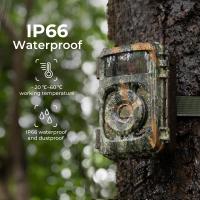
6. Environmental Factors: Weather conditions, such as rain, fog, or snow, can affect the clarity of the footage. Similarly, physical obstructions like trees or walls can limit the camera's field of view.
Limitations of Surveillance Cameras
While surveillance cameras have come a long way in terms of technology, they are not without limitations. Understanding these limitations is crucial for setting realistic expectations and optimizing their use.
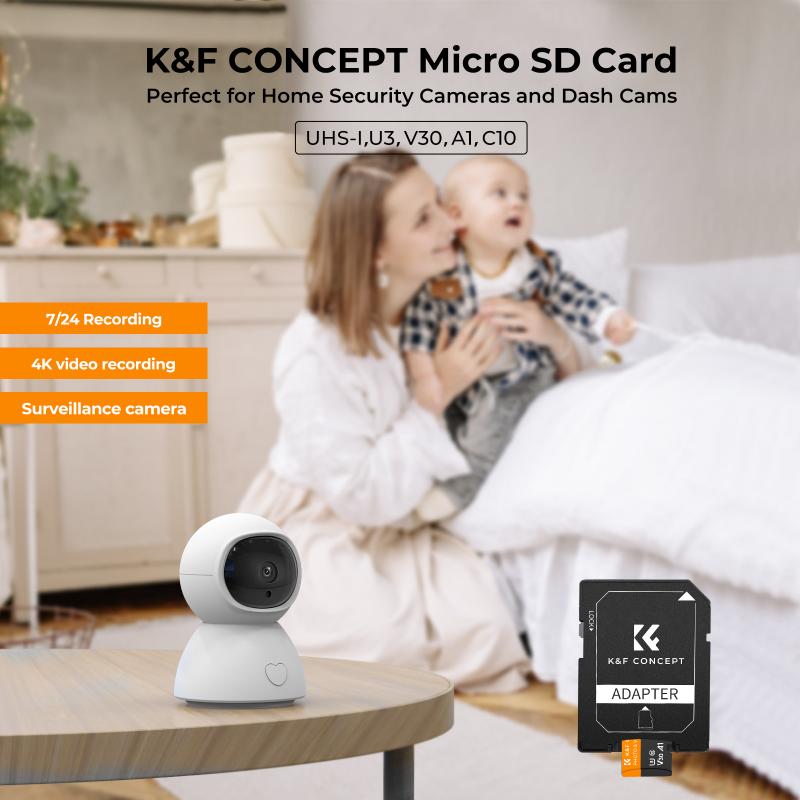
1. Resolution vs. Storage: High-resolution cameras provide better image quality but require more storage space and bandwidth. This trade-off can be a limiting factor, especially for systems with multiple cameras.
2. False Positives in Motion Detection: Motion detection algorithms are not foolproof. They can be triggered by irrelevant movements, such as leaves blowing in the wind or changes in lighting, leading to false positives.
3. Privacy Concerns: The use of surveillance cameras raises ethical and legal questions about privacy. Striking a balance between security and privacy is a challenge that needs careful consideration.
4. Dependence on External Factors: The performance of surveillance cameras can be affected by external factors like power outages, network failures, or vandalism.
5. Cost: High-quality surveillance systems can be expensive to install and maintain. Budget constraints may lead to compromises in the quality and coverage of the system.
How to Optimize Surveillance Camera Accuracy
Given the limitations and factors affecting the accuracy of surveillance cameras, there are several steps you can take to optimize their performance:
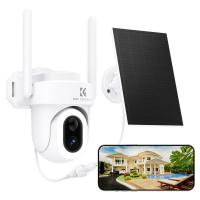
1. Choose the Right Camera for Your Needs: Different cameras are designed for different purposes. For example, a PTZ (pan-tilt-zoom) camera is ideal for monitoring large areas, while a fixed camera is better for focusing on a specific location.
2. Invest in High-Quality Equipment: While high-quality cameras may be more expensive, they offer better resolution, durability, and advanced features like AI-based analytics.
3. Optimize Camera Placement: Proper placement is crucial for maximizing the effectiveness of surveillance cameras. Ensure that the camera is positioned to cover the desired area without obstructions.
4. Use Supplemental Lighting: If the area being monitored is poorly lit, consider installing additional lighting or using cameras with built-in IR capabilities.
5. Regular Maintenance: Regularly inspect and maintain your surveillance system to ensure it is functioning correctly. Clean the lenses, check the wiring, and update the software as needed.
6. Leverage AI and Analytics: Modern surveillance systems often come with AI-based features like facial recognition, object detection, and behavioral analysis. These features can significantly enhance the accuracy of the system.
7. Integrate with Other Security Measures: Surveillance cameras are most effective when used as part of a comprehensive security system that includes alarms, access control, and human oversight.
Real-World Applications and Accuracy

The accuracy of surveillance cameras varies depending on their application. Here are some examples:
1. Public Safety: In public spaces, surveillance cameras are used for crowd monitoring, traffic management, and crime prevention. The accuracy of these systems depends on their ability to cover large areas and identify specific incidents.
2. Retail Security: In retail settings, cameras are used to prevent theft and monitor employee behavior. High-resolution cameras and AI-based analytics can improve their effectiveness.
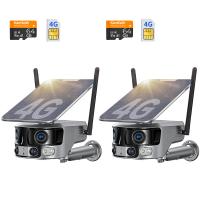
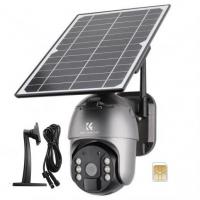
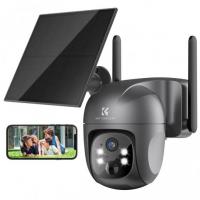
3. Home Security: For residential use, cameras are often focused on entry points and vulnerable areas. Motion detection and night vision are critical features for this application.
4. Industrial and Commercial Use: In industrial settings, cameras are used for monitoring processes, ensuring safety, and preventing theft. Specialized cameras, such as thermal imaging cameras, may be used for specific tasks.
5. Law Enforcement: Surveillance footage is often used as evidence in criminal investigations. The accuracy of the footage can make or break a case, highlighting the importance of high-quality cameras.
The Future of Surveillance Camera Accuracy
As technology continues to evolve, the accuracy of surveillance cameras is expected to improve. Advances in AI, machine learning, and sensor technology are paving the way for smarter, more reliable surveillance systems. For example:
- AI-Powered Analytics: Future systems will be better at distinguishing between relevant and irrelevant events, reducing false positives and improving efficiency.
- Edge Computing: By processing data locally on the camera itself, edge computing can reduce latency and improve real-time decision-making.
- Integration with IoT: The Internet of Things (IoT) will enable surveillance cameras to work seamlessly with other devices, creating a more comprehensive security ecosystem.
Surveillance cameras are a powerful tool for enhancing security and safety, but their accuracy is influenced by a variety of factors. By understanding these factors and taking steps to optimize performance, you can maximize the effectiveness of your surveillance system. While no system is perfect, ongoing advancements in technology promise to make surveillance cameras more accurate and reliable than ever before. Whether you are a homeowner, a business owner, or a public safety official, investing in the right surveillance system can provide peace of mind and a safer environment.