Which Lens Mount Do 35mm Take?
Understanding Lens Mounts for 35mm Cameras: A Comprehensive Guide
When diving into the world of photography, one of the most common questions beginners and even some seasoned photographers ask is: "Which lens mount do 35mm cameras use?" This question is more nuanced than it might initially seem, as the answer depends on the specific camera brand, model, and era. In this article, we’ll explore the concept of lens mounts, their compatibility with 35mm cameras, and how to choose the right lens for your needs.
What is a Lens Mount?
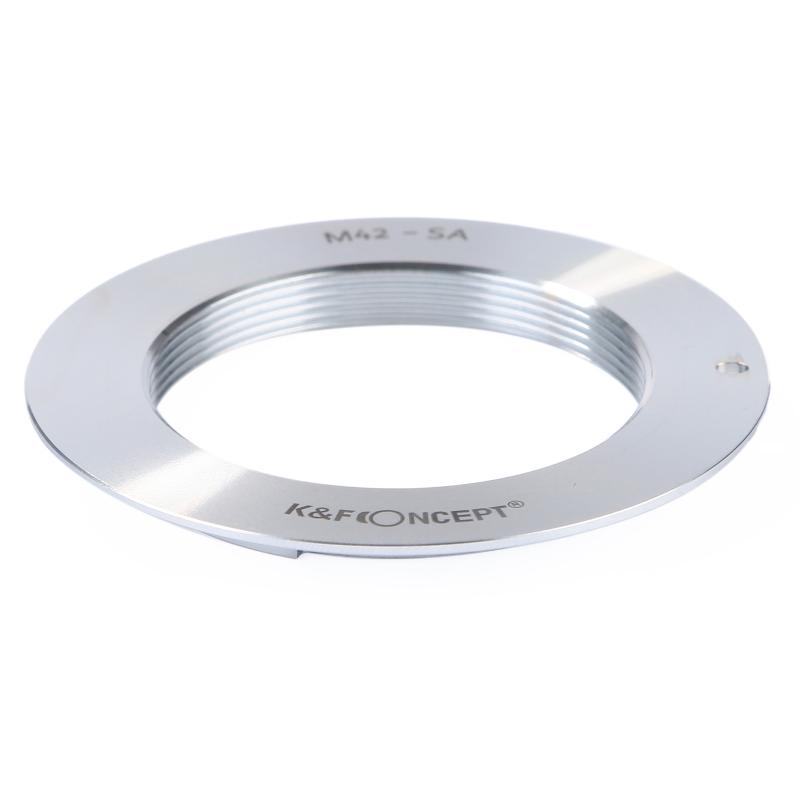
A lens mount is the interface between a camera body and a lens. It is a mechanical and sometimes electronic connection that ensures the lens is securely attached to the camera while allowing communication between the two. Lens mounts vary by manufacturer and camera system, and they are not universally interchangeable. This means that a lens designed for one mount will not fit another mount unless an adapter is used.
The Basics of 35mm Cameras
A 35mm camera refers to a camera that uses 35mm film or, in the case of digital cameras, a sensor that mimics the dimensions of 35mm film. These cameras have been the standard for decades, and their popularity has led to the development of a wide variety of lens mounts.
35mm cameras can be broadly categorized into two types:
1. Film Cameras: These use 35mm film rolls and were the dominant format before the digital revolution.
2. Digital Cameras: These use full-frame sensors that are equivalent in size to 35mm film.
Common Lens Mounts for 35mm Cameras
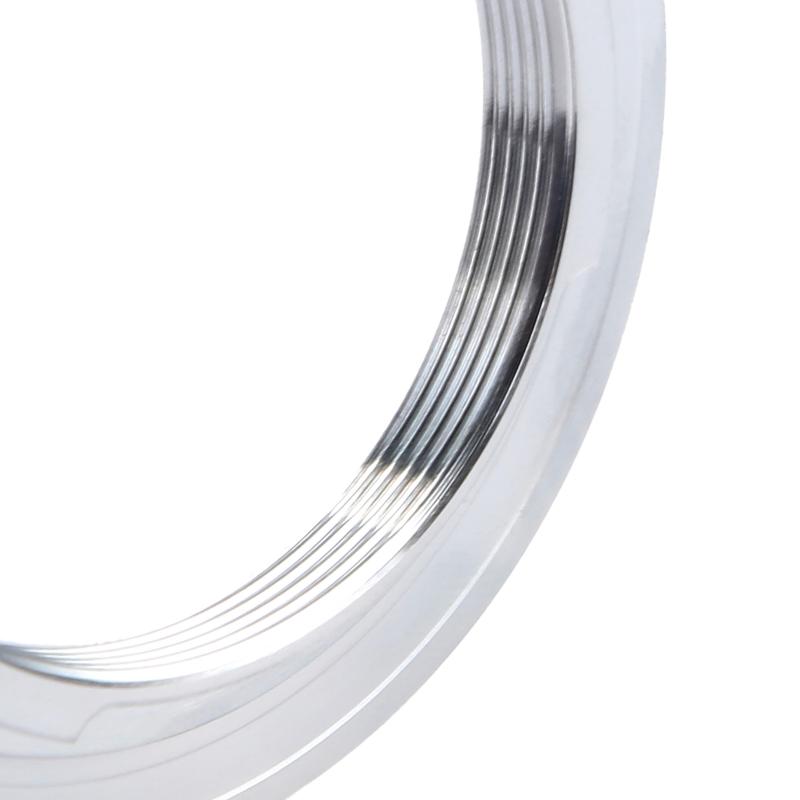
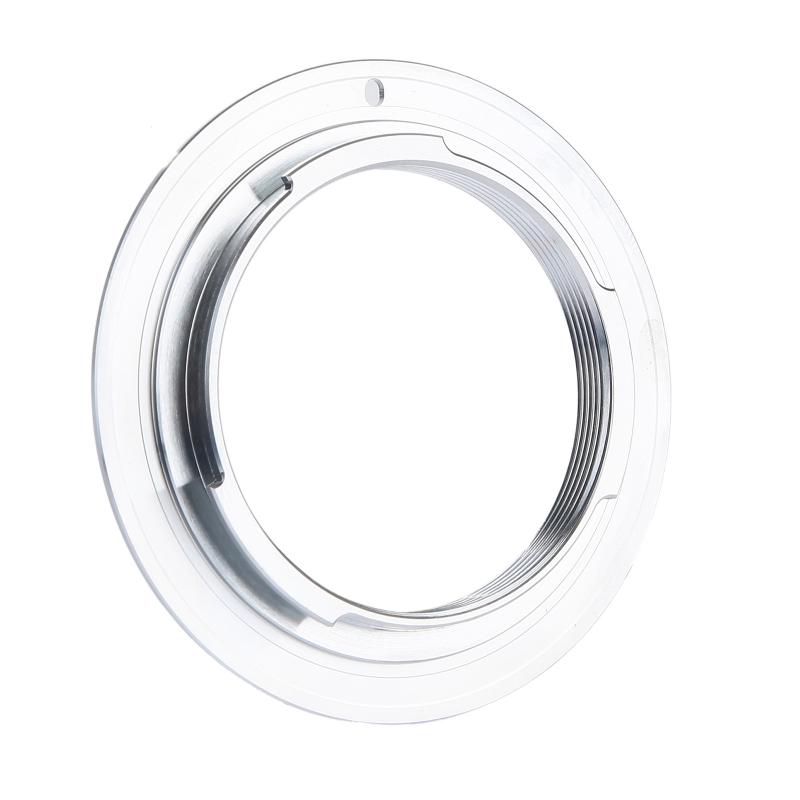
The lens mount used by a 35mm camera depends on the manufacturer and the specific camera model. Below are some of the most common lens mounts associated with 35mm cameras:
1. Canon EF Mount
- Introduced: 1987
- Compatibility: Canon EOS film and digital cameras
- Details: The EF (Electro-Focus) mount is one of the most popular mounts for 35mm cameras. It supports autofocus and electronic aperture control, making it a versatile choice for both film and digital photography. Canon also introduced the EF-S mount for crop-sensor cameras, but these lenses are not compatible with full-frame 35mm cameras.
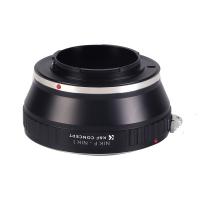
2. Nikon F Mount
- Introduced: 1959
- Compatibility: Nikon film and digital SLR cameras
- Details: The Nikon F mount is one of the longest-running lens mounts in photography history. It has been used on both film and digital cameras, and many older lenses are still compatible with modern Nikon DSLRs. However, some features like autofocus may not work on older lenses.
3. Pentax K Mount
- Introduced: 1975
- Compatibility: Pentax film and digital cameras
- Details: The K mount is another long-standing lens mount that has been used on a variety of 35mm film cameras. Pentax has maintained backward compatibility, allowing photographers to use older lenses on newer cameras.
4. Minolta/Sony A Mount
- Introduced: 1985 (by Minolta)
- Compatibility: Minolta and Sony Alpha cameras
- Details: Minolta introduced the A mount for its autofocus film cameras, and Sony continued its use after acquiring Minolta’s camera division. While Sony has shifted focus to the E mount for its mirrorless cameras, the A mount remains relevant for older 35mm film and digital cameras.
5. Leica M Mount
- Introduced: 1954
- Compatibility: Leica rangefinder cameras
- Details: The M mount is synonymous with Leica’s iconic rangefinder cameras. It is a manual-focus mount that has been used on 35mm film cameras for decades. Leica lenses are renowned for their optical quality, making them a favorite among professional photographers.
6. Contax/Yashica (C/Y) Mount
- Introduced: 1975
- Compatibility: Contax and Yashica film cameras
- Details: The C/Y mount was developed for Contax and Yashica 35mm film cameras. While these brands are no longer active in the camera market, their lenses are still sought after by enthusiasts.
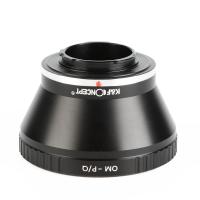
7. Olympus OM Mount
- Introduced: 1972
- Compatibility: Olympus OM-series film cameras
- Details: The OM mount was used on Olympus’s compact 35mm film cameras. These lenses are known for their small size and excellent optical quality.
Choosing the Right Lens for Your 35mm Camera
When selecting a lens for your 35mm camera, there are several factors to consider:
1. Compatibility
- Ensure that the lens mount matches your camera body. If you’re using a Canon EOS film camera, for example, you’ll need a lens with an EF mount.
- Check whether the lens supports the features you need, such as autofocus or electronic aperture control.
2. Focal Length
- The focal length determines the field of view of the lens. For 35mm cameras, a 50mm lens is considered a "normal" lens, offering a perspective similar to the human eye.
- Wide-angle lenses (e.g., 24mm) are ideal for landscapes, while telephoto lenses (e.g., 200mm) are better for wildlife and sports photography.
3. Lens Quality
- Consider the optical quality of the lens. Brands like Leica, Zeiss, and Canon L-series are known for their high-quality glass.
- Look for lenses with good reviews and minimal optical distortions.
4. Adaptability
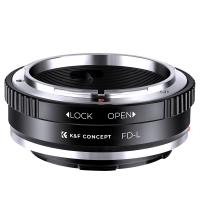
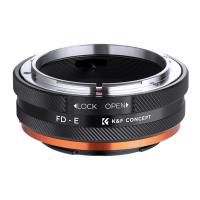
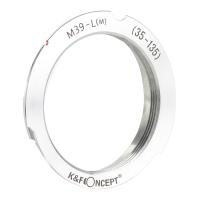
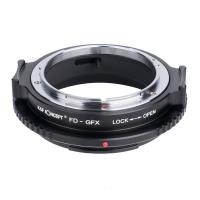
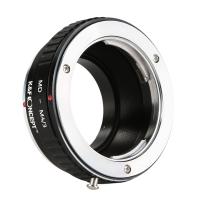
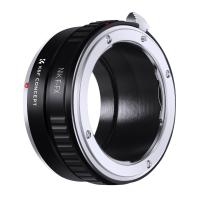
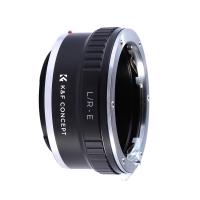
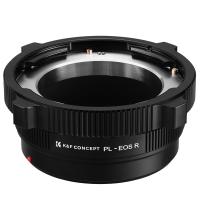
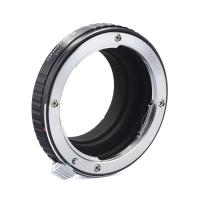
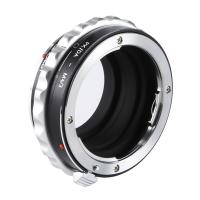
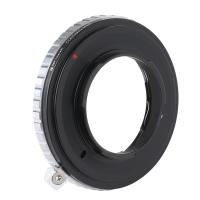
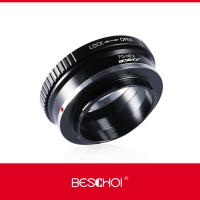
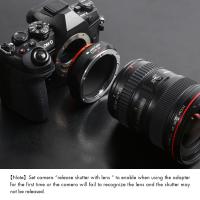
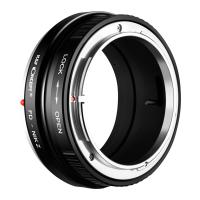
- If you own lenses with a different mount, you may be able to use an adapter to attach them to your camera. However, adapters can introduce limitations, such as the loss of autofocus.
5. Budget
- Lenses vary widely in price, from affordable options to high-end professional models. Determine your budget and prioritize the features that matter most to you.
Modern Adaptations: Using Vintage Lenses on Digital Cameras
One of the exciting developments in photography is the ability to use vintage 35mm film lenses on modern digital cameras. Mirrorless cameras, in particular, are well-suited for this because their short flange distance allows for the use of adapters. This opens up a world of creative possibilities, as vintage lenses often have unique optical characteristics that can’t be replicated by modern lenses.
The lens mount is a critical factor in determining which lenses you can use with your 35mm camera. Whether you’re shooting with a classic film camera or a modern digital model, understanding lens mounts will help you make informed decisions about your gear. By considering compatibility, focal length, lens quality, and budget, you can find the perfect lens to suit your photographic needs.
For those who enjoy experimenting, the ability to adapt vintage lenses to modern cameras adds another layer of creativity to the art of photography. So, whether you’re a beginner or a seasoned pro, take the time to explore the world of lens mounts and discover the endless possibilities they offer.