Which Is The Best Outdoor Wireless Security Camera?
The “best” outdoor wireless security camera depends less on the camera itself and more on what you need it to do every day. A camera watching a quiet front porch has different requirements than one covering a long driveway, a side gate, or a backyard with poor Wi-Fi.
If I had to pick one camera that works well for most homes, I’d start with the Arlo Pro 5S 2K. It has sharp video, good motion detection, color night vision, flexible placement, and a battery-powered design that makes installation fairly painless. It also works well if you want a proper multi-camera setup later.
But it is not the right answer for everyone. If you hate subscriptions, want local storage, or need a camera that runs for months without babysitting, there are better choices.
Best overall: Arlo Pro 5S 2K
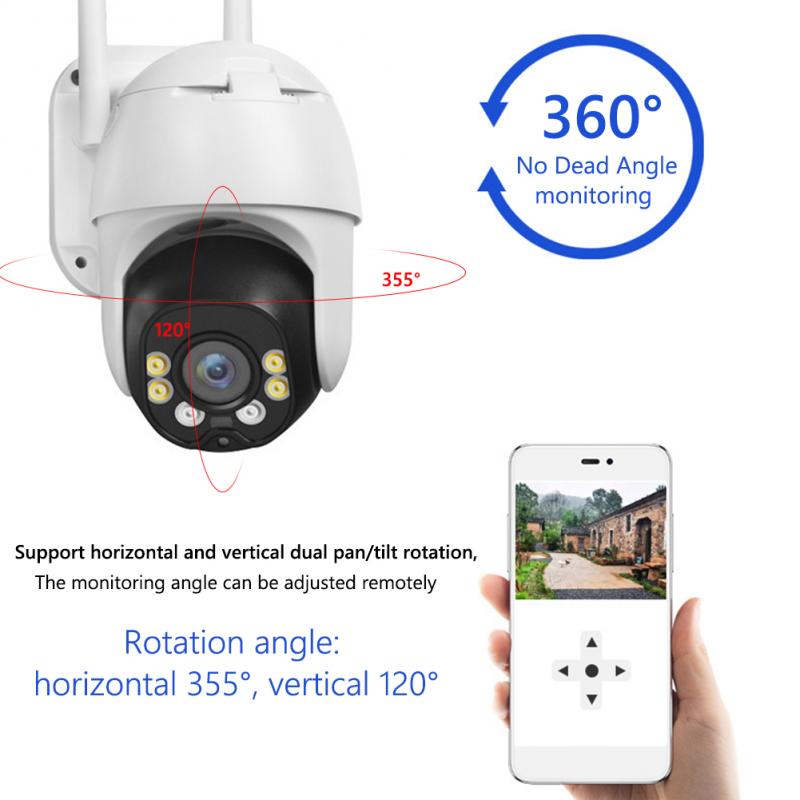
The Arlo Pro 5S 2K is the easiest recommendation for someone who wants a polished outdoor wireless camera and does not mind paying for a subscription.
The video quality is strong enough to make out faces, clothing, packages, and car details much better than older 1080p cameras. The wider field of view is useful for porches and driveways because you can cover more area without mounting two cameras. Motion alerts are usually quick, and Arlo’s app is one of the better ones for reviewing clips without feeling like you’re fighting the interface.
Where Arlo stands out is consistency. Some cheaper cameras look good on paper but miss motion, send late notifications, or record the tail end of an event. Arlo tends to be better at catching the useful part of the action, especially if the camera is mounted at a good angle and has a decent Wi-Fi signal.
The main downside is the ongoing cost. To get the best features, including smarter alerts and cloud recording, you’ll likely need an Arlo Secure plan. The battery also depends heavily on how busy the area is. A camera pointed at a sidewalk or street may need charging far more often than one watching a side gate.
Choose this if you want a reliable, flexible outdoor camera and you are comfortable paying for cloud features.
Best without a monthly fee: EufyCam 3
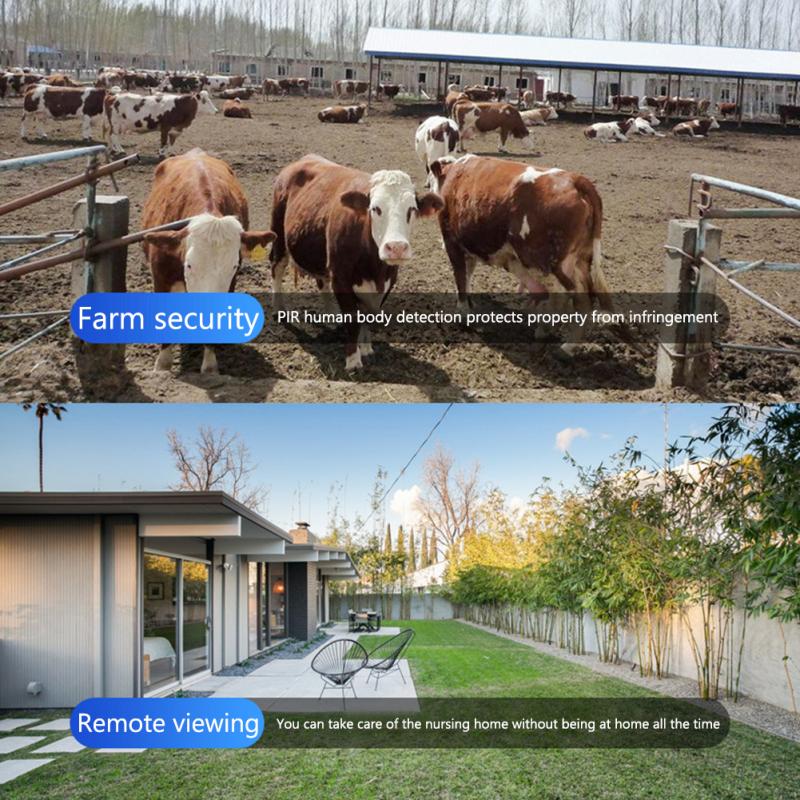
If you dislike subscriptions, EufyCam 3 is one of the strongest options. It records locally through its HomeBase, which means you are not forced into a monthly cloud plan just to review footage. For many homeowners, that alone makes it more appealing than Arlo, Ring, or Google Nest.
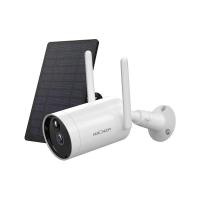
The EufyCam 3 also has very good battery life, especially compared with many compact wireless cameras. The built-in solar panel can help keep it topped up if the camera gets enough sunlight. In real use, solar performance depends on placement. A camera under a deep porch roof or shaded by trees will not charge as well as one on a sunny wall.
Video quality is sharp, and the system works nicely for people who want several cameras around the house without building a complicated setup. The HomeBase also helps reduce dependence on cloud storage, which is attractive if you care about privacy or just don’t want another subscription.
The trade-off is that Eufy’s app and detection can feel slightly less refined than Arlo’s or Google’s in some situations. You may spend more time adjusting motion zones and sensitivity to avoid false alerts from trees, shadows, or passing cars.
Choose this if local storage and avoiding monthly fees matter more than having the most polished cloud experience.
Best for Google Home users: Google Nest Cam Battery
The Google Nest Cam Battery makes the most sense if you already use Google Home devices. Its person, animal, vehicle, and package detection is very good, and the app experience is clean once everything is set up properly.
Nest cameras are especially nice for front doors, porches, and smaller outdoor areas where smart alerts matter more than extreme battery life. The camera does a good job telling the difference between meaningful activity and background movement. If you have ever used a cheaper camera that sends alerts every time a branch moves, you will appreciate this.
The downside is that the Nest Cam Battery is not the best choice for every location. Battery life can drop quickly in busy areas, and some of the best features require a Nest Aware subscription. It also has a slightly different recording behavior than traditional security cameras, so people expecting constant recording from a battery camera may be disappointed.
Choose this if you are already in the Google ecosystem and want smart, accurate alerts more than maximum customization.
Best for Alexa and Ring users: Ring Stick Up Cam Battery
The Ring Stick Up Cam Battery is a practical choice if you already use Ring doorbells, Ring alarms, or Alexa devices. The app is familiar, notifications are dependable, and installation is simple.
Ring’s biggest strength is the ecosystem. If you want a doorbell camera, floodlight camera, outdoor cameras, and alarm system all in one app, Ring is hard to beat. The Stick Up Cam Battery is also easy to mount in places where running wiring would be annoying.
Video quality is good enough for everyday use, though not the sharpest in this category. The camera is better for general awareness than capturing fine detail at distance. If you’re trying to identify license plates across a driveway at night, this is not the camera I’d rely on.
You’ll also need a Ring Protect plan if you want recorded video history. Without it, the camera is much less useful as a security device.
Choose this if you already use Ring or Alexa and want something simple that fits into that setup.
Best budget pick: Blink Outdoor
The Blink Outdoor camera is popular for a reason: it’s affordable, small, easy to install, and the battery life can be excellent. For basic monitoring around a house, shed, garage, or side yard, it can do the job.
It is not as advanced as Arlo, Nest, or Eufy. The video is more basic, motion detection is less sophisticated, and the overall experience feels more like a budget camera. But if your goal is simply to know when someone walks near a gate or approaches a back door, Blink can be enough.
The biggest mistake people make with Blink is expecting premium-camera performance at a budget price. It works best in low-traffic areas where it does not need to record constantly. Put it somewhere busy and you may get more alerts, more battery drain, and more frustration.
Choose this if you want a low-cost wireless camera for simple outdoor monitoring.
What matters more than the brand
Outdoor wireless cameras are easy to buy and surprisingly easy to place badly. Mounting location often matters more than camera specs.
A good outdoor camera should be mounted high enough that someone cannot easily grab it, but not so high that you only see the tops of heads. Around 7 to 9 feet is usually a good range for porches and entry points. Angle it slightly downward and avoid pointing it straight at the street unless you want endless vehicle alerts.
Wi-Fi strength is another big one. A camera can have great reviews and still perform poorly if it’s mounted at the edge of your network. Delayed alerts, missing clips, and failed live views are often Wi-Fi problems, not camera defects. If the camera is going on a detached garage, far driveway, or back fence, check signal strength before drilling holes.
Night performance also deserves realistic expectations. Color night vision usually needs some light from a porch, yard, or streetlamp. In total darkness, cameras switch to infrared, which can look clear but less detailed. Reflective surfaces, close walls, and spider webs near the lens can cause ugly glare at night.
Battery life is another area where marketing and reality often differ. A camera advertised as lasting several months may only do that in a quiet location with moderate weather and limited recordings. Cold weather, frequent motion, live viewing, and high sensitivity settings all drain batteries faster.
Wireless does not always mean maintenance-free
Battery-powered cameras are convenient, but they are not “install and forget” devices. You will eventually need to recharge them, clean the lens, update settings, and adjust motion zones.
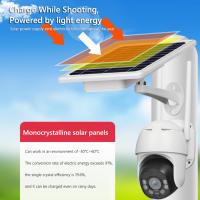
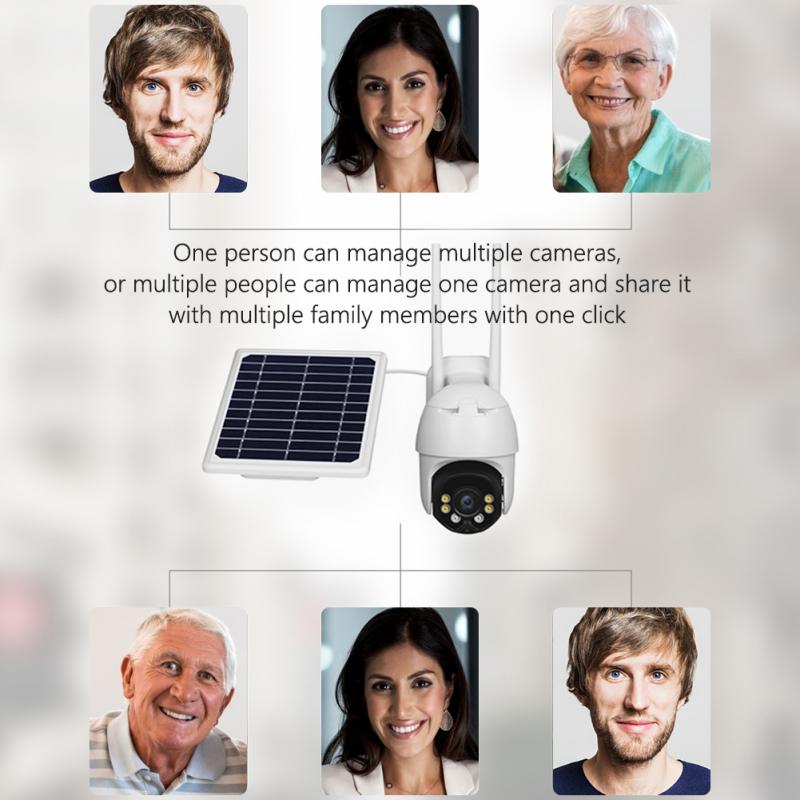
If the camera is mounted somewhere difficult to reach, consider a solar panel or a wired model instead. A battery camera 12 feet up under an eave may sound fine during installation, then become annoying every time it needs charging.
For high-traffic areas, a wired outdoor camera or floodlight camera is often better. Wireless battery cameras are best for flexibility, not continuous heavy recording.
My practical recommendation
For most people, I’d choose based on ecosystem and subscription preference:
If you want the best all-around outdoor wireless camera and don’t mind a subscription, get the Arlo Pro 5S 2K.
If you want to avoid monthly fees, get the EufyCam 3.
If your home already runs on Google Home, get the Google Nest Cam Battery.
If you already use Ring or Alexa, get the Ring Stick Up Cam Battery.
If you want something cheap and simple, get the Blink Outdoor.
The safest overall pick is Arlo. The smartest long-term value is probably Eufy if local storage matters to you. Just don’t choose only by resolution or price. A good outdoor security camera is the one that sends useful alerts, records the moments you actually care about, and works reliably in the spot where you need it.