What Size Binoculars?
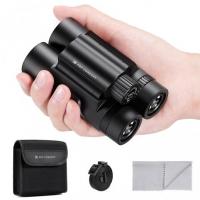
Choosing the right size of binoculars can be a daunting task for many people, especially for those venturing into a hobby or profession that requires magnification. Whether you're a birdwatcher, traveler, astronomer, or sports enthusiast, the size of your binoculars can greatly impact your experience, comfort, and efficiency in observing your target. In this article, we’ll explore the factors that influence binocular sizing and help you make an informed choice tailored to your specific needs.
The Basics of Binocular Sizes
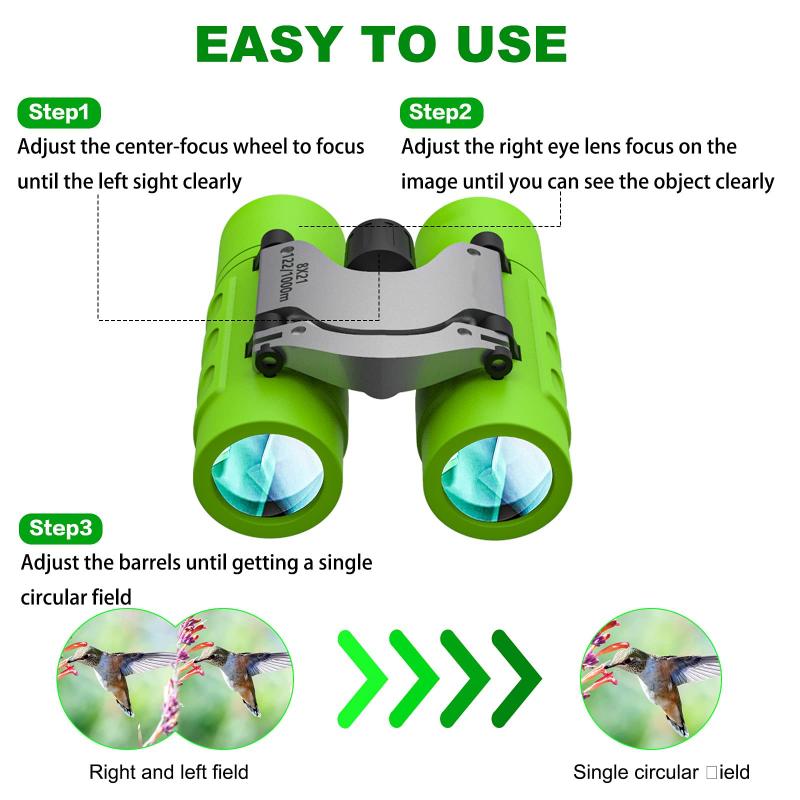
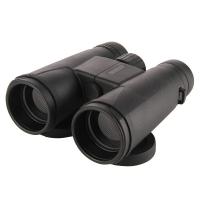
Binoculars are typically categorized by a set of numbers, such as 8x42 or 10x50. These numbers may initially seem confusing, but they provide key insights into the device's performance.
1. Magnification (First Number): The first number refers to the power of magnification. For example, an 8x binocular will make objects appear eight times closer than they are to the naked eye. Higher magnification, such as 10x, provides enhanced detail but may reduce the steadiness of the image due to hand movement and vibration.
2. Objective Lens Diameter (Second Number): The second number refers to the diameter of the objective lens in millimeters. Larger objective lenses (e.g., 42mm or 50mm) allow more light to enter, resulting in brighter and clearer images, particularly in low light conditions. However, larger lenses also make binoculars bulkier and heavier.
Types of Binocular Sizes and Their Uses
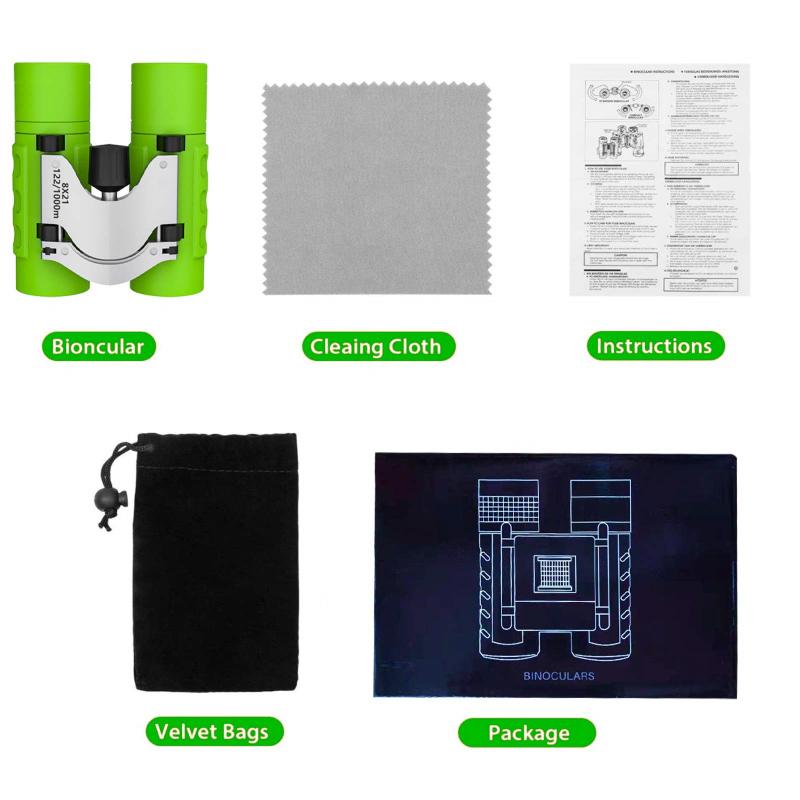
The size of binoculars is often associated with their intended applications. Here’s a breakdown of common sizes and their suitability for various activities:
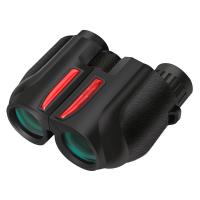
1. Compact Binoculars – Examples: 8x25, 10x28
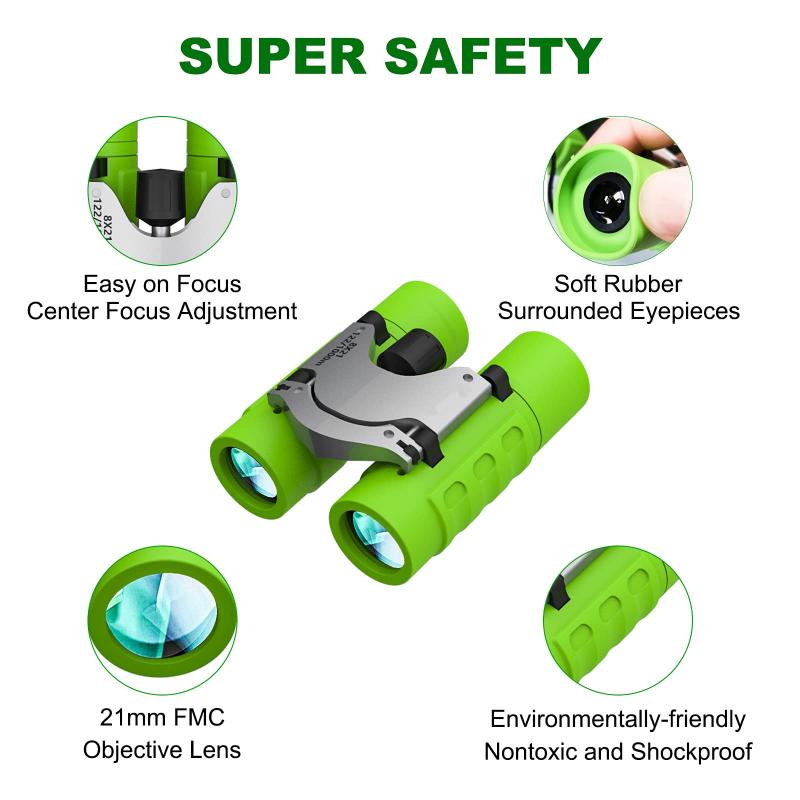
Compact binoculars are lightweight and easily portable, making them ideal for casual users. They’re perfect for outdoor adventures like hiking, city travel, or daytime events since their smaller objective lenses make them less effective in dim light.
Advantages:
- Lightweight and convenient to carry.
- Great for short-term usage and casual observation.
Drawbacks:
- Poor performance in low-light conditions.
- Limited field of view due to smaller lens size.
2. Mid-Sized Binoculars – Examples: 7x35, 8x42, 10x42

Mid-sized binoculars strike a balance between portability and image quality. They’re favored by birdwatchers, wildlife observers, and sports enthusiasts for their versatility. They offer better brightness and clarity than compact binoculars without being excessively heavy.
Advantages:
- Good performance in various light conditions.
- Wider field of view than compact models.
Drawbacks:
- Heavier than compact binoculars.
- May not feel as portable for casual users.
3. Full-Sized Binoculars – Examples: 10x50, 12x56
Full-sized binoculars are designed for activities that require precise detail and excellent performance in low-light environments. Stargazing, long-range wildlife observation, and marine applications often call for larger models. While these binoculars provide top-notch image quality, they’re bulkier and may require a tripod for stability.
Advantages:
- Exceptional brightness and clarity.
- Suitable for stargazing, astronomy, and low-light applications.
Drawbacks:
- Heavy and inconvenient to carry for extended periods.
- More expensive due to advanced optics.
Key Factors to Consider When Selecting Binocular Size
Now that the types of binocular sizes are clear, let’s delve into the specific factors that influence your choice. Considering these criteria will guide you toward the size best suited to your needs.
1. Magnification and Field of View
While higher magnification provides more detail, it comes at the cost of a narrower field of view (the observable area visible through the binoculars). For fast-moving objects like birds or sports players, a wider field of view is crucial to track movement. An 8x magnification is widely regarded as the sweet spot for many users since it delivers both a stable image and a usable field of view.
2. Lighting Conditions of Your Activity
If you’ll be using binoculars primarily during the day, compact or mid-sized models will suffice. However, for dim-light environments, larger objective lenses (e.g., 42mm or more) become essential to ensure enough light enters the binoculars, allowing clear visibility.
3. Portability and Comfort
The size and weight of binoculars directly impact their ease of use. For travelers, hikers, or individuals who prioritize portability, compact binoculars are a practical choice. Conversely, stationary activities like stargazing may allow for heavier full-sized binoculars since the weight isn’t a limiting factor.
4. Image Stability
Higher magnifications, such as 10x or above, can lead to shaky images, especially if used while handheld. If image stability is critical, consider mid-range magnification options or pair larger binoculars with tripods.
5. Your Physical Ability
If you’re using binoculars for an extended period, the weight and ergonomics of the device become important. For elderly users or those with limited hand strength, lighter compact models are more comfortable and less fatiguing to hold.
Common Misconceptions About Binocular Size
While many users focus primarily on magnification as the decisive factor, other aspects such as lens diameter, comfort, and intended use are equally, if not more, important. A higher magnification does not necessarily mean better binoculars for every activity—in fact, excessive magnification can hinder your experience due to shakiness and a reduced field of view.
Similarly, bigger isn’t always better. Although large binoculars produce brighter images, their weight and bulk can make them unsuitable for activities like hiking or attending sporting events.
Practical Tips for Choosing Your Binoculars
1. Try Before You Buy: Whenever possible, test out different sizes and models to evaluate their clarity, weight, and comfort. Ensure that the binoculars fit well in your hands and are easy to adjust.
2. Prioritize Your Intended Use: Think carefully about where you will use the binoculars. Stargazing requires different features compared to birdwatching or traveling, so match the binocular size to your activity.
3. Consider the Balance of Specifications: Avoid focusing solely on magnification or lens size. Choose models that balance magnification, field of view, portability, and durability.
4. Invest in Accessories: For larger binoculars, invest in a quality tripod to stabilize the device. Similarly, protective cases and lens covers can extend the lifespan of your binoculars.
Popular Binocular Sizes by Activity
To give you quick guidance, here are the popular sizes recommended for specific activities:
Birdwatching: 8x42 or 10x42 (balanced magnification and brightness).
Traveling: 8x25 or 10x28 (lightweight and portable).
Stargazing: 10x50 or 15x70 (large lens for maximum brightness).
Sports Events: 7x35 or 10x42 (wider field of view for tracking movement).
Hiking: 8x25 or 10x32 (compact for easy portability).
Selecting the right size binoculars involves more than just understanding their technical specifications. It requires careful consideration of your unique needs, activity type, and comfort preferences. While compact binoculars cater to casual users or travelers, mid-and full-sized models are better suited for dedicated enthusiasts and professionals.
Ultimately, your choice should strike a balance between practicality and performance. By carefully weighing factors such as magnification, lens size, lighting conditions, and portability, you’ll be able to select binoculars that enhance your viewing experience without unnecessary hassle. Remember, the "best" binocular size is the one that fits seamlessly into your lifestyle and delivers the clarity and convenience you need.