What Projector For Outdoor Movies?
If you’re buying a projector mainly for outdoor movies, don’t start with the biggest advertised number on the box. Start with where you’ll actually use it: backyard, patio, campsite, driveway, or a white garage door after sunset. Outdoor projection is less forgiving than indoor use, and the “best” projector depends heavily on light, screen size, power, sound, and how much setup you’re willing to deal with.
For most people, the right outdoor movie projector is a bright 1080p model with at least 500–1,000 real ANSI lumens, easy focus and keystone adjustment, HDMI input, and preferably built-in streaming or a simple way to connect a Roku, Fire TV Stick, Apple TV, or laptop. If you want a big, crisp picture on a 100-inch screen after dark, that matters much more than chasing a cheap “4K supported” projector with weak brightness.
The biggest mistake: buying based on fake brightness claims
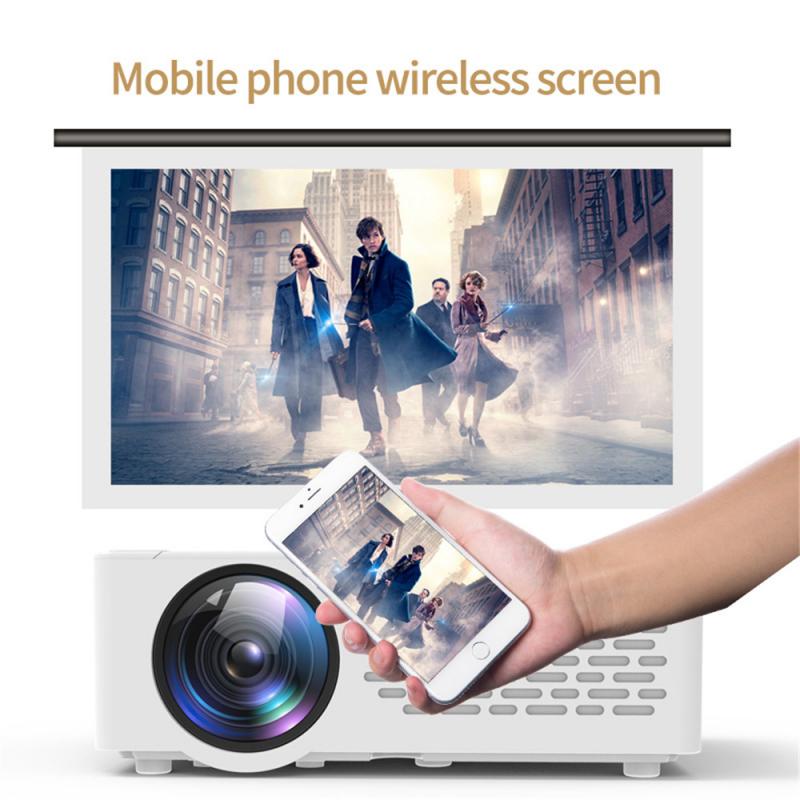
A lot of budget projectors advertise numbers like “12,000 lumens” or “20,000 lumens.” In real use, many of them are nowhere near that bright. What you want to look for is ANSI lumens, which is a more reliable brightness measurement.
For outdoor movies, brightness is the difference between “this looks like a real movie night” and “everyone is squinting at a washed-out image.”
Here’s the practical range:
- Under 300 ANSI lumens: Fine for a small image in a very dark backyard, but limited. Better for camping or casual use.
- 500–800 ANSI lumens: Good starting point for outdoor movies after sunset on an 80–100 inch screen.
- 1,000–2,000 ANSI lumens: Much better if you want a larger screen, some nearby porch lighting, or a picture with stronger contrast.
- Over 2,000 ANSI lumens: Great for bigger setups, community nights, or situations where you can’t fully control ambient light.
No projector looks good outside in daylight unless it’s extremely bright and paired with a proper screen, and even then it’s usually disappointing. For backyard movies, plan to start after sunset, not at dusk if you want the picture to pop.
1080p is the sweet spot for most outdoor movie nights
You don’t need a true 4K projector for casual outdoor movies unless you’re building a serious backyard theater. A good 1080p projector usually beats a cheap “4K supported” projector.
That phrase — 4K supported — often means the projector can accept a 4K signal but only displays it at a lower native resolution. The important spec is native resolution. Look for:
- Native 1080p for most people
- Native 720p only if you’re on a tight budget or using a smaller screen
- True 4K if you have the budget and care about fine detail on a large screen
At typical outdoor viewing distances, a solid 1080p projector looks plenty sharp on a 100-inch screen. Most guests won’t complain about pixel structure. They will complain if the image is dim, the sound is weak, or the movie keeps buffering.
Portable projector or regular home projector?
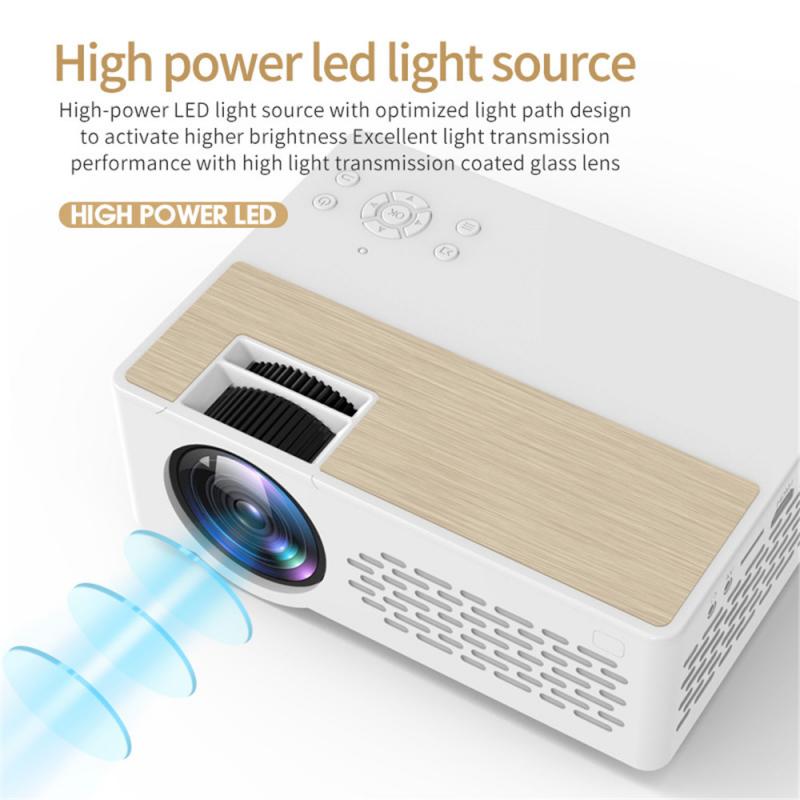
There are two main routes: portable projectors and traditional plug-in projectors.
A portable projector is easier if you want quick setup, battery power, built-in apps, and minimal cables. These are great for patios, camping, kids’ movie nights, or renters who don’t want a permanent setup. The trade-off is brightness. Many compact projectors look good only after it’s fully dark, and battery mode often reduces brightness.
A regular home projector usually gives you a brighter, better image for the money, but you’ll need power, a media source, and probably an external speaker. For a backyard where you can run an extension cord safely, this is often the better value.
If I were setting up a recurring backyard movie night, I’d choose a brighter plug-in 1080p projector over a tiny battery projector. If I wanted something for camping or occasional use with kids, I’d accept the dimmer image for the convenience of a portable model.
Don’t rely on built-in speakers
Projector speakers are usually the weakest part of the experience. Some portable projectors sound decent at close range, but outdoors the sound disappears quickly. There are no walls to help reflect audio, and background noise — neighbors, traffic, insects, wind, people talking — makes small speakers feel even smaller.
A simple Bluetooth speaker is often enough for a family movie night. For a larger group, use a powered speaker, soundbar, or portable PA-style speaker with an aux input.
One thing to check before buying: audio delay. Some projectors and Bluetooth speakers can create lip-sync issues. If you’re sensitive to that, use a wired audio connection when possible. A basic 3.5mm cable from the projector or streaming device to a speaker can save a lot of frustration.
Built-in streaming is convenient, but not always perfect
Many outdoor-friendly projectors include smart TV apps. That sounds great, but the experience varies. Some have slow menus, limited app support, or outdated software. Netflix can be especially inconsistent on off-brand projectors because of app licensing.
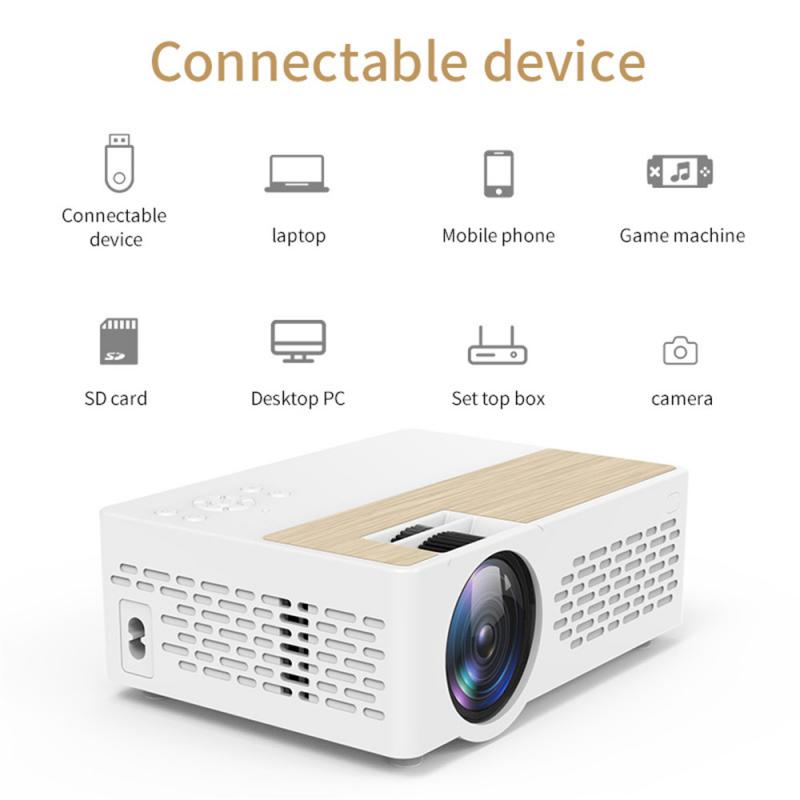
A streaming stick is often the cleaner solution. Plug a Roku, Fire TV Stick, Chromecast, or Apple TV into the HDMI port, connect it to Wi-Fi, and you’re set. Just make sure the projector has a USB port that can power the stick, or bring the stick’s power adapter.
For camping or places without Wi-Fi, download movies beforehand on a laptop, tablet, or phone. Don’t assume your phone hotspot will be strong enough once everyone is settled in and the movie has started.
The screen matters more than people expect
You can project onto a white wall, sheet, garage door, or fence, but a proper outdoor screen makes a noticeable difference. A wrinkled sheet is the classic budget mistake. It moves in the wind, shows folds, and kills contrast.
A simple foldable projector screen with a frame is worth it if you plan to do this more than once. Look for something around 100 inches for a normal backyard. Bigger is fun, but it demands more brightness and more distance.
If you’re using a screen outside, secure it well. Even a light breeze can turn a screen into a sail. Stakes, sandbags, clamps, and bungee cords are not optional if the screen is freestanding.
Short throw can help in small yards
Throw distance is how far the projector needs to sit from the screen. Some projectors need 10 feet or more to create a 100-inch image. In a small patio, that can be awkward.
If space is limited, look for a short-throw projector or check the manufacturer’s throw calculator before buying. Don’t guess. A projector that cannot make the image size you want from the distance you have will be annoying every single time you use it.
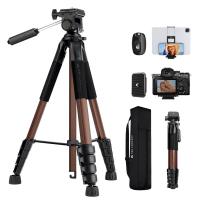
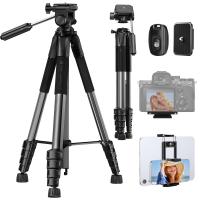
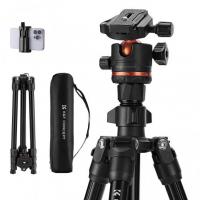
Also think about where people will sit. If the projector sits behind the seating area, people may walk through the beam. If it sits on a low table in front, someone may bump it. A small tripod or adjustable stand helps a lot.
Features worth paying for
Some features sound minor until you’re setting up in the dark with guests waiting.
Auto focus is useful, especially on portable projectors. Manual focus is fine, but it can be fiddly if the projector moves.
Auto keystone correction helps square the image when the projector is not perfectly centered. Still, don’t rely on keystone too much. Heavy correction can soften the picture. The best image comes from placing the projector straight in front of the screen.
HDMI input is non-negotiable. Even if the projector has smart apps, HDMI gives you options.
Tripod mount is very useful for outdoor setups. Balancing a projector on a chair and a stack of books works once, then gets old.
USB power output is handy for streaming sticks.
Quiet fan noise matters less outdoors than indoors, but loud fans can still be distracting if the projector sits near viewers.
What I’d buy for different outdoor setups
For a simple backyard movie night, I’d look for a native 1080p projector with around 800–1,500 ANSI lumens, HDMI, and decent adjustment controls. Pair it with a 100-inch screen and an external speaker. This gives the best mix of price, picture quality, and reliability.
For camping, I’d choose a portable battery-powered projector with built-in streaming or USB-C/HDMI support, knowing the image won’t be as bright. I’d keep the screen smaller — maybe 60 to 80 inches — and start the movie once it’s fully dark.
For a neighborhood or large family setup, I’d go brighter: 2,000 ANSI lumens or more, a sturdy screen, and a real speaker. At that point, sound and setup stability matter as much as the projector.
For sports outside, I’d be more cautious. Sports often happen before it’s fully dark, and projectors struggle with ambient light. If football or daytime viewing is the main goal, a very bright projector and an ambient-light-rejecting screen may still disappoint compared with a large outdoor TV.
Don’t forget weather, bugs, and power
Most projectors are not weatherproof. Don’t leave one outside overnight, and don’t use it where sprinklers, mist, or sudden rain can reach it. Humidity and dust are not great for projector internals either.
Use an outdoor-rated extension cord, keep plugs off wet ground, and avoid creating a trip hazard across the yard. Tape down cords or route them along edges where people won’t walk.
Bugs are another real-world issue. A bright screen can attract them. Keeping a small light source away from the screen sometimes helps draw insects elsewhere, and placing the projector away from shrubs or standing water can reduce the swarm.
So, what projector should you get?
For most outdoor movie nights, choose a native 1080p projector with at least 800 ANSI lumens, HDMI, simple setup controls, and an external speaker. If you want convenience over picture quality, go portable. If you want the best image for the money, go with a brighter plug-in model.
The best outdoor projector is not the one with the flashiest specs. It’s the one bright enough for your screen size, easy enough to set up without turning movie night into a technical project, and reliable enough that people remember the film — not the equipment problems.