What Is Gimbal Camera?
Gimbal cameras have revolutionized modern photography and videography, providing enthusiasts and professionals with a tool that offers unmatched stabilization and fluidity. Whether you're capturing cinematic footage, documenting an adventure, or creating social media content, the gimbal camera is increasingly becoming an essential piece of equipment. In this article, we'll explore what a gimbal camera is, how it works, its benefits, unique use cases, and practical recommendations for selecting and using one effectively.
What Is a Gimbal Camera?
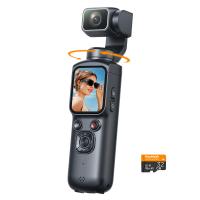
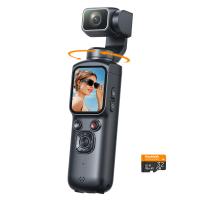
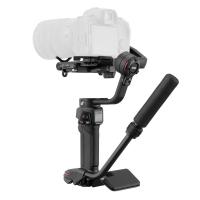
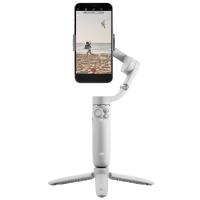
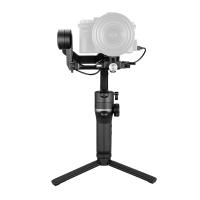
A gimbal camera is a device equipped with a motorized stabilizer system designed to eliminate unwanted shakes and movements, allowing the user to capture smooth and professional-grade videos and photos. The gimbal component acts as an intelligent mount that keeps the camera’s orientation steady, regardless of external motions.
At its core, a gimbal uses a system of gyroscopes, sensors, and motors to balance the camera and maintain level footage. It compensates for movements such as tilts, rotations, and vibrations in real-time. These devices are popular with filmmakers, vloggers, adventure travelers, and even drone users, as they excel in dynamic environments where hand-held cameras might struggle to produce steady results.
How Gimbal Cameras Work
The key to understanding gimbal cameras lies in the mechanism of gimbals themselves. Gimbal stabilizers generally provide stabilization across three axes: pitch (up and down movement), yaw (side-to-side movement), and roll (rotation). Here’s a simplified breakdown of how they work:
1. Sensors and Gyroscopes: The gimbal is equipped with gyroscopes and sensors that detect sudden movements and shifts in orientation.
2. Motors: Brushless motors respond instantly to counteract these movements by adjusting the camera’s position on its axes.
3. Algorithmic Precision: Intelligent algorithms calculate the precise motor adjustments needed to maintain stabilization, ensuring that the footage remains smooth even when the user is running, walking, or using the device on uneven terrain.
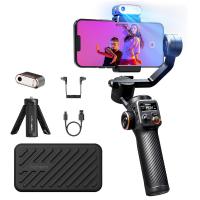
Gimbals come in handheld forms (often paired with action cameras or built-in cameras) and as attachments for drones, professional filming rigs, and smartphones. Combined with advanced software, they frequently offer additional features such as object tracking, time-lapse modes, and programmable movements to enhance creative control.
Why Use a Gimbal Camera?
To appreciate the value of a gimbal camera, it’s crucial to understand the inherent challenges of capturing footage in motion. Without stabilization, even the steadiest hands will introduce some degree of wobble or shake. While traditional tools like tripods or steady-cam harnesses are helpful, they can be cumbersome, limiting mobility in active scenarios like sports, travel, or live event coverage. Gimbal cameras directly address these challenges by delivering seamless stabilization in a compact and portable package.
Here are some key benefits of using a gimbal camera:
1. Smooth Footage: The primary advantage is the elimination of camera shake, resulting in professional-quality output without needing extensive post-production editing.
2. Versatility: Whether mounted on drones, handheld, or attached to moving vehicles, gimbal cameras perform well across a variety of settings.
3. Ease of Use: Many modern gimbal cameras are user-friendly, with intuitive controls and automated modes designed for beginners and experts alike.
4. Creative Potential: Features like programmable tracking paths, slow-motion recording, and motion time-lapse allow for unique artistic expression.
5. Portability: Compact designs and lightweight materials make gimbal cameras convenient for on-the-go creators.
Popular Use Cases
Gimbal cameras are versatile tools that suit a range of applications. Below are some of the most popular use cases:
1. Cinematography
Professionals use gimbal cameras for producing smooth cinematic shots, especially for scenes involving action, motion, or dynamic camera movements. These cameras allow filmmakers to create engaging visuals without the need for complex rigs.
2. Travel Vlogging
Travel vloggers rely on gimbal cameras to maintain high-quality shots while navigating crowded streets, hiking trails, or uneven terrain. The device ensures that their content looks polished, regardless of the environment.
3. Sports and Action Shots
Capturing fast-paced activities or extreme sports demands stability and precision, both of which gimbal cameras excel at. Whether mounted on a helmet or handheld during a race, they provide dynamic yet stable footage.
4. Drone Filming
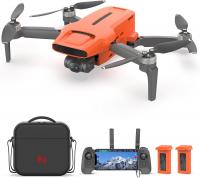
Many drones incorporate gimbal cameras into their design, ensuring aerial shots remain stable despite wind turbulence or sudden movements. This feature has transformed aerial photography and videography.
5. Social Media Content Creation
Content creators producing short videos for platforms like Instagram or TikTok use gimbal cameras to ensure their footage stands out, with smooth transitions and creative angles.
6. Events and Live Coverage
Gimbal cameras are widely used in weddings, concerts, and live events, where videographers need to move through crowds while still capturing steady, immersive footage.
Choosing the Right Gimbal Camera
The market is flooded with various gimbal cameras designed for different needs, so selecting the right one requires consideration of several factors:
1. Camera Compatibility
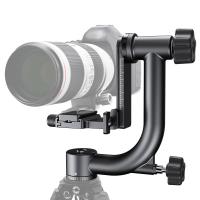
Determine whether the gimbal camera has a built-in lens or is compatible with the camera you already own. Some gimbals work with DSLRs, mirrorless cameras, action cameras, or smartphones.
2. Axis Stabilization
Ensure the gimbal supports three-axis stabilization for smoother footage. Some cheaper models only provide stabilization on two axes, which may not be ideal for intensive tasks.
3. Build Quality and Weight
Lightweight designs make handheld operation easier, but durability is equally important—especially if you plan to use the device for adventure or outdoor filming.
4. Battery Life
Choose a gimbal camera with sufficient battery life for your projects. Running out of charge mid-shoot can be frustrating, so look into options with quick-recharge capabilities.
5. Additional Features
Consider features like object tracking, motion control, time-lapse, and app compatibility. These added functionalities can expand your creative possibilities.
6. Price Range
Gimbal cameras come in a wide price range, from beginner-friendly models to high-end professional systems. Establish your budget and prioritize features accordingly.
Best Practices for Using a Gimbal Camera
To maximize the potential of your gimbal camera, follow these practical tips:
1. Balance the Camera Properly
For non-built-in gimbal systems, ensure your camera is balanced perfectly on its mount before powering it on. Improper balance can strain the motors and reduce stabilization efficiencies.
2. Use Correct Settings
Adapt the stabilization settings to match your shooting environment. For example, use "follow mode" for smooth pans or "lock mode" to keep the camera fixed on a specific object.
3. Operate Smoothly
While the gimbal compensates for most movements, operating the device gently can enhance its performance—abrupt jerks may still affect footage subtly.
4. Plan Movements in Advance
Consider the motion path you want to follow during filming to avoid unnecessary repositioning of the gimbal. Thoughtfully planned shots can save editing time.
5. Regular Maintenance
Keep your gimbal clean, free of debris, and ensure firmware updates are applied to access new features or fix potential bugs.
Final Thoughts
The emergence of gimbal cameras has marked a significant shift in how creators capture dynamic visuals. These devices take the guesswork out of stabilization, allowing users to focus on creativity and storytelling rather than technical limitations. With widespread applications in travel, sports, filmmaking, and social media content creation, gimbal cameras deliver smooth, professional quality footage that stands out in an increasingly visually-driven world.
Whether you’re a beginner exploring videography or an industry professional seeking top-tier tools, investing in a gimbal camera presents an opportunity to elevate your content and improve the impact of your visual storytelling. By understanding the technology, selecting the right gimbal, and implementing efficient practices, you can tap into the transformative power of this ingenious tool.