How To Carry Tripod On Backpack?
2026-06-27 00:49:38
0 Comments
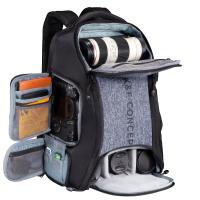
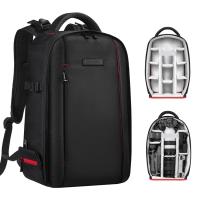
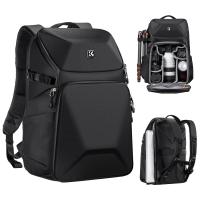
carry the tripod in a side pocket or inside the bag
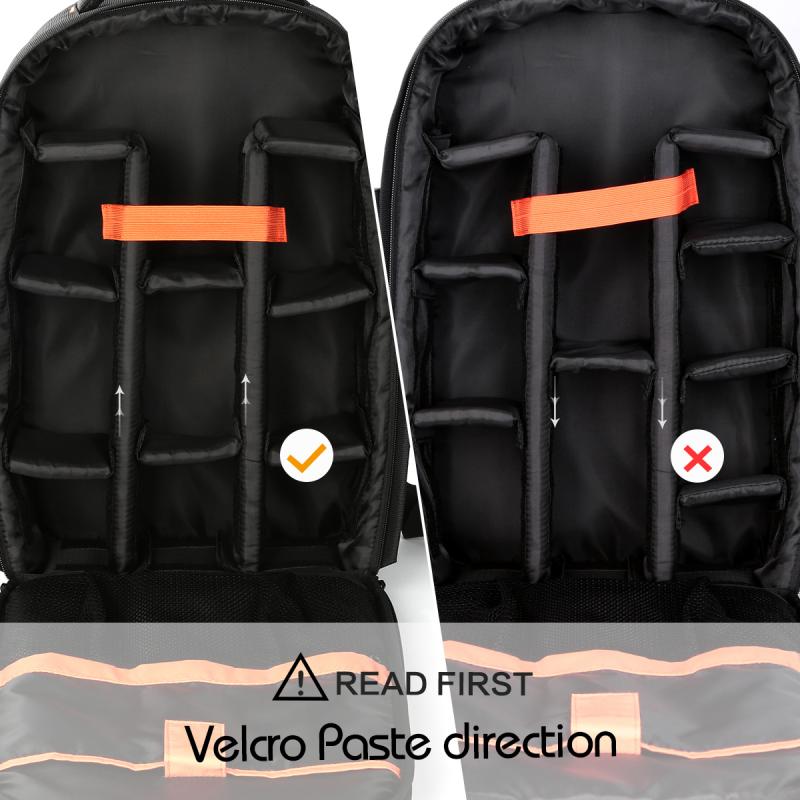
- slip it in the side pocket or inside of the bag.
- slip it into the side pocket like you would a water bottle, or place the edb dividers vertically in the backpack (the 15l is too short for that though).
- strap it in with the g-hook cords for extra security.
- then store the tripod vertically on either side so you can grab it via dual side access.
- you can also strap it underneath the bag.
- fits easily inside even when filled with the max packing units. use the soft case for extra protection.
- strap it on the outside of the small, medium, and large camera cubes using external carry straps.
backpacks with tripod straps
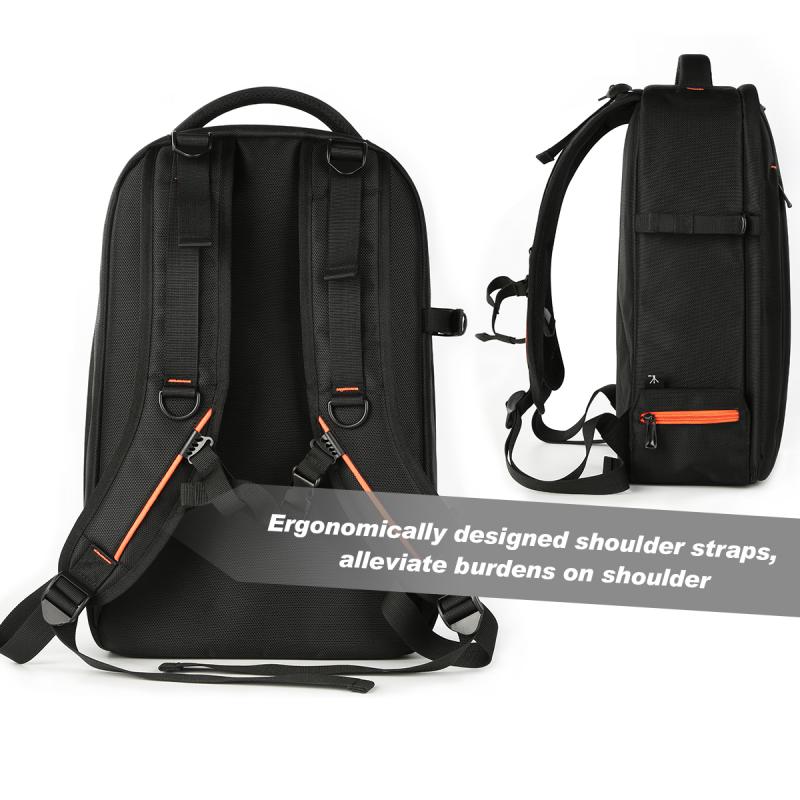
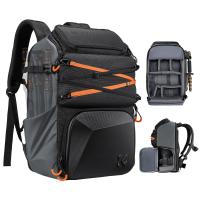
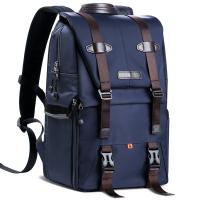
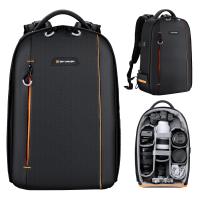
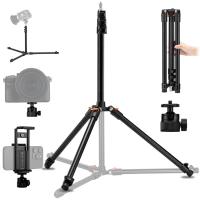
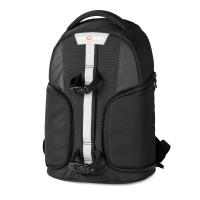
- backpacks with tripod straps: many camera backpacks feature external straps designed to hold a tripod securely.
- this is a convenient way to access the tripod without unpacking the entire bag.
- many camera backpacks come equipped with side or rear tripod holders.
- strapped securely, the tripod won’t get in your way as you traverse challenging landscapes or urban environments.
- some tripods can be strapped to belt loops, while smaller tabletop tripods can fit into side pockets of your backpack.
- if your tripod setup feels awkwardly bulky, consider detaching the tripod head and storing it separately in your bag.
- this can make it easier to carry the tripod in rough terrain or crowded areas.
use a backpack with a hip belt
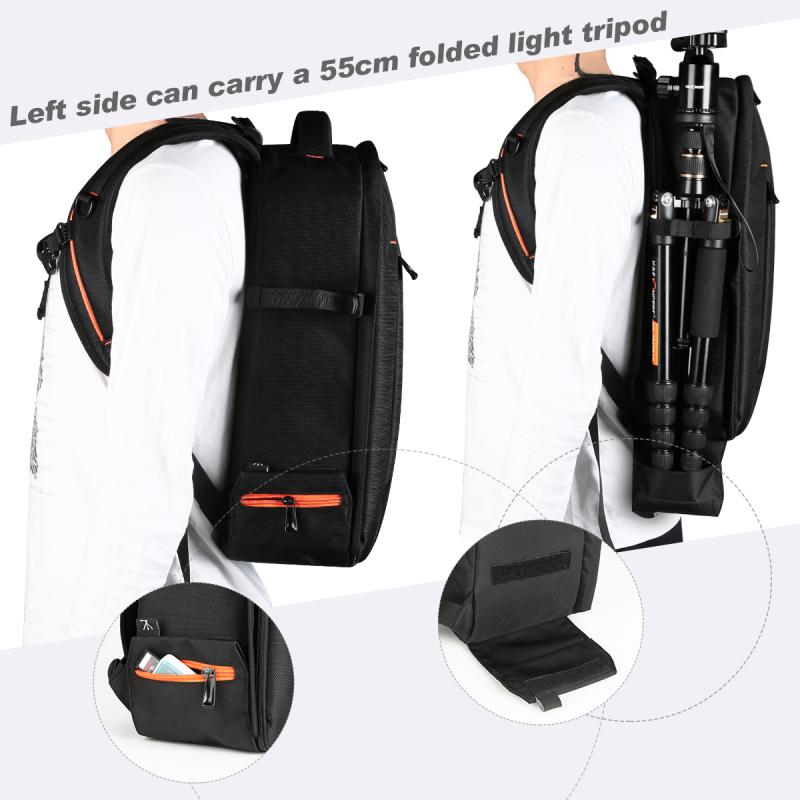
- get yourself a backpack with a hip belt. it'll take the weight off your shoulders.
- i have the peak designs everyday zip and i got the hip belt for it.
- regardless of if it's a camera bag or not, most of the weight from a backpack should be distributed through the hips.
- the shoulder straps should essentially just be keeping the bag in place rather than putting weight through your shoulders.
- a chest strap will also help.
- something like an fstop or shimoda bag, put the weight on your hips, not shoulders.
- then many of the problems you are having are resolved.
- using a backpack with a waist belt made for hiking was a huge improvement though, far less of my shoulders feeling like they were on fire after an hour or two with my old student backpack.
lash the tripod on the outside of the pack
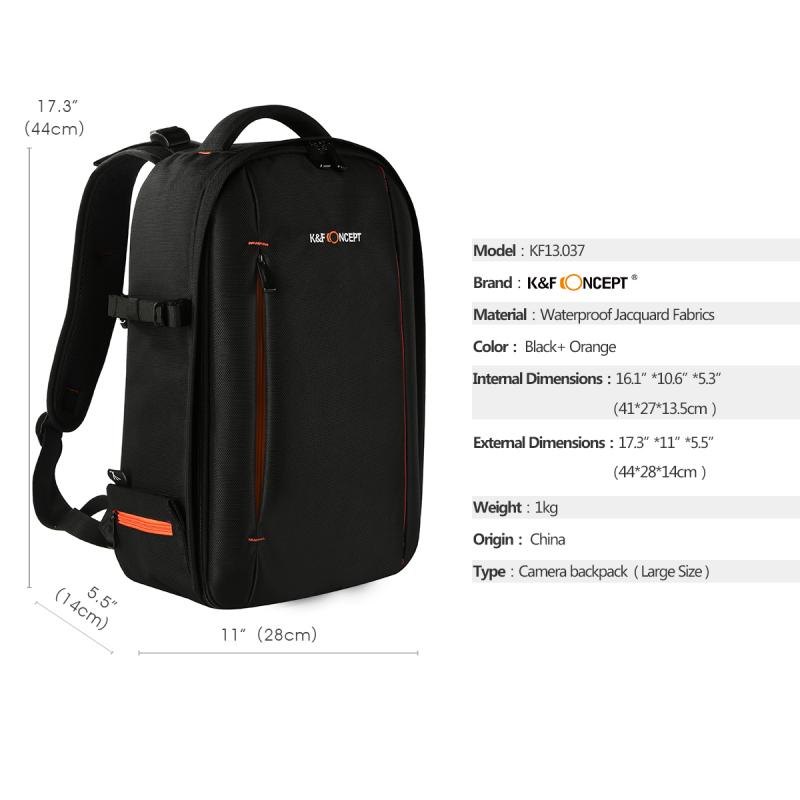
- the tripod gets lashed on the outside of the pack.
- sometimes i’ll put it on the left side if i’m carrying water on the right.
- on a longer hike with more water, those go in the side pockets and the tripod gets lashed down in the middle of the pack.
- hiking, i use an osprey snowboard pack i've shoved a camera insert into.
- it's got a great hip band to take the weight off your shoulders, it has straps to mount a snowboard down the center back that'll take my tripod just fine.
- also has straps to mount it horizontally under the pack but i find that gets on my nerves.
- camera goes in the camera insert when i don't need it and if i do want it out for easy access i have a black rapid camera strap that clips directly onto the pack straps, which allows that hip band to take most that weight as well.
side water bottle pocket
- i use an aluminum peak design travel tripod.
- they have carbon fiber if you want to save another 30% in weight.
- this fits easily in a side water pouch in my backpack.
- imho this is why the peak design travel tripod was worth the money.
- it is small enough to fit in a side water bottle pocket if your backpack has one.
- find a solid travel tripod.
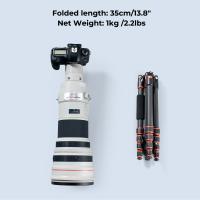
- i carry a "travel" tripod for scenarios like this which is a few inches shorter when folded up and weighs about a pound and some odd ounces less than my main tripod.
- backpack, get a cf or similar tripod to save weight
carry in hand or strapped to bag
- as for how i carry my tripod, i typically just carry it in my hand or strapped to my bag.
- i use it like a walking stick.
- sometimes collapsed and hold the head in my hand and other times extended.
- edit: don’t have problems bumping people in city with this method
- i usually hold mine like i'm holding a gun or i have it resting over my shoulder.
- i can now carry 26 lbs of equipment on my back, and i carry my tripod over my shoulder with my camera attached (even though it is not recommended).
pick your load out carefully
- pick your load out carefully.
- don't try to take your whole lineup of lenses and accessories.
- it sounds like your camera bag could use an upgrade.
- a better bag distributes the weight better and causes less shoulder fatigue when you're loaded down with gear.
- i will carry my camera/lens (often on a shoulder mounted peak designs capture clip), 1-2 additional lenses, a tripod, and usually a bottle of water and rain jacket.
- i find if i mount my tripod on the opposite side that my camera is mounted, everything sort of evens out.
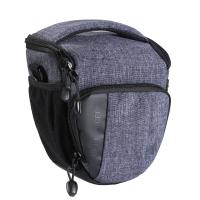
- i really liked my lowepro sling bag, spreads the weight out better than a shoulder bag and it's easy access.
- i believe you can strap a monopod to the side of it as well.
alternatives to traditional tripods
- i like a tripod but hate carrying one.
- instead, use a beanbag, and a string monopod.
- sew a small beanbag containing small beans or split peas.
- put it on anything to secure your camera: fences, car hoods, benches, a tree crotch, etc.
- make a string monopod with a large washer, a 1/4-20 bolt and about a meter of string.
- tie one end to the washer, the other to the bolt. adjust string length: eyes to ground.
- to use, thread the bolt into the camera body and throw the washer on the ground.
- step on the washer and pull the camera up to your eye, pulling the string taut.
- put your elbows against your ribs, to form a fairly stable camera platform.
smaller tripod options
- for urban, i don’t usually take a conventional tripod, but i did just pick up a little 6 inch one last fall for night exposures…should be adequate for resting on a wall, etc.
- if you've not got some monster glass on the camera you might be better off looking at something a lot lighter.
- i used a little manfrotto tripod for years and although it might not be the best if you're doing open bulb, you could just use a shutter switch.
- as i'm getting older though i'm beginning to appreciate ultralight gear.
- i'd rather spend a bit more money and not have to be uncomfortable all day.
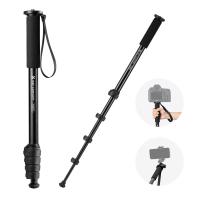
- monopods are lighter, easier to carry, and require less space than tripods.
- while they don’t offer the same stability, they can help eliminate camera shake in a pinch.
- tabletop tripods are compact and simple to pack.
Leave your comment
Note: HTML is not translated!