How Accurate Is Blood Oxygen On Smartwatch?
Blood oxygen level, also called oxygen saturation or SpO2, measures the percentage of oxygen your red blood cells carry from your lungs to the rest of your body. The majority of people have a blood oxygen level of 95–100%. A typically healthy range is 95% to 100%, but factors like exercise, elevation and health conditions can affect your results. Oxygen saturation levels below 90% are considered abnormal.
How Smartwatches Measure Blood Oxygen
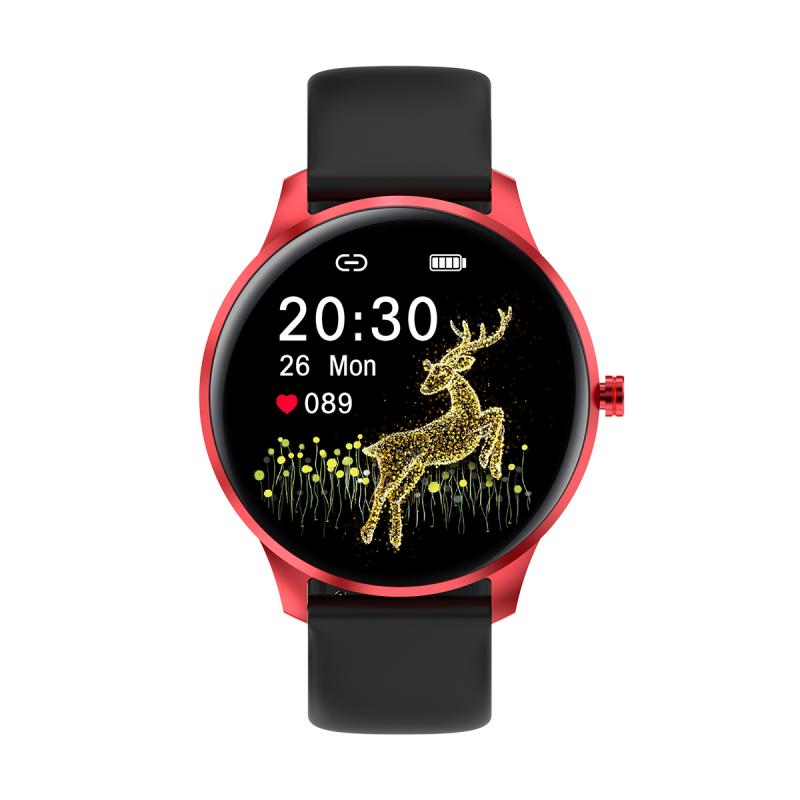
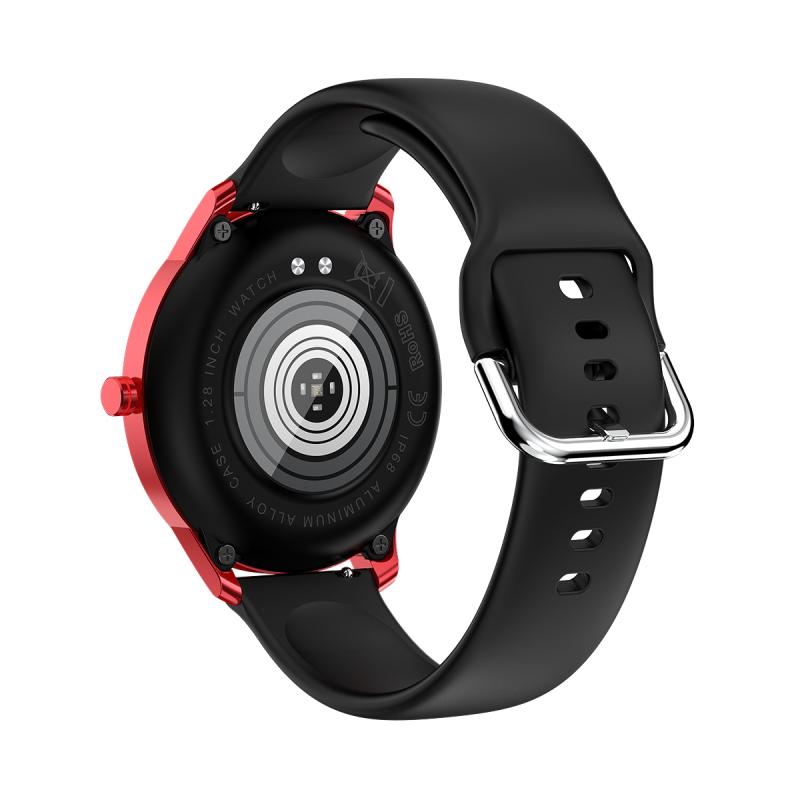
Oxygenated and deoxygenated blood absorb red and infrared light differently. This means the optical sensor at the back of the smartwatch can measure subtle signs of oxygen saturation in your blood. Most smartwatches use SpO2 sensors, also known as pulse oximeters, to measure blood oxygen levels. These sensors, located on the back of the watch, align with your wrist to monitor oxygen saturation in the blood.
In smartwatches, these sensors are miniaturized, using green, red, and infrared LEDs to shine light through the blood in your wrist. Photodiodes then measure the reflected light, and algorithms analyze the data to determine blood color — darker blood indicates lower oxygen levels — displaying your SpO2 on the watch or its app. The Apple Watch's original heart rate sensor used both green light (525 nanometers) and infrared light (850–940 nanometers). Blood oxygen sensing added a third red sensor (660 nanometers in wavelength) in 2020.
Some smartwatches use reflective pulse oximetry, which measures reflected light rather than light passing through the body. This allows blood oxygen levels to be assessed from areas like the wrist or chest. Light emitted by the watch's sensor is reflected by subsurface tissue or bone back to the sensor, which calculates the difference between emitted and reflected light to determine SpO2 levels.
Clinical Study Results on Smartwatch SpO2 Accuracy
A prospective multicenter validation study assessed the Apple Watch Series 7 and Withings ScanWatch inbuilt pulse oximetry against simultaneous ward-based oximetry as the reference standard, in 200 patients hospitalized with COVID-19. A total of 750 smartwatch pulse oximetry measurements and 400 ward oximetry readings were successfully obtained.
- For the detection of clinically significant hypoxia, the Apple Watch had a sensitivity and specificity of 34.8% and 97.5%, respectively, with a positive predictive value of 78.1% and negative predictive value of 85.6%.
- The Withings ScanWatch had a sensitivity and specificity of 68.5% and 80.8%, respectively, with a positive predictive value of 44.7% and negative predictive value of 91.9%.
- The overall accuracy was 84.9% for the Apple Watch and 78.5% for the Withings ScanWatch.
- The Spearman rank correlation coefficients reported a moderate correlation to ward-based photoplethysmography (Apple: rs=0.61; Withings: rs=0.51, both p<.01).
- Bland-Altman analysis for the Apple Watch reported a −0.78 bias with a wide 95% limits of agreement (−6.0% to 4.5%).
Although smartwatches are able to provide SpO2 readings, their overall accuracy may not be sufficient to replace the standard photoplethysmography technology in detecting hypoxia in patients with COVID-19.
Factors That Affect Measurement Accuracy
Blood oxygen saturation is inherently a noisy measurement. Trends matter more than individual points. Even for "medical-grade" oximeters, the error bounds for individual measurements are quite wide. To get an FDA clearance, about 95% of oxygen values must fall within 4–6% of the gold-standard value. This means if you see an SpO2 of 92%, the true value is likely between 88% and 96%.
- Fit and placement
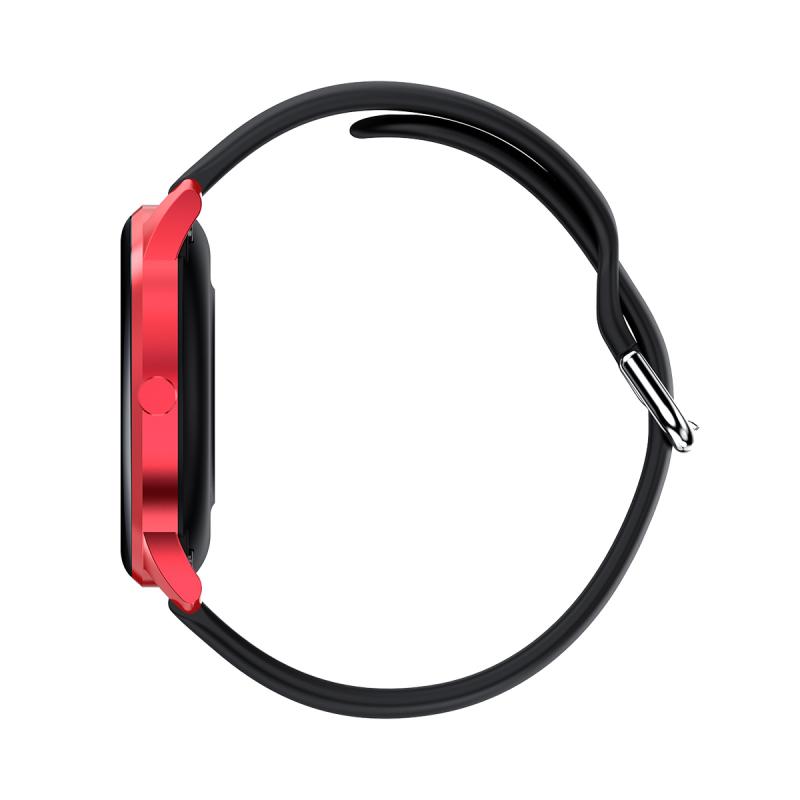
- When used on the wrist, it gives wild readings (true for all watches) with a very large margin of error. If the watch is too loose or too tight, it will not show correct numbers. Go one hole tighter with the strap or move your watch higher on your wrist for a tighter fit.
- Motion
- Motion is a factor that can affect your ability to get successful background or on-demand measurements. Certain postures, such as arms hanging by your side or fingers in a fist position, will also result in unsuccessful measurements. Don't move or talk while measuring.
- Skin perfusion
- Skin perfusion (or how much blood flows through your skin) can impact measurements. Skin perfusion varies significantly from person to person and can also be impacted by the environment. If you are out in the cold, for example, the skin perfusion in your wrist might be too low for the sensor to work.
- Skin pigmentation and tattoos
- Studies have shown medical-grade pulse oximeters can over-estimate oxygen saturation for people with darker skin pigmentation. Permanent or temporary changes to your skin, such as some tattoos, can also impact performance. The ink, pattern, and saturation of some tattoos can block light from the sensor.
- Heart rate
- If your heart rate is too high (above 150 bpm) while at rest, you won't be able to get a successful blood oxygen measurement.
- Underlying conditions
- Factors associated with difficult acquisition of measurements include lung disease, peripheral arterial disease, Fitzpatrick skin type >3, and morbid obesity.
Real-World User Experiences with Samsung Galaxy Watch SpO2
Many users of Samsung Galaxy Watch devices have reported significant discrepancies between their watch SpO2 readings and readings from a dedicated finger pulse oximeter. One user tested the Galaxy Watch 4 against an oximeter simultaneously while lying down: the oximeter read 98% while the watch read 84% on a second attempt immediately after reading 98%. Another user reported 88% on their Galaxy Watch while EMS equipment showed 97%, and 81% on the watch overnight.
Multiple users described sleep SpO2 readings regularly dipping into the 70s on Galaxy Watch 4, Watch 5 Pro, and Watch 6, with no corresponding symptoms such as snoring, headache, or disorientation. Changing wrists, positions, and wearing the watch on the front and back of the wrist also produced varying readings — one user got 93%, 94%, 99%, and 94% in quick succession during a single morning session.
One user noted their Galaxy Watch 4 Classic was fairly accurate for the first several months of ownership but became wildly inaccurate over time, reading as low as 76% and staying under 90% for up to 5 minutes. The same user reported benchmarking blood pressure readings six times and getting inaccurate results repeatedly. By contrast, one user reported comparing their Galaxy Watch 3 against hospital bedside SpO2 machines during a 10-day stay and finding the watch accurate to within 2% when worn on the back of the wrist fairly tight.
Wrist-Based vs. Fingertip Oximeter Comparison
Medical grade equipment has vastly superior quality and accuracy standards than a smartwatch. Wrist-based measurements are generally less accurate than fingertip pulse oximeters, which shine light through the entire finger. Smartwatch sensors rely on light reflection, a less precise method. There is a slight difference in SpO2 between smartwatch and oximeter; one comparison showed a smartwatch reading of 96% while a simultaneous oximeter reading was 98%.
These measurements are intended for general wellness, not medical diagnosis. Smartwatch SpO2 measurements are reasonably accurate for general wellness but less precise than fingertip pulse oximeters. Use them to monitor trends, not for medical diagnoses. If your SpO2 drops significantly below normal, consult a doctor and consider verifying with a fingertip pulse oximeter.
Normal Blood Oxygen Levels and What Low Readings Mean
A normal blood oxygen saturation is 95% to 100%. Slightly lower values while sleeping are expected, and some users might experience values below 95%. A normal blood oxygen saturation is 90% or above; being at exactly 90% puts you in the bottom 1% according to data from smartwatch users. A 90% sleeping blood oxygen merits discussion with a doctor.
- Sleep apnea: Low blood oxygen during sleep can be a sign of sleep apnea. Low sleeping blood oxygen was the #1 predictor of sleep apnea in one analysis of Apple Watch health signals. The variance in oxygen readings was the #4 predictor.
- COVID-19: A COVID infection can reduce blood oxygen levels due to lung inflammation, fluid buildup, ARDS, and potential long-term damage to lung tissue, as well as increased risk for blood clots.
- COPD or asthma: Asthma and COPD flare-ups, often triggered by infections or pollutants, can significantly worsen oxygen levels, necessitating supplemental oxygen or hospitalization.
- High altitude: Your blood oxygen may drop if you travel to a place at high altitude. It may take several days to acclimate. Even after acclimation, your blood oxygen level may be lower than the standard range.
- Other conditions: Other causes of low oxygen saturation include heart failure, pulmonary edema, pulmonary embolism, and anemia.
Tips for Getting More Reliable Smartwatch SpO2 Readings
For best results, rest at least 5 minutes before measuring, stay still and comfortable during measurement. Individual results may vary. Samsung recommends placing your hand on a table and near your heart, and sitting still while your watch measures your blood oxygen level.
- Make sure your watch is snug but comfortable on your wrist. The band should be snug but comfortable, and the back of your watch needs to be touching your wrist.
- Make sure the watch is on the top of your wrist, not the underside and not pressing against bone.
- Rest your arms on a table or in your lap while you take a measurement. Keep your wrist and palm down and flat, and hold as still as you can.
- If your hands and arms are cold, remove your watch and rub your wrist gently to warm up your skin, then try again.
- Don't move or talk while measuring.
- If your heart rate is too high (above 150 bpm) while at rest, you won't be able to get a successful blood oxygen measurement.
- If you get an unusual reading, re-test immediately. One user noted their watch requested a re-test after a 86% reading, and the next reading was 98%.
The distinction at levels of 95% or above is not necessarily medically significant — a 97% vs. a 99% blood oxygen saturation is most likely to reflect measurement error than any type of biological reality. Blood oxygen saturation is inherently a noisy measurement; trends matter more than individual points. If you feel concerned about consistently low readings, a phone call to a doctor can also be useful to confirm that you are fine, and at-home sleep apnea tests can be very cost effective, with often have insurance coverage.