Can You Take A Tripod In Carry On?
Traveling with photography equipment can sometimes be a bit of a puzzle, especially when it comes to understanding airline regulations and ensuring your gear is safe and accessible. One common question among photographers and travelers is whether a tripod can be carried in a carry-on bag. The answer is not always straightforward, as it depends on several factors, including airline policies, security regulations, and the size of the tripod itself. In this article, we’ll explore the practical considerations and provide tips to help you travel with your tripod without hassle.
Can You Bring a Tripod in Your Carry-On?
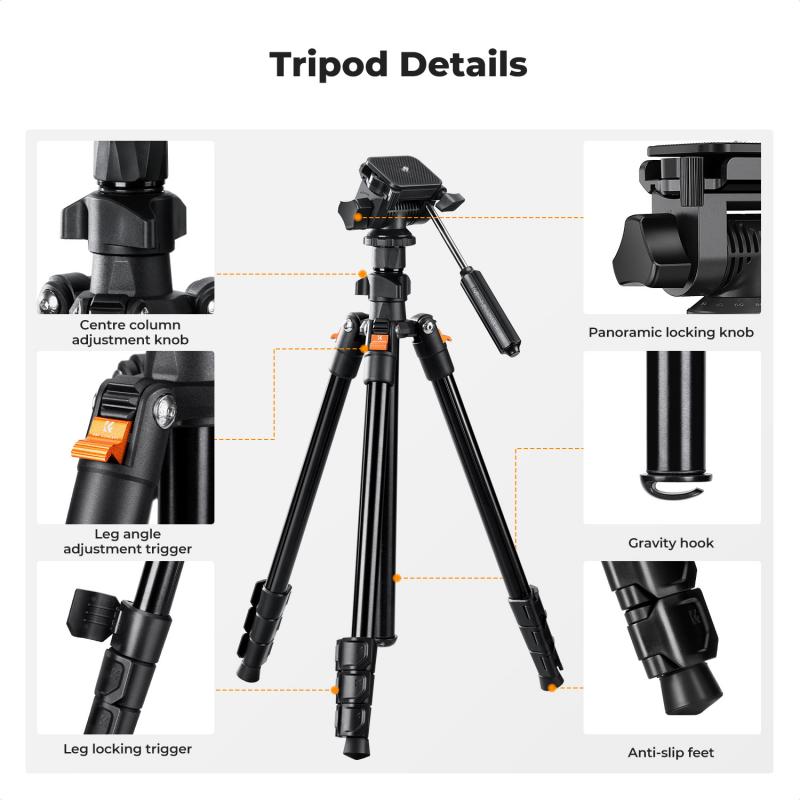
The short answer is yes, in most cases, you can bring a tripod in your carry-on luggage. However, there are a few caveats to keep in mind. The Transportation Security Administration (TSA) in the United States allows tripods in carry-on bags, but they must meet certain size and weight restrictions. Similarly, other countries and airlines may have their own rules regarding carry-on items, so it’s always a good idea to check with your airline before traveling.
Size and Weight Considerations
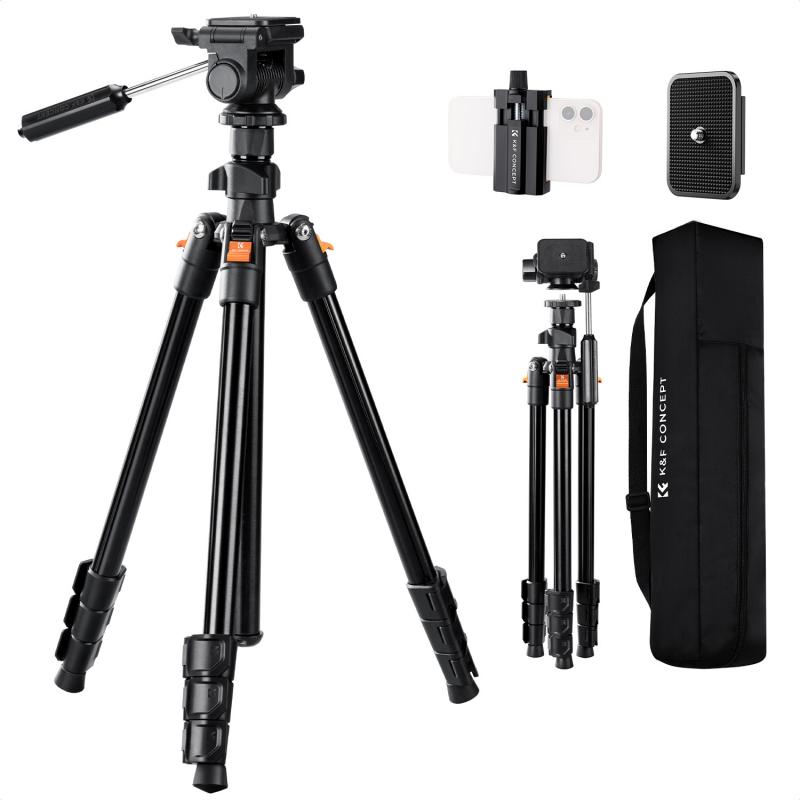
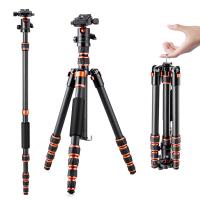
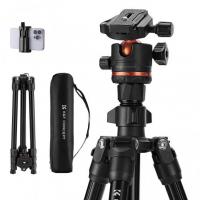
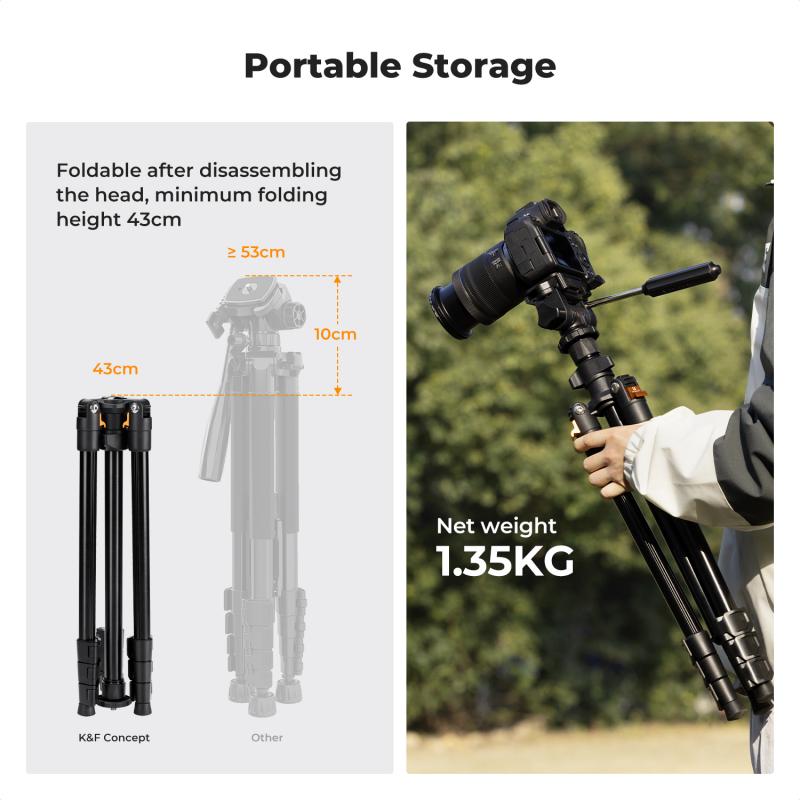
One of the most important factors to consider is the size of your tripod. Airlines typically have strict size limits for carry-on luggage, and your tripod must fit within these dimensions. If your tripod is compact and foldable, it’s more likely to fit comfortably in your carry-on bag. Travel tripods, which are designed to be lightweight and portable, are ideal for this purpose. Larger, professional-grade tripods may need to be checked in as part of your luggage.
Weight is another consideration. While most tripods are relatively lightweight, adding one to your carry-on bag could push your luggage over the airline’s weight limit. Be sure to weigh your bag before heading to the airport to avoid any surprises.
Security Screening
When passing through security, your tripod may be subject to additional scrutiny. Security personnel may ask you to remove the tripod from your bag for inspection, especially if it has metal components that could trigger alarms. To make the process smoother, pack your tripod in an easily accessible part of your bag so you can quickly retrieve it if needed.
It’s also worth noting that some security agents may view tripods as potential blunt objects, which could lead to additional questioning. While this is rare, it’s always a good idea to remain polite and cooperative during the screening process.
Airline Policies
While the TSA allows tripods in carry-on bags, individual airlines may have their own rules. Some airlines may classify tripods as personal items, while others may require them to be packed in your carry-on or checked luggage. If you’re unsure about your airline’s policy, check their website or contact customer service for clarification.
Tips for Traveling with a Tripod
To ensure a smooth travel experience, here are some practical tips for bringing a tripod in your carry-on:
1. Choose a Travel-Friendly Tripod: Invest in a compact, lightweight tripod designed for travel. These models are easier to pack and less likely to cause issues at security checkpoints.
2. Pack Strategically: Place your tripod in an accessible part of your carry-on bag to facilitate security screening. If your tripod has detachable parts, consider disassembling it to make it more compact.
3. Check Airline Policies: Before your trip, review your airline’s rules regarding carry-on items. If your tripod is large or heavy, you may need to check it in.
4. Use a Protective Case: To prevent damage, store your tripod in a padded case or wrap it in clothing. This will also help keep it secure during transit.
5. Be Prepared for Security Checks: If security personnel ask to inspect your tripod, cooperate fully and explain its purpose. Having a professional demeanor can go a long way in avoiding delays.
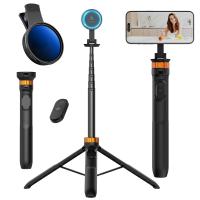
6. Consider Alternatives: If you’re concerned about carrying a tripod, consider using a monopod or a mini tripod. These options are smaller and less likely to cause issues during travel.
When Should You Check Your Tripod?
While carrying your tripod in your carry-on is often convenient, there are situations where checking it in may be a better option. For example, if your tripod is large or heavy, it may exceed the airline’s carry-on size and weight limits. Additionally, if you’re traveling with other bulky photography equipment, checking your tripod can free up space in your carry-on bag.
If you decide to check your tripod, make sure it’s well-protected. Use a sturdy case or wrap it in bubble wrap to prevent damage during transit. Label the case with your contact information in case it gets lost.
International Travel Considerations
If you’re traveling internationally, be aware that security regulations and airline policies may vary by country. Some countries have stricter rules regarding carry-on items, and your tripod may be subject to additional scrutiny. Research the regulations of your destination country and any layover locations to avoid surprises.
Practical Scenarios: When a Tripod is Essential
For photographers, a tripod is often an indispensable tool, especially for capturing long-exposure shots, landscapes, or night photography. If you’re traveling to a destination where you plan to take professional-quality photos, bringing a tripod is worth the effort. However, if your photography needs are more casual, you may be able to get by with a smaller, more portable option.
In most cases, you can bring a tripod in your carry-on luggage, provided it meets size and weight restrictions and complies with airline policies. By choosing a travel-friendly tripod, packing strategically, and being prepared for security checks, you can ensure a hassle-free experience. If you’re unsure about your airline’s rules or the regulations of your destination country, take the time to research and plan ahead.
Ultimately, traveling with a tripod is a manageable task that can greatly enhance your photography experience. Whether you’re capturing stunning landscapes or documenting your adventures, having the right equipment on hand can make all the difference. With a little preparation, you can bring your tripod along and focus on what matters most: creating beautiful images and memories.