kfconcept

KENTFAITH
K&F Concept    Blog >

Enjoy Your Selected Digital Life

Recently Viewed
  • Recently Viewed
  • Recently Viewed list is empty.

Compare (0) 0
  • Compare
  • You have not chosen any products to compare.

  • Compare
Currency: USD
  • Currency
Shop by Scene Shop by Rank

Log Into Your Account

Account

Order History

Wish List

Login

Forgotten Password?

Or connect with

Register Account

Already have an Account?Log In

  • Shopping Cart
  • Your shopping cart is empty!

  • Register/Login to purchase, earn points
  • Favorite
  • Your wish list is empty.

  • Register/Login to like, earn points
  • Activities
  • Guide
    • Filter Guide
    • Lens Adapter
    • Product Review
  • News & Reviews
    • Camera Reviews
    • Sample Gallery
    • News
  • Tutorials
    • Solar eclipse photography
    • Photography Basics
    • Landscape Photography
  • Inspiration
    • Travel
    • Travel Stories
  • Home
  • Blog
  • How To Calculate Telescope Magnification?

How To Calculate Telescope Magnification?

Kentfaith 2024-07-17 01:21:18 0 Comments

Understanding how to calculate telescope magnification is crucial for both amateur and professional astronomers. Magnification is one of the key factors that determine how well you can observe celestial objects. In this article, we will delve into the concept of telescope magnification, how to calculate it, and the practical considerations you need to keep in mind to make the most out of your stargazing experience.

What is Telescope Magnification?
how to calculate telescope magnification 1

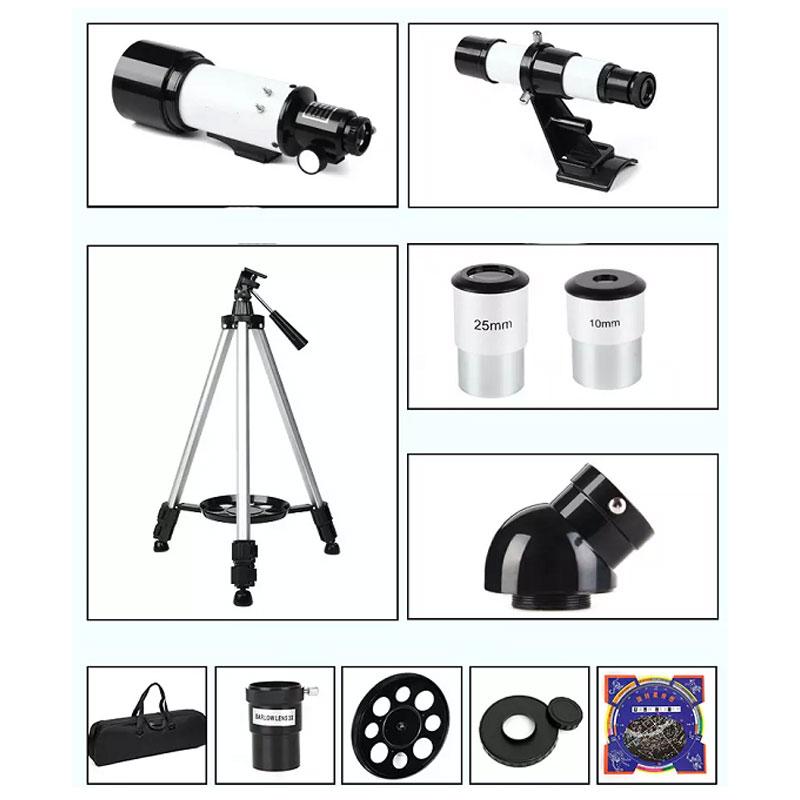
Telescope magnification, also known as power, is the factor by which a telescope enlarges the appearance of an object. For instance, if a telescope has a magnification of 50x, it means that the object will appear 50 times larger than it would to the naked eye. However, higher magnification does not always equate to better viewing. The quality of the image also depends on factors like the telescope's aperture, the quality of the optics, and atmospheric conditions.

Basic Formula for Calculating Magnification
how to calculate telescope magnification 2

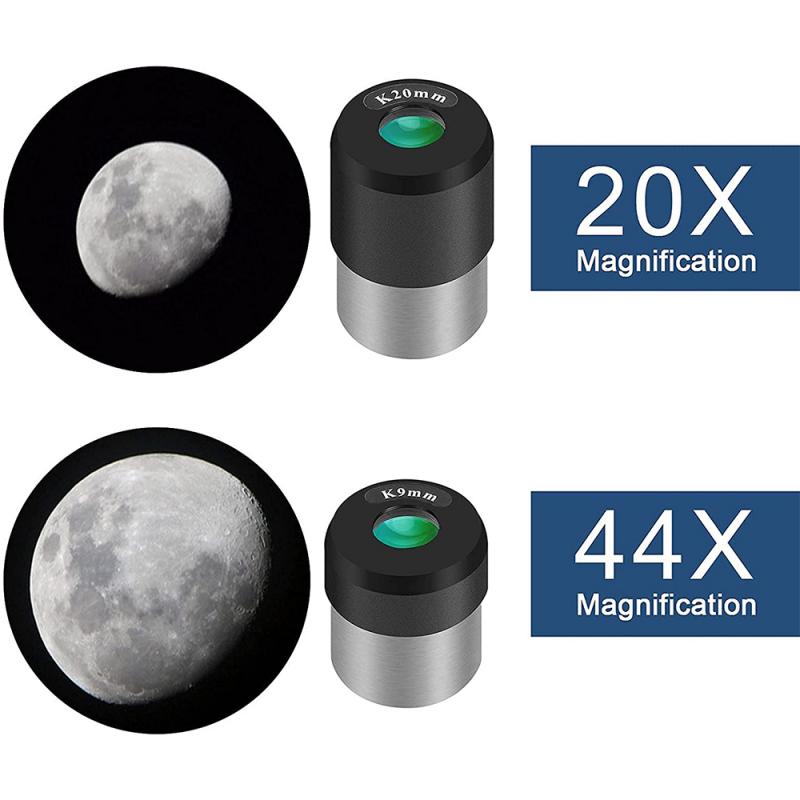
The magnification of a telescope is determined by the focal lengths of the telescope and the eyepiece. The formula is straightforward:

\[ \text{Magnification} = \frac{\text{Focal Length of Telescope}}{\text{Focal Length of Eyepiece}} \]

For example, if your telescope has a focal length of 1000 mm and you are using an eyeppiece with a focal length of 25 mm, the magnification would be:

\[ \text{Magnification} = \frac{1000 \text{ mm}}{25 \text{ mm}} = 40x \]

Understanding Focal Length
how to calculate telescope magnification 3

The focal length of a telescope is the distance from the primary lens or mirror to the point where the telescope forms an image of an object. This is usually measured in millimeters (mm). The focal length of the eyepiece is also measured in millimeters and is usually inscribed on the eyepiece itself.

Types of Telescopes and Their Focal Lengths
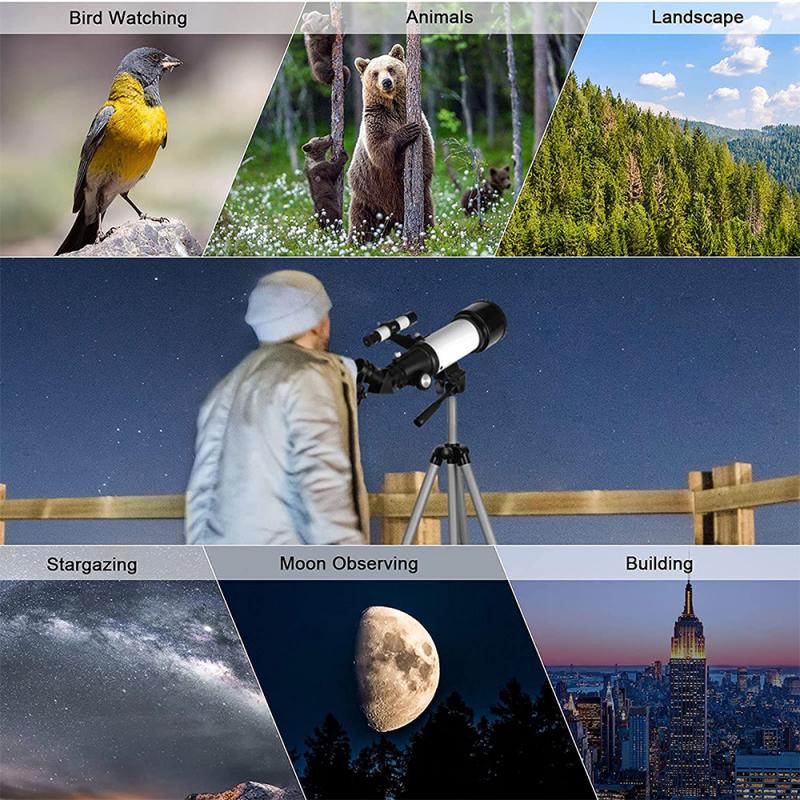
how to calculate telescope magnification 4

Different types of telescopes have varying focal lengths:

1. Refractor Telescopes: These use lenses to gather and focus light. They generally have longer focal lengths, making them suitable for high magnification.

2. Reflector Telescopes: These use mirrors instead of lenses. They usually have shorter focal lengths but larger apertures, making them ideal for deep-sky observations.

3. Catadioptric Telescopes: These combine lenses and mirrors, offering a compact design with moderate focal lengths.

Choosing the Right Eyepiece

The eyepiece plays a crucial role in determining the magnification. Eyepieces come in various focal lengths, and swapping them out can change the magnification. Common eyepiece focal lengths range from 4 mm to 40 mm. Shorter focal lengths provide higher magnification, while longer focal lengths offer lower magnification but a wider field of view.

Practical Considerations

While it might be tempting to go for the highest magnification possible, there are practical limitations:

1. Aperture: The aperture of your telescope, or the diameter of its primary lens or mirror, limits the amount of light it can gather. Higher magnification requires more light, so a larger aperture is necessary for clear, bright images.

2. Atmospheric Conditions: The Earth's atmosphere can distort light, affecting image quality. High magnification can exacerbate these distortions, making the image blurry.

3. Optical Quality: The quality of the telescope's optics also plays a significant role. Poor-quality lenses or mirrors can result in chromatic aberration and other distortions, especially at high magnifications.

Calculating Maximum Useful Magnification

A general rule of thumb for the maximum useful magnification of a telescope is 50 times the aperture in inches, or 2 times the aperture in millimeters. For example, if your telescope has an aperture of 100 mm, the maximum useful magnification would be:

\[ \text{Maximum Useful Magnification} = 2 \times 100 \text{ mm} = 200x \]

Exceeding this limit can result in dim, blurry images.

Examples of Magnification Calculations

Let's go through a couple of examples to solidify our understanding:

1. Example 1: You have a refractor telescope with a focal length of 1200 mm and an eyepiece with a focal length of 20 mm. The magnification would be:

\[ \text{Magnification} = \frac{1200 \text{ mm}}{20 \text{ mm}} = 60x \]

2. Example 2: You have a reflector telescope with a focal length of 800 mm and an eyepiece with a focal length of 10 mm. The magnification would be:

\[ \text{Magnification} = \frac{800 \text{ mm}}{10 \text{ mm}} = 80x \]

Balancing Magnification and Field of View

Higher magnification narrows the field of view, which can make it challenging to locate and track objects. For beginners, it's often better to start with lower magnification to get a wider field of view. Once you have located the object, you can switch to a higher magnification eyepiece for a closer look.

Using Barlow Lenses

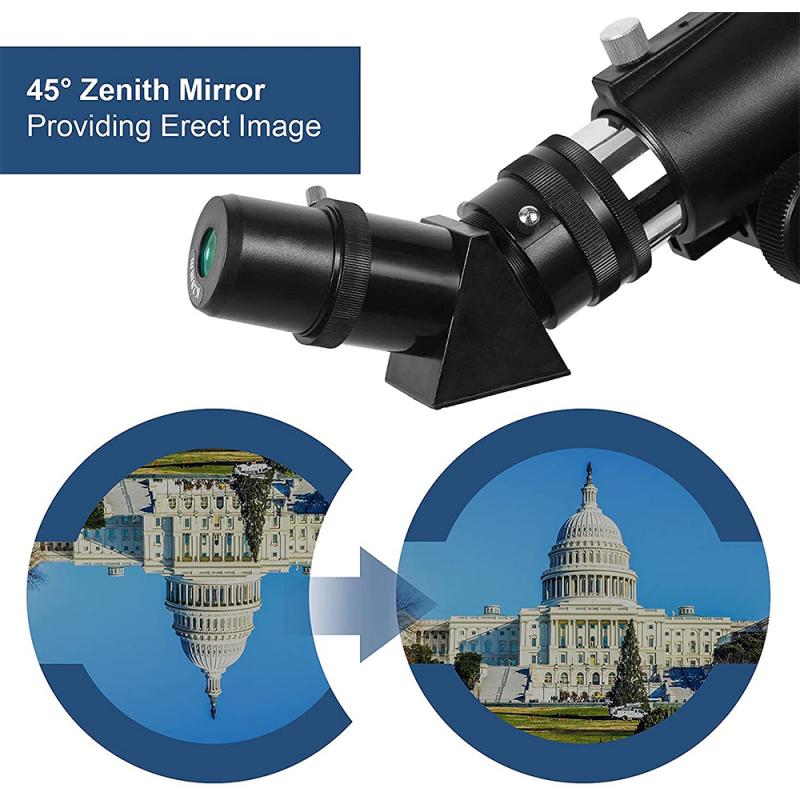
A Barlow lens is an accessory that can be inserted between the telescope and the eyepiece to increase magnification. A 2x Barlow lens, for example, will double the magnification of any eyepiece used with it. This can be a cost-effective way to increase magnification without needing to purchase multiple eyepieces.

Calculating telescope magnification is a fundamental skill for any astronomer. By understanding the relationship between the focal lengths of the telescope and the eyepiece, you can easily determine the magnification. However, it's essential to balance magnification with practical considerations like aperture, atmospheric conditions, and optical quality to ensure the best possible viewing experience. Whether you're observing the craters on the Moon, the rings of Saturn, or distant galaxies, the right magnification can make all the difference. Happy stargazing!

Leave your comment
Cancel reply
Note: HTML is not translated!
Related products
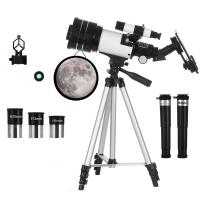
4K Solar Eclipse Telescope Electronic Eyepiece with 1600mAh battery for 1.25in Telescope WiFi Connection
12
$128.99 $85.99
Children Solar Eclipse & Astronomical Telescope 70mm Aperture 300mm Focal Length, Portable Telescope with Tripod, Phone Holder & Bluetooth Remote Control
90
$203.99 $73.99
70mm Aperture Solar Eclipse & Astronomical Refracting Telescope (15X-150X) for Adults and Children, Beginners in Astronomy, 300mm Portable Telescope
141
$209.99 $94.99
8-32x50 Continuous High-Definition Zoom Monocular Telescope, Black, with Mobile Phone Clip
11
$99.99 $46.99
Digital Coin Microscope 7" LCD Screen 1200X Magnification 1080P Image
14
$134.99 $94.99
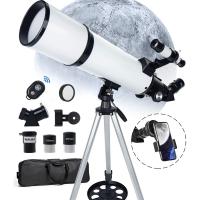
Portable Telescope for Solar Eclipse, Stargazing 80mm Aperture 600mm Focal Length for Solar Eclipse
20
$209.99 $176.99
4.3” LCD Digital Microscope for Kids, 50X-1000X Magnification, USB Microscope
79
$107.99 $68.99
Trinocular Compound Microscope with 7in Screen 40X- 2500X Magnification Mechanical Stage
27
$704.99 $493.99
Telescope Electronic Eyepiece with 4.3in Screen, WiFi Live Stream, Capture 1080P Photos & Videos, Rechargeable, Kentfaith
13
$144.99 $115.99
DM101 Digital USB Microscope Camera Coin Magnifier, 10X-500X Magnification, PC Compatible
HOT Seller
DM101 Digital USB Microscope Camera Coin Magnifier, 10X-500X Magnification, PC Compatible
41
$109.99 $74.99
Products You May Like
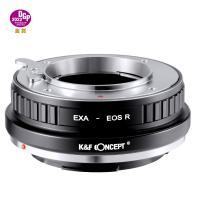
EXA-EOS R Manual Focus Compatible with Exakta, Auto Topcon Lens to Canon EOS R Mount Camera Body Lens Mount Adapter
49
$66.99 $34.99
40.5mm Black Mist 1/4 + CPL Filter Set, Dreamy Cinematic Effect Mist CPL Polarising Filter 18 Multi-Layer Coatings Nano-Klear Series
NEW Arrival
40.5mm Black Mist 1/4 + CPL Filter Set, Dreamy Cinematic Effect Mist CPL Polarising Filter 18 Multi-Layer Coatings Nano-Klear Series
37
$37.99 $29.99
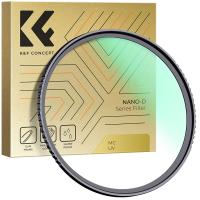
46mm MCUV Protection Filter with 24 Multi-Layer Green Coatings HD/Hydrophobic/Scratch Resistant Ultra-Slim UV Filter Nano-Dazzle
97
$23.99 $19.04
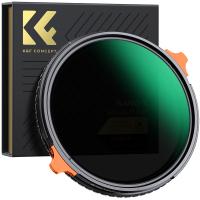
43mm ND4-64 (2-6 Stop) Variable ND Filter and CPL Circular Polarizing Filter 2 in 1, 28 Layers Coated Nano-Xcel Series
68
$99.99 $79.99
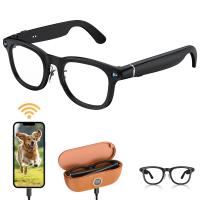
Smart Glasses with Camera, Capture 1200P Videos in POV, 30MP Photos, with 8MP Sony Camera, 3600mAh Charging Case with Display, EIS Stabilization, Photochromic Lenses, Kentfaith
16
$187.49 $149.99
DJI Avata 2 Drone Filters Kit (PL+ND8+ND16) 3 Pack Compatible with DJI Avata 2, Multi-coated Neutral Polarizer Density Drone Lens Filters
59
$26.99
52mm Variable ND Filter ND3-1000(1.5-10 Stops) Ultra-thin HD with Double-sided 28-layer Nano-coating Nano-Xcel Series
60
$87.99 $69.99
5in Display Solar Eclipse Telescope Eyepiece Camera with WiFi 2K 40MP for 0.965"/1.25" Eyepiece Interface
NEW Arrival
5in Display Solar Eclipse Telescope Eyepiece Camera with WiFi 2K 40MP for 0.965"/1.25" Eyepiece Interface
12
$164.99 $115.99
Digital Camera for Teens, 4K Videos 48MP Photos, Auto Focus, WiFi Transfer, 32GB Card, Kentfaith
16
$96.24 $76.99
[4X Optical Zoom] Recharge power Security Camera PTZ Outdoor for Home Security with Human Detection Auto Tracking-UK Standard
[4X Optical Zoom] Recharge power Security Camera PTZ Outdoor for Home Security with Human Detection Auto Tracking-UK Standard
$129.99 $79.99
Related articles
What Magnification For Binoculars?
How To Find Magnification Of A Camera Lens?
What Is A Good Microscope Magnification?
What Is The Best Magnification For Binoculars?
What Is The Magnification Of Electron Microscope?
How To Focus A Telescope?
How To Use A Telescope?
How To Work A Telescope?
How To Build A Telescope?
Can Sd Card Slow Down Phone?
Blog You May Like
What Is High Dynamic Filter Camera?
Why Only One Side Of Earphones Work?
How To Detect A Digital Voice Recorder?
Can Sd Card Slow Down Phone?
What Is Soft Light Photography?
Digital Camera What Is It?
Can You Use Go Pro For Dash Cam?
How To Set Up Earbuds?
How Far Back Should I Keep Car Records?
Type C Earphones How To Use?
Related categories
beginner telescope C mount lens adapter m4/3 adapter Square GND Filter Variable ND filter canon m mount lenses Live Ring Light Nikon F Mount Lens Adapters 58mm lens filter
Popular products
Solar Eclipse Telescope Electronic Eyepiece For Telescope​ cell phone monocular telescope best telescope for beginner Children Astronomical Telescope portable monocular telescope digital microscope for students monocular telescope phone clip Monocular Camera Telescope solar eclipse
Related searches
Microscope Lens Magnification Low Magnification Microscope Low Power Microscope Magnification Good Telescope Binoculars Telescope Amateur Telescope Electron Microscope Range Of Magnification Compound Microscope Ocular Lens Magnification Monocular Telescope Lens Telescope For Stargazing
Popular searches
Office Bluetooth Headphones With Mic Motion Sensor For Outdoor Light Earbuds With Mic For Work Small Wide Angle Video Camera Sigma Lens Hood Adapter M12 Lens Mount Cad Nd Filter 10 Stop 77mm Solar Filter 58mm Iphone Slr Lens Adapter Kit Best 28mm Lens For Reverse Adapter Macro
Blog Category
  • Activities
  • Guide
    • Filter Guide
    • Lens Adapter
    • Product Review
  • News & Reviews
    • Camera Reviews
    • Sample Gallery
    • News
  • Tutorials
    • Solar eclipse photography
    • Photography Basics
    • Landscape Photography
  • Inspiration
    • Travel
    • Travel Stories
Search Article
Latest from the Blog
Which Memory Card For Dash Cam?
How To Fix The Straps On A Camera?
How Much Storage For Security Camera?
How To Wear Monocular?
What is A Variable ND Filter? The Complete Guide to Mastering Exposure Control
Camera That Can Wifi Photos To Phone?
ND Filter: The Complete Guide to Neutral Density Filters for Photography and Video
What Power Binoculars For Long Distance Viewing?
How To Find A Good Digital Camera?
What Is Nd Filter On Video Camera?
  • Easy Payment Multilple Payment Options

  • Free Shipping Global WareHouse Shipment

  • No Risk 30-Day No Reason Return

  • Limited Deals Buy More, Save More

  • Tax Free No any surcharges or tax fee

Information
  • About us
  • Contact Us
  • Site Map
  • Blog
  • Video
  • Gallery
  • VIP Membership Rewards
Service
  • Privacy Policy
  • Terms & Conditions
  • Shipping & Delivery
  • Payment Info
  • Warranty, Return & Refund
  • Intellectual Property Rights
  • Ambassador
  • Affiliates
  • Wholesale
Support
  • My account
  • Order History
  • FAQs
  • Extend Warranty
  • Logistics Tracking
Follow us
NewsLetter

Get the latest product, K&F Concept respects your privacy.

Powered By KENTFAITH © 2026