Can You Use Rf Lens On Ef Mount?
Canon’s innovative interchangeable lens systems have provided photographers and videographers with incredible flexibility and creativity for decades. However, as the camera market continues to evolve, new technologies and lens systems bring with them a series of compatibility questions. One such frequently asked question is whether RF lenses, designed for Canon's mirrorless RF mount system, can be used on EF mount systems, which belong to Canon’s DSLR lineup.
The short answer to this question is no, you cannot directly use RF lenses on cameras with EF mounts. However, the underlying reasons for this incompatibility, as well as the alternative solutions and implications for photographers, are worth exploring.
Understanding Canon’s Mount Systems: EF vs. RF
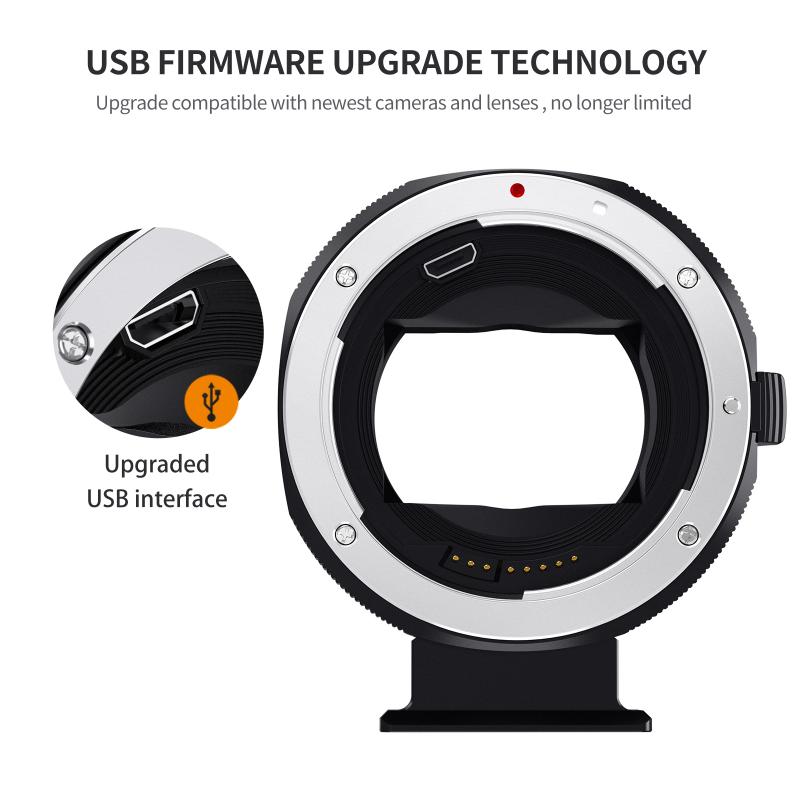
Before diving into the specifics of RF lens compatibility with EF mounts, it’s helpful to understand the key differences between the two systems:
EF Mount (Electro-Focus): The EF mount was introduced by Canon in 1987 as its standard for full-frame and APS-C DSLR cameras. It features a flange focal distance (or lens-to-sensor distance) of 44mm and a wide throat diameter of 54mm, which has made it highly versatile. Over time, the EF mount family grew to include EF-S lenses (for APS-C DSLRs) and a robust catalog of third-party options.
RF Mount (Reinvention of Focus): Introduced with the launch of Canon’s EOS R mirrorless series in 2018, the RF mount represents Canon’s pivot to a mirrorless camera lineup. The RF mount is designed for shorter flange focal distance (20mm) and retains the 54mm throat diameter. This shorter distance is due to the lack of a mirror mechanism, which eliminates the need for space to accommodate the moving mirror structure found in DSLRs. The result is a lens mount that can support higher optical performance designs.
Why RF Lenses Don’t Work on EF Mount Cameras
The fundamental reason that RF lenses cannot be mounted on EF cameras is rooted in physical and optical design:
1. Flange Focal Distance (FFD) Difference:
- The EF mount has a 44mm flange depth, while the RF mount features a significantly shorter 20mm distance. This means RF lenses are designed to sit much closer to the camera sensor.
- Placing an RF lens on an EF mount camera would position the lens farther away from the sensor than it is designed for, which would disrupt focus and prevent the lens from forming a usable image on the sensor.
2. No Canon Adapter for RF-to-EF Compatibility:
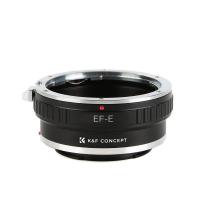
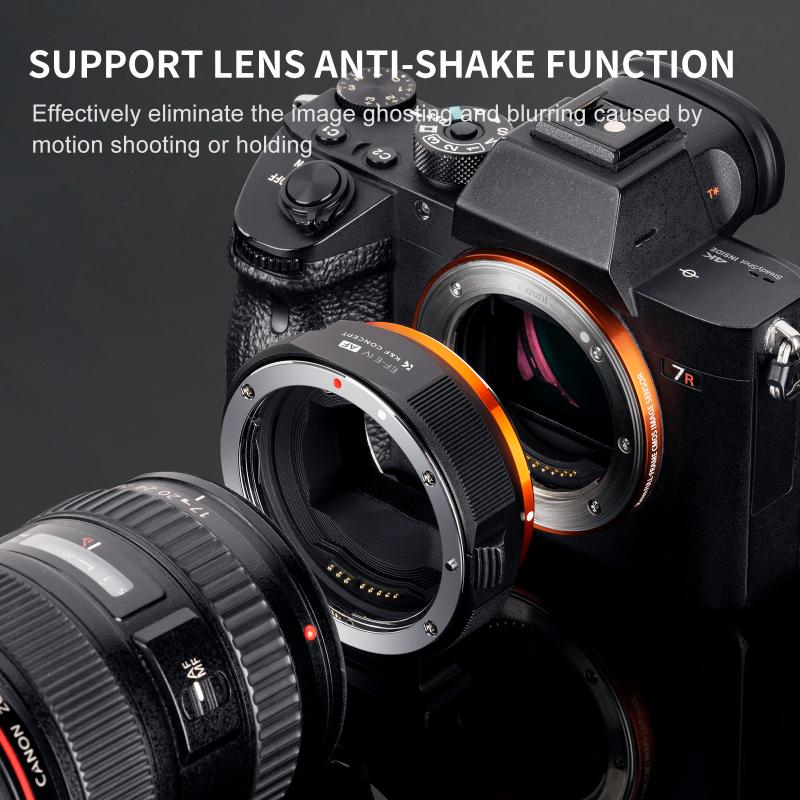
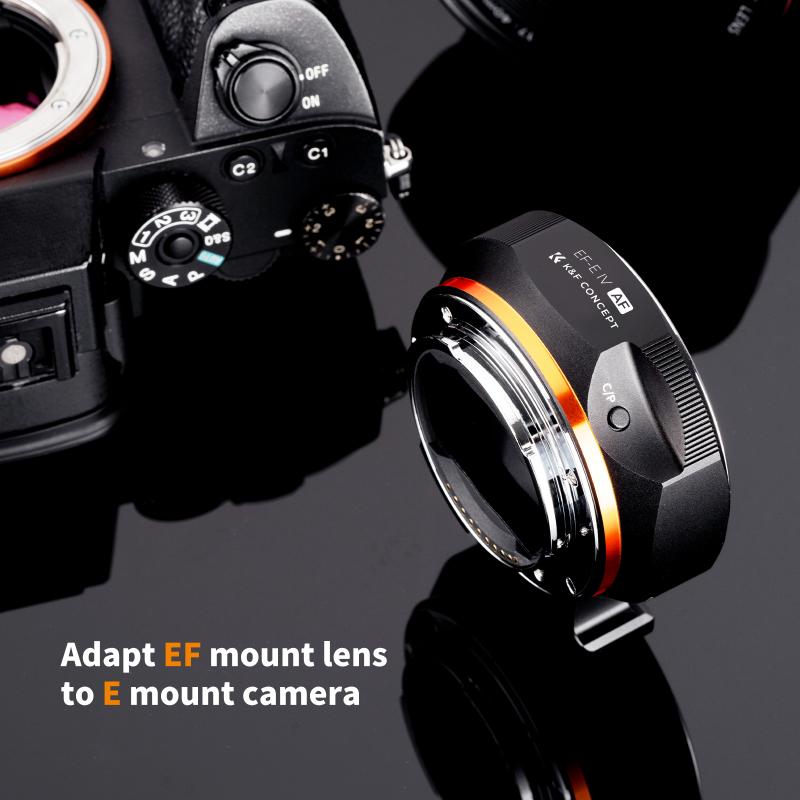
- Canon does not manufacture an adapter that allows RF lenses to fit on EF mounts. Adapters exist to enable the inverse scenario—mounting EF lenses on RF-mount cameras—because the longer FFD of EF lenses leaves room for adaptation. In the case of RF lenses and EF mounts, no such room exists physically or optically.
3. Electronic Communication:
- RF lenses and EF cameras have distinct communication protocols. While both systems use electronically controlled lens mounts, RF lenses are optimized for mirrorless systems, which rely heavily on advanced in-camera image corrections and real-time data exchange. This gap in communication further prevents straightforward compatibility.
What Are Your Options?
Despite the inherent incompatibility, you do have three primary options if you're trying to reconcile the two systems in your workflow:
1. Use EF Lenses on RF-mount Cameras
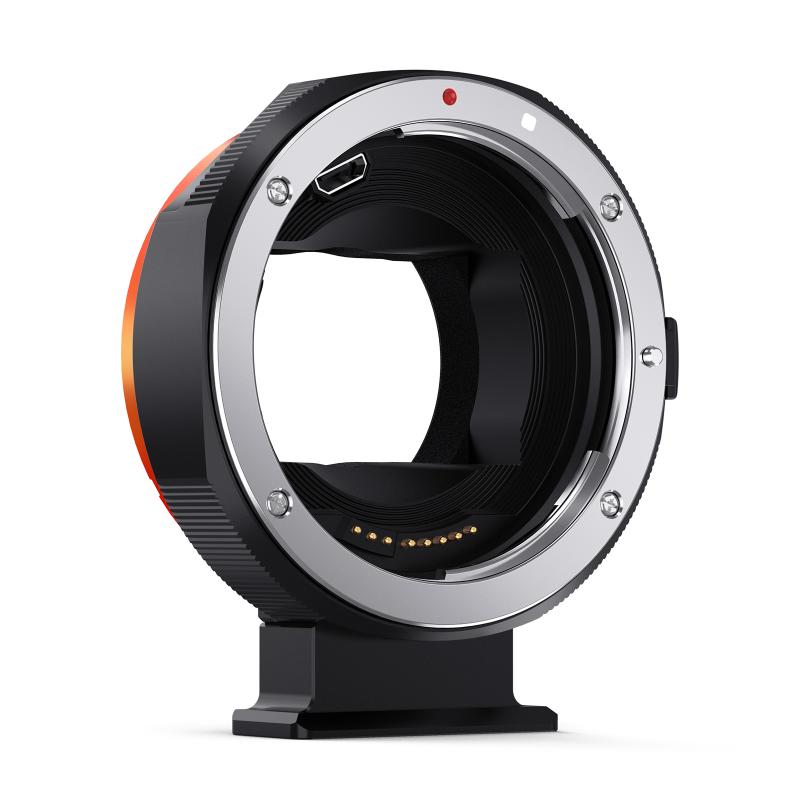
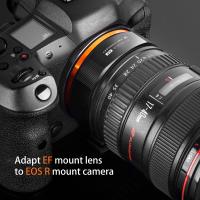
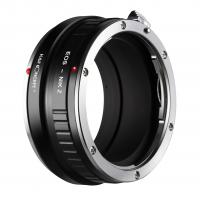
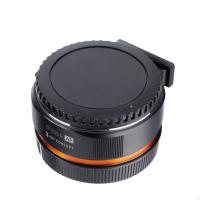
If you’re seeking to make use of existing EF lenses on a Canon mirrorless system, you’re in luck. Canon produces multiple EF-to-RF adapters:
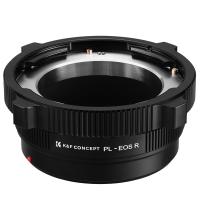
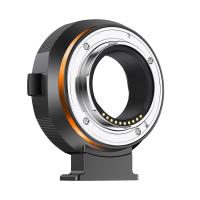
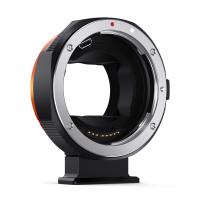
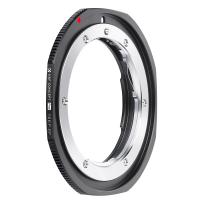
- The Canon Mount Adapter EF-EOS R offers seamless adaptation of EF and EF-S lenses to RF-mount cameras.
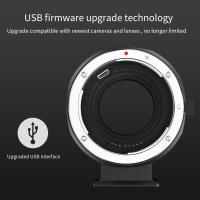
- Higher-end versions, such as the Control Ring Mount Adapter EF-EOS R, add customizable control rings for more flexibility.
These adapters allow photographers to continue using their EF lenses without compromising on autofocus, image stabilization, or communication between lens and camera.
2. Migrate Fully to RF Lenses and Cameras
If you’re planning to transition fully to Canon’s RF system, this can be a long-term solution for integrating the latest optical and digital technologies. While RF lenses are generally more expensive and heavier than their EF counterparts, they come with significant advantages such as:
- Improved optical performance with advanced designs.
- Enhanced communication for features like focus breathing correction and lens aberration corrections.
- Wider apertures and high-quality glass elements, such as the aperture-defining RF 28-70mm f/2.
3. Continue Using EF Lenses on EF Cameras
If upgrading your camera body or lens lineup isn’t a priority right now, continue working with EF lenses and cameras. Canon’s EF system is mature and provides access to an extensive lineup of native and third-party lenses for virtually every photographic niche.
Futureproofing Your Gear: Should You Transition to RF?
The big question facing many Canon users today is whether they should begin transitioning to RF-mount gear. While Canon has emphasized its commitment to ongoing support for the EF lineup, it’s clear that the future of Canon’s lens development is focused on RF.
Here are a few factors to consider:
Your Current Investment in EF Gear:
If you already own a significant collection of EF lenses, transitioning to RF may involve selling your old gear or relying on adapters to extend their usefulness with new cameras.
Type of Photography or Videography:
Newer mirrorless cameras in the RF system are particularly advantageous for video, thanks to features like silent operation, improved autofocus, and compact designs. However, if your photography needs are well catered to by DSLRs, sticking with EF gear might be more cost-effective.
Technological Advancements in RF Lenses:
If you value cutting-edge features like Dual Nano USM motors, wider apertures, and refined optical elements, RF lenses could push your creativity further. These lenses are designed for the future, with mirrorless sensors in mind.
Budget and Compatibility:
Transitioning to RF can be expensive, especially given the higher price point of RF lenses. If cost is a concern, it may be worth waiting until more third-party manufacturers release RF-compatible options.
Conclusion: Finding Harmony in Mixed Systems
In summary, RF lenses cannot be used on EF mount cameras due to physical and optical differences, but the two systems are not entirely isolated from each other. Canon has prioritized smooth integration of EF lenses into RF systems, enabling photographers to migrate without abandoning their investments completely.
For those considering the shift to Canon's mirrorless ecosystem, the benefits of RF lenses—such as superior optical designs and enhanced communication—are undeniable. That said, Canon’s EF system remains a robust, reliable, and versatile platform for photographers who prefer to stick with DSLRs.
Whether you’re ready to embrace the RF era or you’re happy working within the EF system, understanding these compatibility details allows for smarter investment choices to keep your creativity flourishing.