Camera Filter Types And When To Use Them?
In the world of photography, camera filters are indispensable tools that can significantly enhance the quality and creativity of your images. Understanding the different types of camera filters and knowing when to use them can elevate your photography to new heights. This article will delve into the various types of camera filters, their specific uses, and practical tips for incorporating them into your photography workflow.
Understanding Camera Filters
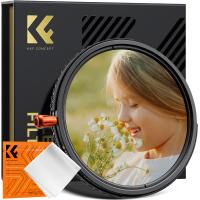
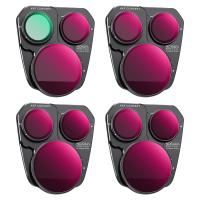
Camera filters are accessories that attach to the front of your camera lens. They modify the light entering the lens, allowing photographers to achieve various effects and overcome challenging lighting conditions. Filters can be made from glass, resin, or polyester, and they come in different shapes and sizes to fit various lenses.
Types of Camera Filters and Their Uses
1. UV Filters
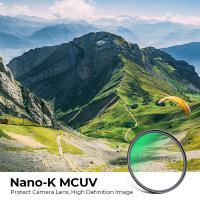
- Purpose: UV filters are primarily used to block ultraviolet light, which can cause haziness and reduce contrast in your photos. They also serve as a protective layer for your lens.
- When to Use: Use UV filters in outdoor photography, especially in high-altitude or coastal areas where UV light is more intense. They are also useful for protecting your lens from dust, scratches, and moisture.
2. Polarizing Filters
- Purpose: Polarizing filters reduce reflections, enhance colors, and increase contrast. They are particularly effective in eliminating glare from non-metallic surfaces like water and glass.
- When to Use: Use polarizing filters when photographing landscapes, water bodies, or any scene with reflective surfaces. They are also beneficial for enhancing the blue of the sky and the green of foliage.
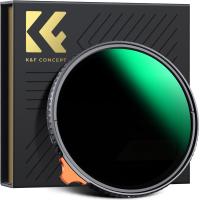
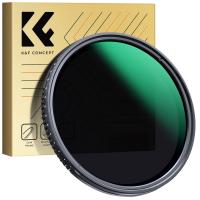
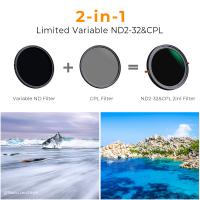
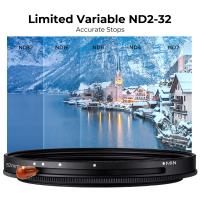
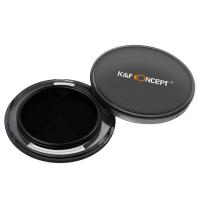
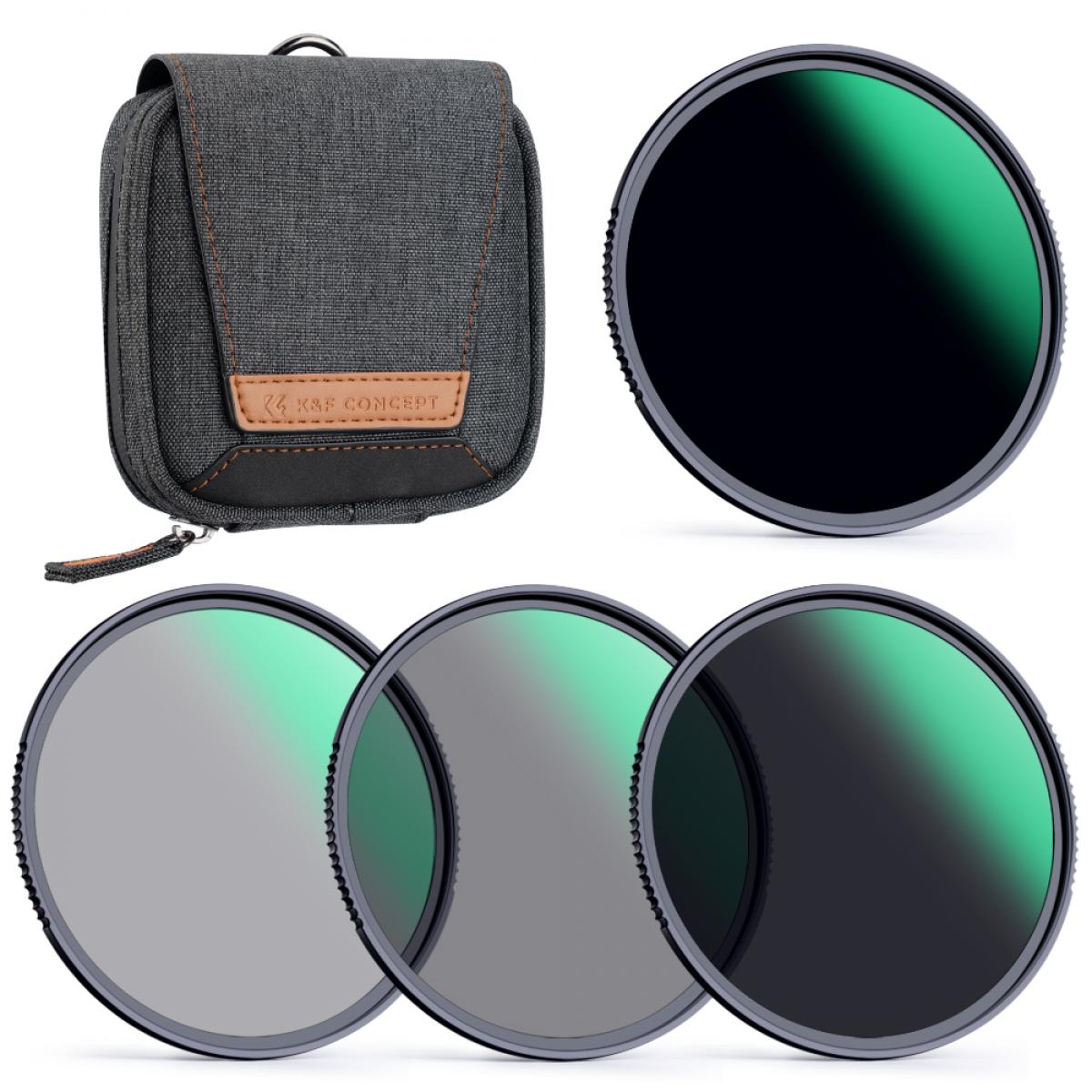
3. Neutral Density (ND) Filters
- Purpose: ND filters reduce the amount of light entering the lens without affecting the color of the image. This allows for longer exposure times or wider apertures in bright conditions.
- When to Use: Use ND filters for long-exposure photography, such as capturing smooth water effects, motion blur in clouds, or light trails. They are also useful for achieving a shallow depth of field in bright light.
4. Graduated Neutral Density (GND) Filters
- Purpose: GND filters have a gradient that transitions from dark to clear, allowing photographers to balance the exposure between the sky and the foreground.
- When to Use: Use GND filters in landscape photography when there is a significant difference in brightness between the sky and the land. They help prevent overexposed skies and underexposed foregrounds.
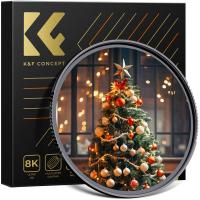
5. Color Filters
- Purpose: Color filters alter the color balance of the image. They can enhance or correct colors, add mood, or create special effects.
- When to Use: Use color filters in black and white photography to increase contrast between different colors. In color photography, they can be used to correct color casts or create artistic effects.
6. Infrared (IR) Filters
- Purpose: IR filters block visible light and allow only infrared light to pass through, creating surreal and otherworldly images.
- When to Use: Use IR filters for creative and experimental photography. They are particularly effective in landscape photography, where foliage appears white and skies take on a dramatic tone.
7. Close-Up Filters
- Purpose: Close-up filters, also known as diopters, act like magnifying glasses, allowing you to focus closer to your subject.
- When to Use: Use close-up filters for macro photography when you want to capture small subjects like flowers, insects, or intricate details.
Practical Tips for Using Camera Filters
1. Stacking Filters: While it is possible to stack multiple filters on your lens, be cautious as this can lead to vignetting (darkening of the corners) and reduced image quality. Use filter stacking sparingly and only when necessary.
2. Filter Size: Ensure that the filter size matches your lens diameter. Using step-up or step-down rings can help you fit filters to lenses of different sizes, but it's best to have the correct size for optimal performance.
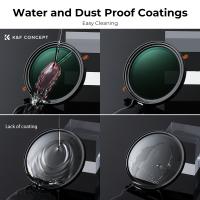
3. Cleaning and Maintenance: Keep your filters clean and free from dust, fingerprints, and smudges. Use a microfiber cloth and lens cleaning solution to maintain their clarity and effectiveness.
4. Filter Quality: Invest in high-quality filters from reputable brands. Cheap filters can degrade image quality, introduce unwanted color casts, and reduce sharpness.
5. Experimentation: Don't be afraid to experiment with different filters and combinations. Photography is an art, and filters are tools that can help you express your creative vision.
Camera filters are powerful tools that can transform your photography by enhancing colors, reducing reflections, balancing exposures, and creating unique effects. By understanding the different types of filters and knowing when to use them, you can tackle challenging lighting conditions and add a new dimension to your images. Whether you're a landscape photographer looking to capture the perfect sunset, a portrait photographer aiming for a shallow depth of field, or an experimental artist exploring infrared photography, there's a filter that can help you achieve your goals. Invest in quality filters, take the time to learn their uses, and let your creativity shine through your lens.