When Can You Use A Baby Monitor?
When Can You Use a Baby Monitor?
Parenting is a journey filled with joys, uncertainties, and countless responsibilities. Among the myriad of products designed to help parents is the baby monitor, a seemingly simple device yet one with profound utility. If used correctly, it can transform how new parents manage their baby's sleep patterns and safety. But many parents often wonder: when is the right time to use a baby monitor, and in what scenarios is it most appropriately employed? This article delves into the practical applications of baby monitors, helping parents decide when and how best to use them.
The Purpose of Baby Monitors
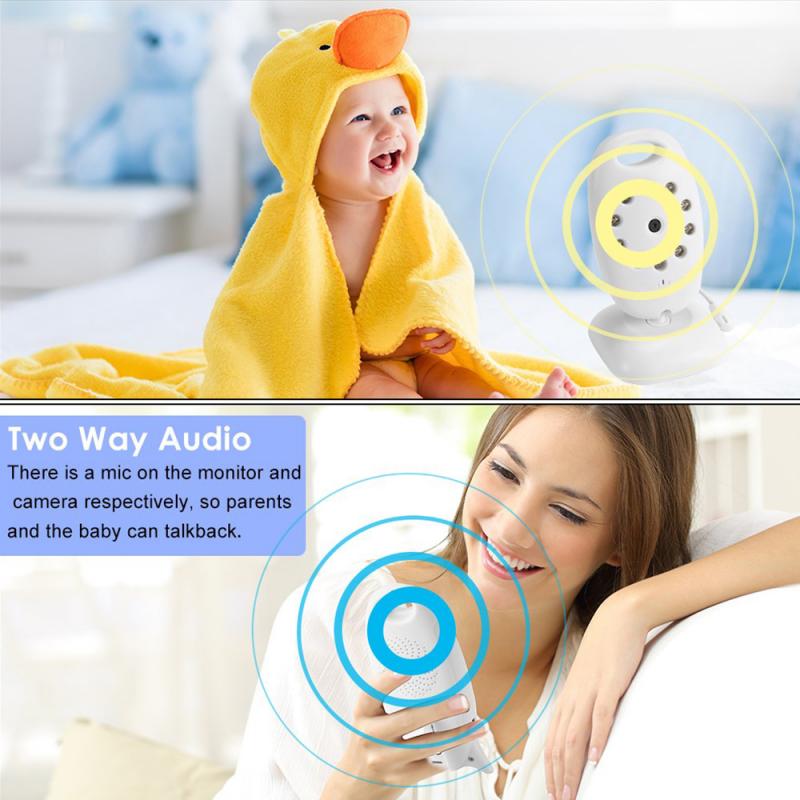
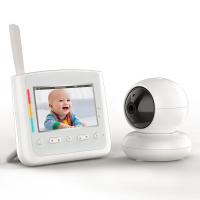
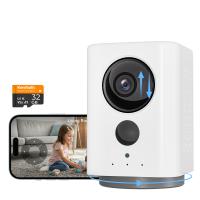
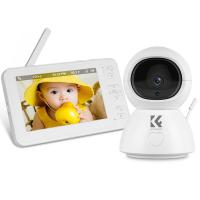
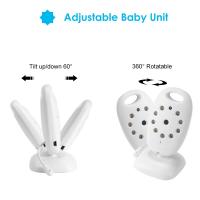
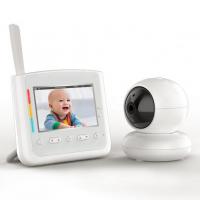
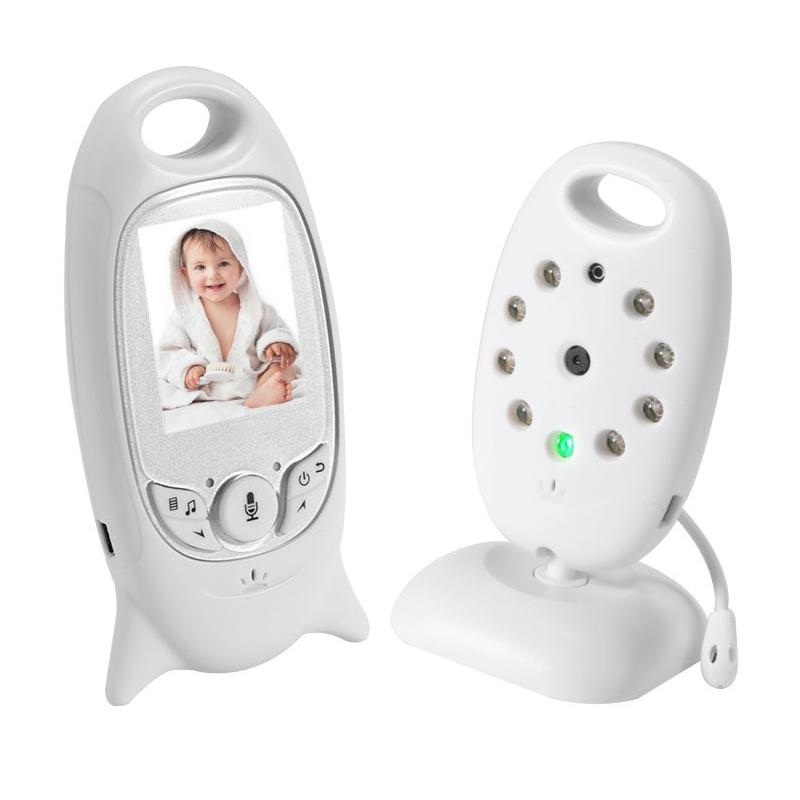
A baby monitor is a device that allows parents to remotely hear, see, or both, their baby's activity in another room. Depending on the type, baby monitors range from audio-only models to high-tech, video-enabled versions equipped with temperature sensors, two-way communication, and even movement detection. These monitors are created for one primary purpose: to provide peace of mind by helping parents keep tabs on their baby while they’re not physically present in the same room.
But baby monitors shouldn’t be used indiscriminately or solely out of convenience. Understanding the appropriate situations and timing for their use can maximize their benefits while avoiding unnecessary reliance.
When to Start Using a Baby Monitor
1. As Soon As Baby Is Sleeping in a Separate Room
A baby monitor becomes indispensable when your little one transitions from sleeping in the same room as you to sleeping in a separate nursery. This typically occurs around the age of 6 months or later, depending on your personal parenting approach. At this stage, the monitor acts as your lifeline for staying connected to the baby’s noises, cries, or movements, ensuring you can promptly respond when needed. While it’s not mandatory, most parents find great value in knowing they can keep an ear or eye on their child without physically being beside them at all times.
2. During Naps
For parents, nap times can be especially delicate moments. You might be in another part of your home, working or simply taking a break. A baby monitor is invaluable in allowing you to relax or focus without the constant need to tiptoe and check on the baby manually. Monitors equipped with camera functionalities make it easier to assess whether the baby is asleep, waking up, or needs attention—all while avoiding accidental disruptions to their nap.
3. If Your Home Has Multiple Levels
If you live in a multi-story home or a larger space, having a monitor reduces the stress and effort involved in physically checking on your child. Many monitors come with extended signal ranges, making it highly practical for homes where the nursery might be upstairs and the living space downstairs. Knowing that you can hear and see your baby while you’re far away allows for greater flexibility throughout the day.
When Might You Not Need a Baby Monitor?
It’s equally important to consider the scenarios where a baby monitor might not be necessary.
1. In the Same Room
If you are co-sleeping with your baby or spending prolonged periods in the same room during their sleep times, a monitor might not add much value. You can directly observe or listen to your baby's movements and cries without needing an intermediary device.
2. During Very Light Sleep
Some parents are naturally light sleepers and have the ability to hear or sense their baby’s stirring even in another room. If this rings true for you, you may find yourself checking the monitor less often, potentially limiting its usefulness.
3. If Monitors Create Anxiety
While baby monitors are usually intended to reduce anxiety by providing reassurance, some parents report that monitoring their baby’s movements constantly—especially with devices that track their breathing or other vitals—can create undue stress or lead to obsessive checking. It’s important to strike a balance between staying informed and giving yourself peace of mind.
Advanced Features That Expand Baby Monitor Utility
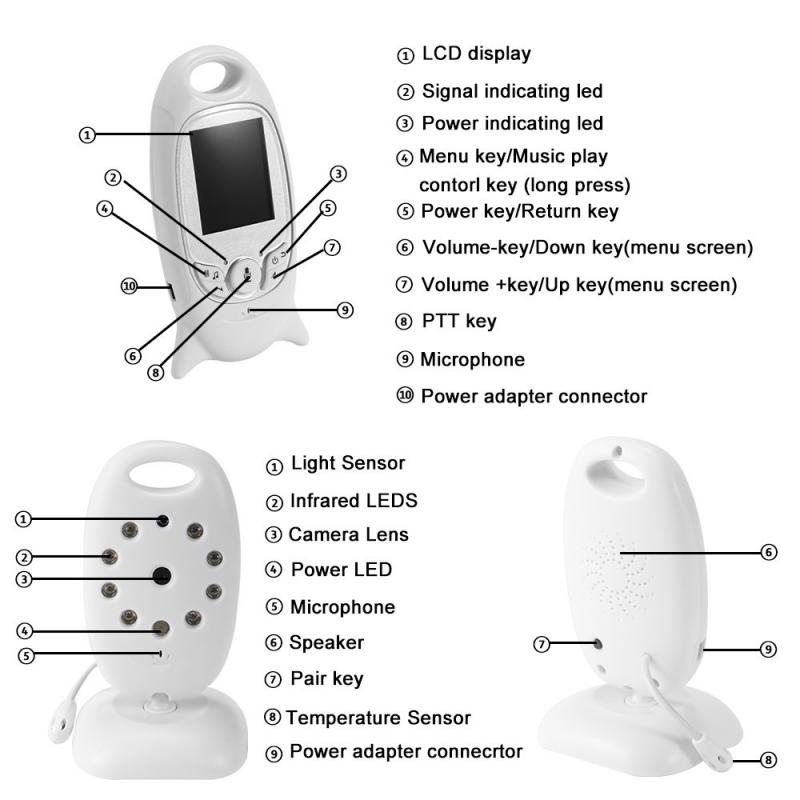
Modern baby monitors offer functionalities that far exceed traditional models. Depending on the baby monitor you choose, here are some enhanced features and their practical use cases:
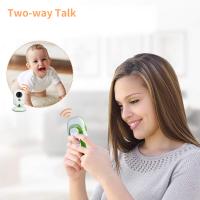
1. Two-Way Communication
Two-way communication allows parents to soothe their baby with their voice while being in another room. It can be particularly useful for older infants or children, providing comfort without requiring physical presence.
2. Movement Detection and Breathing Sensors
Some monitors come with the ability to alert parents if the baby stops moving for a prolonged period. These types of monitors are generally popular among parents with preemies or those especially worried about Sudden Infant Death Syndrome (SIDS).
3. Temperature Monitoring
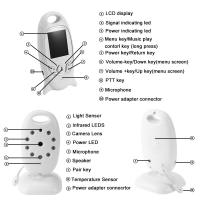
Nursery temperature sensors allow parents to ensure that the room is at a safe and comfortable temperature for the baby. This prevents overheating or cold conditions, contributing to better sleep and overall wellbeing.
4. Night Vision Camera Capabilities
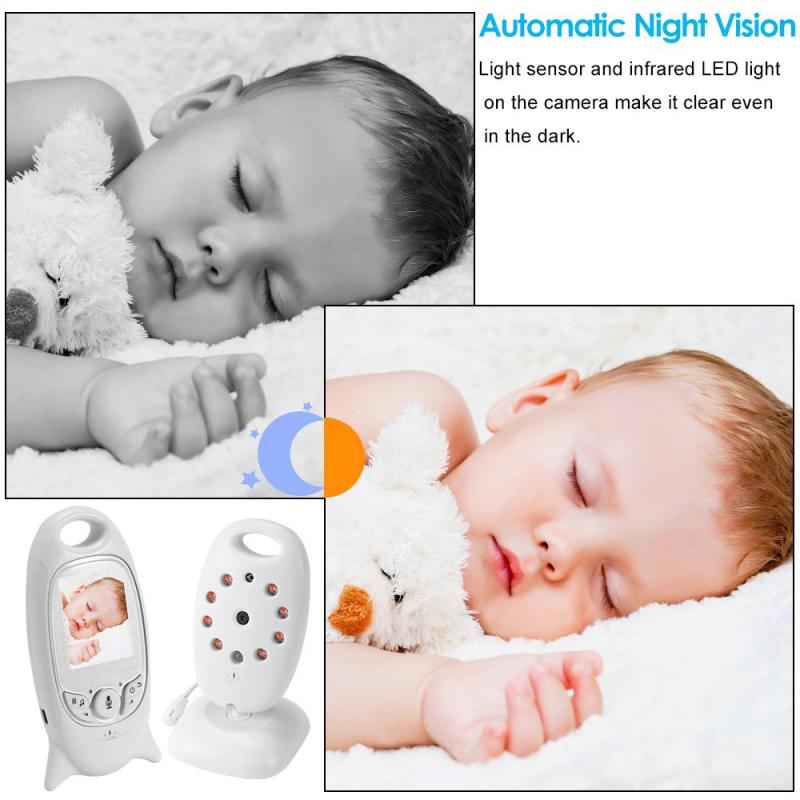
Video monitors are often equipped with night vision so parents can discreetly observe their baby in low lighting conditions. This feature is invaluable for overnight monitoring when you need visibility without disturbing your baby’s sleep environment.
When Can You Stop Using a Baby Monitor?
There’s no fixed rule regarding when parents should stop using a baby monitor, as this largely depends on personal preference, the baby’s age, and overall confidence in observing their child directly.
1. When the Baby is Out of Critical Developmental Risk
For some parents, monitors are indispensable during the early months due to concerns over SIDS or other health risks. Once those critical periods have passed and the baby has matured, parents may find less need for constant monitoring.
2. As the Baby Grows More Mobile and Self-Sufficient
When your child begins to move and express independence, you may feel confident removing the monitor—especially if you can easily hear them when they call for you or need attention. Children around the age of 2 or 3 often transition into sleeping in rooms without monitoring.
Practical Tips for Using Baby Monitors
Using a baby monitor effectively requires some thought and maintenance. Here are tips to maximize its utility:
1. Test Signal Strength and Placement
Ensure your baby monitor is placed in a position where it provides clear reception and unobstructed visuals (if it’s a video monitor). Be mindful of signal limitations if your monitor relies on Wi-Fi, especially in homes with spotty internet.
2. Avoid Over-Reliance
While baby monitors are valuable tools, it’s important not to become overly dependent on them, especially in scenarios where frequent checking could disrupt your workflow or downtime.
3. Secure Your Monitor
For Wi-Fi-enabled monitors, ensure your connection is encrypted and secure to avoid privacy breaches. Change default passwords and keep software updated.
4. Use Age-Appropriate Features
Throughout your baby’s developmental stages, focus on features most relevant to their needs. For newborns, breathing monitors might be helpful, whereas for toddlers, two-way communication may be more practical.
Conclusion
Baby monitors are versatile tools that can significantly improve your ability to care for your baby, especially during their most vulnerable stages of development. However, their usage depends on multiple factors such as age, home environment, and personal preferences. The effectiveness of a baby monitor lies not only in its features but also in the timing and context in which it is used.
Ultimately, the goal of parenting tools like baby monitors is to enable parents to balance their responsibilities while ensuring the safety and comfort of their child. By understanding when to use baby monitors and when they might be unnecessary, you can navigate parenting with greater confidence and peace of mind.