What Magnification For Binoculars?
Choosing the right magnification for binoculars can be a challenging decision, especially given the wide range of options on the market and the diverse needs of users. Whether you’re planning to use binoculars for birdwatching, stargazing, hiking, hunting, or attending events, it’s essential to understand the different magnifications available and how they cater to specific activities. In this guide, we’ll explore the concept of magnification, discuss its advantages and limitations, and provide actionable advice on choosing the ideal magnification for your needs.
Understanding Magnification in Binoculars
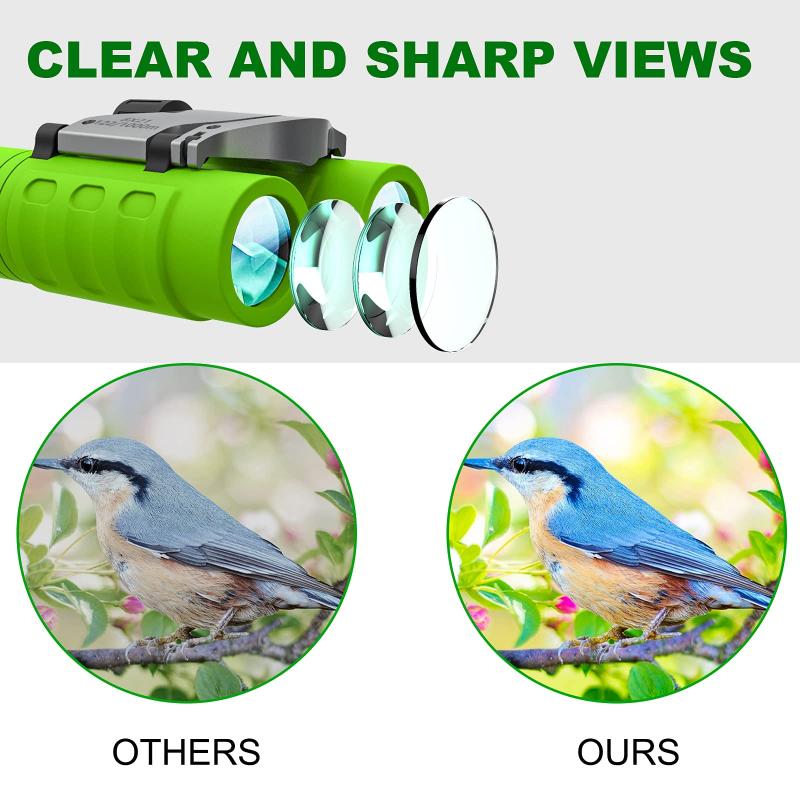
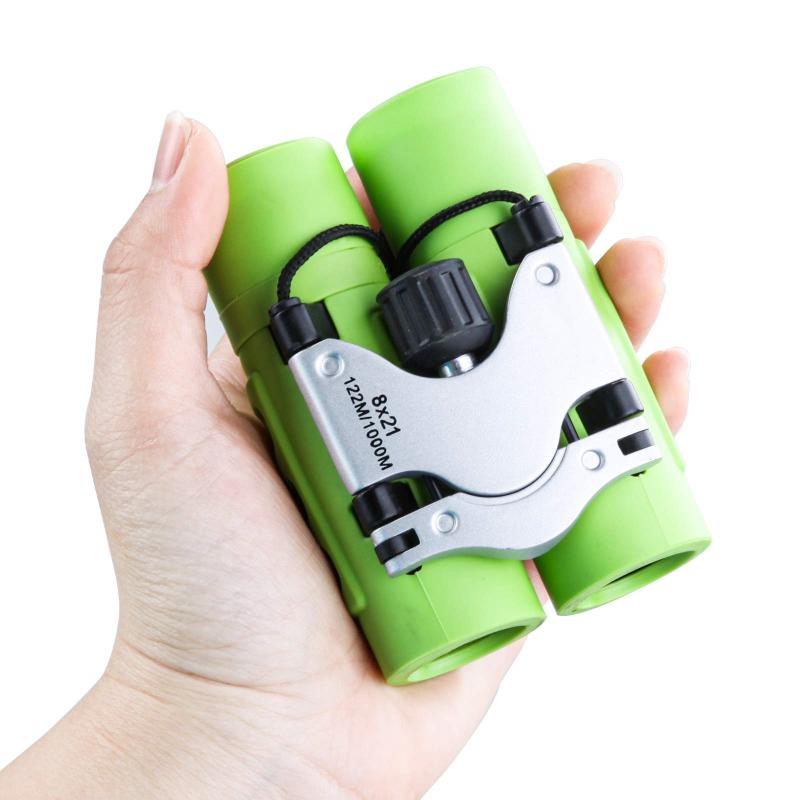
Magnification, often represented as the first number in a binocular specification (e.g., 10x50 or 8x42), describes how many times closer or larger an object will appear through the binoculars compared to the naked eye. For example, binoculars with 8x magnification will make an object look eight times closer than it normally does, while 10x magnification offers ten times closer viewing.
Higher magnification may seem better at first glance since it provides a more detailed view of distant objects. However, it’s not always the best choice due to factors such as stability, field of view, brightness, and portability. Let’s break these factors down for a better understanding.
Key Factors to Consider When Choosing Magnification

1. Field of View
Higher magnification comes at the expense of a narrower field of view, which refers to the width of the area you can see through binoculars. Binoculars with lower magnification, like 8x, tend to offer a wider field of view, making it easier to track moving objects, such as birds or wildlife. This is especially important for birdwatching or sporting events, where subjects may move quickly across the scene.
2. Image Stability
As magnification increases, the effects of hand tremors or vibrations become more noticeable. For instance, at 10x magnification, small movements of your hands can cause the image to shake, making it harder to achieve a clear and steady view. This is why lower magnification binoculars, like 7x or 8x, are often preferred for handheld use without a tripod. If you opt for higher magnification binoculars, stabilizers or tripods may be necessary to reduce shakiness.
3. Brightness and Image Quality
Magnification also impacts the brightness of the image, but this factor is influenced more heavily by the size of the objective lens. Binoculars with higher magnification typically have smaller exit pupils (the beam of light that reaches your eyes), leading to dimmer images. For example, 10x binoculars paired with a 25mm objective lens will have a smaller exit pupil compared to 8x binoculars with a 42mm lens. Lower magnification may provide a brighter, clearer view, especially in low-light conditions.
4. Portability
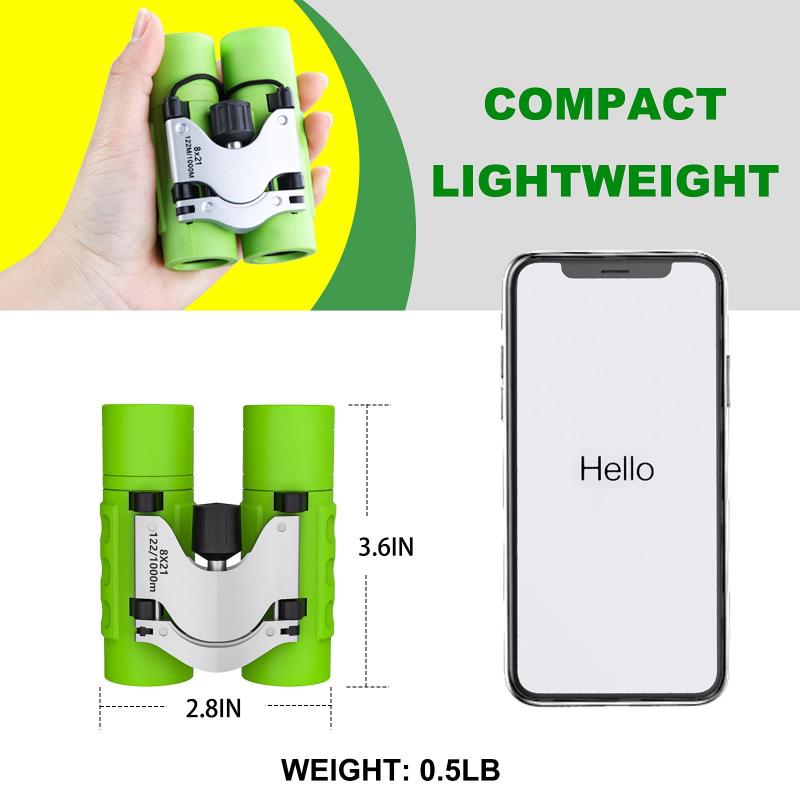
Higher magnification binoculars may require larger objective lenses to maintain image brightness, which can increase the overall size and weight of the binoculars. If portability and ease of use are priorities—such as for hiking—you might lean toward compact binoculars with modest magnification.
5. Usage Scenario
Different activities require different magnifications. Here’s an overview of recommended magnifications based on use cases:
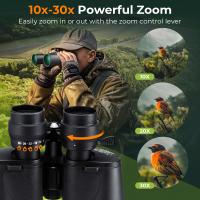
Birdwatching: 7x to 10x magnification is ideal for observing birds and wildlife. The wider field of view provided by lower magnification makes it easier to follow movement.
Hunting: Similar to birdwatching, hunters generally favor magnifications around 8x to 10x for tracking animals at varying distances.
Stargazing or Astronomy: Astronomy typically requires higher magnifications, such as 12x to 20x or higher, often combined with a tripod for stability.
Outdoor Adventures (Hiking): Compact and lightweight binoculars with 7x or 8x are great for portability during hiking trips, where versatility is key.
Sports Events or Concerts: A magnification of 7x to 10x works well for viewing distant performances while maintaining context around the scene.
Marine Use: For boating, lower magnifications like 7x are often preferred due to image stability, as higher magnification can amplify motion from waves.
Comparing Common Magnifications
7x Binoculars
These are often used for marine activities and general-purpose viewing where steadiness is critical. The wider field of view and relatively stable image make them easy to handle, particularly for extended periods. While they might not offer extreme close-ups, they provide a balanced experience suited for dynamic environments.
8x Binoculars
This magnification represents a versatile middle ground, offering a wide field of view, good image stability, and a brighter image than higher magnifications. Whether you’re birdwatching, hiking, or attending sports events, 8x binoculars are a popular choice due to their balanced performance.
10x Binoculars
Providing greater detail than 7x or 8x magnifications, 10x binoculars are perfect for those who need clearer views of distant objects. However, they sacrifice some field of view and demand steadier hands or a tripod for prolonged use. These are common for hunting, birdwatching, and casual stargazing.
12x or Higher Magnification
These binoculars offer highly detailed views and are often used for specific activities such as astronomy or long-distance observation. However, they are bulky, heavier, and require additional stabilization to be effective. For most casual activities, this level of magnification is not practical.
Making the Right Choice for Your Needs
When deciding on a magnification for binoculars, let your intended use dictate your choice. Here’s a methodical approach to help you make the decision:
1. Identify Your Activity: Consider what you’ll be using binoculars for—birdwatching, hunting, stargazing, sports events, or general outdoor exploration. Each activity has unique requirements.
2. Balance Magnification Against Portability: If portability is critical, choose compact binoculars with lower magnifications to reduce bulk. Think about how long you'll be carrying them and the weight factor.
3. Test Comfort and Stability: If possible, test different magnifications to see how steady the image feels when held in your hands. If using higher magnification models, consider pairing them with a tripod or stabilizer.
4. Account for Lighting Conditions: In low-light scenarios, such as at dawn, dusk, or under cloudy skies, lower magnifications with larger objective lenses (e.g., 8x42 or 7x50) will deliver brighter images compared to their high-powered counterparts.
5. Consider Other Features: While magnification is a key metric, don’t overlook other features like waterproofing, durability, prism type, and lens coating, which significantly impact binocular performance and longevity.
Final Thoughts
Selecting the right magnification for binoculars requires careful consideration of your intended use, the trade-offs between power and practicality, and the environment in which you’ll be using them. While it can be tempting to opt for the highest magnification available, doing so without regard for stability, image brightness, and field of view may lead to a less satisfying experience.
For most users, binoculars with 7x to 10x magnification strike the right balance between usability and performance, catering to popular hobbies like birdwatching, hunting, and sports events. Specialized scenarios, such as stargazing or observational astronomy, demand higher magnifications and stabilization tools. Ultimately, the best binoculars are those tailored to your specific needs, preferences, and lifestyle.
By taking the time to evaluate your options and understanding the nuances of magnification, you’re well on your way to making a confident and informed choice. Happy viewing!