
What Is The Best Smartwatch For Heart Health?
If your main reason for buying a smartwatch is heart health, the safest answer for most people is still the Apple Watch Series 10 — or the Apple Watch Series 9 if you find it discounted. It has one of the strongest combinations of accurate heart-rate tracking, ECG, irregular rhythm notifications, high and low heart-rate alerts, fall detection, emergency features, and a health app that makes the data easy to understand.
The catch is obvious: it only works with an iPhone.
For Android users, the best heart-health pick is usually the Google Pixel Watch 3 if you want the cleanest Fitbit-based health experience, or the Samsung Galaxy Watch 7 if you use a Samsung phone and want ECG and blood pressure features in supported regions. Garmin is better for fitness training and battery life, but for everyday heart-health monitoring, Apple, Google/Fitbit, and Samsung are easier to live with.
The best choice for most people: Apple Watch Series 10
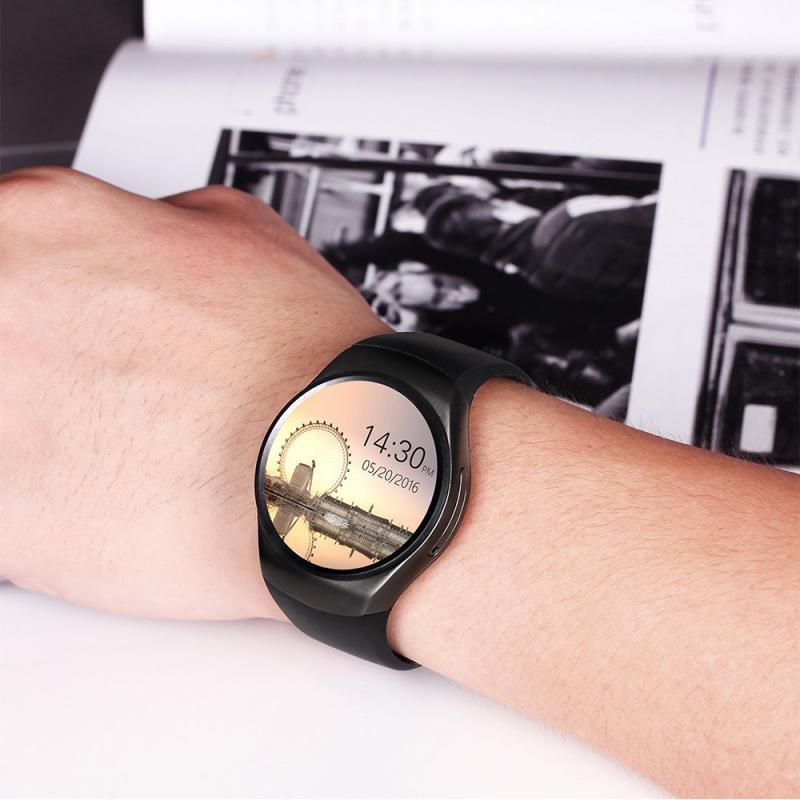
Apple has been building heart-health features into the Watch for years, and it shows. The Series 10 does the basics very well: continuous heart-rate tracking, resting heart rate, walking heart rate, cardio fitness estimates, heart-rate zones during exercise, and alerts if your heart rate goes unusually high or low while you appear inactive.
The feature many people buy it for is the ECG app. You place a finger on the Digital Crown, wait about 30 seconds, and the watch checks for signs of atrial fibrillation. It does not detect every heart problem, and it is not a replacement for a proper medical ECG, but it can be genuinely useful if you have symptoms like palpitations and want a record to show your doctor.
The other valuable feature is irregular rhythm notification. This works more quietly in the background. If the watch notices signs that may suggest atrial fibrillation over multiple readings, it can notify you. I would not treat one notification as a diagnosis, but I also would not ignore repeated alerts — especially if they match how you feel.
Apple also gets the small details right. The Health app keeps historical trends readable, which matters more than people expect. A single heart-rate reading is not very useful. Trends over weeks and months are. If your resting heart rate slowly climbs, your cardio fitness drops, or your walking heart rate changes noticeably, those patterns can tell a more useful story than one impressive-looking sensor spec.
Battery life is the main weakness. You are usually charging it daily. If you want to track sleep every night, you need to build charging into your routine — for example, topping it up while showering or before bed. People who forget to charge devices may get frustrated.
If you have an iPhone but want longer battery life
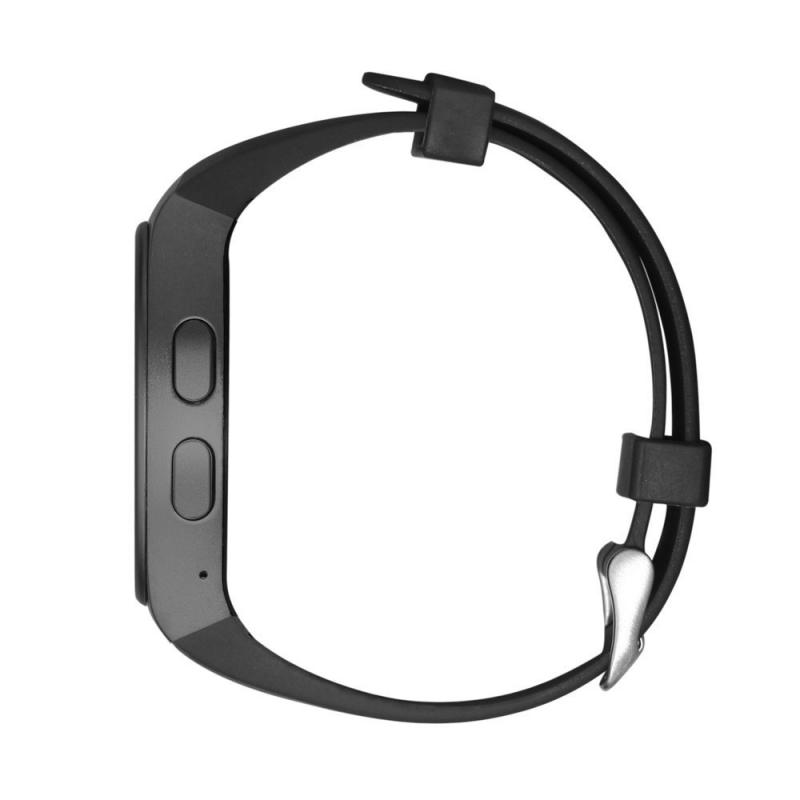
The Apple Watch Ultra 2 has the same core heart-health strengths as the regular Apple Watch, with much better battery life, a brighter display, stronger build quality, and a bigger case. It is overkill for many people, especially if you do not hike, run, dive, or spend long days away from a charger.
For heart health alone, I would not tell most people to spend Ultra money. But if you want Apple’s health features and hate daily charging, the Ultra 2 is the more comfortable long-term watch. It is also easier to read quickly, which helps older users or anyone who wants larger on-screen text.
Best heart-health smartwatch for Android: Pixel Watch 3
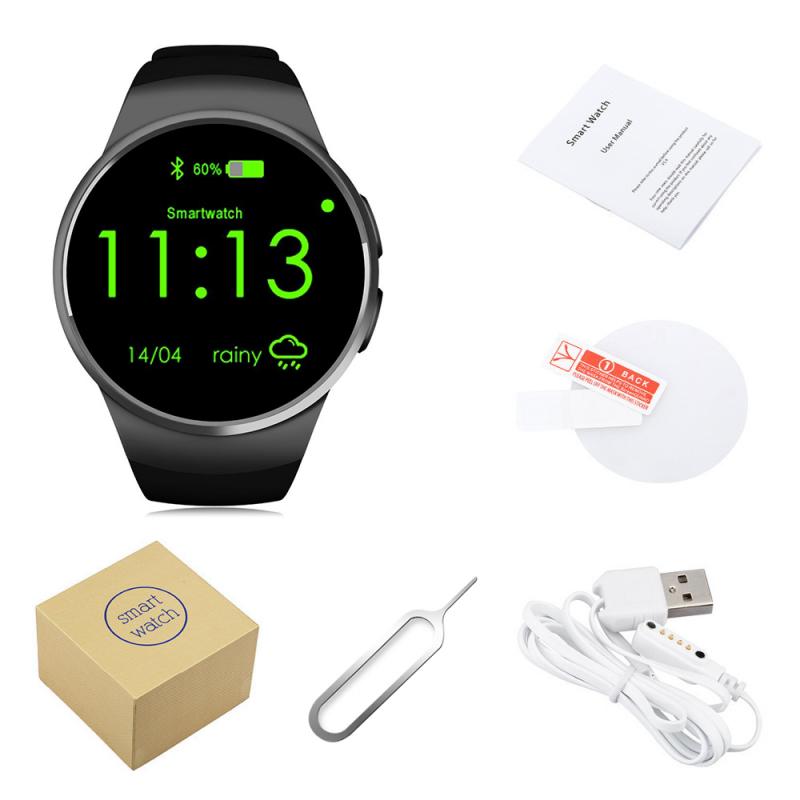
The Pixel Watch 3 is the Android watch I would recommend to people who want a simple, health-focused experience without digging through too many menus. Its strength comes from Fitbit’s health platform. Resting heart rate, sleep tracking, active zone minutes, cardio fitness, and daily readiness style insights are presented in a way normal people can actually use.
For heart health, it includes heart-rate tracking, ECG functionality in supported countries, irregular rhythm notifications, and high/low heart-rate alerts. The Fitbit app is especially good at showing trends in plain language. If you are trying to improve your health — walking more, sleeping better, lowering stress, building consistency — it feels more encouraging than technical.
The Pixel Watch 3 is also one of the better choices for people who care about sleep and recovery as part of heart health. Poor sleep, alcohol, stress, dehydration, illness, and overtraining can all show up in your resting heart rate and heart-rate variability. Fitbit’s app makes those changes easier to spot.
The downside is battery life. It has improved, but it is not Garmin-level. You will still need to think about charging. Some advanced Fitbit insights may also require a Fitbit Premium subscription, which annoys people who expect everything to be included after buying the watch.
Best for Samsung phone users: Galaxy Watch 7
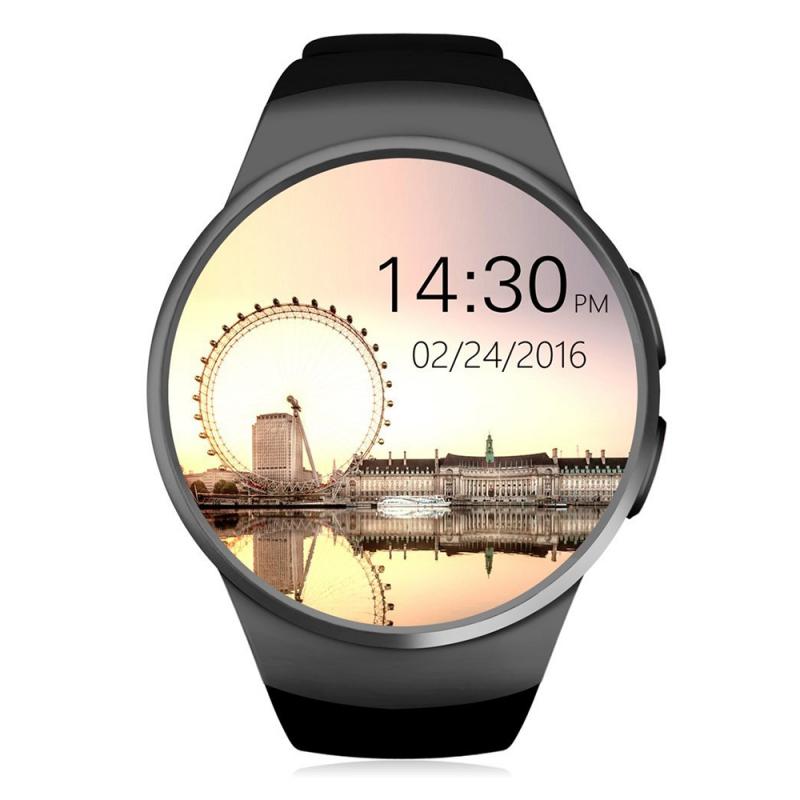
The Samsung Galaxy Watch 7 is a strong choice if you already use a Samsung phone. It offers heart-rate tracking, ECG, irregular heart rhythm notifications, sleep tracking, and body composition estimates. In some regions, Samsung also supports blood pressure monitoring, but there is a big practical caveat: it usually requires calibration with a traditional blood pressure cuff, and availability depends on country and phone compatibility.
This is where many buyers get tripped up. They see “blood pressure” in marketing and assume the watch can replace a cuff. It cannot. Even where the feature is available, you still need a proper cuff for calibration, and wrist-based estimates are not something I would rely on for managing hypertension without a doctor’s guidance.
The Galaxy Watch 7 is best if you want a smartwatch first and a health tracker second. Notifications, apps, phone integration, and Samsung ecosystem features are good. Heart-health features are useful, but the experience can feel less clean if you do not have a Samsung phone.
Best for fitness-focused heart tracking: Garmin Venu 3
If your idea of heart health includes exercise, endurance, recovery, and training consistency, the Garmin Venu 3 deserves a serious look. Garmin watches are excellent for tracking workouts, heart-rate zones, recovery, stress, body battery, sleep, and long-term fitness trends. Battery life is also far better than Apple, Pixel, or Samsung watches.
The Venu 3 has an ECG app in some regions, including the U.S., but availability varies. Garmin’s real strength is not medical-style alerts; it is helping you understand how your body responds to training and daily stress. If you are trying to improve cardiovascular fitness through walking, cycling, running, gym sessions, or structured workouts, Garmin gives you more useful fitness context.
The trade-off is that Garmin is less polished as a general smartwatch. Notifications are fine, but not as rich. App support is more limited. If you mainly want heart-health alerts and a smooth phone-connected experience, Apple or Pixel will feel friendlier. If you want battery life and training insight, Garmin is hard to beat.
What about Fitbit watches?
Fitbit still makes sense for people who want simple health tracking, especially if they prefer a lighter device and do not need a full smartwatch. Fitbit’s resting heart rate, sleep tracking, readiness-style insights, and trend views are genuinely useful for everyday health awareness.
The issue is that Fitbit’s product line has become less compelling as Google puts more attention into the Pixel Watch. If you want a screen, apps, ECG, and a modern smartwatch experience, I would lean Pixel Watch 3. If you want something simpler and cheaper, a Fitbit tracker may be enough.
Do you really need ECG on a smartwatch?
ECG is worth having if you have a history of atrial fibrillation, occasional palpitations, unexplained racing-heart episodes, or a doctor who wants you to keep an eye on rhythm symptoms. It is also reassuring for people with family history or anxiety around heart rhythm.
But ECG is not the only feature that matters. Many people get more everyday value from:
- Resting heart-rate trends
- High and low heart-rate alerts
- Irregular rhythm notifications
- Cardio fitness estimates
- Sleep and recovery tracking
- Exercise heart-rate zones
- Emergency SOS and fall detection
A smartwatch can catch patterns, but it cannot clear you medically. Chest pain, fainting, shortness of breath, one-sided weakness, or severe symptoms need urgent medical care, not a watch reading.
What I would buy, depending on the person
If you use an iPhone, buy the Apple Watch Series 10. It is the best balance of heart-health features, accuracy, usability, and safety tools. If price matters, a discounted Series 9 is still excellent. If battery life matters more than price, get the Ultra 2.
If you use an Android phone, buy the Pixel Watch 3 for the best overall health experience. It is especially good if you want simple trends, sleep tracking, and Fitbit’s approach to health data.
If you use a Samsung phone, the Galaxy Watch 7 is the better fit, especially if ECG and Samsung Health features are available in your region.
If you are a runner, cyclist, hiker, or fitness-focused user, look at the Garmin Venu 3. It is less of a medical-alert watch, but better for building cardiovascular fitness and understanding recovery.
For an older parent or someone with known heart concerns, I would usually pick an Apple Watch if they have an iPhone. Not because it is perfect, but because the alerts are clear, the emergency features are mature, and doctors are often familiar with Apple Health exports and ECG PDFs.
The bottom line
The best smartwatch for heart health is the Apple Watch Series 10 for iPhone users. It offers the most complete, practical heart-health package in a watch that normal people can wear every day.
For Android, the Pixel Watch 3 is the easiest recommendation, with the Galaxy Watch 7 close behind for Samsung users. Garmin is the better pick if your focus is fitness, endurance, and battery life rather than medical-style monitoring.
Whichever watch you choose, treat it as an early-warning and trend-tracking tool. The real value is not obsessing over every reading. It is noticing changes, building healthier habits, and having useful data ready if something feels off.