kfconcept

KENTFAITH
K&F Concept    Blog >

Enjoy Your Selected Digital Life

Recently Viewed
  • Recently Viewed
  • Recently Viewed list is empty.

Compare (0) 0
  • Compare
  • You have not chosen any products to compare.

  • Compare
Currency: USD
  • Currency
Shop by Scene Shop by Rank

Log Into Your Account

Account

Order History

Wish List

Login

Forgotten Password?

or connect with

Register Account

Already have an Account?Log In

  • Shopping Cart
  • Your shopping cart is empty!

  • Register/Login to purchase, earn points
  • Favorite
  • Your wish list is empty.

  • Register/Login to like, earn points
  • Activities
  • Guide
    • Filter Guide
    • Lens Adapter
    • Product Review
  • News & Reviews
    • Camera Reviews
    • Sample Gallery
    • News
  • Tutorials
    • Solar eclipse photography
    • Photography Basics
    • Landscape Photography
  • Inspiration
    • Travel
    • Travel Stories
  • Home
  • Blog
  • What Does A Scanning Electron Microscope Show?

What Does A Scanning Electron Microscope Show?

Kentfaith 2024-12-11 01:46:33 0 Comments

Understanding Scanning Electron Microscopes: What They Reveal About the Micro World
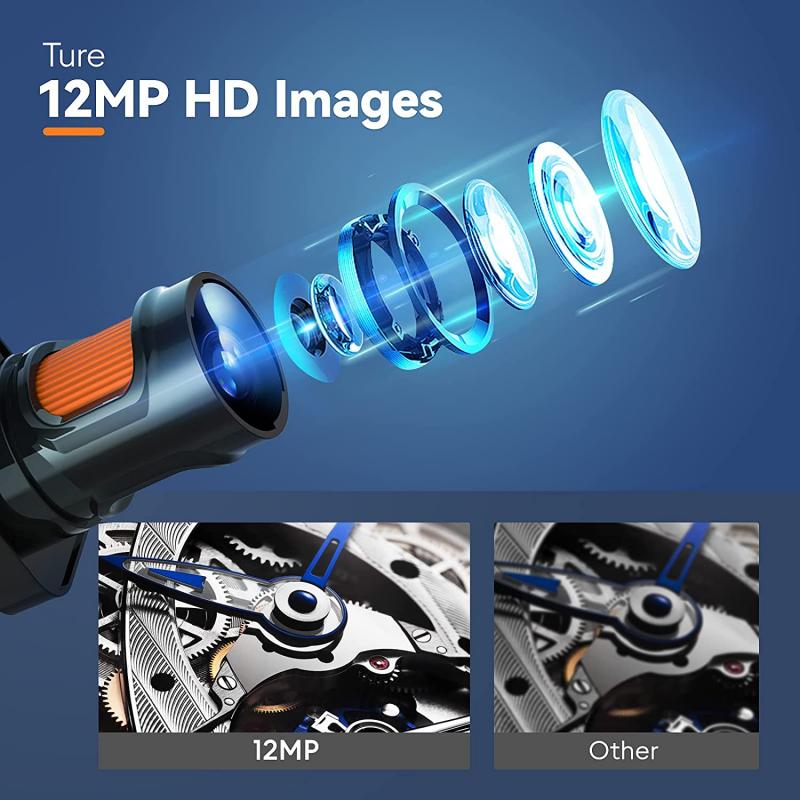
what does a scanning electron microscope show 1

The Scanning Electron Microscope (SEM) is an indispensable tool in the world of scientific research and industrial applications. With its ability to produce detailed, high-resolution images of surfaces at the microscopic level, it offers insights into materials, biological specimens, and other objects that are invisible to the naked eye. In this article, we will delve into what a scanning electron microscope reveals and how it works, highlighting its critical role in modern science and technology.

What Is a Scanning Electron Microscope?

what does a scanning electron microscope show 2

A scanning electron microscope is a type of electron microscope that uses focused beams of electrons to scan a sample. Instead of relying on light, like conventional optical microscopes, SEMs employ a stream of electrons to interact with the atoms of the sample surface. This interaction generates various signals that are collected and used to form an image. The high energy and short wavelength of electrons enable SEMs to achieve much greater resolution than optical microscopes, allowing scientists to view extremely fine details of objects at magnifications ranging from 10x to over 1,000,000x.

Unlike conventional light microscopes, SEMs do not produce images based on light passing through a specimen. Instead, they produce images by scanning a focused electron beam across the surface of a specimen, detecting various interactions between the electron beam and the sample, such as secondary electrons, backscattered electrons, and X-rays. These interactions provide a variety of information about the sample's surface morphology, composition, and topography.

What Does a Scanning Electron Microscope Show?
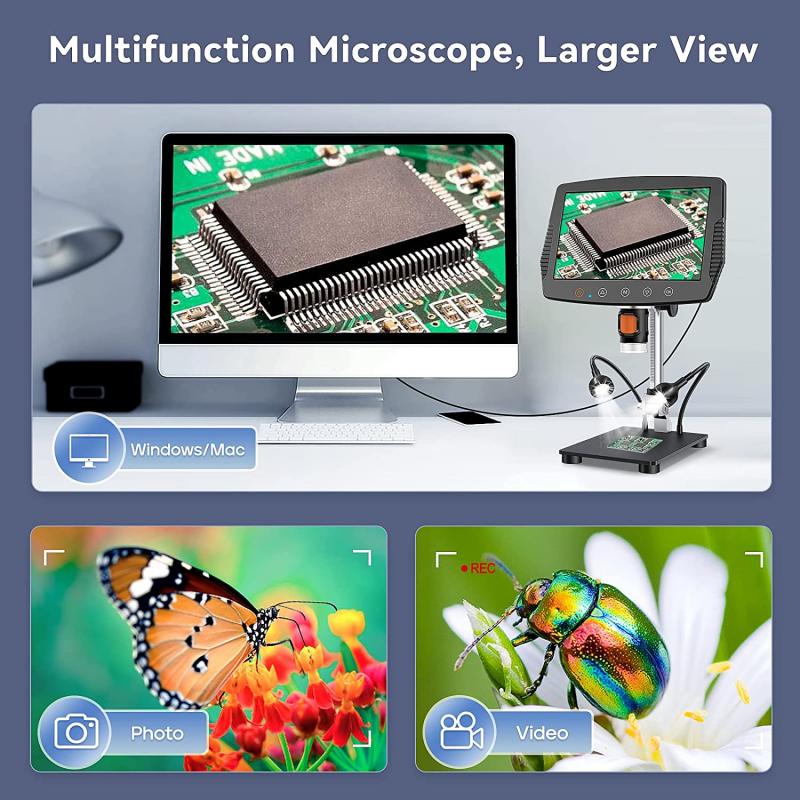
what does a scanning electron microscope show 3

SEM provides a wealth of information about the surface of a sample. The major features revealed by SEM include:

1. Surface Topography:

The SEM can create highly detailed images of the surface structure of a specimen. These images display the fine details of surfaces in three dimensions, often showing features such as texture, roughness, grooves, cracks, and edges with astonishing precision. For example, it can show the surface structure of a metal, the shape of plant cells, or the intricate patterns of insect wings.

2. Morphological Details:

SEM is exceptional at visualizing the shape, size, and arrangement of objects at the micro- and nanoscale. This is particularly useful in the fields of materials science and biology. For instance, SEM can reveal the detailed morphology of nanoparticles, the intricate arrangement of cells in tissues, or the precise shape of bacteria and viruses.

3. Elemental Composition:

By detecting X-rays emitted from the sample when it interacts with the electron beam, SEM can be coupled with Energy Dispersive X-ray Spectroscopy (EDS) or Energy Dispersive X-ray Analysis (EDX), techniques that allow for elemental analysis. This provides information on the chemical composition of the sample, including which elements are present and their relative concentrations. For instance, SEM with EDX is often used to study alloy compositions, identify contaminant elements, or investigate the presence of trace metals in a sample.

4. Material Properties:

SEM is also effective at revealing the material properties of samples, especially their surface hardness and texture. The contrast seen in SEM images can provide clues about material homogeneity or structural integrity. For instance, researchers may use SEM to examine the fractography of a material after it has fractured, helping to understand the failure mechanisms.

5. Porosity and Pore Structure:

SEM can provide detailed imaging of the porosity of a material, which is essential in fields like geology, pharmaceuticals, and battery technology. SEM is used to visualize the internal pore structure of materials such as ceramics, polymers, and geological samples, helping engineers design more efficient materials.

6. Crystal Structure:

SEM can offer insights into the crystal structure of materials. While electron diffraction techniques are typically used for full crystallographic analysis, SEM images can still reveal features such as grain boundaries, crystal orientations, and the presence of polycrystalline regions.

7. Surface Contamination and Defects:

The high resolution of SEM makes it an excellent tool for detecting surface contaminants, defects, or corrosion. SEM can be used in quality control to ensure that components or products meet specific standards by checking for defects like scratches, pores, or any signs of corrosion.

8. Microorganisms and Biological Samples:

SEM plays a critical role in microbiology and medicine. It is used to visualize bacteria, viruses, fungi, and other microorganisms in great detail. For instance, SEM allows scientists to examine the surface structure of bacteria, revealing the shape, size, and surface characteristics, which are crucial for understanding how they interact with the environment or host organisms.

9. Nano-Scale Features:

The ability of SEM to operate at high magnifications makes it ideal for examining features at the nanoscale. This includes the detailed structure of nanoparticles, nanomaterials, and thin films. This is particularly important in fields such as nanotechnology, where understanding the physical characteristics of nanoscale structures can significantly influence the design and application of these materials.

10. Three-Dimensional Imaging:

One of the powerful features of SEM is its ability to generate images with three-dimensional depth, providing a much clearer view of the sample's surface. This is achieved by scanning the electron beam in a raster pattern across the sample, with the intensity of the signals varying according to the surface features. SEM images can often resemble topographic maps, showing the height variations and contours of the surface.

How Does a Scanning Electron Microscope Work?
what does a scanning electron microscope show 4

The functioning of a scanning electron microscope is based on a series of carefully controlled processes:

1. Electron Gun:

The process starts with an electron gun, which generates a beam of electrons. These electrons are accelerated using high voltage and focused into a tiny, fine beam.

2. Scanning the Sample:

The focused electron beam is directed at the surface of the sample. The sample is placed in a vacuum chamber to avoid interference from air molecules, which would scatter the electron beam. The electron beam scans the surface of the sample in a raster pattern.

3. Interaction with the Sample:

As the electron beam strikes the sample, various interactions occur. Some electrons are ejected from the sample’s surface (secondary electrons), while others may scatter or penetrate deeper, depending on their energy. The interaction of the electron beam with the sample generates signals that are detected by various detectors.

4. Signal Detection:

The primary types of signals detected in SEM include secondary electrons, backscattered electrons, and X-rays. The detected signals are used to generate an image or provide chemical composition information. Secondary electron images reveal surface topography, while backscattered electrons can show variations in atomic number (helpful for elemental composition).

5. Image Formation:

The detected signals are processed by the SEM’s computer system to produce an image. These images are highly detailed and have a depth of field that provides a three-dimensional appearance.

6. Analysis Tools:

SEMs are often equipped with additional analytical tools like EDX, which provides elemental analysis. In some cases, Electron Backscatter Diffraction (EBSD) is used to study the crystallographic structure of materials.

Applications of Scanning Electron Microscopes

The power and versatility of SEMs make them essential tools in various fields, including:

- Materials Science: SEM is used extensively to study metals, polymers, and composite materials, as well as to analyze defects, fractures, and surface coatings.

- Biology and Medicine: SEMs help in the study of cellular structures, bacteria, viruses, and tissue samples. They are crucial in cancer research, microbiology, and medical diagnostics.

- Nanotechnology: SEMs are indispensable for observing the properties of nanomaterials, nanostructures, and nanoparticles, enabling researchers to design and test new materials at the nanoscale.

- Semiconductor Manufacturing: In semiconductor fabrication, SEMs are used to inspect circuit patterns, verify quality, and locate defects in chips and microelectronic devices.

- Geology: SEM helps geologists examine minerals, rocks, and fossils, providing insights into their structure and composition.

Scanning Electron Microscopy is a powerful technique that reveals much more than just the surface of a sample—it provides detailed insights into the structure, composition, and behavior of materials at the microscopic and nanoscale levels. Whether used in materials science, biology, electronics, or geology, SEM continues to be an invaluable tool, pushing the boundaries of our understanding of the micro and nano world.

Its high resolution and depth of analysis make it a key player in both scientific research and industrial applications, allowing scientists and engineers to tackle complex problems in ways that were once unimaginable. With advancements in SEM technology, the potential for discovering new materials, improving industrial processes, and advancing medical research continues to grow.


Leave your comment
Cancel reply
Note: HTML is not translated!
Related products
50X-2000X Digital Microscope, 500W Pixel, HD Visual WiFi Digital Microscope, Portable Microscope
67
$151.19 $129.99
Metal Detector, 360 ° Scanning, Waterproof, Handheld, High Sensitivity, Supporting Precise Positioning and Searching
20
$35.99 $25.99
4.3” LCD Digital Microscope for Kids, 50X-1000X Magnification, USB Microscope
79
$107.99 $68.99
Hand Held Metal Detector, Professional High-Precision, 360 ° Scanning, With LCD Display, Adjustable Valve Stem
21
$359.99 $188.99
7" LCD Screen Digital Microscope, 1080P 50x-2000X Magnification Biological Microscope, with Dual Lenses
89
$191.99 $189.99
Digital Mini Microscope for Kids, 100x-1000x Handheld Microscope with 32GB SD Card & Battery
32
$92.99 $65.99
Optical Microscope for Adults Students, 40X-2000X Magnification, Dual LED Illumination, High-Power Scientific Portable HD Microscope
70
$203.99 $149.99
Digital Microscope with 10.1" Screen & 3 Lenses, 1000X, 1500X, 2500X for Coin, Soldering, Electronics Repair, Biology, Kentfaith Microscope
79
$362.49 $299.99
KM-G1000H 1000m Laser Rangefinder for Golf & Hunting, Distance Measurement with High-Precision Flagpole Lock Vibration Slope Mode Continuous Scanning
$251.99 $97.99
DM9 7" LCD Digital Microscope 10X-1200X, 1080P Coin Microscope with 12MP Camera Sensor Work with Windows/Mac OS
118
$149.99 $121.99
Products You May Like
67mm Variable ND Filter ND3-1000(1.5-10 Stops) Ultra-thin HD with Double-sided 28-layer Nano-coating Nano-Xcel Series
60
$106.99 $84.99
24MP*1296P night vision, 120° wide angle*0.2S trigger 2-inch screen hunting camera bark color*3 sets
$229.99
58mm Bilateral Motion Blur Special Effect Filter Dual Motion Optical Glass for Camera Lens Nano-B Series
21
$49.32 $36.99
Professional Metal Detector, High-Performance Underground Metal Detector, Five Detection Modes, With LCD Display, Waterproof
56
$281.99 $134.99
100*150mm Square Filter Pouch for 3 Lens Filters + 1 Filter Holder, Microfiber Interior, Grey, for Filter Holder System NANO-X Pro Series
3
$61.99 $37.99
Mavic 3 OTG Cable TYPE-C TO TYPE-C for DJI Mavic Mini 2/Air 2S/Air 2/Osmo Pocket 2/1 Remote Control, 11.8inch/30cm (Not for Mavic Air)
$9.99
WiFi IP Camera Solar Security Camera Outdoor Wireless 2K HD with Color Night Vision & Audio IP66 Waterproof Battery-Powered Surveillance Camera
245
$87.59 $76.99
TAM-NIK Z Manual Focus Compatible with Tamron Adaptall (Adaptall-2) Lens to Nikon Z Mount Camera Body K&F Concept Lens Mount Adapter
25
$66.99 $34.99
72mm Magnetic UV Filter Ultra Slim with Multi Coated Ultraviolet Protection Lens Filter with Cleaning Cloth Nano-K Series
34
$22.99 $17.99
58mm Variable Starburst Filter (4-8 Points), Adjustable Cross Screen Star Filter with  28 Multi-Coated Optical Glass for Nightscapes, Jewelry, Water Reflection Photography Nano-Xcel Series
58mm Variable Starburst Filter (4-8 Points), Adjustable Cross Screen Star Filter with 28 Multi-Coated Optical Glass for Nightscapes, Jewelry, Water Reflection Photography Nano-Xcel Series
$46.99 $34.99
Related articles
What Does A Scanning Electron Microscope Do?
What Is Scanning Microscope?
What Can Scanning Electron Microscopes See?
What Is The Magnification Of Electron Microscope?
What Is A Drone Light Show?
What Does The Lamp Do On A Microscope?
What Is The Most Powerful Microscope?
What Are Two Different Types Of Electron Microscopes?
What Is A Good Microscope Magnification?
What Is The Field Of View Microscope?
Blog You May Like
What Is The Difference Between Binoculars And Telescope?
How To Read Micro Sd Card On Pc?
Does Game Pass Console Include Xbox Live?
How To Store Tripods?
What To Use Binoculars For?
What Baby Monitors Connect To Iphone?
Can Headphones Be Both Wired And Wireless?
How To Get A Filter On Iphone Camera?
Can Sunlight Damage Camera Lens?
What To Do With Baby Monitor Cord?
Related categories
A Mount Lens Adapter Sony A Mount Lens Adapters minolta a mount lenses digital microscope neutral density filters Graduated Filters Soft GND Filter
Popular products
digital microscope 2000x handheld waterproof metal detector digital microscope camera mac portable handheld digital microscope digital mini microscope LCD Digital Microscope Hand Held Gold Metal Detector high power lens microscope digital microscope usb camera Digital Microscope
Related searches
Usb Electron Microscope Electron Microscope Range Of Magnification Laser Light Show Projector Cost Of A Light Microscope Objective Lens In A Microscope Eyepiece Lens On A Microscope The Objective Lens Of A Microscope Objective Lenses On A Compound Microscope Microscope Microscope Ireland
Related Scenes
Best Batteries For A Trail Camera Best Sony A Camera For Video Best Digital Microscope Camera Best Usb Digital Microscope The Best Digital Microscope Best Handheld Digital Microscope Best Microscope For Phone Best Digital Microscope For Coins Best Digital Microscope For Soldering Best Home Security With Camera
Blog Category
  • Activities
  • Guide
    • Filter Guide
    • Lens Adapter
    • Product Review
  • News & Reviews
    • Camera Reviews
    • Sample Gallery
    • News
  • Tutorials
    • Solar eclipse photography
    • Photography Basics
    • Landscape Photography
  • Inspiration
    • Travel
    • Travel Stories
Search Article
Latest from the Blog
When Will A Speed Camera Flash?
How Long To Charge Bluetooth Headphones?
What Is The Zoom On Binoculars?
What Phone Has The Best Camera?
How Accurate Are Smart Watch Blood Oxygen Monitor?
Which Camera Is Best For Video And Photography?
What Is The Aperture Of A Telescope?
What Is The Field Diameter Of A Microscope?
Binoculars That Can See In The Dark?
What Is Noise Cancellation On Headphones?
  • Easy Payment Multilple Payment Options

  • Free Shipping Global WareHouse Shipment

  • No Risk 30-Day No Reason Return

  • Limited Deals Buy More, Save More

  • Tax Free No any surcharges or tax fee

Information
  • About us
  • Contact Us
  • Site Map
  • Blog
  • Video
  • Gallery
  • VIP Membership Rewards
Service
  • Privacy Policy
  • Terms & Conditions
  • Shipping & Delivery
  • Payment Info
  • Warranty, Return & Refund
  • Intellectual Property Rights
  • Ambassador
  • Affiliates
  • Wholesale
Support
  • My account
  • Order History
  • FAQs
  • Extend Warranty
  • Logistics Tracking
Follow us
NewsLetter

Get the latest product, K&F Concept respects your privacy.

Powered By KENTFAITH © 2026