What A Good Camera For Photography And Video?
2026-06-28 00:49:46
0 Comments
Beginner-friendly camera advice
- pick the one you think looks the best and feel the best in your hand.
- for a beginner the best camera is the one, which you will bring with you.
- you will learn to grow with that camera, and when you learn the limitations of that camera, that is when you truly upgrade.
- also you never gave us a true budget range to work with, didnt specify what you want to shoot and if you want to do post production.
- all these questions matter before anyone here can give you serious advice
- you need to provide a budget or else you won’t get useful info
Used and budget options
- if you are not against used, i would recommend picking up a used fuji xt3 and a used lens.
- easy enough to begin with and with features to grow with.
- canon 60d with magic lantern. budget beast. and many options for lenses.
- you want to spend more on the lens.
- forget about r50 or z50 if your budget is $800.. get a used dslr and a used higher end lens with is for example.
- a mirorless camera would be a good choice, inexpensive on the second hand market, or semi pro level if your budget allows it…
- also, if not specified otherwise, a kit lens is enough for starters.
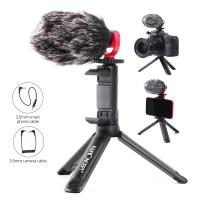
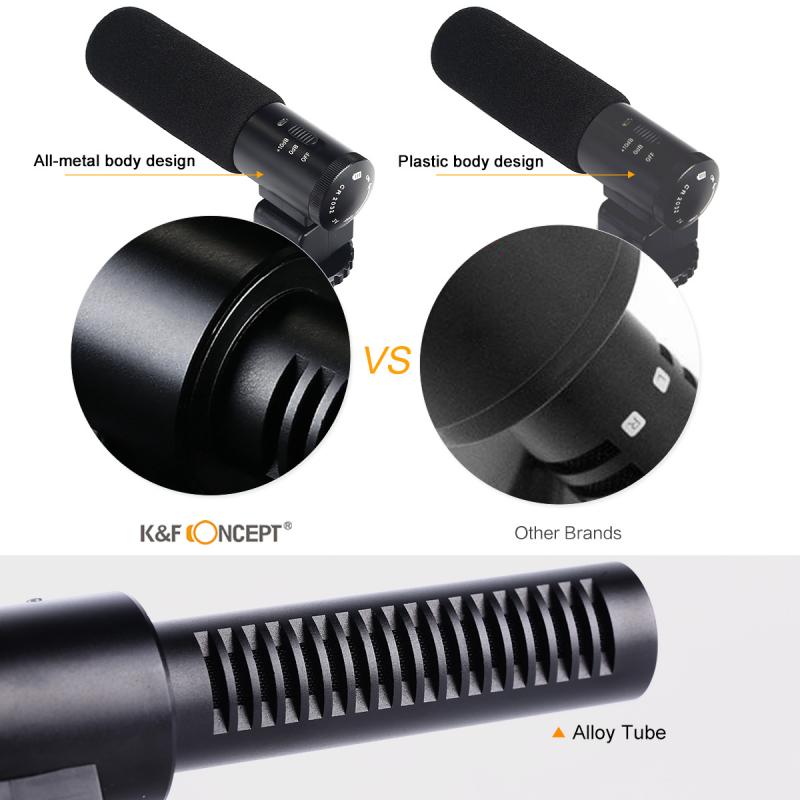
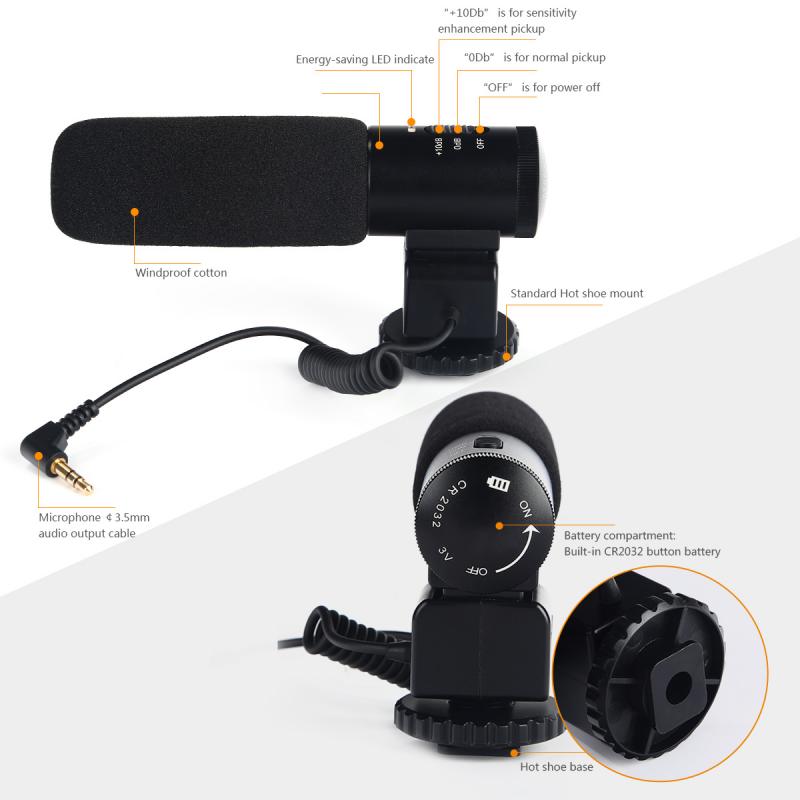
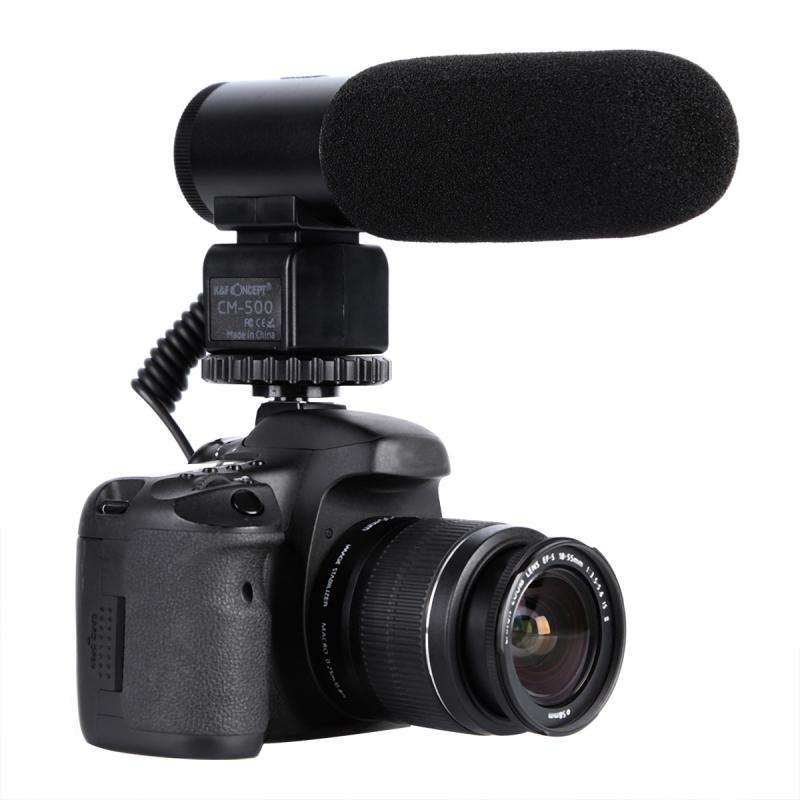
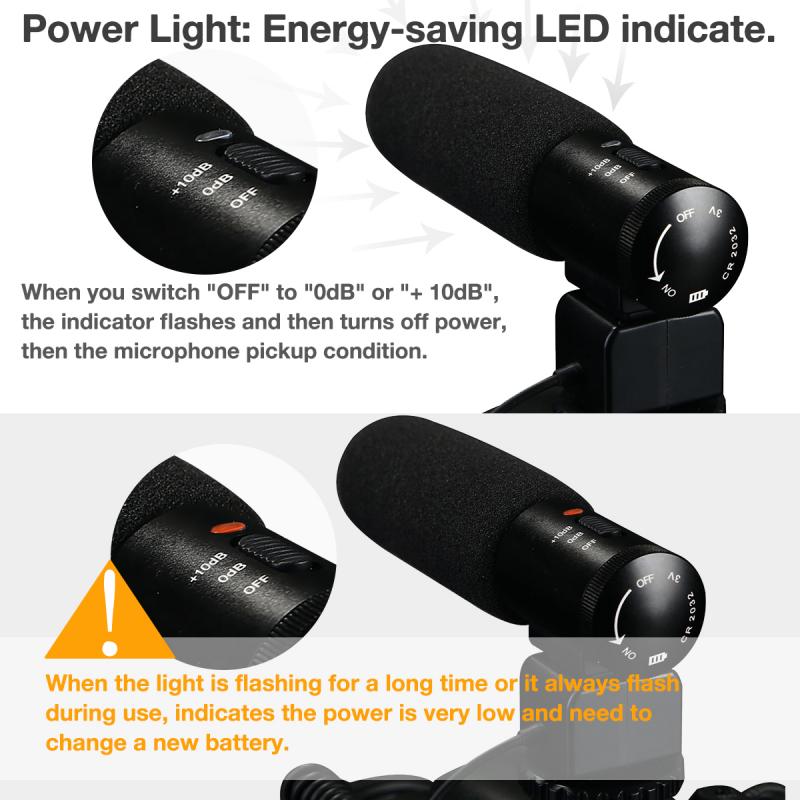
- all the rest is just accessories, like tripods, microphones, and so on…
New enthusiast options for photos and video
- if you don't care about price and want solid enthusiast new gear , options you would consider might be:
- sony a6700 nikon z50 (or zfc if you prefer retro) canon r10 or r50 fuji xt50
- the z50 is the best bargain.
- sony has the best autofocus, followed by canon, then nikon.
- fuji is at the bottom.
- fuji has fuji jpegs and film sims.
- these are all cameras you can easily live with for several years as you learn photography and videography.
Hybrid camera points
- there's no escaping video these days.
- it's almost impossible to find a camera released today without a video mode and increasingly advanced video features.
- of course, those advanced hybrid cameras still capture great photos, but why pay more for features you aren't going to use?
- thankfully, the upside of all these technological advancements is that most modern cameras can capture fantastic image quality.
- taking quality images, however, comes down to the photographer wielding the camera.
- video may be here to stay, but there are still a wide range of options out there for those who just want to focus on photography, whether it's an older used model or one of the more photography-oriented hybrids on the market today.
Sony a6700
- the sonyα6700 is the best all-around mid-range camera we've tested for photographers.
- this hybrid model uses a 26-megapixel aps-c sensor and captures fantastic overall image quality.
- it's also relatively portable and has an excellent battery life, making it a good choice for long days on the go.
- the camera's autofocus system is also one of the most effective on the market, with ai-driven subject detection and incredibly accurate af tracking.
- on top of that, it has ibis and a wide selection of compatible lenses, including plenty of more affordable third-party options.
- the a6700 is particularly great if you’re trying to capture motion or sports, and if video is more important to you than photos.
- if you’re starting a youtube channel, or are interested in capturing slo-mo, the a6700 is for you.
- packed with advanced features and cutting-edge technology, the sony a6700 is perfect for amateurs or as a second camera for pros.
- it's the closest thing to a full-frame camera in a crop sensor body.
- fully articulating touchscreen.
- impressive ai-powered autofocus.
- image stabilization is unusual in an aps-c camera.
Canon EOS R10 and Canon EOS R50
- sony α6700 is out of your price range, the canon eos r10 is an entry-level model that packs a punch for its price.
- with a highly accessible user interface and great ergonomics, it's beginner-friendly and easy to use.
- it has a highly accurate and effective autofocus system, as well as quick burst shooting and a good battery life.
- on top of that, it has good video specs for an entry-level model, including 4k recording at up to 60 fps (albeit with a crop) and 10-bit capture in its hdr pq mode, though it lacks advanced features like log profiles.
- canon eos r50 is a good alternative to consider.
- it's more compact and has faster burst shooting options, but canon's rf lens ecosystem is still being built out, so you'll have fewer lens options, making the sl3 a better value pick for photographers who are just starting out.
Canon EOS R7
- best for beginners: great snaps and vlogging thanks to its excellent tracking capability
- you're a casual vlogger: the screen fully articulates, which is great for vlogging and selfies.
- you want to produce razor-sharp images: this camera's performance is incredible, even in low light.
- you are a filmmaker: there have been problems with overheating when recording lots of video.
- you want lots of lenses: the range of aps-c lenses (rf-s) is very limited.
- you can use full-frame rf lenses but you'll have to be mindful of the 1.6x crop factor, which isn't good for astro.
- a powerful crop sensor camera that can get near full-frame results and can handle almost anything you throw at it with ease.
- small and lightweight for travel.
- impressive tracking.
- up to 30fps — provided you have a fast card.
Fujifilm X-S20
- fujifilm x-s20 instead.
- fujifilm is known for its excellent jpeg processing and film simulation profiles, making it a good choice for those who prefer to share their images straight out of the camera.
- like the α6700, it has a high-res aps-c sensor and ibis to help you shoot handheld at slower shutter speeds.
- however, its autofocus isn't as effective as the sony's, so it's less suited to very fast subjects like sports or wildlife.
- i always describe fujifilm cameras as a great option for the photographer who craves creative control, unique images, and a break from the norm.
- fujifilm is really known for their film cameras, which is why their digital cameras are so fun.
- the often have fun film-simulation modes built-in, which allows you to create images that are film-like and that stand out from the traditional digital look that you find with all of the other cameras on this list.
- and the fujifilm x-s20 actually has incredible video, a compact body, and lots of other great features that particularly are great for vloggers or youtubers.
- the fujifilm x-s20 at $1299 offers 6.2k open gate, 4k60 with a small crop, full hd at 240fps, f-log2 in 10-bit 422, and fuji film simulations.
- it has ibis, though not as strong as panasonic.
- autofocus is good but not sony-level – use face tracking without eye tracking for best results.
- but for a light, compact hybrid that punches above its weight, this is fantastic.
Nikon Z fc and Nikon Z8
- best budget camera: the z fc is a delight to use and beautifully stylish
- you want something stylish: the classic aesthetic of this camera is timeless.
- you're a beginner: this camera is easy to get to grips with, even for total beginners, and it's reasonably priced.
- you're a professional: the 'c' in the name signifies this camera was designed with casual shooters in mind. pros will find it limiting.
- the nikon z fc is an impressive bit of kit, a gorgeous camera to look at and use.
- on the inside, it's capable and easy to get to grips with for more casual users.
- the nikon z8 at $3497 is essentially a compact z9.
- 45mp stacked sensor, 8k, 4k high frame rates, solid ibis, n-log, full-size hdmi.
- autofocus capable though behind sony/canon.
- nothing negative except weight – chunkier than competition.
Canon EOS R6 Mark II
- you need bang for buck: pro cameras cost a lot, but the r6 mark ii gives you a great deal of power for the price.
- you shoot stills and video: this is a great hybrid camera, delivering fantastic 4k video quality on top of photographs.
- you need resolution: this doesn't have as many pixels as its rivals, affecting printing and composition accordingly.
- you want lens options: canon does not allow third parties to produce autofocus lenses, limiting your choice.
- canon eos r6 mark ii not designed to be a pro camera, it nonetheless has everything you could need to start shooting professional stills and video.
- best for low light: outstanding features and superb night time performance.
- video capability: 4k up to 60 fps, 4k/fhd timelapse up to 30 fps, fhd up to 180 fps
- you want a powerful camera for less: this offers great performance at a seriously attractive price.
- the r6 mark ii has superb iso handling, a boon for low-light work.
- compact and lightweight, dust and moisture-sealed
- solid resolution and image quality.
- impressive battery life.
Panasonic Lumix S5 and S5 IIX
- it’s a full-frame mirrorless camera with 4k video capabilites, in-body image stabilization, and a rugged, sturdy body.
- this is a pro level hybrid camera, so its great for both photo and video.
- it really has all of the features you need to start a photography or video career if you’re really serious about investing in your future.
- it’s honestly a great price for what you get and is actually lighter and smaller than most full-frame dslrs!
- you shoot video: it's simple: if you're a videographer or video-first shooter, there's no better option than the s5 iix.
- you need versatile video: with open gate recording, and every conceivable codec, this is a bff for your workflow.
- you need 8k: truthfully, very few people need 8k right now – but if you're someone that does, look elsewhere.
- you need resolution: the s5 iix is a capable stills camera, but its 24.2mp sensor isn't the most pixel-rich.
- panasonic lumix s5 iix the undisputed king of video, short of a cinema camera there's nothing better for pro filming (unless you really need 8k!).
OM System and Micro Four Thirds options
- if you're often out hiking and want a lighter kit with weather sealing, and are willing to make some minor tradeoffs in ultimate image quality, an m43 system based around an om5 or em5iii might be appealing.
- i’ve recently been doing a lot more research into the om system cameras are particularly amazing for travel because of their super durable weather-sealed design.
- the autofocus is great and the burst shooting goes up to 30 fps, which is incredible for nature photography and capturing things like fluttering birds wings.
- i’d definitely recommend this camera particularly to hikers, nature photographers and travel photographers because it has a lot of other features like a starry sky autofocus mode and built-in neutral density filters to help capture things like waterfalls and waves.
- it also has an interesting “hand-held high-res shot” that allows for images up to 50 megapixels by combining multiple shots into one.
- best micro four thirds camera: a great option for every day shooting, this may be the best micro four thirds camera for astro
- you're a travel photographer: this camera weighs less than 1 lb but is not lacking in functionality.
- you're 'upgrading' from a smartphone: you can pick up this camera and get shooting straight away.
- the controls are intuitive, and the large lcd screen will feel familiar.
- though this camera is more than capable of shooting stunning 4k videos, it doesn't have a mic port.
Sony ZV-E10 and ZV-E10 II
- the sony zv-e10 is a solid choice with a price of $698 without a lens or $798 with the kit lens.
- this camera has 4k resolution, fhd 120p, good autofocus, and sony’s reliable face tracking.
- it also has digital is and a mic input.
- however, it does have a bad rolling shutter, no ibis (in-body image stabilization), and is heavy with a significant crop when using digital stabilization.
- it also lacks 4k 60p and is only 8-bit.
- the sony zv-e10 ii is basically a dream come true for youtubers and short-form content creators looking for a reliable, budget-friendly camera that still packs a lot.
- it’s simple to use but loaded with features that make capturing great footage foolproof, whether you’re shooting in low light at night or bright outdoor spaces on a hike.
- with a 26mp sensor, it’s not the most high-end resolution out there, but pair it with the right lens, and you’re golden.
- a good lens with a wide aperture can really make a difference — boosting color, smoothing out grain, and leveling up your 60fps shots, especially indoors.
- the zv-e10 ii might not be perfect, but it’s a major step up from its original iteration and continues to open up new possibilities for beginner filmmakers.
Leave your comment
Note: HTML is not translated!
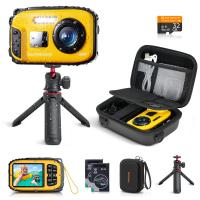
![4K Digital Camera for Photography & Video [Autofocus and Stabilisation] 48MP 16X Digital Zoom 3” 180° Flip Screen Vlog Camera with 32G SD Card, Flash](https://img.kentfaith.com/cache/catalog/products/us/GW41.0065/GW41.0065-1-200x200.jpg "4K Digital Camera for Photography & Video [Autofocus and Stabilisation] 48MP 16X Digital Zoom 3” 180° Flip Screen Vlog Camera with 32G SD Card, Flash")