Photography Camera Bag What Colour?
When choosing a photography camera bag, one of the often-overlooked considerations is the color. While it might seem like a minor aesthetic decision, the color of your camera bag can have practical implications for its functionality, usability, and even your experience as a photographer. In this article, we’ll explore how the color of a camera bag impacts aspects such as discretion, heat absorption, style, and the environment in which it will be used. By the end, you’ll have a clear understanding of how to choose a color that complements your photography needs, lifestyle, and personal taste.
1. Discretion and Security
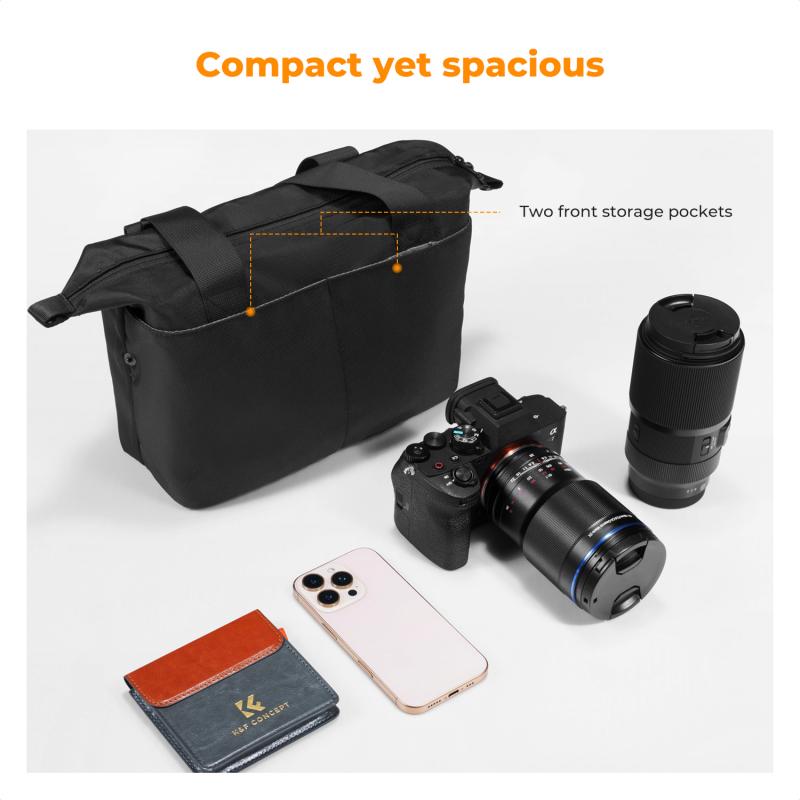
One of the most important considerations for camera bag color is how it affects discretion. Camera equipment is valuable, and theft is an unfortunate event that many photographers have faced. When choosing a color for your camera bag, think about how visible or attention-grabbing it may be in public spaces.
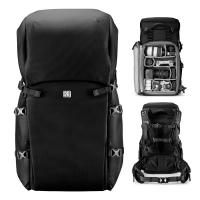
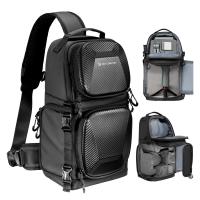
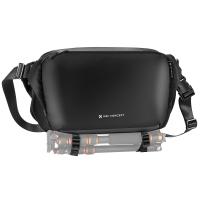
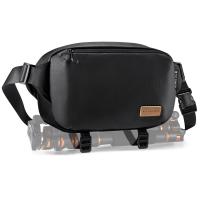
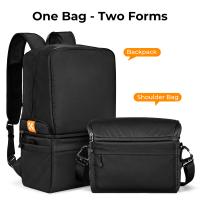
Black or Neutral Colors for Stealth: Black, grey, or dark navy blue bags are often favored by photographers who travel in urban environments or crowded places. These colors make the bag inconspicuous, blending seamlessly into most settings without announcing that you’re carrying expensive gear. If security is a priority, a bag in these colors is an excellent choice.
Bright Colors for Accessibility: On the other hand, bright colors such as red, orange, or yellow might stand out and draw attention. While this might be intentional for some photographers—especially those working in controlled areas or adventure settings—be aware that a highly vibrant bag invites curiosity and may not be ideal in environments where discretion is key.
2. Heat Absorption and Temperature Control
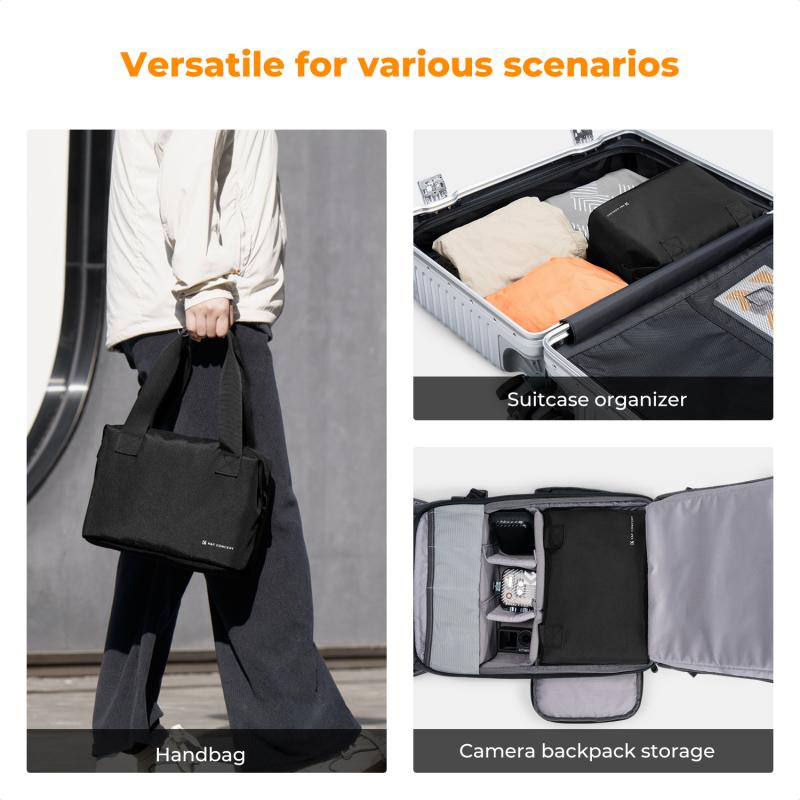
The color of your camera bag can also affect how it reacts to external conditions, particularly heat. This is an important factor to consider, especially if you often photograph outdoors or in warm climates.
Dark Colors Retain Heat: A black or dark-colored bag absorbs more heat when exposed to sunlight. This can lead to increased temperatures inside the bag, which is problematic for sensitive photographic equipment like cameras, lenses, and batteries. Overheating can damage your gear over time or degrade battery performance.
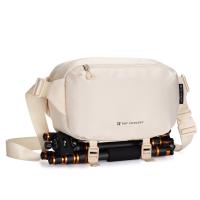
Light Colors Reflect Heat: Light-colored bags, such as beige, white, or light grey, are better for photographers shooting outdoors in hot climates. These colors help keep the bag and its contents cooler by reflecting sunlight. If you primarily shoot during the day or in tropical environments, choosing a lighter color may be practical.
3. Style and Personality
The camera bag you choose also becomes an extension of your personality and professional identity. Color can be a stylish way to express who you are while also serving as a unique identifier in a group setting.
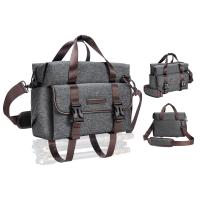
Classic Colors for Professional Look: Neutral and understated tones like black, brown, or gray are often associated with professionalism. For wedding photographers, corporate events, or formal shoots, choosing a bag in these hues can complement your polished image. Leather bags in brown or black often strike a balance between elegance and durability.
Colors for Creativity: As a photographer, you’re inherently creative, and your gear doesn’t have to conform to convention. Bold colors such as teal, mustard, or violet can serve as a creative expression and give your bag a unique flair. Artistic photographers may favor these tones as a way to stand out or showcase their dynamic personality.
4. Environmental Considerations
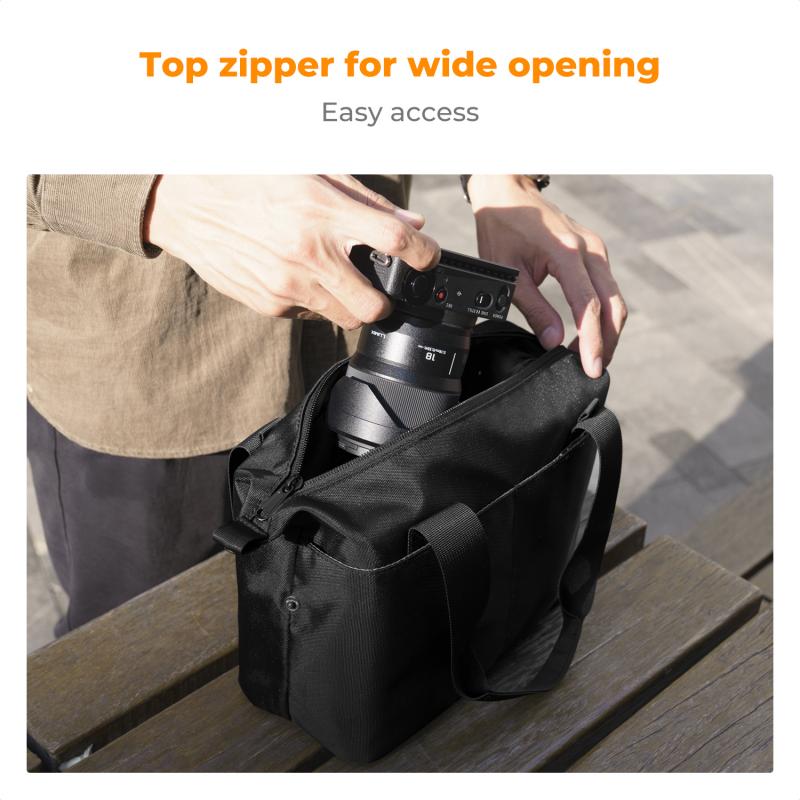
Your photography environment plays an essential role in selecting the right bag color. Are you regularly hiking in natural landscapes, shooting in cities, or working in controlled studio settings? Here’s how the color of your bag interacts with the environment:
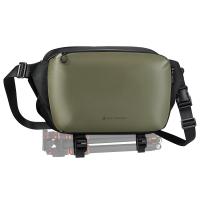
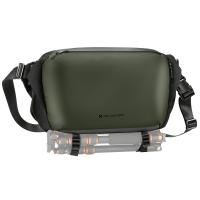
Earthy Tones for Outdoor Shoots: If you often photograph nature or wildlife, muted earthy tones like olive green, beige, or brown might be ideal. These colors blend well with outdoor settings and don’t disturb wildlife. Additionally, they may conceal dirt and wear better than lighter colors, keeping the bag looking clean even with frequent use.
Neutral or Bright Colors for Urban Settings: While black is always safe for urban settings, bright colors also work in metropolitan environments where bold designs are more accepted. However, regardless of your choice, ensure the material is durable to withstand city demands like pollution, grime, and wear from frequent transport.
Studio or Indoor Shoots: Studio photographers have more freedom in choosing a camera bag color, as it won’t affect their environment or shooting conditions as much. In these cases, style and personal preference take precedence.
5. Practicality and Cleaning
Another key factor is how well the bag's color holds up over time. Certain shades, like white or pastel, can easily show signs of dirt, dust, or stains, making maintenance a hassle for photographers who are frequently on the move.
Dark Colors for Low-Maintenance: Black or dark shades require less cleaning. These colors hide wear and tear effectively, making them practical for heavy use or travel. Additionally, if you’re prone to placing your bag on the ground during shoots, darker hues are less likely to show dust or mud stains.
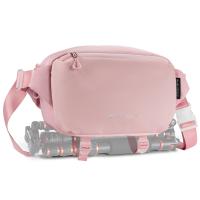
Light Colors for Occasional Use: While light-colored bags can be visually appealing and cool under sunlight, they may need regular cleaning to maintain their look. If you’re primarily working in sanitized environments or infrequent shooting situations, this might not be a concern.
6. Branding and Versatility
Some camera bag brands offer iconic color schemes that may appeal to photographers who value the brand’s image or alignment with their own aesthetic. For example, bags from Peak Design or Think Tank often feature minimalist, professional tones, while other brands like Lowepro and Vanguard may offer more vibrant choices.
Another consideration is versatility. If you plan to use your camera bag for both photography and casual travel, neutral colors offer greater flexibility. A black or grey bag can double as a day pack without seeming too utilitarian.
Final Thoughts: Choosing the Right Camera Bag Color
Ultimately, the best color for your camera bag depends on a mix of factors: practicality, environment, heat absorption, style, and personal preference. Here are a few guiding questions to help make your decision:
1. Where will you use the bag most often? Choose colors that complement your primary shooting environment, be it urban, outdoor, or studio.
2. Do you value discretion or visibility? For stealth and security, lean toward neutral tones. For accessibility and uniqueness, opt for brighter colors.
3. Do you shoot in extreme weather conditions? Light colors are better for hot climates to keep your bag cooler, while dark colors are suited for indoor or cooler conditions.
4. How do you want your bag to represent you? Consider how the color aligns with your personality and photographic style.
By factoring these considerations into your choice, you’ll not only select a bag that serves its purpose but also find one that you enjoy using on your photographic adventures. A well-thought-out camera bag color can become an invaluable asset to your creative process, offering both functional benefits and personal satisfaction.