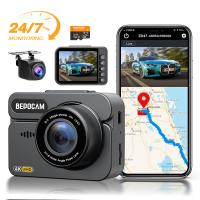
How To Make Spy Camera Wireless?
In an age where technology continues to evolve at an unprecedented pace, the concept of wireless spy cameras has gained significant traction. These compact and efficient devices are increasingly sought after for various applications, including home security, office monitoring, and creative life-capturing scenarios. If you're someone interested in building or converting an existing camera into a wireless spy camera, this article will provide you with a step-by-step guide and some essential insights to effectively create such a device while ensuring it is both functional and discreet.
Understanding Wireless Spy Cameras
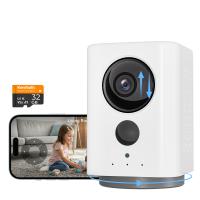
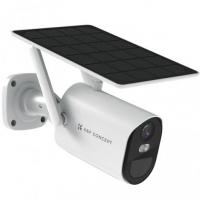
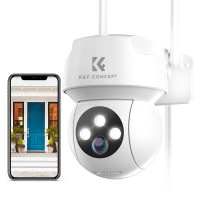
First, let's break down the concept of a wireless spy camera. A wireless spy camera is a small camera designed to record or stream video footage without being tethered physically to a recording device or data storage. Most wireless spy cameras use either Wi-Fi, Bluetooth, or radio frequency for transmitting data to a smartphone, computer, or dedicated receiver.
Such cameras are especially useful in situations where wired connections are either impractical or would compromise the discreet nature of surveillance. The "spy" element often refers to its ability to operate covertly while remaining small and hidden.
Why Build a Wireless Spy Camera?
While there are plenty of wireless spy cameras available in the market, building or modifying your own has several advantages:
Customization: You can tailor the design and functionality according to your specific needs.
Cost Efficiency: Often, converting an old camera into a wireless one is more affordable than buying one pre-made.
Skill Development: The process of creating a wireless spy camera sharpens your technical knowledge and DIY skills.
Creative Applications: You can integrate the camera into everyday objects to serve unique surveillance needs.
What You’ll Need to Make a Camera Wireless
Before diving into the build process, gather the following materials:
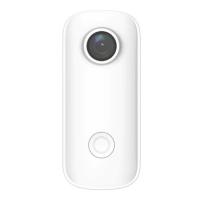
1. A Compact Camera: Choose a small camera that delivers decent resolution and can be concealed easily. A webcam or small digital camera works well.
2. Wireless Transmitter and Receiver: Wi-Fi modules like ESP32-CAM or alternatives support wireless data transmission.
3. Power Supply: A small rechargeable battery compatible with your camera setup.
4. Memory Storage: If you want the camera to store recordings locally, use a microSD card.
5. Casing Material: Any container or object where the camera can be concealed. Items like alarm clocks, picture frames, or pen cases are common disguises.
6. Wiring Tools and Basic Electronics: This includes soldering tools, wires, heat shrink tubes, and a screwdriver.
7. Optional Motion Sensor: For advanced setups, a motion detector can trigger the camera only when movement is detected.
Steps to Make Your Spy Camera Wireless
Step 1: Select a Camera and Assess Compatibility
Your first task is to choose the base camera you will modify. Ensure it is small enough to be easily hidden and delivers the video quality you need. Look for cameras with minimal internal wiring to make the modification process manageable.
If you have an existing wired spy camera, identify the ports you’ll need to connect your wireless transmitter or power supply unit.
Step 2: Add a Wireless Module
A wireless module is the heart of your setup as it replaces the need for physical connections to a monitor or DVR. An ESP32-CAM module is a popular choice because of its compact design and built-in Wi-Fi support.
- Connect the camera to the wireless module. If you’re using a webcam or digital camera, carefully solder the required connectors from the module to the camera's video output and power input components.
- Install the appropriate firmware on the module. Open-source platforms like Arduino IDE can help you configure the ESP32 module to transmit video signals wirelessly.
Step 3: Power Your Camera and Module
To make your camera truly wireless, you need a portable power supply. Use a rechargeable lithium-ion battery pack with appropriate voltage (e.g., 3.7V or 5V as per your camera's specifications). Connect the battery to both the camera and the wireless module, ensuring the connections are insulated for safety.
To minimize battery size while maximizing battery life, choose an energy-efficient camera and wireless module. Also, consider including a DC-to-DC converter if voltage matching is needed.
Step 4: Test the Wireless Transmission
Before final assembly, ensure the camera transmits video signals wirelessly and has a stable connection. Use a smartphone, tablet, or PC to connect to your camera’s Wi-Fi or Bluetooth network. Test both the range and clarity of the video signal. Adjust antenna angles and placement if the signal strength is weak.
Step 5: Conceal the Camera
Once you’ve confirmed the camera works wirelessly, it's time to make it discreet. Mount the camera in or behind an everyday object. Use hot glue or tape to fasten the camera and module securely. Ensure the lens has a clear line of sight.
Common concealment options include:
- Smoke detectors
- Picture frames
- Teddy bears
- Books or book covers
- Alarm clocks or desktop organizers
Step 6: Add Storage, If Needed
To enable local video recording, insert a microSD card into your wireless module or camera. This ensures you still capture footage in case the wireless transmission is interrupted or if you need to access past recordings.
Step 7: Enable Remote Viewing (Optional)
For more advanced setups, configure your wireless module to enable remote viewing via a smartphone app. Apps like 'IP Camera Viewer' or custom-built IoT solutions allow you to monitor your spy camera from anywhere.
Step 8: Perform Final Tests
Finally, test all functionalities before deployment. These tests should include signal range, battery life, night vision effectiveness (if applicable), and camera concealment under realistic conditions.
Practical Tips for Use
Battery Monitoring: Always keep track of the battery level to avoid interruptions.
Privacy Laws: Be mindful of the legal implications of using a spy camera in your region. Avoid using such devices to invade someone’s privacy.
Backup Options: For critical applications, integrating the device with cloud storage can help preserve data.
Common Challenges and Solutions
Short Battery Life: Use high-capacity batteries or low-power-consuming modules.
Weak Wireless Signal: Reposition the antenna or add a repeater to boost the connection.
Overheating: Ensure proper ventilation in your camera's housing.
Applications of Wireless Spy Cameras
1. Home Security: Monitor your property and deter intruders while keeping the devices hidden.
2. Office Monitoring: Keep an eye on confidential areas or activities without alarming employees.
3. Creative Projects: Use the spy camera for filmmaking or candid photography from unique angles.
4. Baby Monitoring: An unobtrusive way to ensure your child’s safety.
Final Thoughts
Constructing a wireless spy camera is a rewarding project for enthusiasts interested in DIY electronics and surveillance. A well-built camera provides flexibility, mobility, and the discreet operation that modern surveillance requires. By carefully selecting hardware, assembling components, and testing the finished device, you can confidently create a wireless spy camera that meets your needs.
Remember that the ethical use of technology is paramount. Always respect legal norms and personal privacy when deploying such devices.