How To Carry Filters For Lens?
When it comes to photography, lens filters are indispensable tools for enhancing your images and controlling light. However, one important aspect often overlooked is how to carry and organize your lens filters. Proper storage and transportation methods not only preserve the longevity of your filters but also ensure they are quickly accessible during your creative pursuits. In this article, we’ll delve into the best practices and solutions for carrying lens filters, with a focus on efficiency, safety, and convenience.
The Importance of Proper Filter Storage
Lens filters, whether they are UV filters, polarizers, neutral density (ND) filters, or others, are usually made of glass or resin. This makes them vulnerable to scratches, smudges, and, in unfortunate instances, cracks. Poor filter storage can also lead to dust or debris accumulation, which means more time spent on cleaning rather than shooting.
The goal of proper filter storage is twofold: protecting the physical integrity of your filters and allowing easy, quick access to them when you’re in the field. Whether you are an avid traveler, a landscape photographer, or an occasional hobbyist, keeping your filters organized can make all the difference in your photography workflow.
Factors to Consider When Carrying Filters
Before diving into specific solutions, it’s important to understand the key factors you should consider when carrying lens filters:
1. Protection: Lens filters need to be carried in a way that prevents scratches, impacts, and exposure to environmental contaminants. Look for sturdy cases with padding.
2. Accessibility: You might need different filters quickly, especially in situations where lighting conditions are constantly changing. Choose a storage solution that lets you access filters easily without fumbling.
3. Portability: Depending on the quantity and size of your filters, you’ll want a storage solution that fits neatly into your photography bag without adding excessive weight or bulk.
4. Compatibility: Lens filters come in different shapes and sizes, including circular screw-on filters and square/rectangular filters used in holder systems. Be sure to choose a case that works with the types of filters you own.
5. Organization: If you own multiple filters, storing them in an orderly manner is essential. Knowing exactly where your polarizer or ND1000 is can save you valuable time during shoots.
Types of Filter Carrying Solutions
Depending on your needs and the types of filters you use, there are various solutions for safely storing and transporting lens filters. Let’s explore them in detail.
1. Dedicated Filter Pouches and Cases
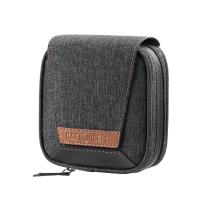
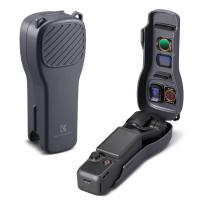
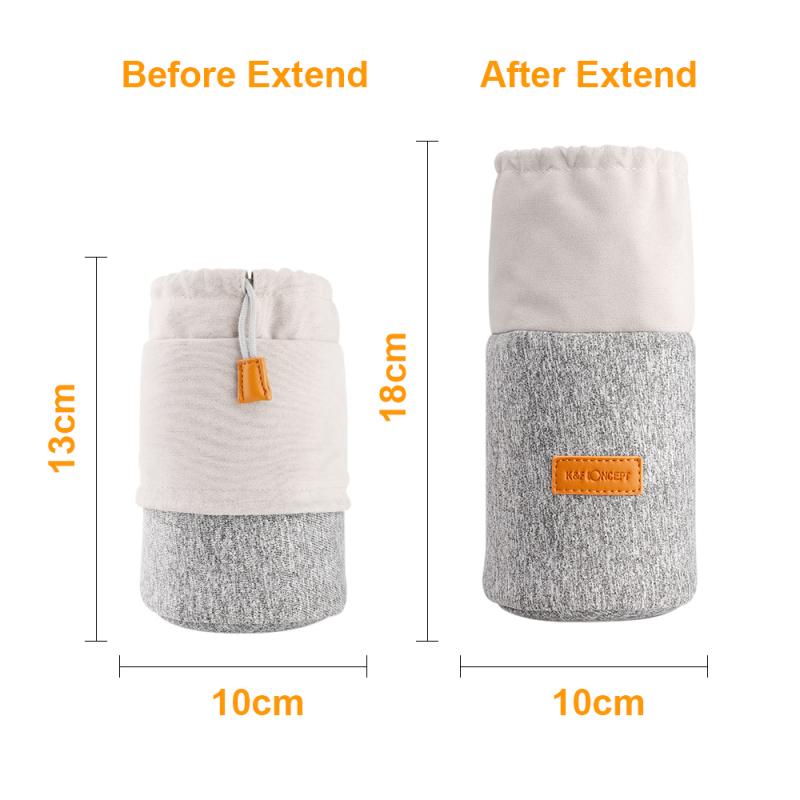
Dedicated filter cases are one of the most popular and practical solutions for organizing lens filters. These pouches or hard-shell cases usually come with separate compartments for each filter, protecting them from physical damage.
Features: They are often equipped with soft, padded linings to prevent scratches. Some cases have numbered or labelled slots for quick identification.
Advantages: Provide excellent protection and organization. Many are designed for specific filter sizes and shapes.
Disadvantages: Bulkier designs may take up more space in your backpack.
Dedicated filter pouches are especially useful if you carry multiple filters of the same size. Look for a pouch or case that matches the thickness and diameter of your filters.
2. Filter Wallets
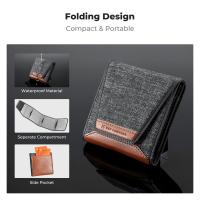
For photographers who value portability, filter wallets can be a lightweight and convenient option. These are foldable organizers often made of fabric, featuring transparent or mesh compartments for holding each filter.
Features: Compact and ideal for circular screw-on filters. Often designed to hold 3-8 filters.
Advantages: Lightweight and affordable. Fits easily into your camera bag without taking up much space.
Disadvantages: Less protective against heavy impacts compared to rigid cases.
Filter wallets are a great choice for travel or casual shoots where you need to strike a balance between protection and ease of use.
3. Hard Shell Boxes
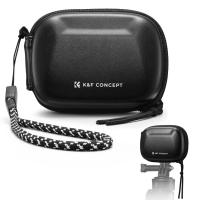
If you’re traveling or working in rugged conditions, hard-shell or "ruggedized" cases offer the most thorough level of protection. These solid, durable boxes are designed to withstand impacts, dust, and even water exposure in many cases.
Features: Often waterproof, dustproof, and crushproof. Some come with custom foam inserts to fit your filters tightly.
Advantages: Superior protection against harsh environments.
Disadvantages: Heavier and less portable than soft pouches or wallets. Can be overkill for most casual applications.
Hard-shell cases are ideal for adventure photographers or anyone who needs to protect expensive filters in challenging environments.
4. Filter Clips and Stacking Caps
If you primarily use circular screw-on filters, stacking caps can be a minimalist and cost-effective solution. These allow you to stack filters together securely, with protective caps screwed onto the top and bottom.
Features: Sturdy and compact, often made of lightweight aluminum or polycarbonate.
Advantages: Extremely compact and portable. Keeps multiple filters secure with minimal bulk.
Disadvantages: Limited to screw-on filters. Less protective than padded cases or wallets.
Filter stacking systems work well if you don’t have too many filters to carry and prefer a pared-down kit.
5. DIY Solutions
For those who prefer a budget-friendly approach, there are also a variety of DIY filter carrying solutions. For example:
CD/DVD wallets: The small fabric sleeves meant for CDs are similar in size to lens filters and can be repurposed to hold them.
Flip boxes: Old microscope slide boxes or small craft boxes can serve as compact filter storage solutions.
While DIY solutions are cost-efficient, they often fall short in terms of durability and protective features.
Tips for Organizing and Maintaining Your Filters
No matter which storage solution you select, following these tips will help prolong the life of your filters and make your photographic process smoother:
1. Label Your Filters: Use a small label on each compartment or sleeve to identify the type of filter (e.g., “ND64,” “CPL”). This saves time when switching filters.
2. Avoid Mixing Brushes or Other Tools: Always store lens cleaning tools like brushes or cloths in a separate compartment to prevent them from scratching your filters.
3. Regular Cleaning: Even when stored properly, filters may collect dust or oils. Clean them regularly with a microfiber cloth or specialized lens cleaning solution.
4. Consider the Order of Use: If you frequently use a certain type of filter, store it in an easily accessible spot within the pouch or case.
5. Avoid Overstocking: Don’t overload a small case or pouch with too many filters. This can lead to scratches and make it harder to retrieve the filter you need.
6. Temperature Considerations: If you’re shooting in extreme temperatures, remember that glass filters can expand or contract. Use padding to give them some room, which minimizes stress.
Carrying Filters While Traveling
Travel photography comes with additional challenges, such as limited space and changing climates. Here are some tips for transporting filters during travel:
Choose Compact Solutions: Filter wallets or stacking caps are ideal for travel due to their portability.
Protect from Extreme Conditions: Use a hard-shell case in situations where your equipment might be exposed to humidity, rain, or significant temperature swings.
Check for Airline Restrictions: Some filters contain delicate materials that could be damaged during air travel. Store them in your carry-on luggage rather than checked baggage.
Lens filters are valuable additions to any photographer’s toolkit, but they require careful handling, storage, and transportation to maintain their condition. Whether you prefer dedicated cases, lightweight wallets, or DIY methods, selecting a system based on your specific needs will save you time and stress in the field. By prioritizing organization, safety, and efficiency, you can ensure that your lens filters are always ready to help you capture that perfect shot.