How To Use Nd Filters With Lens Hood?
Exploring the Effective Use of ND Filters with Lens Hoods: A Comprehensive Guide
When delving into the world of photography, achieving consistent exposure and artistic expression often involves leveraging tools such as Neutral Density (ND) filters and lens hoods. While ND filters excel at controlling exposure and allowing longer shutter speeds, lens hoods are indispensable for blocking stray light and enhancing image quality. But what happens when you want to combine the two? Many photographers face confusion when attempting to use ND filters with lens hoods—after all, combining them requires a nuanced approach in order to unlock their full potential.
In this article, we'll unravel the mechanics, practical considerations, and tips for seamlessly integrating ND filters with lens hoods into your photography workflow. Whether you're a landscape photographer yearning for breathtaking long exposures or a videographer seeking optimal light control, these insights will elevate your craft.
Understanding the Basics: ND Filters and Lens Hoods
Before we dive into the technicalities of combining these two tools, let’s understand how each works individually:
Neutral Density Filters (ND Filters):
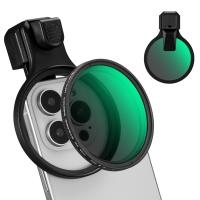
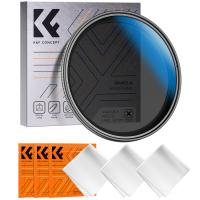
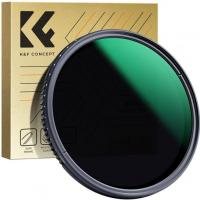
ND filters reduce the amount of light entering the camera lens without altering the colors in the scene. This enables photographers to use slower shutter speeds or wider apertures, even in bright conditions. For example, an ND filter can transform a rushing waterfall into a silky smooth cascade or create motion blur in busy street scenes.
Lens Hoods:
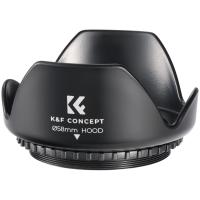
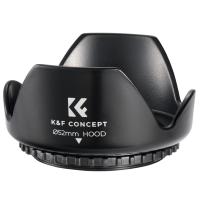
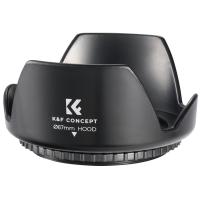
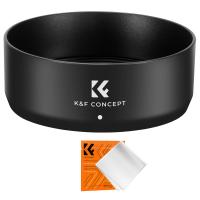
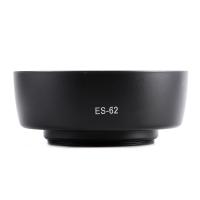
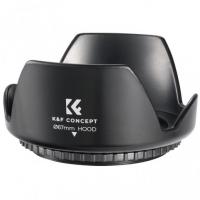
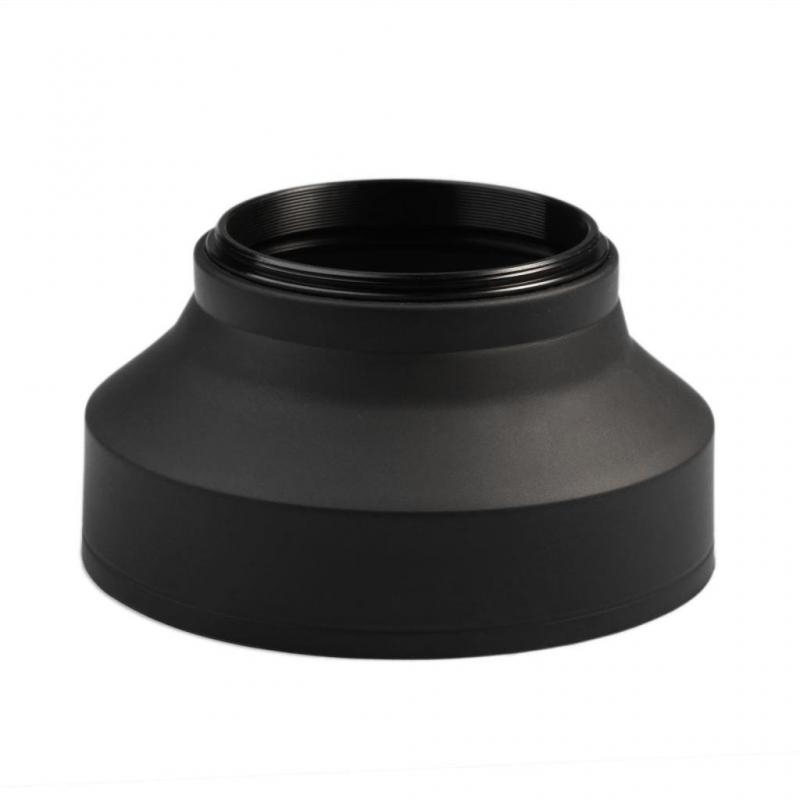
Designed to attach to the front of your lens, a lens hood blocks light from angles outside the frame, minimizing lens flare and improving contrast. Additionally, lens hoods offer physical protection for your lens, shielding it from accidental bumps or exposure to harsh environments.
Both ND filters and lens hoods serve crucial functions in optimizing image quality and creative flexibility. But combining them introduces certain challenges that call for thoughtful solutions.
Challenges of Using ND Filters with Lens Hoods
When you attempt to use an ND filter with a lens hood, there are several difficulties that might arise. Here are the most common challenges, along with practical solutions:
1. Fit and Compatibility:
Lens hoods are designed to snap onto a lens or connect to specific grooves. Many photographers find it challenging to attach the lens hood when an ND filter is already in place, as the filter may disrupt the hood's fit or extend the lens barrel by a few millimeters.
Solution:
Consider purchasing lens hoods designed for use with filters. Alternatively, opt for a screw-on ND filter with a slim profile to ensure that the hood still fits securely.
2. Rotating Filters and Circular Polarization:
Some ND filters, especially variable ND filters, require rotation to adjust their density. This can be problematic when a lens hood restricts your ability to access the filter ring.
Solution:
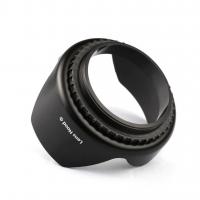
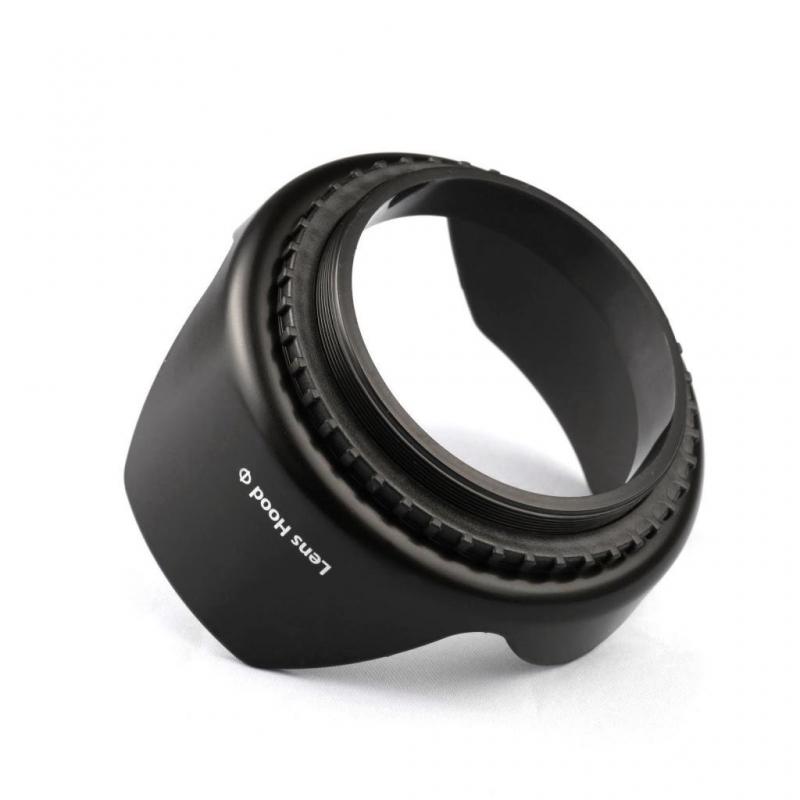
Use a collapsible rubber lens hood or petal-style hood for easier access to the filter ring. These designs provide flexibility without blocking the ability to rotate the filter.
3. Vignetting Risks:
When combining an ND filter and a lens hood, there’s a risk of vignetting—darkened edges in the photo—particularly if the hood extends too close to the filter.
Solution:
Choose a low-profile (slim) ND filter and ensure your lens hood is specifically matched to your lens and filter combination. For wide-angle lenses, be especially cautious of hood dimensions.
4. Changing Filters in the Field:
Rapidly swapping ND filters while keeping the lens hood intact can be cumbersome, especially during time-sensitive shoots.
Solution:
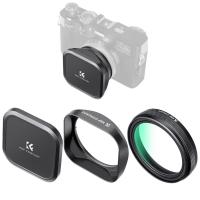
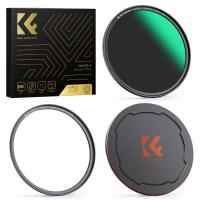
A magnetic or slip-on filter system can simplify the process. These systems allow you to change filters quickly without needing to remove the lens hood.
Step-by-Step Guide: Using ND Filters with Lens Hoods
To orchestrate this pairing effectively, follow these steps:
1. Select the Right ND Filter and Lens Hood
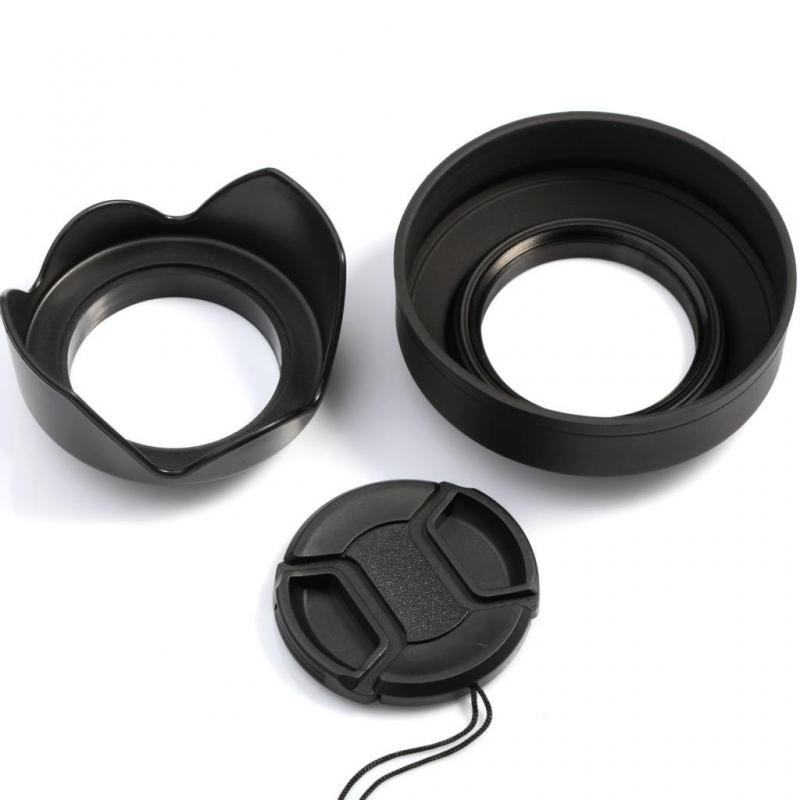
- Choose an ND filter that is compatible with your lens diameter and purpose. For example, opt for a 10-stop ND filter for daytime long exposures or a 3-stop ND filter for slightly dimming light levels.
- Select a lens hood designed for your specific lens focal length—if the hood is too long, it may cause vignetting when combined with a filter.
2. Assemble Your Setup
- Attach the ND filter to the front of your lens securely. Screw it down tightly to prevent accidental loosening.
- Attach the lens hood over the filter. Ensure that the hood seats properly and doesn’t wobble. If the fit feels compromised, it may be due to filter thickness—consider using a thinner filter.
3. Verify Compatibility and Alignment
- Look through your camera’s viewfinder or live-view screen to check for any signs of vignetting in the frame.
- If vignetting is present, you may need to adjust or replace the lens hood with one that doesn’t encroach on the frame.
4. Make Adjustments as Needed
- If your ND filter requires rotation, like a variable ND or ND combined with a polarizer, make adjustments to the filter before attaching the hood or use a collapsible hood for easy access.
- For intricate adjustment during a shoot, keep the hood detachable for convenience.
Practical Use Cases and Benefits
Let’s explore some specific scenarios in which combining ND filters with lens hoods can significantly improve your images:
1. Landscape Photography
Landscape photographers often use ND filters to achieve long exposures, such as softening ocean waves, cloud movement, or rivers. Using a lens hood prevents flares, ensuring that your image maintains high contrast despite sunlight entering the frame from various angles.
2. Urban Photography or Videography
In cityscapes or video production, ND filters are pivotal for maintaining shallow depth of field in bright conditions. Lens hoods shield your lens from reflections caused by glass buildings and street lighting, preserving visual clarity and eliminating ambient interference.
3. Wildlife Photography
Photographers capturing wildlife in harsh or unpredictable lighting can benefit from both ND filters and lens hoods. ND filters allow controlled exposure settings, while the lens hood can prevent sunlight from washing over the lens or startling the subject with reflections.
Troubleshooting Tips for Successful Integration
If you’re struggling to make ND filters work seamlessly with your lens hood, here are additional tips:
Invest in Versatile Gear: Look into modular systems like filter holders or matte boxes used in professional video settings. These solutions allow flexibility when working with larger lens setups.
Compact Filter Options: Slim circular filters or drop-in filters are easier to manage and less likely to disrupt your lens hood.
DIY Customization: If a lens hood is incompatible with your ND filter, consider trimming or modifying the hood slightly to accommodate your setup (though this should be a last resort).
Final Thoughts
Incorporating ND filters and lens hoods into your photography workflow doesn’t have to be a cumbersome task. By selecting the right tools, mastering installation techniques, and addressing any challenges methodically, you can unlock the combined benefits of controlled exposure and optimized image quality. Whether it’s safeguarding your lens from flare or achieving a dynamic long exposure, this pairing elevates both technical results and artistic expression.
Experiment with different combinations to discover solutions that work seamlessly for your lens and gear. As a photographer, embracing adaptability will empower you to capture exceptional visuals, regardless of the demands your subject or environment places on you. With practice and the right equipment, ND filters and lens hoods can harmonize effectively, allowing you to create striking photographs that stand out.