Can I Mount Canon Lens On Nikon?
When it comes to photography, one of the most common questions among enthusiasts and professionals alike is whether lenses from one camera brand can be used on another brand's camera body. Specifically, many photographers wonder if they can mount a Canon lens on a Nikon camera. This question often arises due to the desire to use high-quality lenses across different systems or to make the most of existing gear without investing in new lenses. In this article, we’ll explore the compatibility of Canon lenses with Nikon cameras, the technical challenges involved, and the solutions available to photographers.
Understanding Lens Mounts and Compatibility
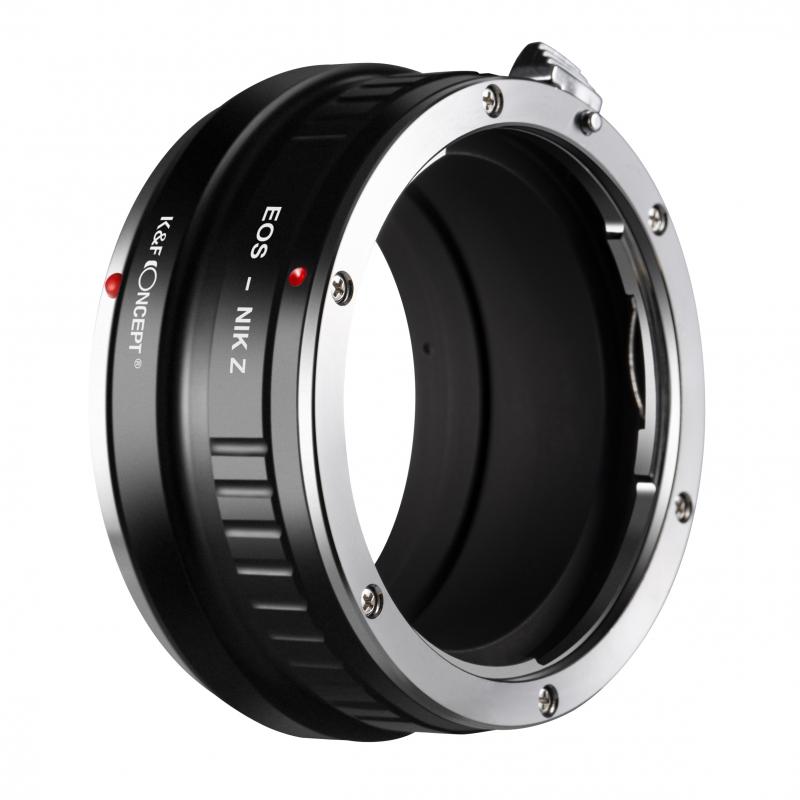
Before diving into the specifics, it’s important to understand the concept of lens mounts. A lens mount is the interface between a camera body and a lens. Each camera manufacturer typically uses its own proprietary mount system, which means that lenses designed for one brand are not natively compatible with another brand’s cameras. Canon uses the EF and RF mount systems for its DSLR and mirrorless cameras, respectively, while Nikon uses the F mount for its DSLRs and the Z mount for its mirrorless cameras.
The incompatibility arises because these mounts have different physical dimensions, including flange focal distance (the distance between the lens mount and the camera sensor) and mount diameter. For example, Canon EF lenses have a flange focal distance of 44mm, while Nikon F-mount cameras have a flange focal distance of 46.5mm. This difference in flange distance is a key factor that makes direct compatibility impossible without additional hardware.
Challenges of Mounting Canon Lenses on Nikon Cameras
1. Flange Focal Distance: As mentioned earlier, the flange focal distance of Canon lenses is shorter than that of Nikon cameras. This means that if you were to mount a Canon lens directly onto a Nikon body, the lens would sit too far from the sensor, making it impossible to achieve proper focus.
2. Electronic Communication: Modern lenses rely on electronic communication with the camera body for functions like autofocus, aperture control, and image stabilization. Canon and Nikon use different communication protocols, so even if you physically mount a Canon lens on a Nikon camera, the electronic functions may not work.
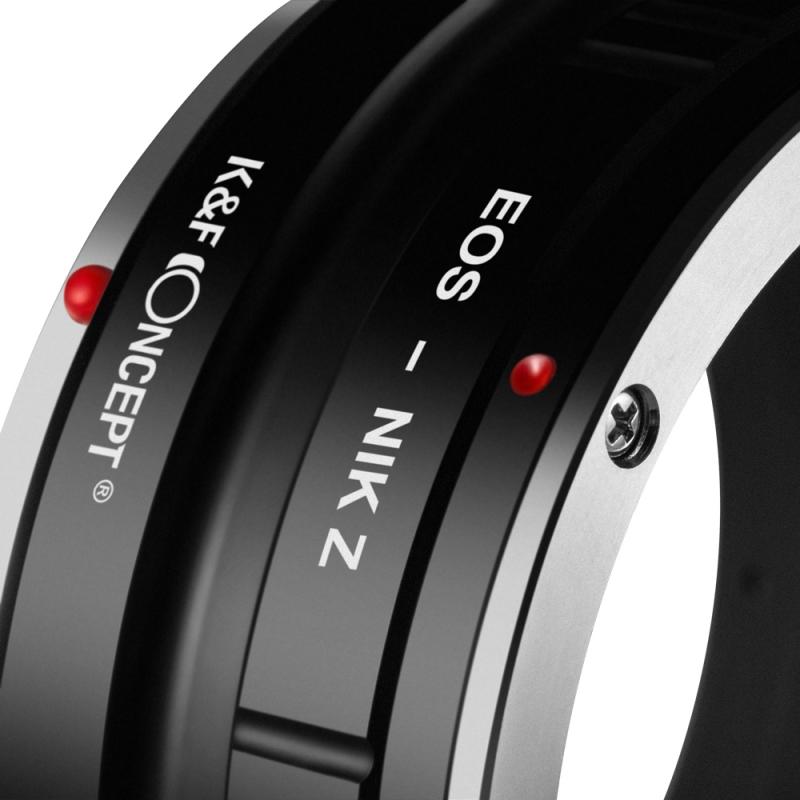
3. Physical Mount Differences: The physical design of the lens mounts is different, which means that Canon lenses cannot be directly attached to Nikon cameras without an adapter.
4. Image Quality Concerns: Even if you manage to mount a Canon lens on a Nikon camera, there’s a risk of vignetting, distortion, or other optical issues due to the mismatch in design specifications.
Solutions: Using Lens Adapters
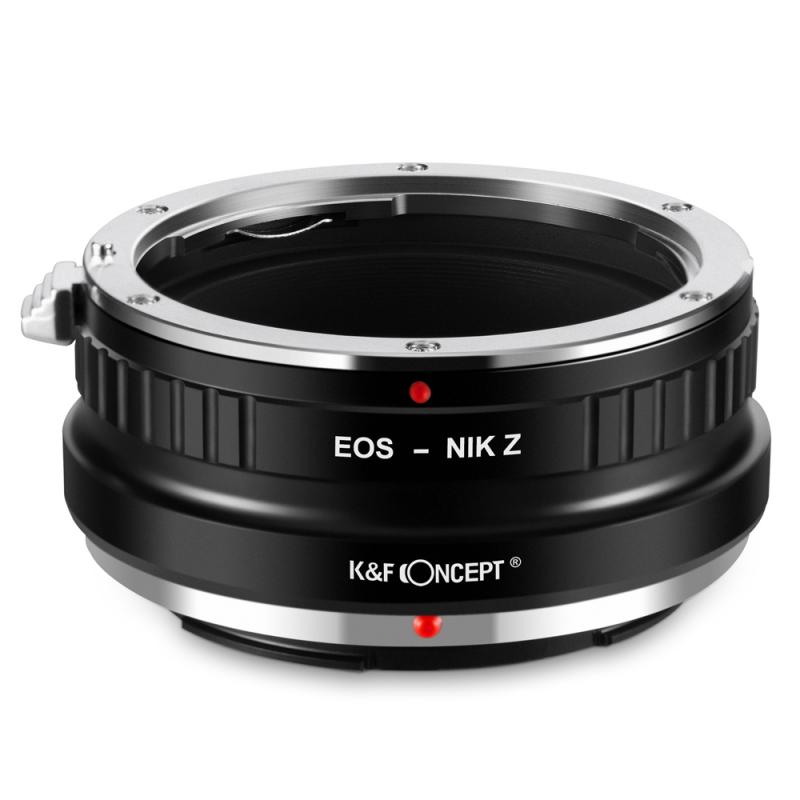
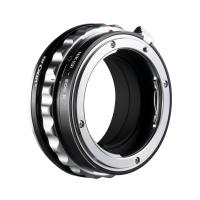
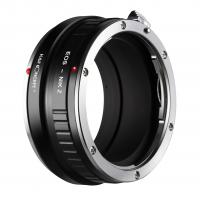
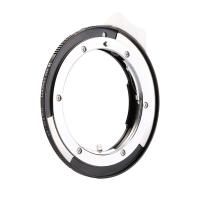
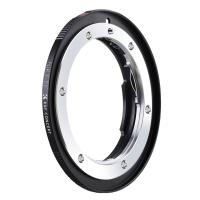
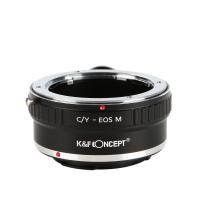
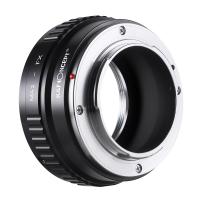
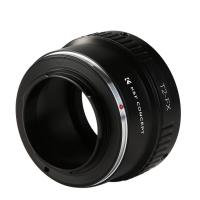
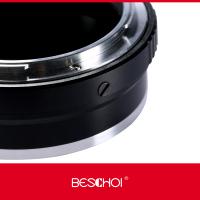
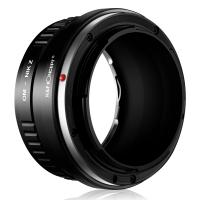
The most practical way to use a Canon lens on a Nikon camera is by using a lens adapter. Lens adapters are third-party accessories that act as a bridge between the lens and the camera body. They are designed to address the physical and electronic compatibility issues between different systems.
Types of Lens Adapters
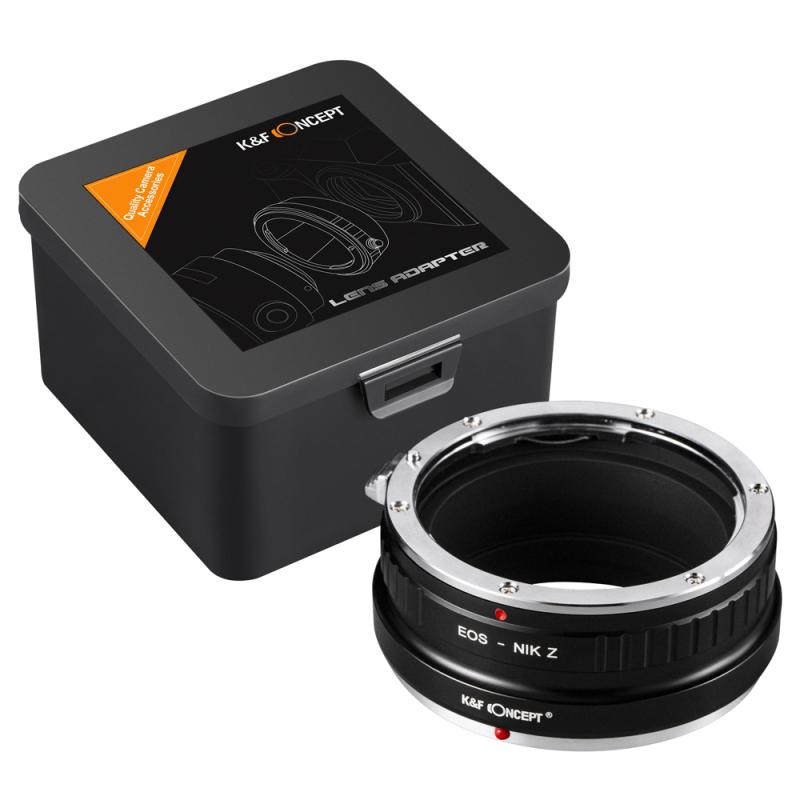
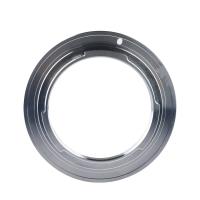
1. Basic Adapters: These are simple mechanical adapters that allow you to physically attach a Canon lens to a Nikon camera. However, they do not provide electronic communication, so you’ll lose autofocus, aperture control, and other electronic features. You’ll need to use the lens in manual focus mode and set the aperture manually (if the lens has an aperture ring).
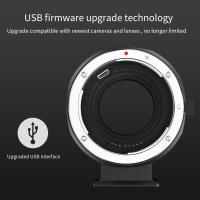
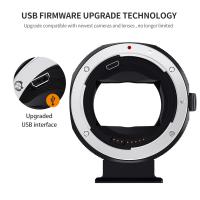
2. Smart Adapters: These adapters include electronic contacts to enable communication between the lens and the camera. They allow you to use autofocus, aperture control, and other electronic features, although the performance may not be as seamless as with native lenses. Smart adapters are generally more expensive than basic adapters.
3. Adapters with Optics: Some adapters include optical elements to correct for the flange focal distance difference. These adapters allow you to achieve infinity focus, which is essential for landscape and other types of photography. However, the added optics can sometimes degrade image quality.
Popular Lens Adapter Brands
Several third-party manufacturers produce lens adapters for mounting Canon lenses on Nikon cameras. Some of the most popular brands include:
- Fotodiox: Known for its wide range of adapters, including basic and optical adapters.
- Metabones: Offers high-quality smart adapters with electronic communication.
- Vello: Provides affordable options for basic and smart adapters.
Considerations When Using Lens Adapters
1. Loss of Functionality: Even with a smart adapter, you may experience slower autofocus speeds, reduced accuracy, or limited compatibility with certain lenses.
2. Build Quality: Choose an adapter made from durable materials to ensure a secure fit and long-term reliability.
3. Cost: High-quality adapters with advanced features can be expensive, so weigh the cost against the benefits of using your Canon lenses on a Nikon camera.
4. Image Quality: If you’re using an adapter with optics, test the setup to ensure that the image quality meets your expectations.
5. Compatibility: Not all adapters work with all Canon lenses or Nikon cameras, so check the compatibility list provided by the manufacturer.
Alternatives to Using Adapters
If you find that using an adapter is not a practical solution for your needs, consider the following alternatives:
1. Invest in Native Lenses: While it may be costly, investing in native Nikon lenses ensures full compatibility and optimal performance.
2. Rent Lenses: If you only need a specific lens for a short-term project, renting a Nikon lens can be a cost-effective solution.
3. Switch Camera Systems: If you have a significant investment in Canon lenses, you might consider switching to a Canon camera body to make full use of your existing gear.
Mounting a Canon lens on a Nikon camera is possible with the help of a lens adapter, but it comes with limitations and challenges. The choice of adapter—whether basic, smart, or optical—will depend on your specific needs and budget. While adapters can provide a temporary solution, they may not offer the same level of performance and convenience as native lenses. Before investing in an adapter, carefully consider the trade-offs and test the setup to ensure it meets your expectations.
Ultimately, the decision to use a Canon lens on a Nikon camera will depend on your priorities as a photographer. If you value convenience and full functionality, sticking with native lenses is the best option. However, if you’re willing to compromise on certain features to make the most of your existing gear, a lens adapter can be a useful tool in your photography arsenal.