Can A Ring Light Damage Your Eyes?
Can a Ring Light Damage Your Eyes? A Detailed Perspective
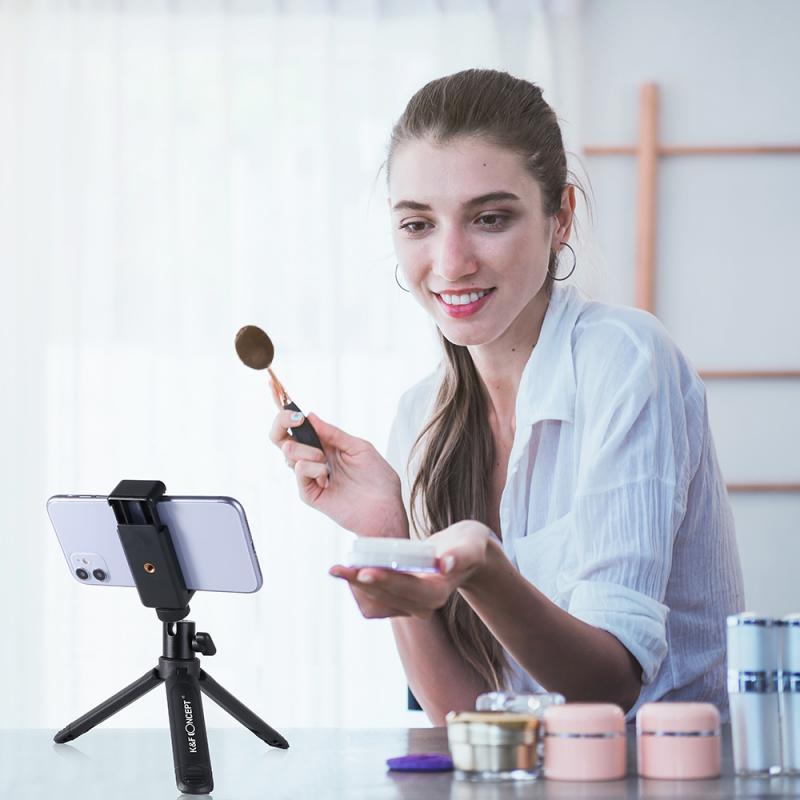
Lighting plays an essential role in photography, videography, and even virtual communication. Ring lights have emerged as a popular tool for achieving professional lighting effects, offering a soft, even glow that enhances facial features and reduces shadows. Whether you are a content creator, makeup artist, or simply someone looking for better lighting during video meetings, ring lights have become nearly ubiquitous in modern living. However, alongside their widespread adoption comes a valid concern: Can prolonged exposure to ring light damage your eyes?
In this article, we’ll explore the potential risks associated with ring lights, examine their impact on eye health, and discuss practical steps you can take to protect your vision while enjoying the benefits of ring lights.
Understanding Ring Lights and Their Mechanisms
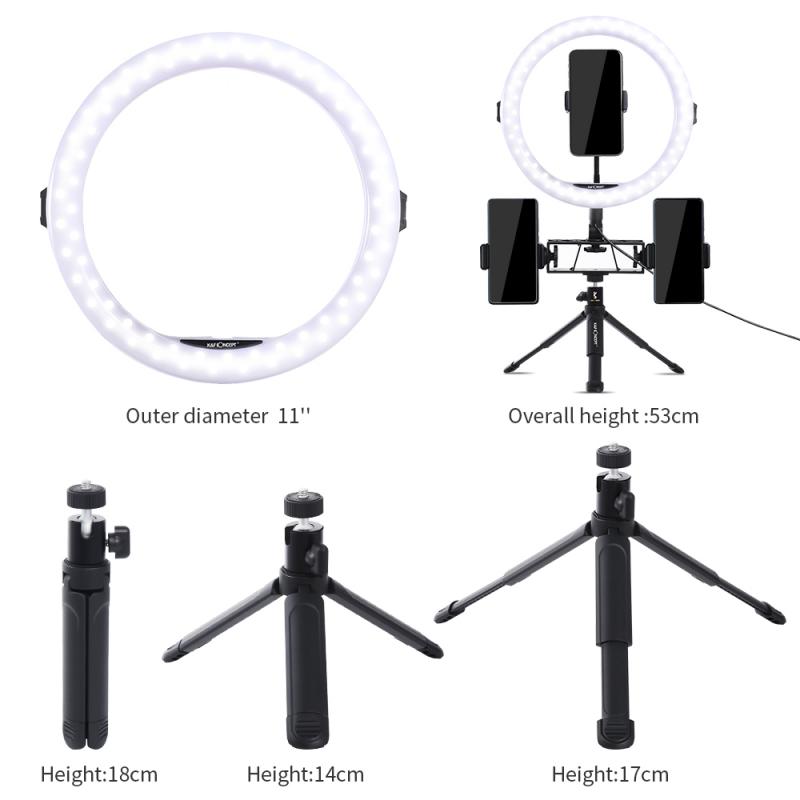
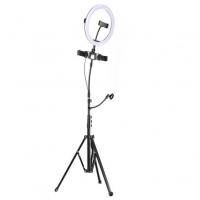
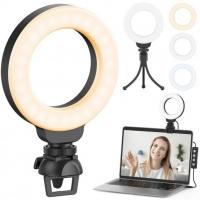
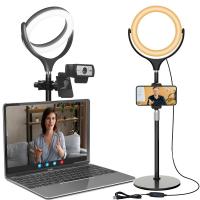
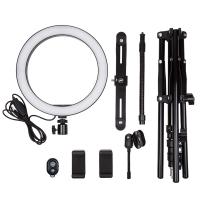
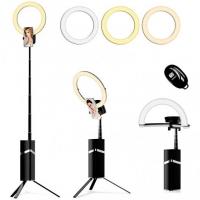
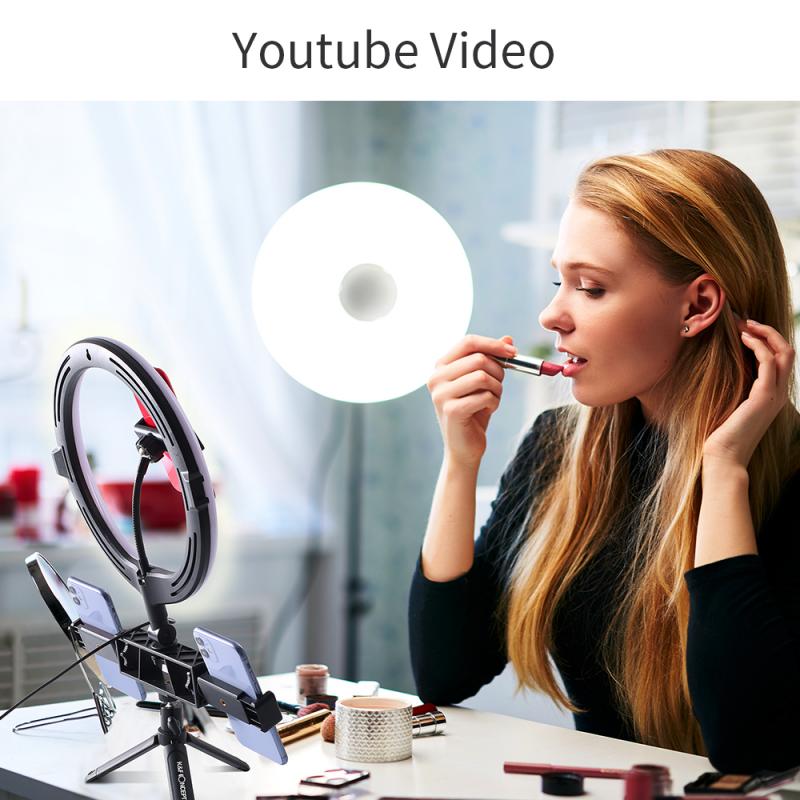
A ring light is typically circular in design and houses LED bulbs that emit bright light. The unique shape of the ring ensures even distribution of light, minimizing harsh shadows and creating a flattering appearance. Ring lights come in various sizes and types, ranging from small desktop models for casual use to large professional ones ideal for studio-quality production.
Most ring lights use LED technology, which is energy-efficient, produces minimal heat, and provides prolonged brightness. While LEDs are generally considered safe compared to traditional incandescent bulbs, their intensity and prolonged exposure may have implications for eye health. Before diving into the risks, let’s take a closer look at how light affects the human eye.
How Does Artificial Light Affect the Eye?
The human eye is designed to process visible light within a specific wavelength range. Artificial light, like LED emitted by ring lights, can sometimes fall within this range but may also include elements of blue light. Blue light is a high-energy, short-wavelength light that is naturally emitted by the sun but is also found in artificial sources like computer screens, smartphones, and LED bulbs.
Excessive exposure to blue light has been linked to various eye health concerns, including:
1. Digital Eye Strain (DES): Symptoms such as dry eyes, blurred vision, headaches, and difficulty focusing can arise from prolonged exposure to screens or artificial lighting.
2. Potential Retinal Damage: Although the research is ongoing, some studies suggest that prolonged exposure to high-intensity blue light may be harmful to retinal cells, potentially heightening the risk of macular degeneration over time.
Ring lights, as an artificial source of concentrated light, contribute to overall light exposure during activities. Understanding whether their use can cause damage is crucial for making informed choices.
Can Ring Lights Damage Your Eyes?
While ring lights are not inherently harmful, their effects depend on how they are used. Below are the key considerations:
1. Intensity of Light:
Ring lights produce bright light suited for creating well-lit environments. Staring directly at a ring light or positioning it too close to your eyes for an extended period may cause discomfort, such as temporary eye strain, irritation, or sensitivity to light.
2. Prolonged Use and Blue Light Exposure:
LED-based ring lights emit varying amounts of blue light depending on the design. Continuous exposure to blue light over hours of usage can exacerbate symptoms of digital eye strain, especially when combined with screen time during video recording or calls.
3. Glare:
Direct glare from a ring light, especially when set at full brightness, can strain the eyes. Glare is particularly taxing when the light source is within your direct line of sight.
4. Flicker:
Poorly designed LED lights may flicker imperceptibly, disrupting your eye’s ability to focus seamlessly. Flicker can sometimes amplify discomfort or trigger headaches for sensitive individuals.
5. Contrast Effects:
A ring light might create unnatural illumination patterns in dim or unevenly lit rooms. This high contrast can force your eyes to work harder to adjust, leading to potential discomfort over time.
Tips to Protect Your Eyes While Using Ring Lights
Ring lights are undoubtedly beneficial, but using them responsibly is critical. Below are some actionable tips to optimize safety and enhance your experience:
1. Adjust Brightness Levels
Use the dimming features that many ring lights offer. Set the brightness to a comfortable level instead of maxing it out. The goal is to enhance visibility without overexposing your eyes to harsh lighting.
2. Optimize Distance
Position the ring light about 2-3 feet (roughly arm’s length) away from your face. This distance ensures adequate illumination while preventing direct exposure to high-intensity light. Avoid staring directly into the light source.
3. Use Diffusers
Ring lights often come with built-in or attachable diffusers that soften light intensity. A diffuser scatters light particles, creating a gentler glow that is more forgiving on your eyes.
4. Limit Continuous Usage
Avoid using the ring light for extended periods without breaks. Employ the 20-20-20 rule: every 20 minutes, look at something 20 feet away for at least 20 seconds to relieve stress on your eyes.
5. Consider Blue Light Filters
If your ring light setup involves looking at screens simultaneously, layering your protection with blue-light-blocking glasses or applying screen filters can alleviate strain.
6. Prioritize Ambient Lighting
Integrate additional light sources in the room to complement and reduce the stark contrast created by your ring light. A well-lit environment eases the workload on your eyes.
7. Buy Quality Ring Lights
Invest in high-quality, professional ring lights designed with safety standards in mind. Cheaper models may overlook measures that minimize flicker or reduce blue light emissions.
Other Factors to Consider
Personal Sensitivity
Everyone’s tolerance for artificial light varies. Factors such as existing eye conditions, fatigue levels, or sensitivity to glare may make certain individuals more susceptible to discomfort.
Duration of Sessions
Occasional use of ring lights, such as during short calls or quick photo sessions, is unlikely to cause significant harm. However, prolonged daily sessions without precautions may compound strain over time.
Cumulative Exposure
Remember that ring lights may not be the only source of light exposure in your daily life. Overuse of screens (smartphones, laptops, tablets) and other LED lights contributes to the cumulative burden on your eyes.
The Bottom Line: Are Ring Lights Safe?
To answer the question succinctly: Ring lights, when used properly, are unlikely to harm your eyes. Unlike more intense sources of light like lasers or direct sunlight, ring lights produce a controlled and adjustable light that can be used safely when precautions are taken.
However, prolonged or careless use—such as operating at maximum brightness, placing the light too close to your eyes, or using them in combination with extensive screen time—may lead to temporary eye discomfort and strain. The most common issues associated with ring light use are not severe eye damage but rather symptoms of fatigue, glare, and digital eye strain.
By being mindful of how you use your ring light and taking steps to protect your eyes, you can enjoy its benefits without compromising your vision. Whether you're filming videos, applying makeup, or attending virtual meetings, ensuring your lighting setup is supportive rather than harmful is vital.
Final Thoughts
The rise in popularity of ring lights reflects a growing appreciation for better lighting in professional and personal settings alike. However, responsible use is key to maintaining not only the quality of your output but also your health. Awareness of how artificial light interacts with the human eye can empower you to make choices that balance practicality with safety.
Ultimately, ring lights are an excellent addition to your toolkit – but, like any tool, they are most effective when wielded with care. Treat your vision like the invaluable asset it is and prioritize practices that minimize strain while maximizing productivity and creativity.