What Is Action Camera Used For?
what is an action camera used for?
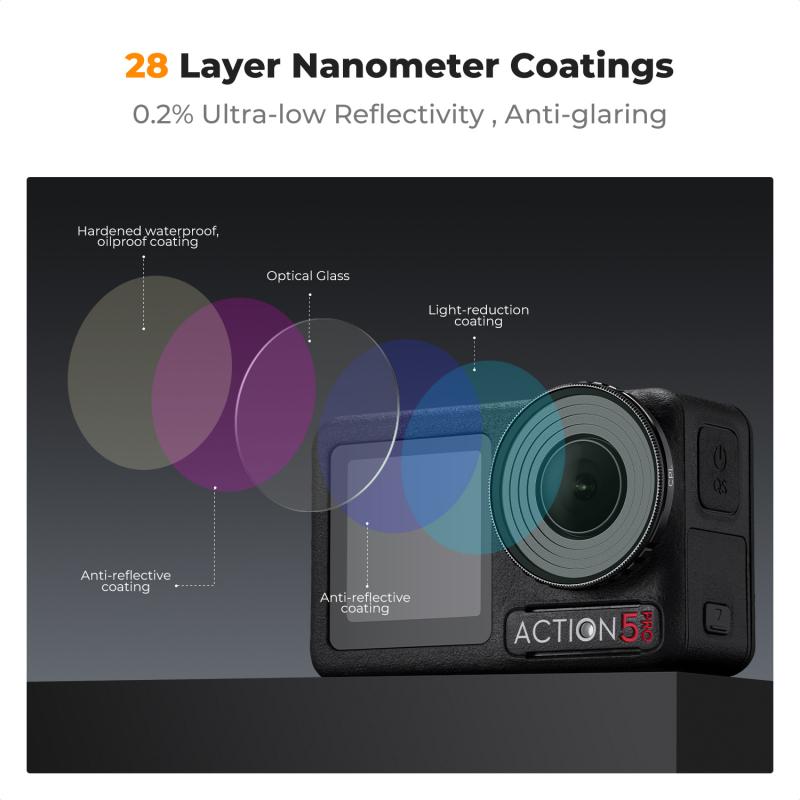
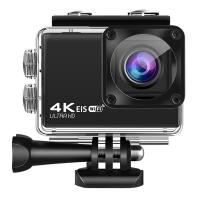
an action camera, as the name suggests, is a specialized type of camera designed to capture high-definition photos and videos in action-packed scenarios. these compact and durable devices are ideal for use in extreme conditions, making them the go-to choice for adventure seekers, athletes, and vloggers.
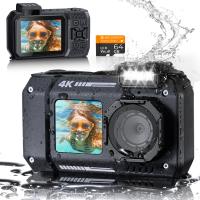
an action camera is a small, rugged, waterproof digital camera designed for capturing immersive action shots. they allow you to jump right in and become part of the adventure to capture photos and videos in a way that traditional cameras or smartphones just can't.
action cameras are typically mounted on helmets, bikes, cars, and other equipment, allowing users to capture first-person perspectives and dynamic footage.
use cases and scenarios
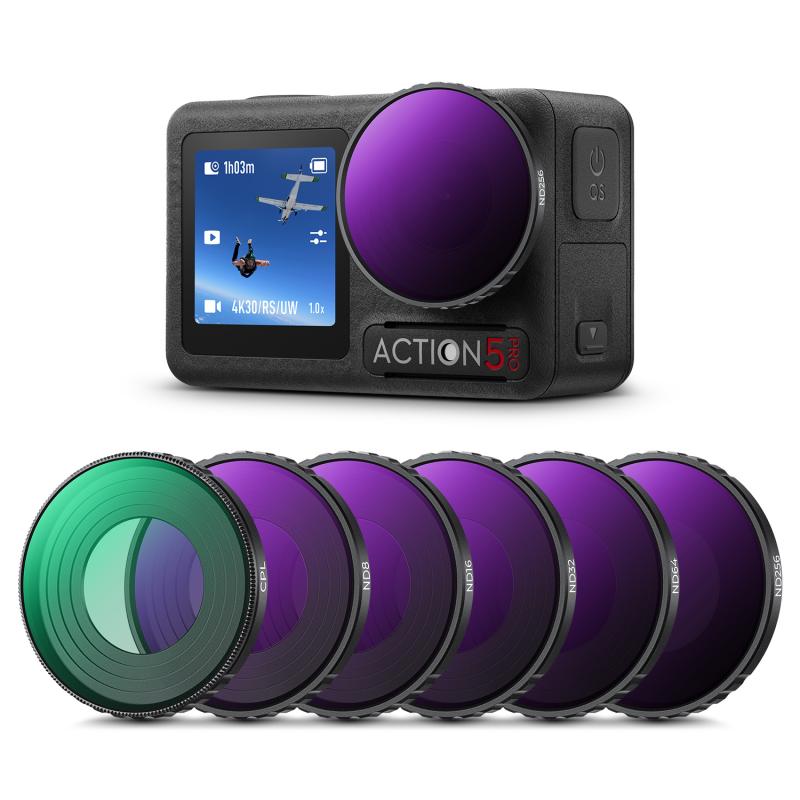
action cameras are known for their adaptability to various situations and environments, making them indispensable for a wide range of enthusiasts and creators. here are some common scenarios where action cameras are used:
- sports and adventure: from mountain biking and skiing to skydiving and scuba diving, action cameras are essential for documenting extreme sports and adventures.
- travel: capturing stunning landscapes, local cultures, and unforgettable memories while on the go.
- vlogging and youtube: many content creators rely on action cameras for creating dynamic vlogs and tutorials.
- security and surveillance: some people use action cameras as dash cams or for home security.
- underwater exploration: waterproof action cameras are perfect for snorkeling and deep-sea dives.
- family and social gatherings: lightweight and user-friendly, these cameras are great for documenting family events and parties.
such variety of use cases illustrate the adaptability and appeal of action cameras.
key features for action-packed scenarios
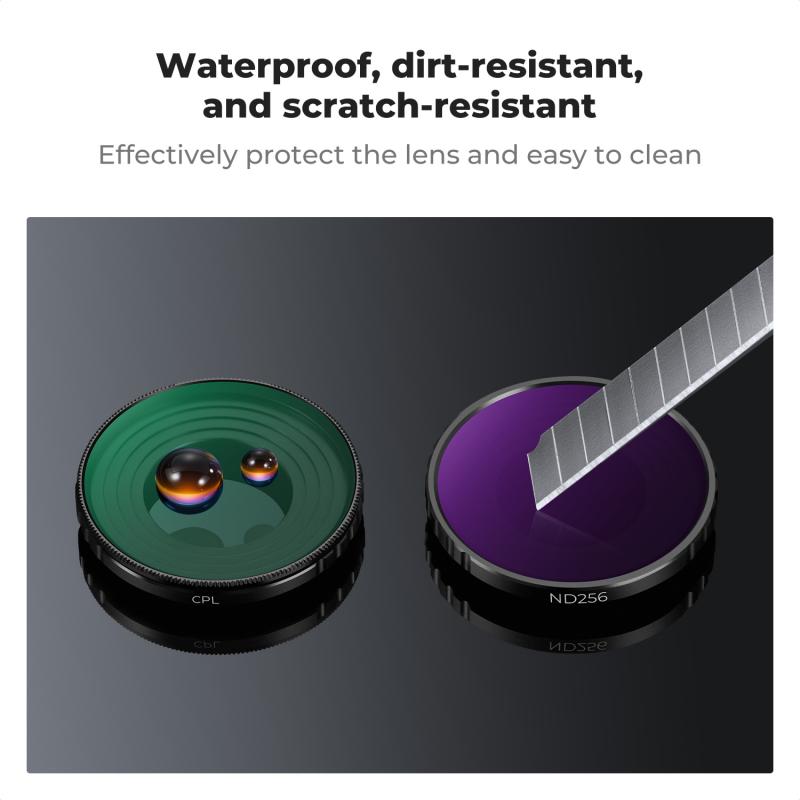
beyond their compact and rugged exteriors, action cameras come equipped with a host of features that cater to the unique demands of thrill-seekers and adventurers. these cameras are designed to withstand extreme conditions and capture breathtaking moments.
- compact design: action cameras are small and lightweight, making them easy to carry and mount on various surfaces.
- high-quality video: most action cameras can record in high-definition (hd) or even 4k resolution, ensuring crystal-clear videos.
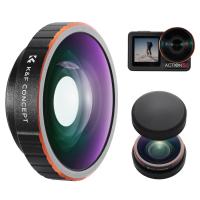
- wide-angle lens: the wide-angle lens captures a broader field of view, which is perfect for action shots and landscapes.
- durable and waterproof: these cameras are built to withstand rugged conditions and are often waterproof, making them suitable for underwater adventures.
- image stabilization: many action cameras come with built-in stabilization to reduce the shakiness of footage.
- wi-fi and bluetooth connectivity: these features allow you to control the camera remotely and share content quickly.
- long battery life: action cameras offer extended battery life to capture hours of footage.
these features collectively make action cameras the preferred choice for recording thrilling moments.
advantages of action cameras
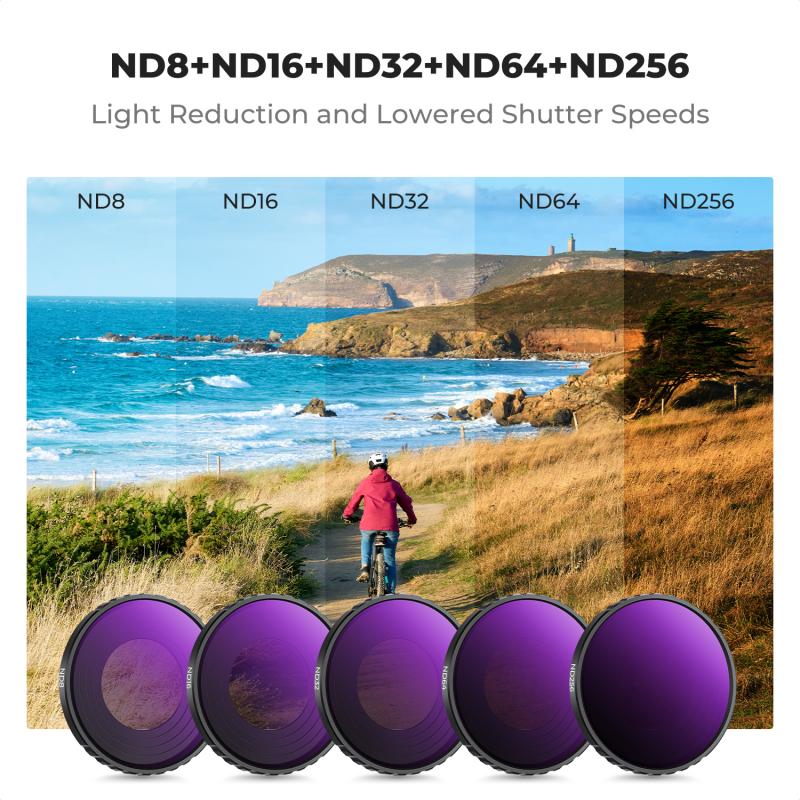
action cameras offer numerous advantages that make them invaluable for various scenarios:
- portability: their small size makes them easy to carry, mount, and handle.
- durability: designed to withstand harsh conditions, including water, dust, and impacts.
- wide-angle shots: the wide field of view allows for immersive and dynamic footage.
- high-quality video: most action cameras offer impressive video quality, often in 4k resolution.
- versatility: action cameras can be used in various scenarios, making them a valuable addition to your gear collection.
- remote control: wi-fi and bluetooth connectivity enable remote control and live preview, enhancing the user experience.
- stabilization: many models come equipped with image stabilization to reduce shakiness in footage.
technical specifications to consider
to choose the right action camera, it's essential to understand the technical specifications and features that align with your preferences and requirements. here are some of the key technical specifications to consider:
- resolution: look for 4k capabilities for the best video quality.
- frame rate: higher frame rates (e.g., 60fps or 120fps) allow for smoother slow-motion footage.
- field of view (fov): the wider the fov, the more you can capture in your shot.
- battery life: longer battery life ensures you don't miss any action.
- storage capacity: ensure your camera supports the memory card size you need.
- image stabilization: this feature is essential for smooth video, especially in fast-paced activities.
- connectivity: check for wi-fi, bluetooth, and compatibility with mobile apps.
- waterproof rating: if you plan on underwater adventures, make sure your camera is adequately rated for submersion.
accessories and mounts
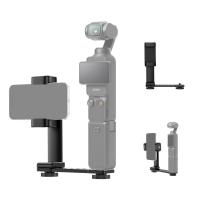
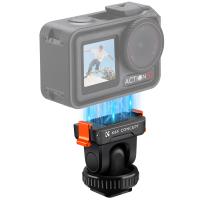
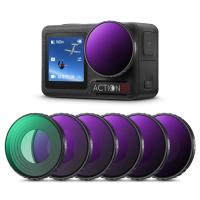
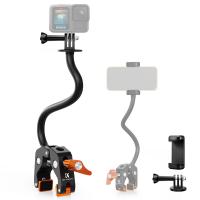
the versatility of action cameras is greatly enhanced by the multitude of accessories and mounts available. these accessories cater to a wide range of shooting scenarios, allowing you to maximize the potential of your camera. here are some of the essential accessories and mounts:
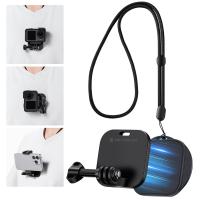
- chest and head mounts: these provide unique perspectives, such as a first-person view.
- suction cup mounts: ideal for attaching your camera to vehicles and smooth surfaces.
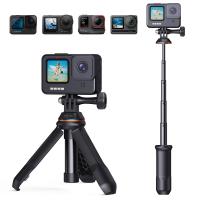
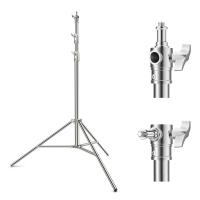
- tripods and selfie sticks: essential for stationary shots or capturing yourself in the frame.
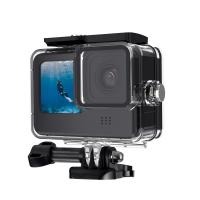
- underwater housing: for deep-sea adventures, you'll need a waterproof housing to protect your camera.
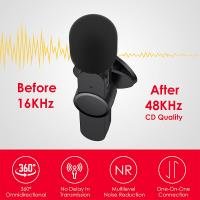
- external microphones: to capture high-quality audio in noisy environments.
- protective cases: necessary for safeguarding your camera in rough conditions.
these accessories open up a world of creative possibilities, allowing you to capture your adventures from unique angles and viewpoints.
limitations of action cameras
while action cameras offer numerous advantages, they also come with some limitations:
- limited battery life: continuous recording can drain the battery quickly.
- small screen: the compact size of the camera limits the screen size, making it challenging to review footage on the device itself.
- audio quality: action cameras often struggle with capturing high-quality audio, especially in noisy environments.
- storage capacity: 4k video files can be large, so you'll need ample storage space.
- price: high-quality action cameras can be expensive, though budget-friendly options are available.
- advanced features: entry-level models may lack some advanced features present in higher-end options.
understanding these limitations will help you manage your expectations and make the most of your action camera.
choosing by intended use
selecting the right action camera depends on your specific needs and preferences. here are some factors to consider:
- budget: determine how much you're willing to spend, as prices can vary significantly.
- intended use: consider your primary use case, whether it's for sports, travel, vlogging, or general documentation.
- video quality: look for 4k resolution if you want the best video quality.
- battery life: consider how long you need the camera to last on a single charge.
- waterproof rating: if you plan on using the camera underwater, make sure it has the necessary waterproofing.
- accessories: check if the camera is compatible with the mounts and accessories you need.
- brand reputation: research brands and read reviews to ensure product quality and reliability.
when an action camera can be useful
imo, an "action camera" comes down to lifestyle and the type of content which will be shot. if you are capturing content in a situation where you can't properly or safely operate a phone or camera, then an "action camera" can be a great option. but even then, as phones become more durable and more cases and mounts become available, phones are becoming more capable.
for the average consumer, cameras on phones are more than sufficient to capture footage which is easy to edit and export to a variety of platforms.
the potential use cases i have in mind are skiing/sledding (once or twice a year), where it's hard to use a phone in hand, or during some trips (something i've managed with my phone so far).
it all depends on your use case. 360 cams have a specific use case and are specialist in what they can capture. if you want a very wide angle view and potentially a floating pov type camera then it's ideal for that. it's not very versatile though, the 3 cameras on your phone will be better at general image capture.
maintenance and care
once you've selected your action camera, proper maintenance and care are crucial to keep it performing at its best. here are some essential tips:
- clean the lens: use a microfiber cloth to remove dirt, fingerprints, and water droplets from the lens.
- update firmware: regularly check for firmware updates to improve performance and fix any issues.
- protect the housing: keep the camera in its housing when not in use to protect it from dust and impact.
- battery maintenance: charge and discharge the battery fully at least once a month to prolong its life.
- store properly: store your camera in a cool, dry place away from direct sunlight.