What Is A Good Binoculars To Buy?
When it comes to purchasing binoculars, the landscape of options is vast and varied, making the task potentially overwhelming for buyers. However, the best binoculars to buy are highly dependent on the user's specific needs and intended use. Whether you are a birdwatcher, a stargazer, a hunter, or someone simply looking for a general-purpose pair, this guide is designed to help clarify your options and inform your choice by addressing key factors to consider. By the end, you’ll have a clearer understanding of what to look for to ensure you end up with the right set of binoculars.
Understanding the Basics of Binoculars
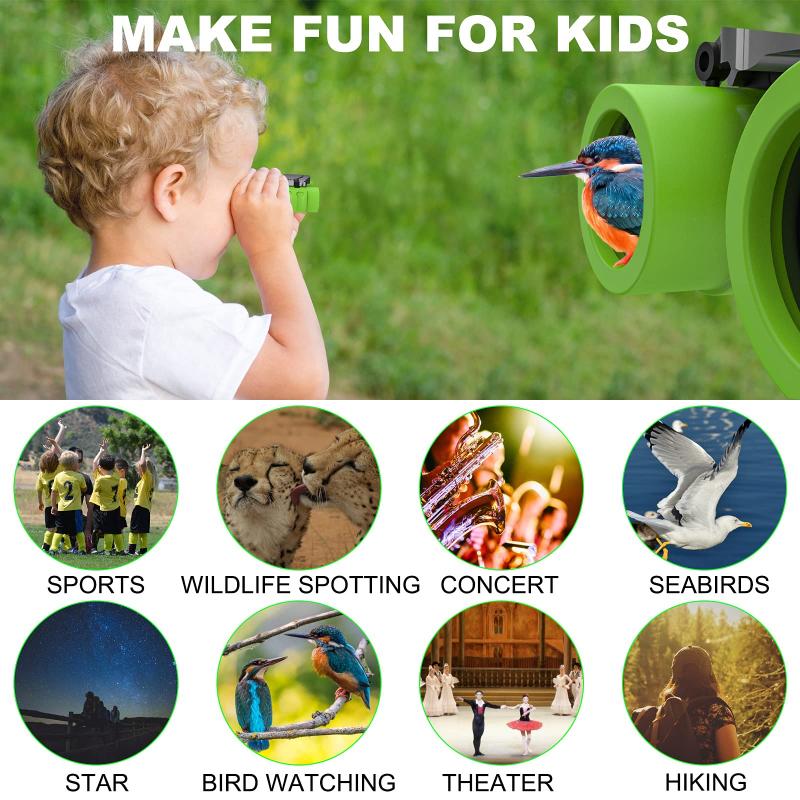
Before exploring the market, it’s important to familiarize yourself with how binoculars work. Binoculars are optical devices that magnify distant objects and bring them into sharper detail. They consist of two parallel telescopes mounted side by side, allowing for stereoscopic (3D) viewing. The key specifications that users often encounter when shopping for binoculars include:
1. Magnification and Objective Lens Diameter: Represented as two numbers (e.g., 8x42), the first number refers to magnification (how many times closer an object appears), and the second number indicates the diameter of the objective lens (in millimeters), which affects light-gathering ability.
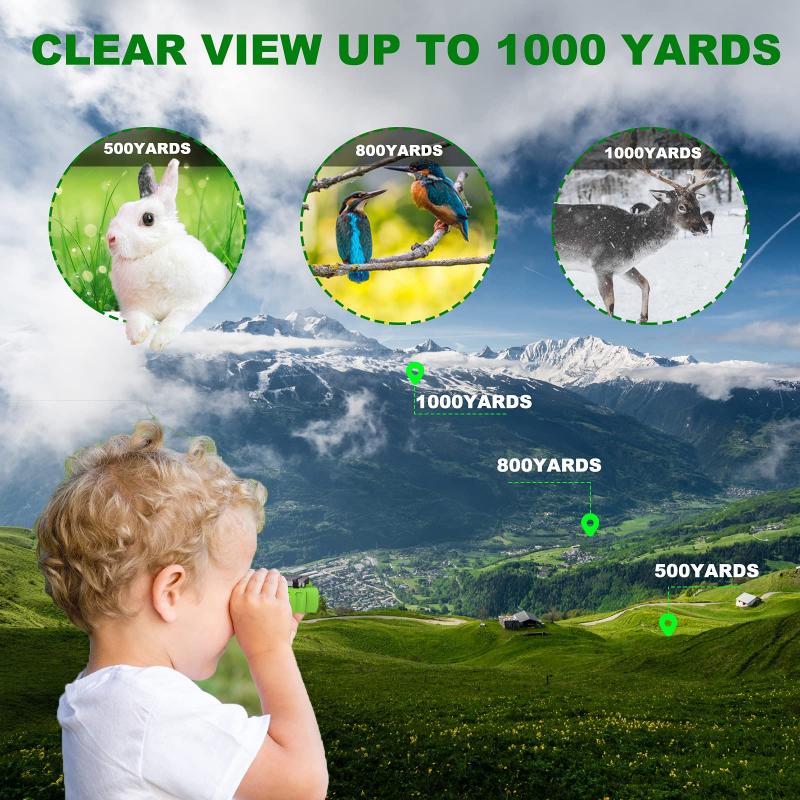
2. Field of View (FOV): Measured in degrees or feet at 1,000 yards, this determines the width of the area visible to you.
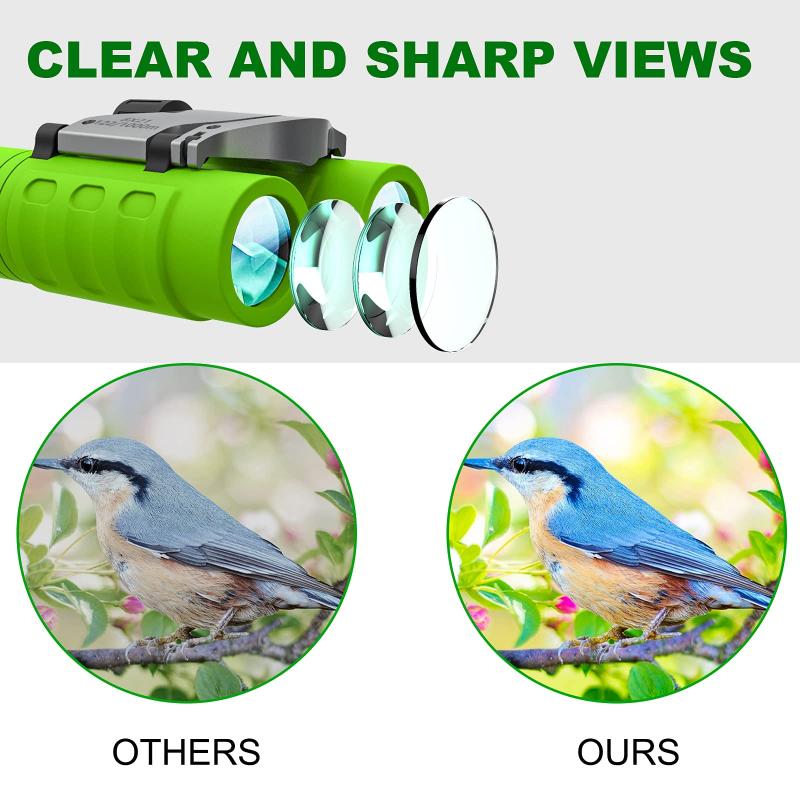
3. Lens Coatings: Coatings on lenses improve image clarity, brightness, and color reproduction.
4. Size and Weight: Depending on their build, binoculars can vary greatly in portability and usability during extended sessions of viewing.
Once you understand these basics, you can evaluate the qualities needed for your specific activity.
Different Types of Binoculars Based on Use
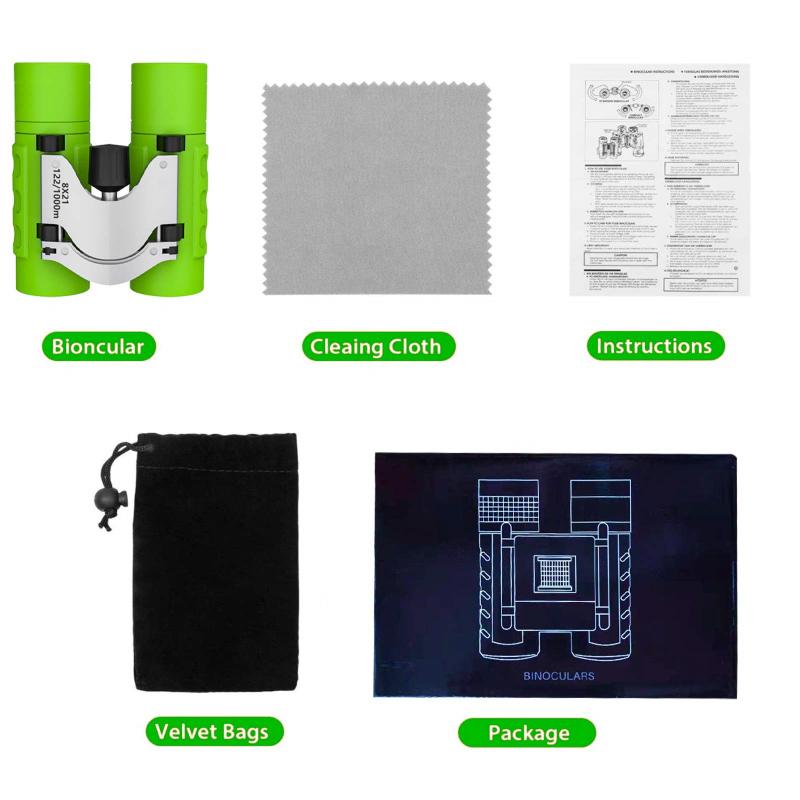
While all binoculars function similarly, not all of them are created equal. Depending on your primary use, the best binoculars will vary in design, specifications, and price. Below are common use cases and recommendations tailored to each.
1. Birdwatching
Birdwatching is one of the most popular uses for binoculars. Key features for birdwatching binoculars include moderate magnification (8x or 10x) for stability, high clarity, and a wide field of view to track fast-moving birds. Lightweight designs are also preferred for carrying during long treks.
Top Recommendation: The Nikon Monarch 5 (8x42) offers crisp, clear optics and vibrant colors. It’s also compact and features water- and fog-proof seals to handle various weather conditions. For beginners, the Celestron Nature DX is a great budget choice.
2. Stargazing and Astronomy
Astronomy enthusiasts often prefer binoculars over telescopes for their portability and wide field of view. Key requirements include high magnification (typically 10x or higher), a large objective lens (such as 50mm or above), and excellent light-gathering ability to observe celestial objects.
Top Recommendation: The Celestron SkyMaster 15x70 is a go-to option for stargazing, offering large objective lenses and impressive magnification. For those seeking more light-capturing capabilities, the Orion 20x80 Astronomical Binoculars are an excellent upgrade.
3. Hunting and Wildlife Observation
Hunters typically need binoculars with durable, rugged designs, as well as excellent low-light performance for dawn or dusk observation. Magnification in the range of 8x to 10x offers a balance of clarity and ease of use.
Top Recommendation: The Vortex Diamondback HD (10x42) balances affordability with exceptional image clarity, a wide field of view, and weather-resistant housing. The Leupold BX-4 Pro Guide HD is perfect for serious hunters seeking superior optical performance.
4. Safari or Travel
When on safari or long journeys, you want binoculars that are lightweight, portable, and easy to handle. A compact design with decent magnification (8x or 10x) and durable housing is ideal for maximizing comfort and mobility.
Top Recommendation: The Zeiss Terra ED Pocket (8x25) is a favorite for travelers. It’s compact, lightweight, and offers exceptional viewing quality. Similarly, the Swarovski CL Pocket (8x25) provides premium performance in a travel-friendly size.
5. Marine and Boating
For use near water, such as during boating, fishing, or marine activities, binoculars with waterproofing, salt-resistance, and image stabilization (to counteract the rocking of a boat) are essential features.
Top Recommendation: The Fujinon Polaris 7x50 is an outstanding marine binocular with waterproof construction and exceptional clarity. For high-end users, the Steiner Navigator Pro 7x50 ensures durability and sharp visuals even in choppy conditions.
What to Look for When Buying Binoculars
No matter your specific purpose, there are several key considerations that can apply universally when evaluating binoculars.
1. Budget:
Prices for binoculars can range from under $50 to well over $3,000. Set a realistic budget and consider what features you value most. For casual use, mid-range options ($150–$300) typically provide excellent quality without overpaying for premium features.
2. Magnification:
While greater magnification may seem like a good thing, it often comes at the cost of a narrower field of view and more noticeable handshaking. For most activities, magnifications of 7x to 10x strike the best balance between functionality and stability.
3. Durability:
Look for water- and fog-proof binoculars with reinforced construction for rugged use. This may be especially important if you'll be using them in challenging environments.
4. Size and Portability:
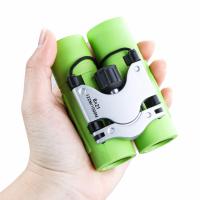
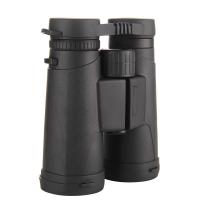
Full-size binoculars (e.g., 8x42) offer superior optical performance, but they can be bulky. Compact sizes (e.g., 8x25) work well for travel and casual use.
5. Coating and Prism Type:
Lens coatings reduce glare and enhance brightness, while the prism type (Roof vs. Porro) impacts design and size. Roof prisms are sleeker, while Porro prisms traditionally offer better depth perception.
6. Brand Reputation:
Brands like Nikon, Zeiss, Swarovski, Vortex, and Celestron have long-standing reputations for producing high-quality binoculars.
FAQs for First-Time Buyers
Q: Should I buy binoculars in person or online?
While buying online offers convenience and potentially better prices, it’s a good idea to test binoculars in person first to check for comfort, weight, and ease of adjustment.
Q: Are expensive binoculars worth it?
Higher-priced options often have superior lens coatings, build quality, and warranties. However, many mid-tier options offer near-premium performance at a fraction of the cost.
Q: How do I care for binoculars?
Store them in a protective case. Use lens covers to prevent scratches and clean the lenses with special microfiber cloths rather than ordinary fabrics.
Conclusion
Finding the best binoculars to buy depends on your specific needs and how you plan to use them. For birdwatching, consider lightweight and high-resolution options with decent magnification. Stargazing requires strong light-gathering abilities, while traveling demands compact, portable binoculars. Keep in mind your budget, durability needs, and the binoculars’ overall ergonomics.
By thoroughly assessing the various categories and models, you’ll not only invest in a product that suits your immediate needs but also enjoy a better overall visual experience. Choosing a reputable manufacturer and matching the model to your key activities will leave you with binoculars to cherish for years to come.