What Canon Full Frame Camera For Wildlife?
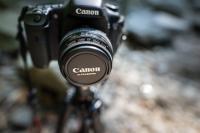
When it comes to wildlife photography, selecting the right camera is crucial for capturing stunning images of animals in their natural habitats. For many photographers, Canon full-frame cameras are a top choice due to their robust features, polished image quality, and capacity to perform well in challenging environments. However, the best camera depends on your specific needs, including your budget, level of expertise, and wildlife photography style. In this article, we’ll cover essential considerations for choosing a Canon full-frame camera for wildlife photography and provide recommendations to help you make an informed decision.
Why Choose a Full-Frame Camera for Wildlife Photography?
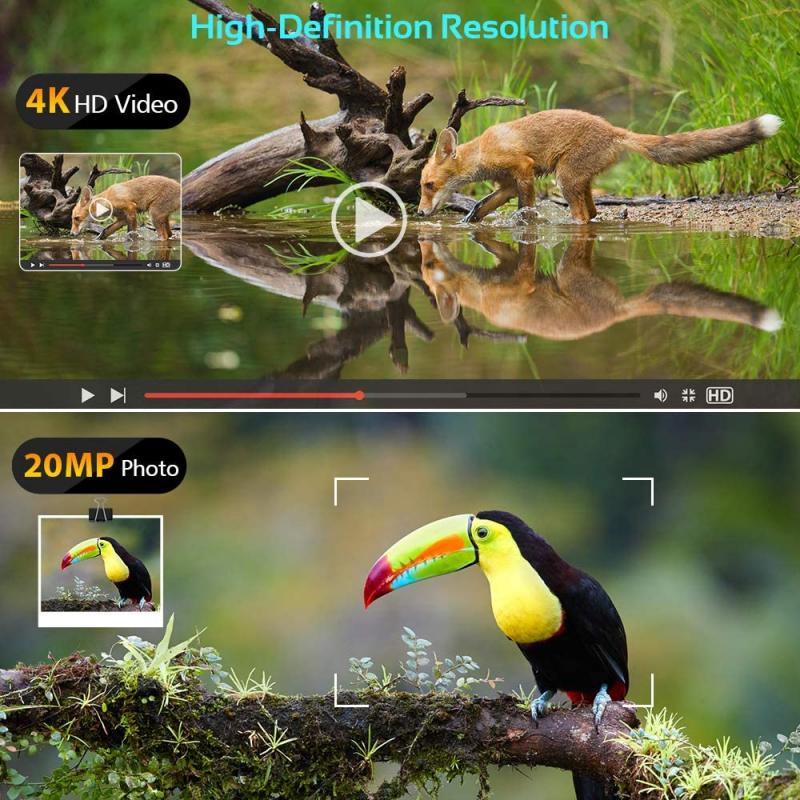
Full-frame cameras have several advantages that make them ideal for wildlife photography. These include:
1. Superior Image Quality: Full-frame sensors are larger than APS-C or micro four-thirds sensors, allowing them to capture more light and produce sharper, more detailed images. This is essential when photographing wildlife scenes where intricate texture and fine details matter.
2. Low-Light Performance: Wildlife photography often happens during "golden hours"—early morning or late evening—when lighting conditions can be dim. Full-frame cameras excel in low-light situations, delivering cleaner images with reduced noise at higher ISO settings.
3. Dynamic Range: Full-frame sensors typically offer superior dynamic range, giving you the ability to capture highlights and shadows more effectively. This ensures that your wildlife shots retain a sense of balance and realism, even in challenging lighting conditions.
4. Lens Compatibility: Full-frame cameras are compatible with a wide variety of lenses, including those optimized for wildlife photography, such as telephoto and super-telephoto lenses.
Key Features to Consider in a Wildlife Photography Camera
Before diving into specific camera models, it's essential to evaluate the features that are most important for wildlife photography:
1. High Continuous Shooting Speed (FPS)
Wildlife photography often involves capturing fast-moving animals. A camera with a high burst rate (frames per second) is crucial to snap multiple shots in quick succession to ensure you don’t miss the perfect moment.
2. Autofocus (AF) System
Outstanding autofocus capabilities are essential for tracking moving subjects, such as birds in flight or running animals. Look for a camera with advanced AF tracking and a high number of autofocus points.
3. Weather-Sealed Build
Wildlife photographers frequently encounter harsh environments. A camera with weather sealing provides extra protection against dust, moisture, and unpredictable weather conditions, ensuring it performs reliably in outdoor settings.
4. Battery Life
Spending hours in nature requires a camera that has a long-lasting battery. Alternatively, ensure compatibility with external battery packs for extended use.
5. Resolution
While higher resolution isn't always the primary factor in wildlife photography, it can be beneficial when cropping images, especially when photographing subjects from a distance.
Recommended Canon Full-Frame Cameras for Wildlife Photography
Canon offers a variety of full-frame cameras that cater to different needs and budgets. Below are some standout options for wildlife enthusiasts:
Canon EOS R5
The Canon EOS R5 is one of Canon’s flagship mirrorless full-frame cameras and an excellent choice for wildlife photography. Its combination of cutting-edge technology and impressive specs makes it unparalleled in performance.
Key Features:
- 45 MP resolution for exceptionally detailed images.
- 12 FPS with a mechanical shutter or up to 20 FPS with an electronic shutter.
- Advanced Dual Pixel CMOS AF II system with 1,053 autofocus points for precise subject tracking.
- Animal Eye Detection for tracking wildlife more effectively.
- Weather sealing for durability in outdoor conditions.
The high frame rate, superior autofocus system, and added feature of animal eye detection provide unparalleled precision for capturing fast-moving or elusive subjects.
Canon EOS R6 Mark II
If the EOS R5 seems like overkill for your needs or budget, the EOS R6 Mark II is a fantastic alternative that balances cost and performance exceptionally well.
Key Features:
- 24 MP resolution, which is lower than the R5 but sufficient for most wildlife photography needs.
- 12 FPS with a mechanical shutter and up to 40 FPS with an electronic shutter.
- Dual Pixel CMOS AF II system with AI-enhanced subject tracking.
- Excellent low-light performance with ISO up to 102,400.
- Relatively lightweight and portable design.
The R6 Mark II is a popular choice for photographers who prioritize speed, accuracy, and affordability while still producing stellar images.
Canon EOS-1D X Mark III
As Canon’s top-tier DSLR, the EOS-1D X Mark III is tailored for professionals who demand reliability, speed, and ruggedness.
Key Features:
- 20.1 MP resolution, emphasizing low-light sensitivity over sheer detail.
- 16 FPS with a mechanical shutter and up to 20 FPS in live view mode.
- Deep learning AF, designed for tracking subjects in motion.
- Excellent weather sealing and durability.
- Optimized for action and sports photography, making it ideal for fast wildlife.
While it’s larger and heavier than mirrorless options, its fast burst rate, reliable AF, and tank-like construction make it dependable for wildlife photographers in extreme conditions.
Canon EOS R3
For those who need the absolute pinnacle of speed and performance, the Canon EOS R3 exceeds expectations for wildlife photography.
Key Features:
- 24 MP resolution paired with outstanding low-light capability.
- Up to 30 FPS with an electronic shutter.
- Eye-controlled AF technology for precise subject focus.
- Advanced subject tracking, including birds, animals, and vehicles.
- Built-in weather sealing.
The R3's ultra-responsive performance and innovative eye-controlled autofocus make it ideal for tracking unpredictable wildlife movements.
Wildlife Photography Tips with Canon Full-Frame Cameras
Having the right camera is just part of the equation. Maximizing your photography output requires an understanding of the craft and tools. Here are some tips specifically tailored to using Canon full-frame cameras for wildlife photography:
1. Use Telephoto Lenses
Invest in a telephoto lens capable of achieving focal lengths of 400mm or more to photograph subjects from a distance without disturbing them. Pair it with Canon’s RF or EF super-telephoto lenses for seamless compatibility.
2. Master Autofocus Settings
Leverage features such as animal eye detection or subject tracking modes in cameras like the EOS R5 or EOS R6 Mark II. Familiarize yourself with focus modes such as AI Servo mode for continuous tracking of moving subjects.
3. Optimize ISO Settings
Take advantage of the excellent low-light capabilities of Canon’s full-frame cameras by adjusting ISO to suit the lighting conditions, especially during dawn and dusk when wildlife is most active.
4. Compose the Scene
A full-frame sensor allows for better control of depth of field. Use this to your advantage for creating compelling wildlife images that isolate subjects against blurred backgrounds.
5. Consider Remote Shooting
In situations where the wildlife is skittish or remote, use features like Canon’s wireless shooting options to trigger the camera from a distance.
6. Protect Your Gear
Equip your camera and lens with weatherproof accessories when shooting in rugged environments. Canon’s durable builds often have built-in weather sealing, but further protection can prevent long-term wear.
Selecting the ideal Canon full-frame camera for wildlife photography depends on your specific needs, but the EOS R5 and R6 Mark II are highly versatile options for enthusiasts and professionals alike. If you require rugged power and reliability in extreme conditions, the EOS-1D X Mark III and EOS R3 are excellent choices. Regardless of the camera you choose, mastering its features and understanding the nuances of wildlife photography will transform your images into breathtaking works of art.
Invest wisely in both your camera and lenses and push your creative boundaries in the wild. With the right equipment and skills, you’ll be prepared to capture memorable images of wildlife for years to come.