How Accurate Is Smartwatch Oxygen Levels?
accuracy and measurement differences
both pulse oximeters and smartwatches use optical sensors, but where and how measurements are taken affects results.thefingertip readings are more consistent because:
- person is still
- less movement reduces interference
- widely used in hospitals and homes for noninvasive spo2 checks
because of these factors, a pulse oximeter is often preferred when you need a quick, reliable oxygen reading rather than a general wellness estimate.
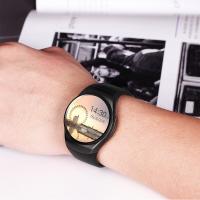
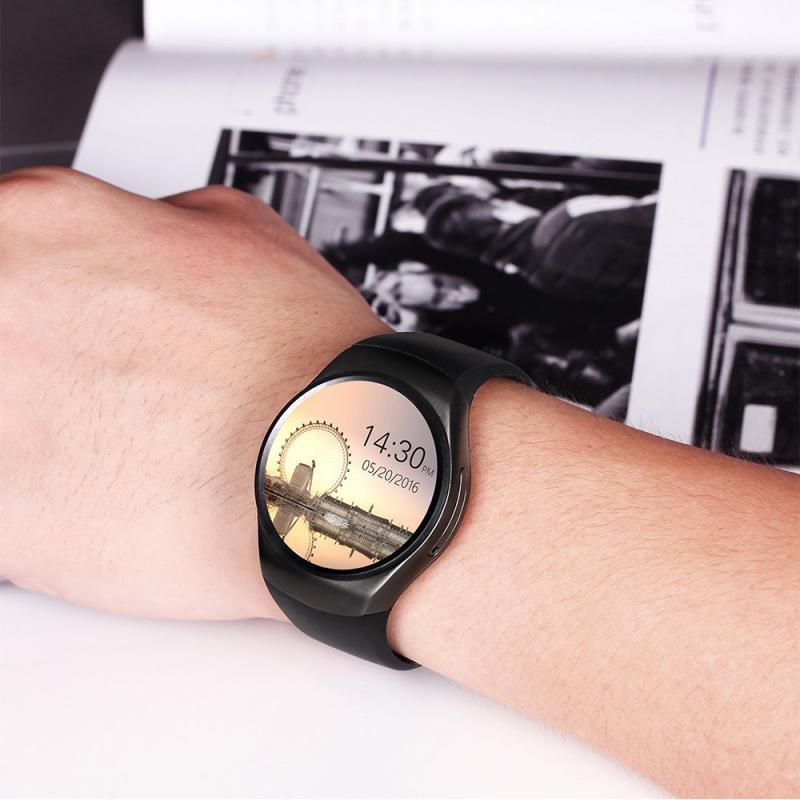
on the other hand, the wrist readings can vary because smartwatches offer convenient wrist-based oxygen tracking, but their readings can vary depending on how and when measurements are taken.
- the wrist is more affected by movement and daily activity
- fit, skin temperature, and circulation can influence results
- best suited for tracking trends rather than precise spot measurements
for this reason, smartwatch readings are generally better suited for long-term wellness monitoring instead of quick, medical-style oxygen checks.
smartwatch oxygen readings and intended use
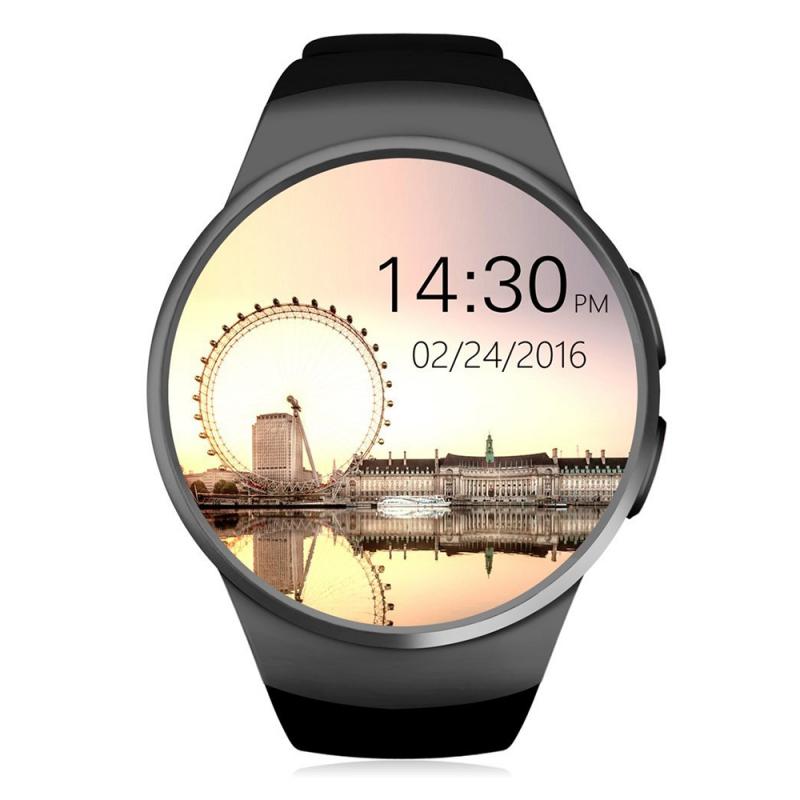
a smartwatch is designed for continuous wear, with oxygen saturation estimated in the background alongside other wellness metrics. rather than capturing a single moment in time, it collects data gradually, often during rest or sleep, and presents it as trends. this makes smartwatches better suited for observing patterns over time, while pulse oximeters are used for immediate, one-time measurements.
smartwatches are best for spotting patterns over time rather than checking a single reading. they gather data gradually and integrate it with daily activity and rest. key benefits include:
- track trends across days or weeks
- view oxygen estimates alongside sleep and activity
- reduce the need for manual readings
- fit into routines for users who wear a watch regularly
worn consistently, smartwatches reveal changes in sleep, recovery, or activity that occasional spot checks might miss.
smartwatches are suited for people willing to wear the device most of the day to collect data in the background. they automatically track trends and provide context alongside other health metrics. keep these considerations in mind:
- requires regular charging for consistent tracking
- proper fit is important for reliable readings
- data is typically accessed via a companion app
- best for spotting patterns over time rather than single spot readings
pulse oximeter readings compared with smartwatch readings
a pulse oximeter is a single-purpose device used to measure blood oxygen saturation (spo2) and pulse rate. it clips onto a fingertip and delivers a clear reading within seconds, making it useful for quick, intentional spot checks at home or in clinical settings. because the fingertip provides consistent blood flow when the user is still, readings are typically direct and reliable when the device is used correctly.
pulse oximeters are ideal for intentional, on-demand monitoring, giving clear readings without continuous tracking. the key benefits are:
- immediate results without apps or syncing
- easy-to-read single-number readings
- minimal steps, useful for caregivers or shared use
- flexible checks whenever needed
pulse oximeters are used on demand rather than continuously, making them ideal for intentional monitoring. their simplicity helps people stay consistent with checks over time.
pulse oximeters work best for people who want quick, on-demand monitoring without interrupting daily routines. they are used briefly and put away, making them low-maintenance. the benefits are:
- no need to wear it all day
- simple displays that are easy to read
- easy to share between multiple users
- minimal setup before each use
factors that affect smartwatch blood oxygen measurements
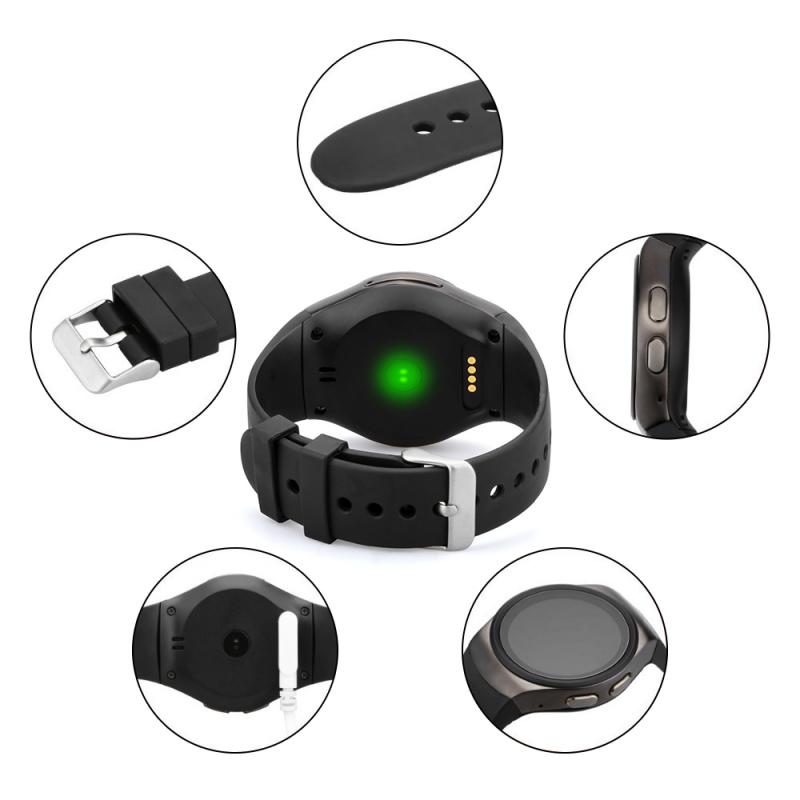
while spo2 sensors on smartwatches are useful, they have limitations. wrist-based measurements are generally less accurate than fingertip pulse oximeters, which shine light through the entire finger. smartwatch sensors rely on light reflection, a less precise method.
these measurements are intended for general wellness, not medical diagnosis. don’t rely solely on your smartwatch’s readings for health decisions. they provide a baseline, but if your spo2 drops significantly below normal, consult a doctor and consider verifying with a fingertip pulse oximeter.
- go one hole tighter with the strap or move your watch higher on your wrist for a tighter fit.
- don't move or talk while measuring.
- make sure your watch is on the top of your wrist, not the underside and not pressing against bone.
- if your hands and arms are cold, remove your watch and rub your wrist gently to warm up your skin then try again.
for best results, rest at least 5 minutes before measuring, stay still and comfortable during measurement.individual results may vary.
if watch is 2 loose or 2 tight it will not show correct numbers.
there is one caveat though, i wear my gw3 on the backside of my wrist fairly tight, if you wear yours on the front side or loose it might be different.
normal range and low readings
- a typically healthy range is 95% to 100%, but factors like exercise, elevation and health conditions can affect your results.
- blood oxygen, or spo2, refers to the percentage of oxygen in your blood. a healthy level is generally 90% or higher, with 95% to 100% being typical for most people.
- levels below 88% are concerning and require immediate medical attention.
- oxygen saturation levels below 90% are considered abnormal.
your blood oxygen saturation (spo2), measures how well your lungs provide oxygen to the rest of your body. low oxygen saturation can sometimes be a sign of an underlying health condition, such as sleep apnea, covid-19, copd, congestive heart failure, or asthma.
blood oxygen saturation is inherently a noisy measurement. trends matter more than individual points.
even for “medical-grade” oxiemeters, the error bounds for individual measurements are quite wide. to get an fda clearance, about 95% of oxygen values must fall within 4-6% of the gold-standard value. this means if you see an spo2 of 92%, the true value is likely between 88% and 96%.
study data on smartwatch hypoxemia detection
the sensitivity, specificity, and accuracy of the smartwatches in detecting hypoxemia (spo2 < 90%).
| smartwatch | sensitivity (95% ci) | specificity (95% ci) | accuracy (95% ci) |
|---|---|---|---|
| apple watch 8 | 0.91 (0.85 to 0.97) | 0.95 (0.92 to 0.98) | 0.93 (0.90 to 0.96) |
| samsung galaxy watch 5 | 0.97 (0.94 to 1.00) | 0.76 (0.70 to 0.82) | 0.84 (0.80 to 0.88) |
| withings scanwatch | 0.92 (0.86 to 0.98) | 0.86 (0.80 to 0.92) | 0.89 (0.85 to 0.93) |
comparison of mean bias, lower and upper loa, and root-mean-square deviation for spo2 reading ranges 100–91%, 90–81%, and ≤80% between the smartwatch and the reference pulse oximeter.
| smartwatch | measured spo | mean bias | lower loa (95% ci), % | upper loa (95% ci), % |
|---|---|---|---|---|
| apple watch 8 | full range (n = 274) | −0.1 (−0.4 to 0.1) | −4.4 (−4.9 to −4.0) | 4.2 (3.7 to 4.6) |
| samsung galaxy watch 5 | full range (n = 283) | −2.6 (−2.9 to −2.3) | −8.1 (−8.7 to −7.6) | 2.9 (2.4 to 3.5) |
| withings scanwatch | full range (n = 238) | 0.4 (−0.1 to 0.8) | −6.5 (−7.2 to −5.7) | 7.2 (6.5 to 8.0) |
reported smartwatch readings compared with oximeters
- my oximetre read 98 and the watch the same, on second try immediately afterwards my oximetre still read 98 whilst watch said 84!
- mine is scary way off from actual spo2 sensor. mind boggling off. 88 on watch, 97 on ems equipment. 81 on watch overnight.
- i literally just tested it together with oximeter and watch4 shows 78-82% while oximeter shows normal range of 95%+.
- there is a slight difference in spo2 smartwatch and oximeter. i have checked my spo2 in smartwatch and simultaneously checked on oximeter. the results were spo2 in smartwatch was 96 and on oximeter was 98.
how long did you stay below 90%? if it was only for a few seconds than it's most likely an error. sometimes i measure my oxygen level also during the day and from time to time i got something like 86% and the watch requests to re-test. the next reading was 98%.
changing wrists, positions and front and back of wrists will also vary the readings. this morning i got a 93, 94, 99 and 94, whilst being conscious of not breathing or moving differently.
when it throws out such ridiculous readings it's hard to take seriously.
medical and wellness purpose statements
*galaxy watch is not a medical/therapeutic device and is not intended for medical use. it is solely intended for fitness and wellness purposes only and is not intended for use in the diagnosis of disease or other conditions; or in the cure, mitigation, treatment or prevention of disease; or for the prevention or control of pregnancy.
medical grade equipment has vastly superior quality and accuracy standards than a smart watch, which is simply giving these features for novelty sake and not actual functionality, unless used correctly.
when used on the wrist, it gives wild reading (true for all watches) with a very large margin of error. however, as you might know, the actual oximeter is meant to be used on fingertips.
when used on fingertips, you can get more accurate reading, however, in such a critical aspect as health, it’s simply not worth it to take the chance.