Which Condenser Microphone To Buy?
What is a condenser microphone?
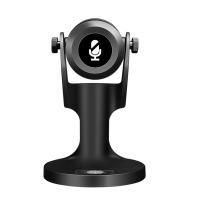
A condenser microphone, also known as a capacitor mic, is a type of microphone that uses a lightweight, electrically charged diaphragm to capture sound with exceptional detail and accuracy.
Unlike its dynamic microphone cousins, a condenser mic requires electrical power to operate—either through phantom power or a dedicated power supply.
The magic happens in the mic's capsule: a metalized diaphragm sits in close proximity to a metal backplate, creating a capacitor.
When sound waves hit the diaphragm, the minute changes in distance between the diaphragm and backplate generate electrical signals that become your audio.
- Extremely sensitive, require power, capture intricate details, perfect for vocals, acoustic instruments, and studio recording
- They capture the most delicate sounds with incredible precision
- Excellent at capturing a wide range of frequencies
- Quick to react to sudden sound changes
- Suitable for multiple recording applications
Condenser microphones are commonly used for studio vocals, acoustic instruments, drum overheads, room mics, pianos, and any application where detail, realism, and extended frequency response are essential.
Their accuracy makes them a staple in professional recording studios around the world.
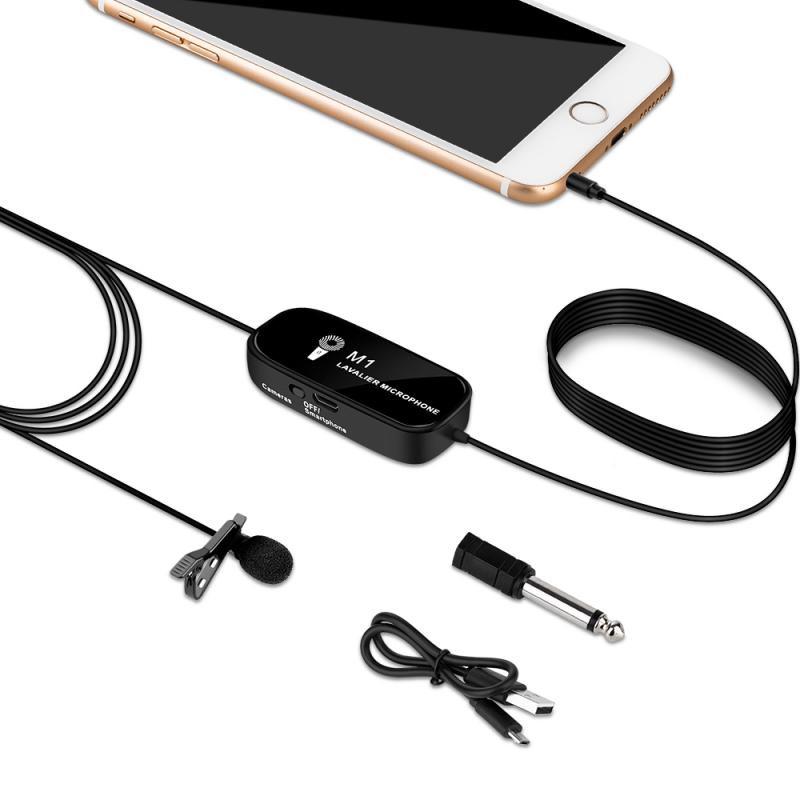
Condenser microphone vs dynamic microphone: what's the difference?
While dynamic microphones are the workhorses of the studio and stage, relying on a moving coil in a magnetic field, condenser microphones are precision instruments.
- Rugged, no external power needed, great for high-spl sources like drums and guitar amps
- Extremely sensitive, require power, capture intricate details, perfect for vocals, acoustic instruments, and studio recording
With any recording project, you want to have a solid foundation.
The microphone is that foundation.
Choose the right condenser mic and your life just got easier.
Choose the wrong one and you'll be fighting an uphill battle all the way through the signal path.
And nobody wants that.
Selecting the right condenser microphone is a nuanced process that goes beyond simple specifications.
Your primary consideration should be your specific recording applications, which will guide your choice more effectively than any generic recommendation.
Budget also plays a crucial role, as condenser microphones range from affordable project studio options to high-end professional models.
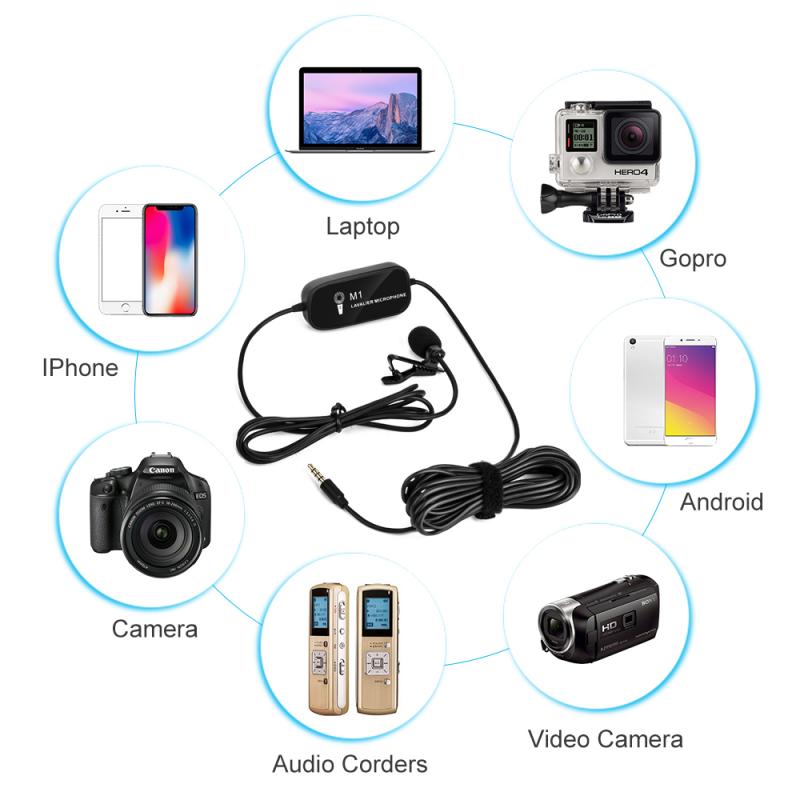
Large diaphragm vs small diaphragm condenser microphones
Not all condenser microphones are created equal.
The size of the diaphragm plays a crucial role in the mic's character and performance.
- Large diaphragm condenser microphones (LDC)
- Typically featuring a diaphragm around 1 inch (27 mm) in diameter, large diaphragm condensers are a favorite for:
- Capturing distant or quiet sources
- Vocal recordings
- Room microphones
- Creating a warm, rich sound
- Small diaphragm condenser microphones (SDC)
- With diaphragms around 1/2 inch (typically 12-13 mm), small diaphragm condensers excel at:
- Capturing spread-out sources like orchestras and choirs
- High-end sources like pianos and strings
- Providing a more natural, accurate sound
These microphones are ideal when you're not dealing with extremely loud sources and want to focus on capturing more on-axis sound sources.
They're also the choice for recording engineers who appreciate a microphone that looks as impressive as it sounds, offering a classic studio aesthetic that has defined professional recordings for decades.
These microphones are prized for their exceptional transient response, allowing them to capture the most minute details of a performance with incredible precision.
They're the go-to choice for recording engineers and musicians who prioritize maximum accuracy and want to capture the true essence of an acoustic source.
How to choose the best condenser microphone
- Consider your existing microphone collection to ensure you're adding something that complements rather than duplicates your current setup.
- The desired sonic characteristics are equally important—some microphones impart a specific color or warmth to the sound, while others aim for absolute transparency.
- Lastly, don't overlook your room acoustics, as even the best microphone can struggle in a poorly treated environment.
- Remember, there are no absolute "wrong" choices—only microphones that are more or less suited to your specific needs.
With great condenser power, comes great room treatment responsibility.
Keep that in mind!
To get the best results from a condenser mic, pair it with a clean preamp, enable phantom power, and position it thoughtfully based on the source.
Use a pop filter for vocals, experiment with distance to control tone and proximity effect, and consider the microphone’s polar pattern to minimize unwanted room reflections.
A good preamp and an ok mic is better than a 1000$ mic in a bad/no preamp setup…
A compressor might also be a good investment if you want a professional sound, a plug-in might do the trick if you have a good preamp ;).
Polar pattern, diaphragm size, tube, max SPL
- Polar pattern
- The "pickup" pattern in which a microphone "hears" sound.
- A cardioid pattern is heart-shaped, for instance, while an omnidirectional mic picks up from all directions.
- Diaphragm size
- The diameter of a mic's diaphragm.
- Smaller, lighter-mass diaphragms respond quicker to musical nuances and are great on sources with sharp transients and extended overtones.
- Tube
- Microphones that utilize a vacuum tube or valve power supply.
- Natural compression or a warmer tonal response is often associated with tube-driven mics.
- Max SPL
- The maximum amount of sound pressure level a microphone can capture accurately without distortion - measured in decibels (dB).
First of all, to choose the right condenser mic, consider the pros and cons of using a large or small-diaphragm condenser.
The size of the diaphragm in a condenser mic determines how well it will respond to different frequencies.
Consequently, small-diaphragm condensers are more effective at picking up fine, top-end detail and quick transients.
Large-diaphragm condensers, with fuller mids and lows, are usually the mic of choice for vocals, drum overheads, and guitar amps.
In addition, they typically have lower self-noise than small-diaphragm condensers.
Capsule and circuit
Secondly, the microphone capsule and the circuit will determine the overall sound signature of the condenser microphone.
The capsule is the primary influence on the sound and the circuit typically adds harmonic coloration.
- The m7 capsule
- The k47 capsule
- The k67 capsule
- The ck12 capsule
- Tube-transformer
- Fet-transformer
- Fet-transformerless
This means that a mic with a k67-style capsule and a tube-transformer circuit will have quite a different sound to a mic with a ck12 capsule and a fet-transformerless circuit.
Input gain was set to deliver clean recordings, typically peaking around -12 dBFS.
No EQ, compression, limiting, or post-processing was applied to any of the audio clips.
This ensures that what you hear is the raw, uncolored sound of each microphone.
We fully acknowledge that microphone results can vary depending on your room, gear, and technique.
Our goal is to provide a reliable, honest reference point to help you make informed decisions.