What Can Set Off A Metal Detector?
Metal detectors have a threshold setting which is often adjustable. They're detecting metal all the time, but only objects that displace the field by a given amount sound the alarm. The threshold is kept high enough that it doesn't go off for things like small zippers. Metal detectors don't just detect one object at a time — if you have a metal object in your left and right pocket that individually would not set off the detector, together they will. They don't even need to be that close to each other; depending on the model, they may just need to be in the same horizontal plane.
How Metal Detectors Work
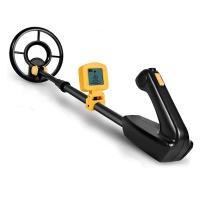
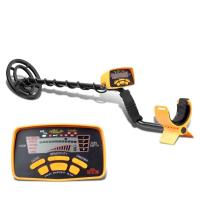
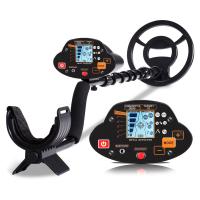
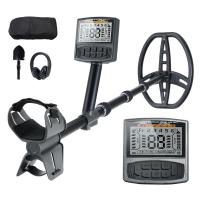
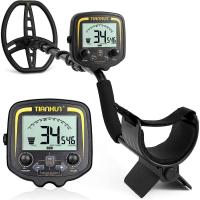
At the heart of every metal detector is the principle of electromagnetism. These devices generate an electromagnetic field, typically through a circular accessory known as a search coil. When this electromagnetic field comes into contact with a metal object, it induces electric currents within that object, known as eddy currents. These eddy currents generate their own electromagnetic fields. The detector senses these secondary fields and reacts by producing a signal — often a beep or a buzz — which alerts the user to the presence of a metal object.
It's not just a binary detector; the more metal that is placed inside the detector, the larger the secondary field becomes. The detection threshold is then calibrated so that things like zippers and metal buttons aren't enough to set off the detector, but larger metal items will. Metal detectors are set at different sensitivities depending on where they are — at airports they are the most sensitive, office buildings less so.
Types of Metals Detected
Walk-through metal detectors are designed to identify a wide range of metallic objects, including:
- Ferrous metals — contain iron and are strongly magnetic, making them easier to detect. Common examples include iron, steel, and nickel.
- Non-ferrous metals — lack significant magnetic properties and are more challenging to detect. Examples include copper, aluminum, brass, and lead. While many non-ferrous metals can be detected, they might not be as easily discernible as ferrous metals; detection capability largely depends on the detector's frequency, calibration, and the metal's size and shape.
- Metal alloys — combinations of metals, including stainless steel, are also detectable. Stainless steel has low magnetic permeability, meaning it doesn't allow magnetic fields to pass through it as easily as other metals, making it more difficult to detect especially when smaller in size.
- Brass — being a metal alloy, is detectable by security devices.

Metals That Are Difficult to Detect
- Titanium
- Titanium is not ferromagnetic, so it will not set off a metal detector. Many surgical implants are made from titanium because it has very high biocompatibility and is rarely rejected by the human body. Coincidentally, titanium has a very low magnetic signature, which makes it less easy for metal detectors to pick up on it. Some metal detectors won't detect titanium, but others will. The particular composition of metal used in surgical implants is specifically made to not set off detectors.
- Stainless Steel (small sizes)
- Many metal detectors find stainless steel difficult to detect, especially when it's smaller in size, due to its low magnetic permeability.
- Implanted metal plates
- If you fail to set off alarms with a metal implant, it is almost definitely because of the small size and low magnetic signature of the implant. If you have a piece of metal big enough to set off the detector, your skin and flesh is not going to be enough of a barrier to prevent activation. Pacemakers and other older medical devices are made of ferromagnetic components, and even though they are even deeper in the body, will still set off detectors.

Common Everyday Items That Set Off Metal Detectors
- Coins — Coins set off metal detectors quite frequently. There are some small metals that will pass through most metal detectors without setting them off, such as the button on your pants, but coins are not one of those metals.
- Belt buckles — A common trigger at airport scanners. If the arm with a watch swings down so the watch is at the same level as the belt buckle as the person passes through the detector, it will set it off.
- Watches and jewelry — Rings, watches, money clips, and metal-frame glasses are commonly flagged. Rings, belt buckles, screwdrivers, money clips, coins, and cans — pretty much anything with metal in it.
- Hair accessories — Headbands, barrettes, and other hair accessories are sometimes made from metal. Even though the only metal is usually in the frame of the items, it can still cause a metal detector to sound.
- Underwire bras — For women, the underwire bra is one of the most important clothing items to watch out for, though technology has evolved and it is less likely to set off security than it once was.
- Aluminum foil wrappers — Gum wrappers with aluminum foil can cause more problems than expected. Many manufacturers have changed their packaging material, using paper wrappers instead of foil, but it is better to empty pockets of even the smallest pieces of trash before going through the metal detector.
- Pull tabs on soft drink cans — Silver and pull tabs on a soft drink can really set them off.
- Bottle caps — Bottle caps set them off too.

Aluminum and Metal Detection
The science behind whether aluminum triggers a metal detector comes down to its conductivity. Unlike ferrous metals such as iron or steel, aluminum is non-ferromagnetic, which means it doesn't create a strong magnetic field. That said, aluminum is a very good electrical conductor. When an object made of aluminum passes through a metal detector, the detector senses the change in the electromagnetic field and issues a response.
- Airports — A roll of aluminum foil or aluminum-packed electronics almost always triggers an alarm. Security relies heavily on advanced scanners calibrated to catch even non-ferrous metals. A soda can in a carry-on is large enough to trigger the detector even though aluminum is lightweight and non-magnetic.
- Events and venues — Bringing a canned drink into a stadium is a common example. The aluminum can is dense enough that most detectors will pick it up instantly.
- Workplaces — Industrial facilities that use aluminum tools or parts often run them through detection points. Depending on sensitivity, detectors may flag even small components.
A thin sheet of aluminum foil crumpled up in a pocket may or may not set off a detector, depending on the detector's sensitivity. Some high-security walkthrough systems are calibrated to detect even trace amounts of non-ferrous metals like aluminum. Others, such as hand-held wands, may only pick up larger or denser aluminum objects. To summarize, aluminum does set off metal detectors, though the likelihood depends on the detector type, its sensitivity, and the size of the aluminum object. Airports and high-security venues almost always calibrate their systems to detect aluminum, while smaller venues or outdated detectors may miss minor amounts.
Sensitivity Settings and Detection Thresholds
Metal detectors can be adjusted in sensitivity, allowing security personnel to focus on detecting larger metal objects while ignoring smaller items like jewelry or buttons. The head area of detectors installed at airports is often turned off or set to a really high threshold, mostly due to piercings, jewelry, head plates, hair accessories, and dental work setting off tuned areas. Since it is simply difficult to conceal some kind of weapon in that area, it doesn't need to be monitored as closely.
Also, metal detectors are set at different sensitivities depending on where they are. A government building may want to catch even small aluminum components hidden inside devices, while a stadium may set sensitivity to balance security with speed for large crowds. It's important to note that metal detectors can be adjusted in sensitivity — this allows security personnel to focus on detecting larger metal objects while ignoring smaller items. Before going through any type of security, be aware of common everyday items that can set off the metal detector. Rather than slowing up the process, simply empty your pockets. If there is anything that might have a slight chance of setting off the metal detector, remove it from your person beforehand.