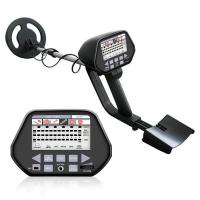
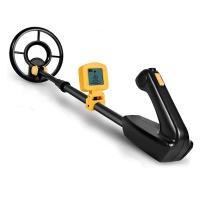
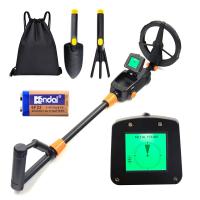
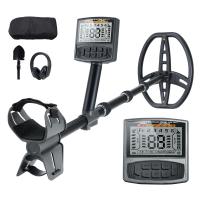
Can You Detect Gold With Metal Detector?
Can You Detect Gold with a Metal Detector?
Gold has long been a symbol of wealth, prosperity, and adventure. From ancient civilizations to modern treasure hunters, the allure of gold has captivated people across the globe. With advancements in technology, metal detectors have become a popular tool for those seeking to uncover hidden treasures. But can you detect gold with a metal detector? The answer is yes, but it’s not as straightforward as it may seem. In this article, we’ll explore how metal detectors work, the factors that influence their ability to detect gold, and practical tips for maximizing your chances of success.
How Metal Detectors Work
Metal detectors operate by generating an electromagnetic field and detecting changes in that field caused by metallic objects. When the electromagnetic field interacts with a metal object, it creates a secondary field that the detector picks up. The device then signals the user, often through sound or visual cues, that metal has been detected.
However, not all metals are created equal when it comes to detection. Metals are categorized into two groups: ferrous (containing iron) and non-ferrous (not containing iron). Gold is a non-ferrous metal, which means it doesn’t contain iron and has unique properties that make it more challenging to detect compared to other metals like steel or aluminum.
Factors That Influence Gold Detection
Detecting gold with a metal detector depends on several factors, including the type of detector, the size and purity of the gold, the depth at which it is buried, and the surrounding environment. Let’s break these factors down:
1. Type of Metal Detector
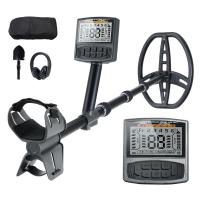
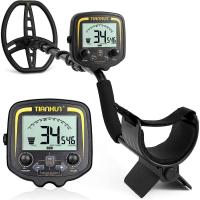
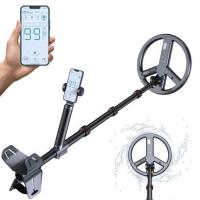
Not all metal detectors are designed to detect gold. Standard metal detectors are often optimized for general-purpose use, such as finding coins, relics, or other common metals. If your primary goal is to find gold, you’ll need a specialized gold detector or a high-frequency metal detector.
Gold detectors are specifically designed to pick up the low conductivity of gold. They operate at higher frequencies, which makes them more sensitive to small gold particles. Some popular gold detectors include the Minelab GPZ 7000, Garrett AT Gold, and Fisher Gold Bug Pro. These devices are equipped with advanced features like ground balancing and discrimination settings to help filter out unwanted signals from other metals or minerals.
2. Size and Purity of Gold
The size and purity of the gold significantly impact its detectability. Larger gold nuggets are easier to detect than fine gold particles or flakes. Similarly, pure gold is more conductive and easier to detect than gold alloys mixed with other metals.
For example, a small gold ring or earring may be detectable with a standard metal detector, but tiny gold flakes in a streambed may require a specialized gold detector with higher sensitivity.
3. Depth of the Gold
The depth at which gold is buried also plays a crucial role. Metal detectors have a limited range, and their ability to detect objects diminishes as the depth increases. High-end gold detectors are capable of detecting gold at greater depths, but even they have limitations.
The depth at which gold can be detected depends on the size of the gold object, the type of detector, and the soil conditions. For instance, a large gold nugget buried in loose soil may be detectable at a depth of several feet, while a small gold coin in mineral-rich soil may only be detectable at a few inches.
4. Environmental Conditions
The surrounding environment can either help or hinder your ability to detect gold. Mineralized soil, which contains high levels of iron or other minerals, can interfere with a metal detector’s signal. This is a common challenge for gold prospectors, as gold is often found in areas with mineral-rich soil.
To overcome this, many gold detectors come with ground balancing features that allow the user to adjust the detector’s settings to filter out interference from mineralized soil. Additionally, the presence of other metals or trash in the area can create false signals, making it harder to identify gold.
Practical Tips for Detecting Gold
If you’re serious about finding gold with a metal detector, here are some practical tips to improve your chances:
1. Invest in the Right Equipment
Choose a metal detector specifically designed for gold detection. While these detectors may be more expensive than standard models, their specialized features make them worth the investment for gold prospecting.
2. Learn Your Detector’s Settings
Take the time to understand your detector’s settings and features. Familiarize yourself with ground balancing, discrimination, and sensitivity adjustments. Properly calibrating your detector can make a significant difference in its performance.
3. Research Gold-Bearing Areas
Gold is often found in specific geological formations, such as riverbeds, quartz veins, and areas with mineral-rich soil. Research gold-bearing areas in your region and focus your efforts there. Historical records, maps, and online forums can be valuable resources for identifying promising locations.
4. Practice Patience and Persistence
Gold prospecting is not a quick or easy endeavor. It requires patience, persistence, and a willingness to learn from your experiences. Don’t get discouraged if you don’t find gold right away; success often comes with time and effort.
5. Use Accessories to Enhance Detection
Consider using accessories like pinpointers to help locate gold more precisely once your detector signals a find. Pinpointers are small handheld devices that can narrow down the location of a target, saving you time and effort during excavation.
6. Join a Community
Joining a community of metal detector enthusiasts or gold prospectors can provide valuable insights, tips, and support. Many communities organize group outings, share knowledge, and offer advice on equipment and techniques.
Common Misconceptions About Detecting Gold
There are several misconceptions about detecting gold with a metal detector. Let’s address a few of them:
- “Any metal detector can find gold.” While it’s true that some standard metal detectors can detect gold, they are not optimized for this purpose. Specialized gold detectors are far more effective.
- “Gold is easy to find.” Gold prospecting is challenging and requires skill, research, and persistence. It’s not as simple as walking into a field and finding gold nuggets.
- “Metal detectors can detect gold at any depth.” Metal detectors have limitations, and their ability to detect gold diminishes with depth. High-end detectors can reach greater depths, but even they have limits.
Yes, you can detect gold with a metal detector, but success depends on several factors, including the type of detector, the size and purity of the gold, the depth at which it is buried, and the surrounding environment. Specialized gold detectors are the best choice for gold prospecting, as they are designed to handle the unique challenges associated with detecting gold.
By investing in the right equipment, learning your detector’s settings, researching gold-bearing areas, and practicing patience, you can increase your chances of finding gold. While gold prospecting is not guaranteed to yield results, the thrill of the hunt and the possibility of uncovering hidden treasures make it a rewarding and exciting endeavor.
Whether you’re a seasoned prospector or a beginner looking to try your hand at gold hunting, understanding the nuances of metal detection and gold prospecting will set you on the path to success. So grab your detector, head to a promising location, and start your adventure in search of gold!