How Deep Can Metal Detectors Detect Gold?
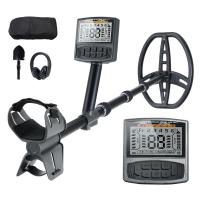
Metal detecting is a fascinating hobby and a serious trade for many enthusiasts and professionals, particularly those who are focused on finding valuable metals such as gold. One of the most frequently asked questions about metal detectors is, "How deep can a metal detector detect gold?" The answer isn’t as simple as citing a single depth because a variety of factors impact a detector’s effectiveness. Let’s delve deeper into this question, exploring how depth capability varies according to device type, gold characteristics, and environmental conditions.
Understanding the Factors That Affect Detection Depth
Before we dive into the specific capabilities of modern metal detectors for gold detection, it's important to understand that many factors influence detection depth. These factors include:
1. Type of Metal Detector:
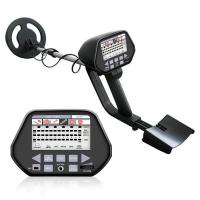
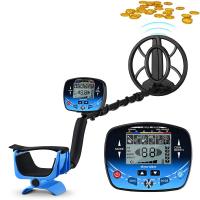
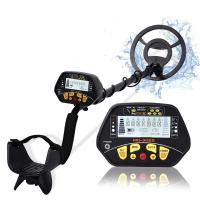
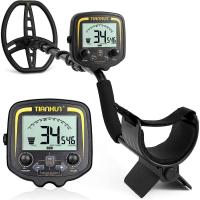
- The technology behind the metal detector plays a significant role in how deep it can detect gold. The most commonly used technologies for this purpose are Very Low Frequency (VLF) and Pulse Induction (PI).
VLF Detectors: These are generally more affordable and better suited for small gold nuggets at shallow to moderate depths. They are highly sensitive to small targets but may struggle in mineralized soil.
PI Detectors: These are more advanced and capable of detecting larger gold deposits at greater depths. They perform better in areas with heavy mineralization, making them ideal for tougher terrains.
2. Size and Shape of Gold:
- Larger gold nuggets are easier to detect at greater depths than smaller gold pieces or gold flakes.
- The shape of the gold can also make a difference. A flat gold piece may provide a better signal than a round one because of how it reflects electromagnetic waves.
3. Soil Composition:
- The type of soil or terrain greatly affects a metal detector's depth capabilities. Metal detectors typically struggle in highly mineralized ground or saltwater sand, as these environments interfere with electromagnetic signals.
- In less mineralized soil, the detector may be able to pick up faint signals from deeper targets.
4. Coil Size and Type:
- Larger search coils on a metal detector allow users to detect objects deeper underground. However, the trade-off is reduced sensitivity to smaller items.
- Some metal detectors also include specialized coils, such as double-D coils, which are better for use in mineralized soils.
5. Detector Settings and User Skill:
- Proper tuning and setup of the metal detector—such as sensitivity adjustments, ground balancing, and discrimination settings—can significantly impact performance.
- Experienced users often maximize the depth capabilities of their machines because they know how to interpret signals more effectively and adjust their devices to suit the conditions.
What Is the Average Detection Depth?
For many modern metal detectors, the average detection depth for gold depends on the aforementioned factors, but general guidelines can give us an idea:
1. Small Gold Nuggets (Less than 1 gram):
- Under ideal conditions, VLF detectors can scan to a depth of 6–8 inches (15–20 cm).
- PI detectors might reach up to 12–14 inches (30–35 cm) in the same soil conditions.
2. Medium-Sized Nuggets (1–5 grams):
- VLF detectors might reach a depth of around 12 inches (30 cm) for medium-sized nuggets.
- PI detectors, given their advanced technology, can often detect such nuggets at depths of up to 18–24 inches (45–60 cm).
3. Large Gold Nuggets:
- Bigger gold nuggets can potentially be detected up to 2–3 feet (0.6–0.9 meters) deep with high-end PI detectors under perfect conditions.
- Some industrial-grade machines designed specifically for gold prospecting can extend this range further.
It’s crucial to remember that these estimates assume favorable conditions, including minimal interference from soil mineralization.
Choosing the Right Metal Detector for Gold Prospecting
The choice of metal detector greatly influences how deep you can detect gold. Here are a few suggestions based on user needs:
1. Beginning Prospectors:
- If you’re new to metal detecting, an affordable VLF detector, such as the Fisher Gold Bug or Nokta Makro Gold Finder, might be a good starting point.
- These machines are user-friendly and effective for small gold nuggets at shallow depths.
2. Advanced Prospectors:
- Serious prospectors should consider investing in high-end PI detectors like the Minelab GPX or Garrett ATX. These machines are known for their exceptional depth capabilities, especially in mineralized ground.
- Though these devices are significantly more expensive, they are worth the investment for those who want to maximize their findings.
3. Specialized Needs:
- For prospectors working in rough terrains with extreme mineralization, detectors like the Minelab GPZ 7000 are designed to provide maximum depth and sensitivity in these challenging conditions.
Tips to Maximize Gold Detection Depth
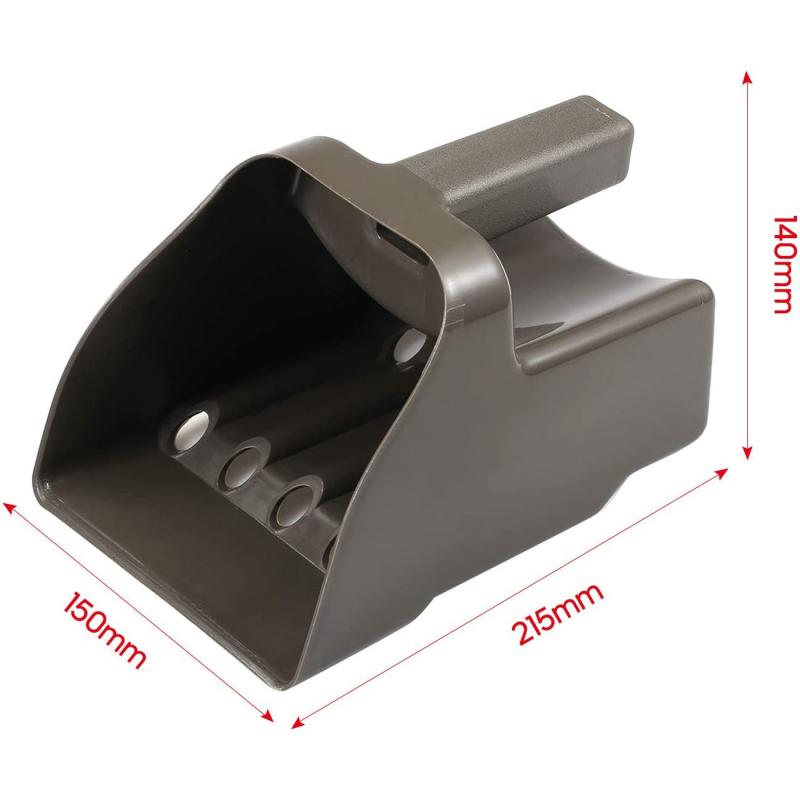
Here are some tips to ensure you’re using your metal detector to its full potential:
1. Ground Balancing:
- Ensure your detector is properly ground balanced to adjust for mineralization.
- Manual or automatic ground balance settings allow for smoother operation and better depth accuracy.
2. Optimizing Sensitivity:
- Set the sensitivity of your machine as high as possible without introducing excessive noise or "chatter." This can help in detecting smaller targets deeper.
3. Target Discrimination:
- For gold prospecting, use minimal discrimination settings to avoid filtering out weak signals. Gold often registers as a lower conductivity metal, so disabling filtering for other low-conductivity metals might help.
4. Search Techniques:
- Work slowly and methodically, overlapping your sweeps to ensure no areas are missed.
- Use headphones to better hear faint signals that might indicate a deep target.
5. Adapt to Soil Conditions:
- Pay attention to changes in soil composition as you move through the terrain. If switching from sandy to mineralized soil, adjust the settings accordingly.
6. Test Your Equipment:
- Before heading into the field, practice using your detector on known gold targets buried at different depths. This will help you understand how your machine responds under real conditions.
Professional Gold Prospecting and Technology Advancements
Industrial-grade gold detectors and ground-penetrating radar (GPR) devices are available for those involved in professional mining or large-scale prospecting. These technologies can detect gold at far greater depths than traditional consumer-grade detectors, though they come at a premium price. Some of these machines even use 3D imaging to render an underground map of potential gold deposits.
Additionally, advancements in artificial intelligence and machine learning are beginning to appear in high-end devices. These intelligent systems can analyze complex data to differentiate between valuable metals, such as gold, and other materials like iron or aluminum.
Challenges and Realistic Expectations
While metal detectors are remarkable tools, it’s important to set realistic expectations. Rarely will you strike gold with your first outing, and consistent practice is necessary for success. Furthermore, deep gold deposits that are buried several meters beneath the surface are typically beyond the reach of consumer-grade detectors. In these cases, mining equipment or professional surveying techniques may be required.
Lastly, always obtain appropriate permissions before treasure hunting on private or federal lands, and ensure you follow all laws and regulations pertaining to prospecting.
The depth at which a metal detector can detect gold depends on the interplay of several factors, including the type of device, size of the gold, soil composition, and the operator’s skill. While smaller nuggets can often be found within 6–12 inches (15–30 cm), larger nuggets might be detected at depths of 2–3 feet (0.6–0.9 meters) with advanced equipment.
Choosing the right detector for your needs, adapting to terrain conditions, and refining your skills over time will significantly enhance your success as a gold prospector. With a mix of patience, determination, and the appropriate tools, you give yourself the best chance of uncovering valuable gold deposits, whether they are shallow or buried deeply in the earth.