Find Out Where Cctv Cameras Are?
Closed-circuit television (CCTV) cameras have become an integral part of modern surveillance and security systems. Whether installed in public spaces, businesses, or residential areas, these cameras play a vital role in deterring crime, monitoring activities, and providing valuable evidence when incidents occur. Yet, locating CCTV cameras is often an essential concern for individuals, whether they aim to protect their privacy, ensure their safety, or gather insights for professional or personal purposes.
In this detailed guide, we’ll walk through practical strategies to determine where CCTV cameras are installed, distinguish between visible and hidden setups, and explore ethical considerations regarding their use.
Understanding CCTV Camera Locations
CCTV cameras are strategically placed to monitor specific areas deemed critical for safety and security purposes. Here are some of the most common locations:
1. Public Spaces: Cameras are frequently installed in parks, streets, transportation hubs like bus terminals and train platforms, and parking lots. Their primary purpose here is public safety and crime deterrence.
2. Commercial Establishments: Businesses use CCTV cameras in retail outlets, warehouses, offices, and production facilities. The focus could be on monitoring customer behavior, supervising employees, or preventing theft or vandalism.
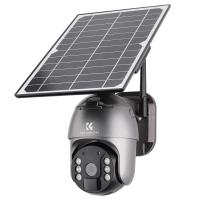
3. Residential Properties: Homeowners often utilize cameras at entries, exits, driveways, backyards, and interiors of houses for keeping intruders at bay and monitoring potential access points.
4. Government Facilities: Critical infrastructure like airports, government offices, and military establishments use a network of controlled cameras to ensure stringent security measures.
5. Institutions: Schools, hospitals, banks, and corporate buildings often install cameras to keep staff, visitors, and customers in protected environments.
How to Locate CCTV Cameras
Identifying the presence and location of CCTV cameras often depends on whether the cameras are visible or covert. Below are some practical ways:
Detecting Visible CCTV Cameras
Visible CCTV cameras are intended to be noticeable, as this itself acts as a deterrent for malicious actions.
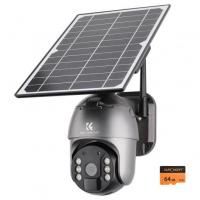
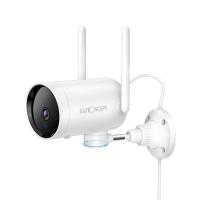
Scan for Wall Mounts and Ceilings: Commercially installed cameras often have prominent placements on walls, ceilings, lampposts, or structures to cover a wide perimeter.
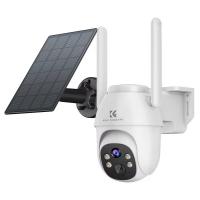
Spot Cables and Brackets: Look for wiring or mounts leading to cameras. Cameras typically consist of dark or reflective lenses, making them identifiable.
Keep an Eye Out for Domes: Many cameras use dome enclosures to protect the lens. These semi-spherical devices are commonly seen in indoor installations (e.g., malls, offices).
Detecting Hidden or Covert Cameras
Covert cameras are designed to be inconspicuous. Locating them requires keener observation. Here's how:
Analyze Unusual Objects or Fixtures:
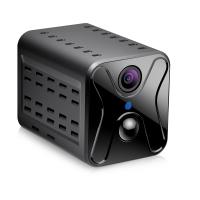
- Hidden cameras may mimic everyday items like smoke detectors, USB charging devices, clocks, or lamps.
- Look for items unexpectedly facing specific areas, such as beds or workstations.
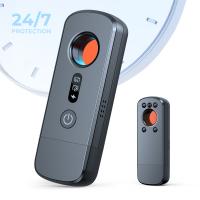
Use Camera Detection Devices: Specialized tools can scan for the electromagnetic signals emitted by recording devices, pinpointing camera locations.
Shine a Flashlight: Lens reflections often become apparent when a flashlight hits them directly. Scan suspected areas with light.
Consider Mobile Apps: Some smartphone apps claim to detect infrared light or locate network-enabled hidden cameras.
Legal and Ethical Dimensions of CCTV Usage
It's worth considering the legal and ethical implications of CCTV surveillance. Here are essential points to keep in mind:
Legal Provisions
- Surveillance regulations vary across regions. Most jurisdictions demand compliance with explicit rules when installing or monitoring CCTV systems. Appropriate signage often needs to indicate camera presence in public places.
- Covert surveillance may be restricted or outright illegal in private spaces such as bathrooms, dressing rooms, or hotel rooms. Research your local laws if you suspect improper usage.
Privacy Concerns
While surveillance may improve safety and security, indiscriminate monitoring can violate an individual’s privacy. Always evaluate whether cameras are justified in their placement while considering their impact on liberty and confidentiality.
Reasons to Locate CCTV Cameras
People investigate CCTV locations for various reasons. Here, we outline some common motivations as well as solutions for any concerns:
Personal Privacy
Some fret over potential privacy violations. Checking for cameras before entering dressing rooms, restrooms, or guest accommodations is vital to safeguard personal space.
Maintaining Security
Others seek awareness to ensure their surroundings are well-monitored. Even in public spaces, identifying nearby cameras offers peace of mind and reduces threats like theft or harassment.
Professional Use Cases
Security Professionals: Understanding camera placements helps optimize surveillance coverage while minimizing blind spots.
Investigators: Law enforcement and private detectives routinely scrutinize CCTV coverage to reconstruct events or trace individuals.
Compliance and Accountability
Employers may want to ensure legally compliant monitoring systems. Transparency is key to balancing workplace oversight and employee comfort.
Practical Tips to Stay Informed About CCTV Presence
1. Look for Signs: Many businesses use signs stating “Surveillance in Progress” or “CCTV Monitoring” to deter wrongful acts.
2. Ask Authorities: In public spaces, security personnel can provide insight into camera placements.
3. Conduct Independent Checks:
- If you strongly suspect improper surveillance where clear signs were not given, using professional detection tools could be necessary.
- Always document evidence if you suspect unlawful activity and share findings with appropriate authorities.
Mitigating Risks or Concerns from CCTV Camera Monitoring
While locating cameras might resolve some privacy concerns, taking additional steps to mitigate risks linked with CCTV monitoring is prudent:
1. Adjust Personal Behavior: Be aware that public surveillance might catch routine activities. Avoid sensitive discussions or actions in monitored zones.
2. Recordkeeping: If cameras capture footage containing your image or behavior in commercial institutions, ensure the data is stored securely and isn’t used for unauthorized purposes.
3. Advocate for Transparency: Lobby home, office, or public place managers to disclose the extent and purpose of CCTV surveillance.
4. Employ Countermeasures: For serious private-space concerns, consider anti-surveillance tools reducing unwanted visual monitoring by nearby covert cameras.
The Role of Technology in Balancing Surveillance
Technology increasingly bridges the gap between safety and privacy. As a pro-consumer sentiment rises, surveillance apps, decentralized systems, encrypted monitoring, and adaptive contracts for public awareness evolve. Staying informed about these developments helps usher responsible use of surveillance technologies.
The presence of CCTV cameras, whether evident or hidden, has redefined security standards across various sectors. Understanding their locations and purposes not only safeguards privacy and personal rights but also strengthens situational awareness and contributes to accountability. By following the strategies outlined in this guide, individuals can responsibly navigate surveillance spaces while promoting the ethical use of monitoring systems. Balancing safety with privacy in modern life isn’t just a matter of knowing where cameras reside—it’s about engaging with surveillance in a way aligned with laws, values, and human dignity.