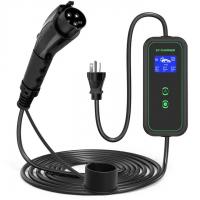
Can You Overcharge A Battery?
What Happens When You Overcharge a Battery
Every type of rechargeable battery is designed to accept a certain voltage and amperage as it charges. If there's excess current going into the battery – such as when it's fully charged, but still plugged into the charger – this can result in overheating. Not only can it damage the battery itself, but it can also present a fire risk if the battery is resting on flammable materials.
Your battery will experience excessive heat, gas build-up, swelling, and a reduced capacity for full charge if it is overcharged. The functionality of your battery will deplete if you charge the battery over its maximum capacity, although the specific effects will depend on the type of battery your device uses.
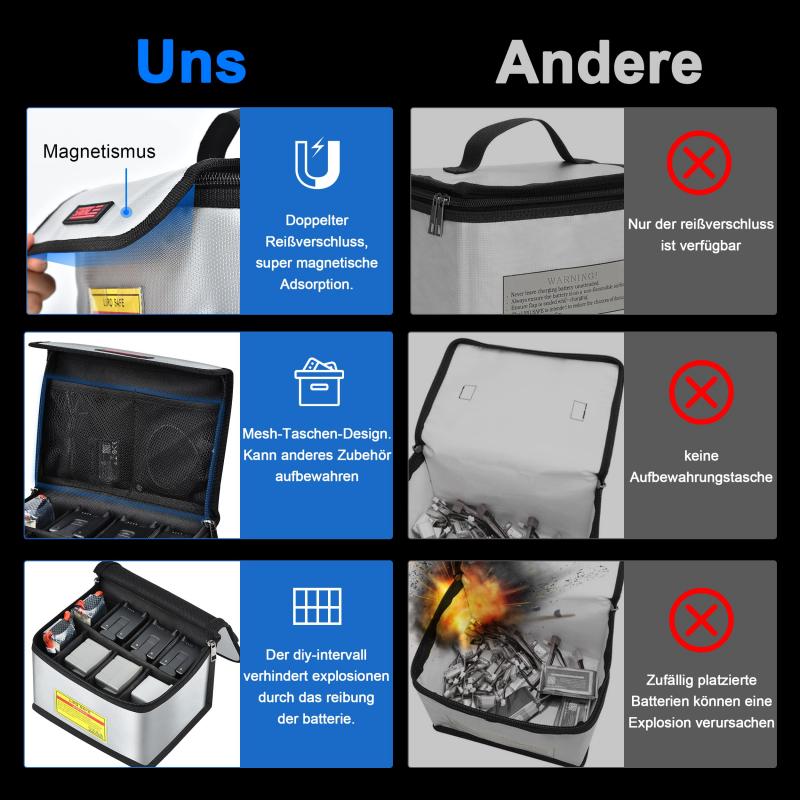
Side Effects of Overcharging by Battery Type
- Lead-Acid
- Causes excessive heat, gassing (hydrogen and oxygen), and electrolyte loss, leading to corrosion of internal components and reduced lifespan. This can result in warped plates, melted separators, or even explosions in extreme cases. Electrolyte loss from overcharging is irreversible in sealed batteries — the damage cannot be corrected once it occurs.
- Nickel-Cadmium
- Overcharging causes "memory effect," reducing capacity over time. Generates heat, which can damage internal components.
- Lithium-Ion
- Leads to thermal runaway, pressure buildup, and potential fire or explosion. Modern lithium-ion batteries have battery management systems (BMS) to prevent overcharging. When lithium-ion batteries are chronically overcharged, this damages their interior chemistry, which can occasionally lead to swelling or leakage.
- Lithium-Iron Phosphate (LiFePO₄)
- More stable than standard lithium-ion batteries but still susceptible to overcharging effects like heat buildup and reduced lifespan. Typically includes a BMS to mitigate risks. LiFePO₄ is much less likely to enter thermal runaway or catch fire compared to NMC, as the iron-phosphate chemistry is less flammable and more resistant to overheating.

Signs of an Overcharged Battery
If you accidentally overcharge your batteries once in a while, it probably won't make that much of a difference. However, if the batteries regularly get overcharged, especially if they're lithium-ion batteries, they may display the following warning signs.
- Overheating: This is generally the first sign of an overcharged battery. Excess current going into a fully charged battery results in overheating, which can also present a fire risk if the battery is resting on flammable materials.
- Swelling or leakage: Chronic overcharging damages the interior chemistry of lithium-ion batteries, which can occasionally lead to swelling or leakage, ruining the batteries and possibly whatever they were resting on.
- Battery explosion: Once a lithium-ion battery reaches the point of overheating, it usually isn't that far away from potentially exploding. Statistics show that when used correctly, only one in every 10 million lithium-ion batteries fail; however, this statistic doesn't apply to batteries that are overcharged or otherwise misused.
- Shortened lifespan: Overcharging your batteries has another drawback that will take a while longer to notice: a shortened lifespan. If you regularly overcharge them, this could significantly reduce their lifespan.

How Modern Batteries Detect and Stop Full Charge
You can figure out how charged a battery is by looking at its voltage. Although batteries are supposed to stay at a constant voltage, it is impossible to get it perfect. This imperfection gives an idea of the state of charge (SOC) in percent. A microcontroller will regulate charging based off of this SOC. For batteries that don't have this, the charger itself will have the controller.
NiMH batteries are a bit different when it comes to detecting full charge. Newest devices usually have a protection circuit that cuts off supply to the battery when the SOC (state of charge) reaches its maximum. However, the battery alone can still be overcharged. In the case of LiPo batteries, they will swell and can be a fire hazard.
Also worth noting, modern phones shouldn't be charging themselves to the actual 100% capacity of their battery, or allowing the battery to be fully depleted — it may limit the charge to 90% of maximum capacity and display that as 100%.
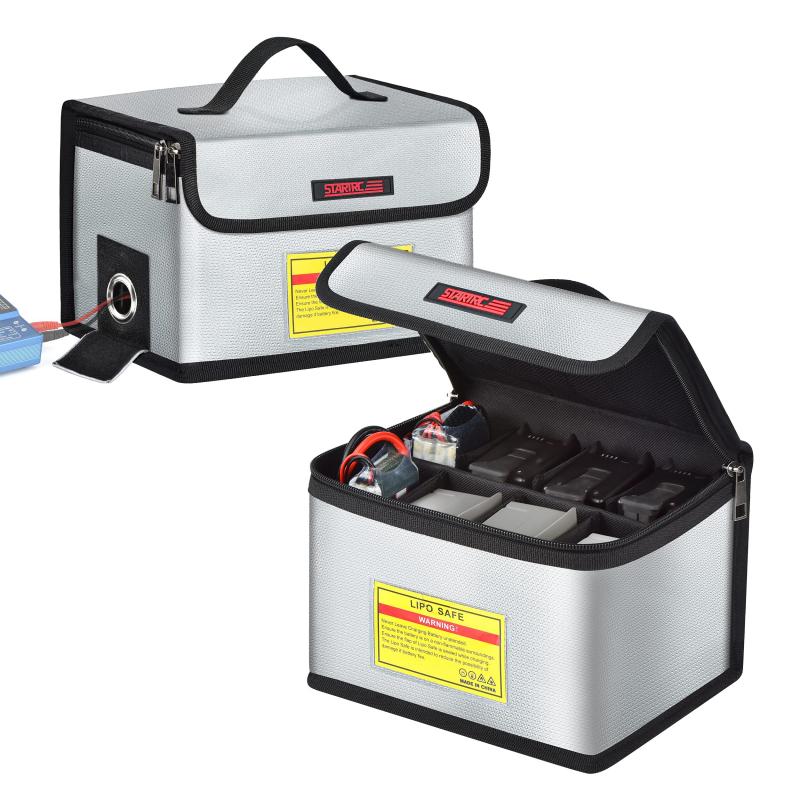
The Role of the Battery Management System (BMS)
A battery management system (BMS) is your battery's first line of defense. The BMS monitors each cell's voltage and temperature in real time, disconnecting charging current if any cell approaches unsafe limits.
While the BMS is a crucial safety feature designed to prevent dangerous situations, it shouldn't be relied upon as your primary method of battery charge management. The best practice is to set up your charging system with the correct voltage and current profiles for your specific battery chemistry. This helps ensure that the BMS only has to intervene in rare, unexpected circumstances, rather than shutting down the battery regularly.
Relying on the BMS to stop overcharge events too often can stress the system's electronic components and may lead to premature BMS failure. Proper system setup not only protects your battery but also extends the life and reliability of the BMS itself.
The Normal Lithium Battery Charging Process
Charging a lithium battery is a precise, multi-stage process. Unlike lead-acid batteries, lithium cells don't need long absorption or float stages. Most lithium batteries are charged in two main phases:
- Bulk (no voltage control up to set limit): The charger delivers a steady, maximum current to the battery, and the voltage rises steadily as the battery charges up. There is no voltage control during this stage. Instead, current is limited, and the battery voltage increases naturally until it reaches the set upper limit for that battery chemistry. Bulk charging ends when the battery voltage reaches the manufacturer's specified "full" voltage.
- Absorption/Float (constant voltage hold): Once the battery reaches its upper voltage limit, the charger holds the voltage steady (constant voltage) and gradually reduces the charging current as the battery "tops off" and approaches 100% charge. It's crucial that charging never exceeds the manufacturer's recommended voltage for each cell/pack.
Typical Safe Charging Voltages by Lithium Chemistry
The table below is a basic reference for charger settings based on various battery types. Always refer to the manufacturer's exact recommendations if possible. The charged voltage is what is used in the "bulk" setting. Absorption/float voltage is usually about 1 volt lower.
- LiFePO₄ (LFP) — RV, marine, off-grid: Max charge voltage 3.65V per cell; typical pack voltage 14.4V–14.6V (12V pack). Most stable chemistry.
- NMC (Lithium-Ion) — cars, drones, e-bikes: Max charge voltage 4.20V per cell; typical pack voltage 16.8V (4S). Highest risk if overcharged.
- LCO (Lithium Cobalt Oxide) — laptops, phones: Max charge voltage 4.20V per cell; typical pack voltage 16.8V (4S). Rare in large battery banks.
- LTO (Lithium Titanate) — specialty, industrial: Max charge voltage 2.80V per cell; typical pack voltage 11.2V (4S). Lower voltage, rare in RV/marine applications.
Battery Longevity and Prolonged Full-Charge State
Almost nothing these days is in danger of overcharging, but prolonged time at a fully charged state will also degrade the battery — not dangerously, but it will reduce its performance. Lithium-based batteries tend to show longer lifetimes if not charged to 100% or used down to 0%, so it can be good to disconnect your phone before it reaches 100% and recharge it in good time before it reaches 0% to maximize battery lifetime (just estimating, but perhaps 20–80%).
iPhones do this now automatically by scheduling the final bit of charge for just before you wake up in the morning, thus saving about 1/3 of a day less time stuck at full charge, making batteries last longer. In that case, they might explode. Over time, this process wears out the cathode, which results in a reduced capacity. This is why battery life will decrease over time with repeated charge cycles, as ions flow between a cathode and an anode during use, and charging reverses that flow, gradually wearing out internal components.