Which Is Best Binoculars?
When it comes to choosing the best binoculars, the decision largely depends on your specific needs and intended use. Whether you're a birdwatcher, a stargazer, a sports enthusiast, or someone who simply enjoys exploring the outdoors, the right pair of binoculars can significantly enhance your experience. However, with so many options available on the market, it can be overwhelming to determine which pair is best suited for you. In this article, we’ll break down the key factors to consider when selecting binoculars, highlight some of the top models in various categories, and provide practical advice to help you make an informed decision.
Understanding Binocular Specifications
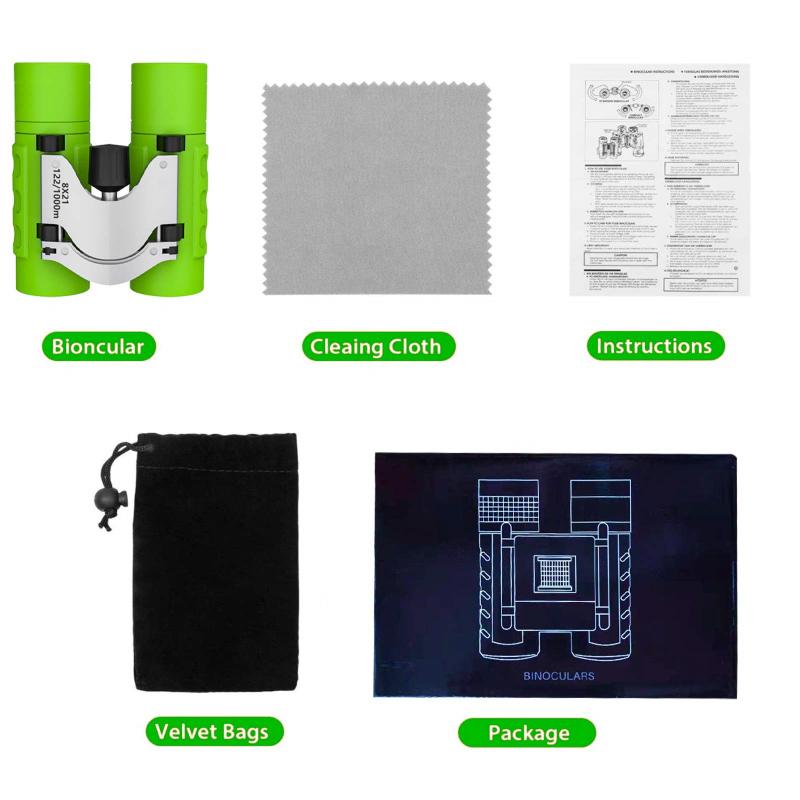
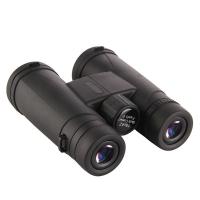
Before diving into specific recommendations, it’s important to understand the key specifications that define binoculars:
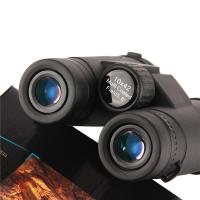
1. Magnification and Objective Lens Diameter: Binoculars are typically described by two numbers, such as 10x42. The first number (10x) refers to the magnification power, meaning the object will appear 10 times closer than it does to the naked eye. The second number (42) refers to the diameter of the objective lens in millimeters. Larger lenses allow more light to enter, which improves image brightness and clarity, especially in low-light conditions.
2. Field of View (FOV): This is the width of the area you can see through the binoculars, usually measured in feet at 1,000 yards or in degrees. A wider FOV is ideal for activities like birdwatching or sports, where tracking moving objects is important.
3. Exit Pupil: This is the diameter of the beam of light that exits the eyepiece, calculated by dividing the objective lens diameter by the magnification. A larger exit pupil is better for low-light conditions, such as stargazing or dawn/dusk viewing.
4. Prism Type: Binoculars use prisms to correct the orientation of the image. The two main types are Porro prisms and roof prisms. Porro prisms are bulkier but often provide better image quality for the price, while roof prisms are more compact and durable.
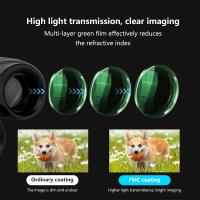
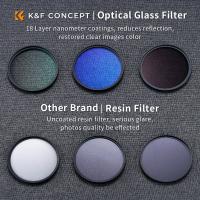
5. Lens Coatings: Coatings on the lenses reduce glare and improve light transmission. Fully multi-coated lenses are the gold standard for optimal image quality.
6. Weight and Size: Depending on your activity, the weight and size of the binoculars can be a critical factor. Compact binoculars are great for portability, while larger models may offer better performance.
Choosing the Right Binoculars for Your Needs
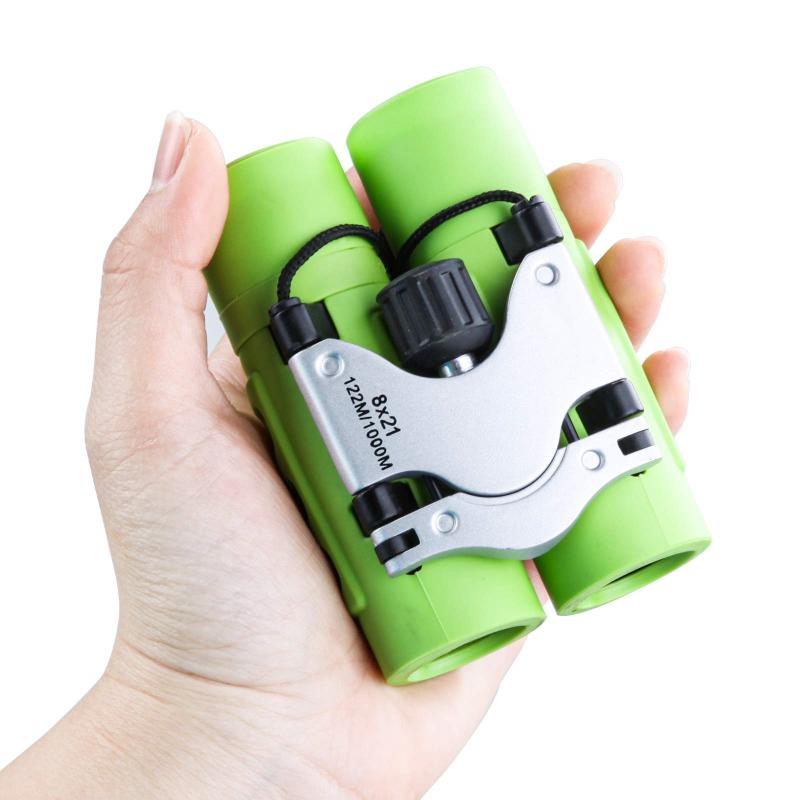
1. Birdwatching
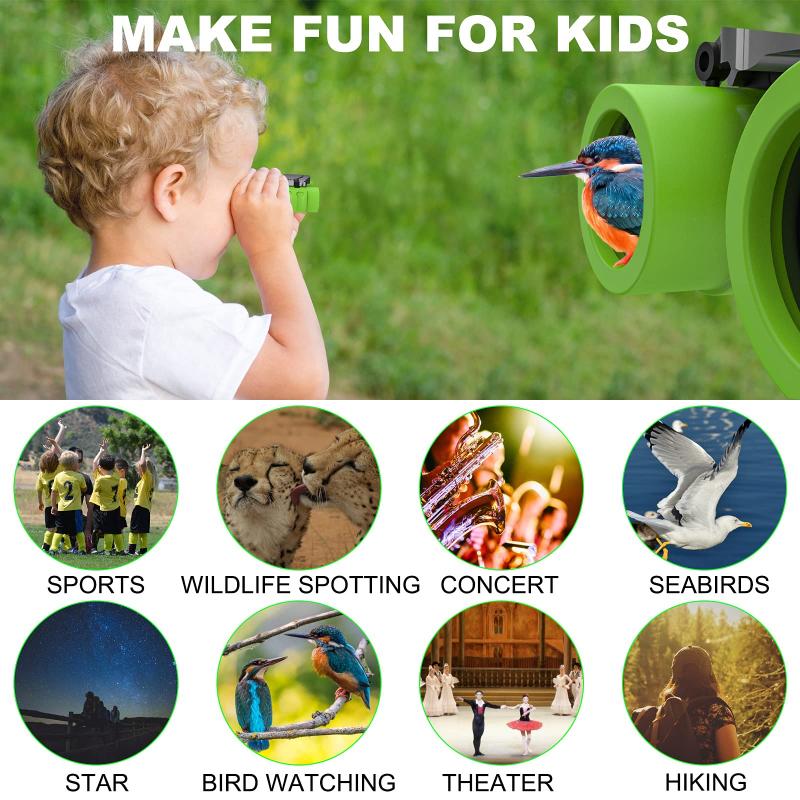
Birdwatchers need binoculars with a good balance of magnification, field of view, and image clarity. A magnification of 8x or 10x is ideal, as it provides enough detail without making it difficult to track fast-moving birds. A wide field of view is also essential for spotting birds in dense foliage or open skies.
Top Picks:
- Nikon Monarch 5 8x42: Known for its excellent optics, lightweight design, and durability, this model is a favorite among birdwatchers.
- Vortex Viper HD 10x42: Offers sharp, high-definition images and a rugged, waterproof design.
2. Stargazing
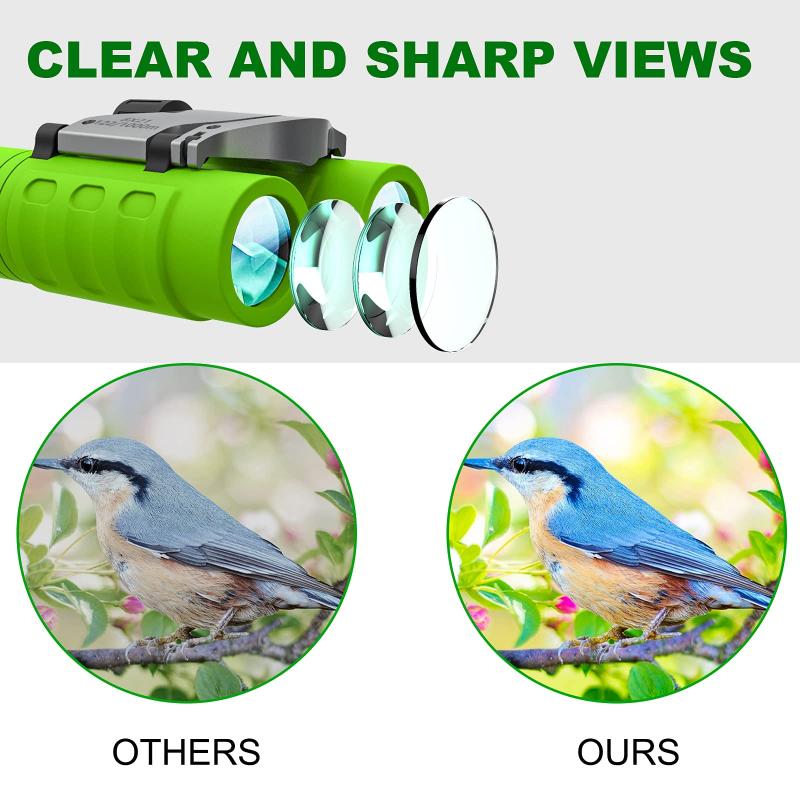
For stargazing, binoculars with a larger objective lens (50mm or more) and a higher magnification (10x or more) are recommended. These features allow you to gather more light and see celestial objects in greater detail.
Top Picks:
- Celestron SkyMaster 15x70: Specifically designed for astronomy, these binoculars provide excellent light-gathering capabilities and a wide field of view.
- Orion 20x80 Astronomy Binoculars: With powerful magnification and large lenses, these are perfect for deep-sky observation.
3. Hiking and Travel
For hiking and travel, compact and lightweight binoculars are essential. A magnification of 8x or 10x is sufficient, and durability is a key consideration.
Top Picks:
- Zeiss Terra ED 8x25: Compact, waterproof, and offering excellent image quality, these are ideal for outdoor adventures.
- Leica Ultravid BR 10x25: Known for their premium optics and portability, these binoculars are perfect for travelers.
4. Sports and Events
For watching sports or live events, binoculars with a wide field of view and moderate magnification (7x to 10x) are ideal. Compact models are also preferable for ease of use in crowded venues.
Top Picks:
- Bushnell Spectator Sport 10x50: Designed for sports enthusiasts, these binoculars offer a wide field of view and sharp image quality.
- Canon 10x30 IS II: Featuring image stabilization, these binoculars are great for steady viewing during fast-paced events.
5. Hunting
Hunters require binoculars that are rugged, waterproof, and capable of performing well in low-light conditions. A magnification of 8x or 10x and an objective lens diameter of 42mm are common choices.
Top Picks:
- Leupold BX-4 Pro Guide HD 10x42: Offers excellent clarity, durability, and low-light performance.
- Vortex Diamondback HD 10x42: A budget-friendly option with impressive optics and a robust design.
Key Features to Look For
Regardless of your specific use case, there are a few universal features to consider when choosing binoculars:
1. Waterproofing and Fog Resistance: If you plan to use your binoculars outdoors, look for models that are waterproof and nitrogen- or argon-purged to prevent internal fogging.
2. Durability: Rubber armor and shock-resistant designs can protect your binoculars from accidental drops and harsh conditions.
3. Adjustable Eyecups: These are essential for comfortable viewing, especially if you wear glasses.
4. Warranty: Many reputable brands offer lifetime warranties, which can provide peace of mind.
Budget Considerations
Binoculars are available at a wide range of price points, from under $100 to over $2,000. While premium models offer superior optics and build quality, there are plenty of affordable options that provide excellent performance for casual users. Here’s a general breakdown:
- Budget ($50–$200): Good for beginners or occasional use. Examples include the Celestron Outland X and Bushnell H2O.
- Mid-Range ($200–$500): Offers better optics and durability. Examples include the Nikon Monarch 5 and Vortex Diamondback HD.
- High-End ($500+): Designed for serious enthusiasts and professionals. Examples include the Zeiss Victory SF and Swarovski EL.
Tips for Testing and Buying Binoculars
1. Try Before You Buy: If possible, visit a store to test different models. Pay attention to how they feel in your hands, the clarity of the image, and the ease of focusing.
2. Check Reviews: Online reviews and expert recommendations can provide valuable insights into the performance and reliability of specific models.
3. Consider Accessories: A good neck strap, carrying case, and lens cleaning kit can enhance your overall experience.
4. Don’t Overlook Comfort: Binoculars that are too heavy or difficult to adjust can quickly become frustrating to use.
The best binoculars for you will depend on your specific needs, preferences, and budget. By understanding the key features and specifications, you can narrow down your options and find a pair that enhances your outdoor experiences. Whether you’re marveling at the stars, tracking a rare bird, or enjoying a live sports event, the right binoculars can make all the difference. Take your time to research, test, and invest in a quality pair that will serve you well for years to come.